
Outfit decision fatigue is the mental exhaustion that builds when you make too many clothing choices before your day even starts. AI reduces outfit decision fatigue by automating those choices entirely, replacing open-ended morning deliberation with a single, personalized recommendation. Platforms like Mytenue and AI fashion assistants built on computer vision and style-learning algorithms now handle the cognitive work that used to drain you before your first cup of coffee. The result is faster mornings, sharper focus, and a wardrobe you actually use.
How much does outfit decision fatigue cost you every day?
The daily cost is measurable and significant. The average professional spends 10–20 minutes each morning deciding what to wear. That time does not just disappear. It depletes executive function, the same mental resource you need for focused work, problem-solving, and decision-making throughout the day.
Adults spend nearly 4 months of their total lifetime deciding what to wear. That number reframes a daily annoyance as a genuine life cost.
The psychological term for this is decision fatigue, a well-documented phenomenon where the quality of decisions declines as the number of choices increases. Barack Obama and Steve Jobs famously wore near-identical outfits daily to protect their cognitive bandwidth. Most people cannot do that without sacrificing personal style. That is exactly the gap AI fills.
The cumulative math is stark. Users who adopt AI outfit planners save 8–15 minutes daily, which adds up to 50–90 hours per year. That is more than two full work weeks returned to your life, just from automating one morning task.
What AI styling features directly cut decision fatigue?
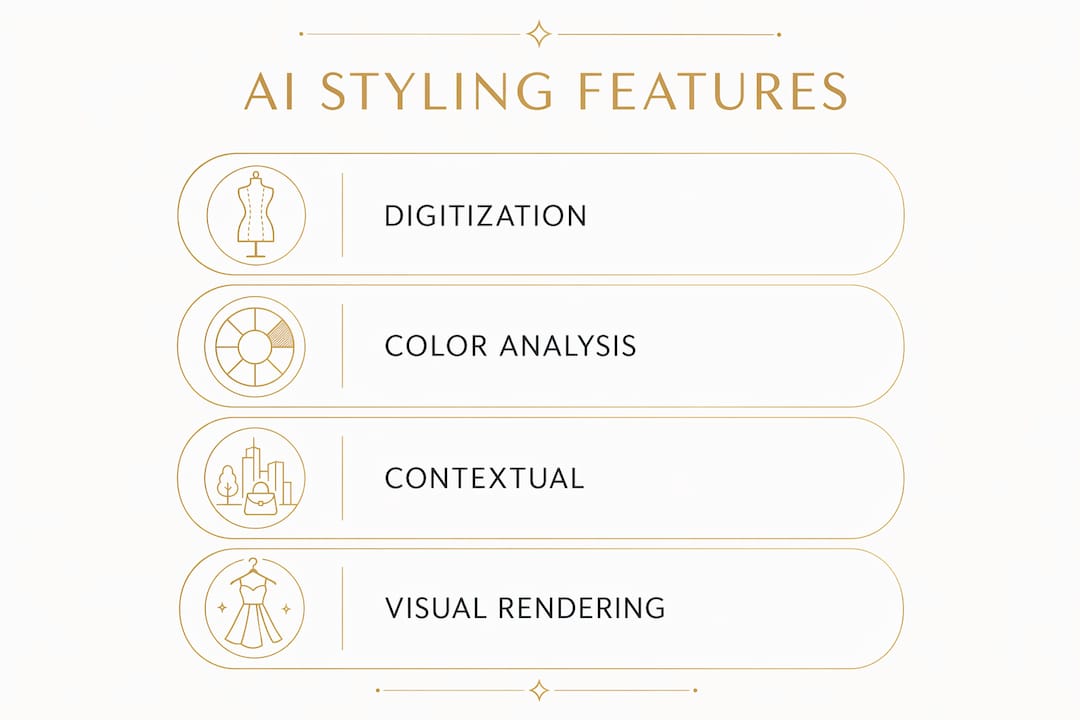
AI styling technology reduces cognitive load through four specific mechanisms. Each one removes a layer of mental effort from the outfit selection process.
Wardrobe digitization with computer vision
AI apps scan and catalog your clothing automatically using computer vision. The app identifies garment type, color, pattern, and fabric without you manually tagging each item. This turns a closet full of options into a structured, searchable database. You stop relying on memory and start working with a complete picture of what you own.
Color analysis that narrows your choices
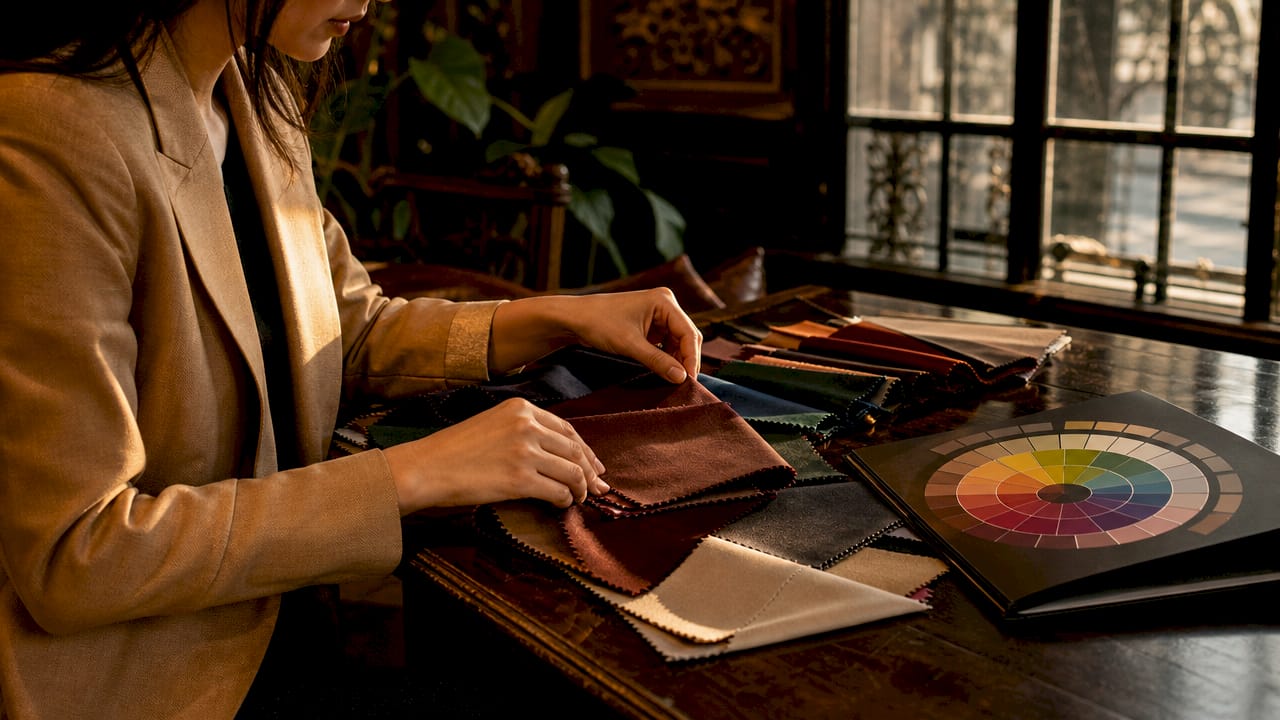
AI automates color palette analysis, filtering out combinations that clash and surfacing only the options that work for your coloring and preferences. Fewer valid options means faster decisions. Color analysis is the highest-leverage styling action for reducing fatigue because it cuts the choice set before you even start browsing.
Dynamic recommendations based on context
Static style rules cannot adapt to a rainy Tuesday or a last-minute client lunch. AI-powered apps shift styling from static wardrobe management to dynamic daily outfit intelligence, adjusting suggestions in real time based on weather, calendar events, and your recent wear history. You get a recommendation that fits today, not a generic formula.
Visual rendering for yes/no decisions
AI styling apps reduce mental effort by presenting rendered outfit options for quick yes/no decisions rather than imagination-based choices. Seeing a complete, styled look eliminates the mental simulation step. You react instead of construct, which is dramatically faster and less tiring.
Pro Tip: When you first set up an AI styling app, input your calendar for the week. The AI will pre-generate outfits for each occasion, so Monday morning requires zero decisions at all.
AI vs. traditional methods: a direct comparison
| Method | Effort required | Style variety | Adapts to context |
|---|---|---|---|
| Capsule wardrobe | High manual upkeep | Low | No |
| Daily uniform | None | None | No |
| AI outfit planner | Minimal after setup | High | Yes |
Capsule wardrobes require manual upkeep and still leave daily decisions to you. Daily uniforms eliminate fatigue but kill variety. AI delivers the mental relief of a uniform with the aesthetic range of a full wardrobe. High performers who prefer uniforms to save time get the same cognitive benefit from AI, plus actual style.
How does AI outfit planning improve wardrobe use and satisfaction?
The fatigue reduction is only part of the story. AI also changes how you relate to the clothes you already own.
Most people actively wear a small fraction of their wardrobe. AI outfit planners raise wardrobe usage from 20% to 70% through AI-recommended combinations. That shift means the money you already spent on clothing starts working harder. You stop buying duplicates of items you forgot you owned.
The practical benefits stack up in a specific order:
- Reduced repetitive wear. AI tracks what you have worn recently and avoids suggesting the same combinations, so your wardrobe feels larger even when it is not.
- Less "nothing to wear" friction. When the AI surfaces combinations you would never have thought of yourself, the feeling of having nothing to wear disappears. The problem was never the clothes. It was the mental effort of combining them.
- Smarter shopping decisions. When you see your full wardrobe digitized, you stop buying items that duplicate what you already have. You buy what fills genuine gaps instead.
- Long-term style learning. AI systems track your preferences over time. The more you use the app, the more accurate its suggestions become. The system gets better at being you.
This progression matters because the biggest barrier to wardrobe satisfaction is not the clothes themselves. It is the invisible friction of deciding how to use them. AI removes that friction systematically.
For occasion-specific planning, AI simplifies outfit selection for events ranging from casual weekends to formal work presentations, removing the stress of getting it right under time pressure.
What practical steps start reducing outfit decision fatigue with AI?
Getting started with an AI fashion assistant does not require a complete wardrobe overhaul. The process works in stages.
- Choose an app that fits your existing routine. Look for an AI clothing recommendation tool that integrates with your phone's calendar and weather app. Context-awareness is the feature that delivers the most daily value.
- Digitize your closet in one session. Block two hours on a weekend. Photograph every item you actually wear. Skip the pieces you have not touched in a year. A smaller, accurate catalog beats a large, incomplete one.
- Use the daily suggestion every day for two weeks. The AI learns from your feedback. Saying yes or no to suggestions teaches the system your preferences faster than any manual input.
- Connect your calendar. Pre-loading your weekly schedule lets the AI generate outfits in advance. You wake up to a ready answer instead of an open question.
- Update the catalog seasonally. Add new purchases immediately. Remove items you donate. A current catalog keeps recommendations relevant.
Pro Tip: Rate every outfit suggestion, even when you override it. The feedback loop is how the AI learns your taste. Three weeks of consistent ratings produces noticeably better recommendations than three months of passive use.
Understanding hyper-personalized styling helps you get more from these tools. The more context you give the AI, the more specific and useful its output becomes.
My honest read on AI and the future of getting dressed
I have watched people adopt AI styling tools expecting a magic fix and then abandon them after two weeks because the recommendations felt generic. The failure is almost always the same. They did not give the system enough feedback to learn from. AI styling is not a vending machine. It is a system that improves with use.
The real value I have seen is not the time savings, though those are real. It is the confidence shift. When you stop second-guessing your outfit at 7 a.m., you carry that decisiveness into the rest of your day. The morning sets a tone, and AI sets a better one.
The counterintuitive insight most articles miss is this: AI does not replace your personal style. It amplifies it. The system learns what you actually like, not what you think you should like. Over time, it reflects your real preferences back to you more accurately than you could articulate them yourself.
The future of AI styling moves toward full calendar and lifestyle integration. Your outfit will eventually be suggested based on your meeting schedule, the weather forecast, your recent social media activity, and your fitness plans for the day. That is not science fiction. The building blocks already exist. The platforms getting there fastest are the ones worth paying attention to now.
Start small. Digitize your closet. Use the daily suggestion. Trust the learning curve. The payoff compounds.
— Ahmed
Mytenue makes outfit decisions effortless
Mytenue is an AI-powered styling platform built specifically for people who want great outfits without the daily mental effort.
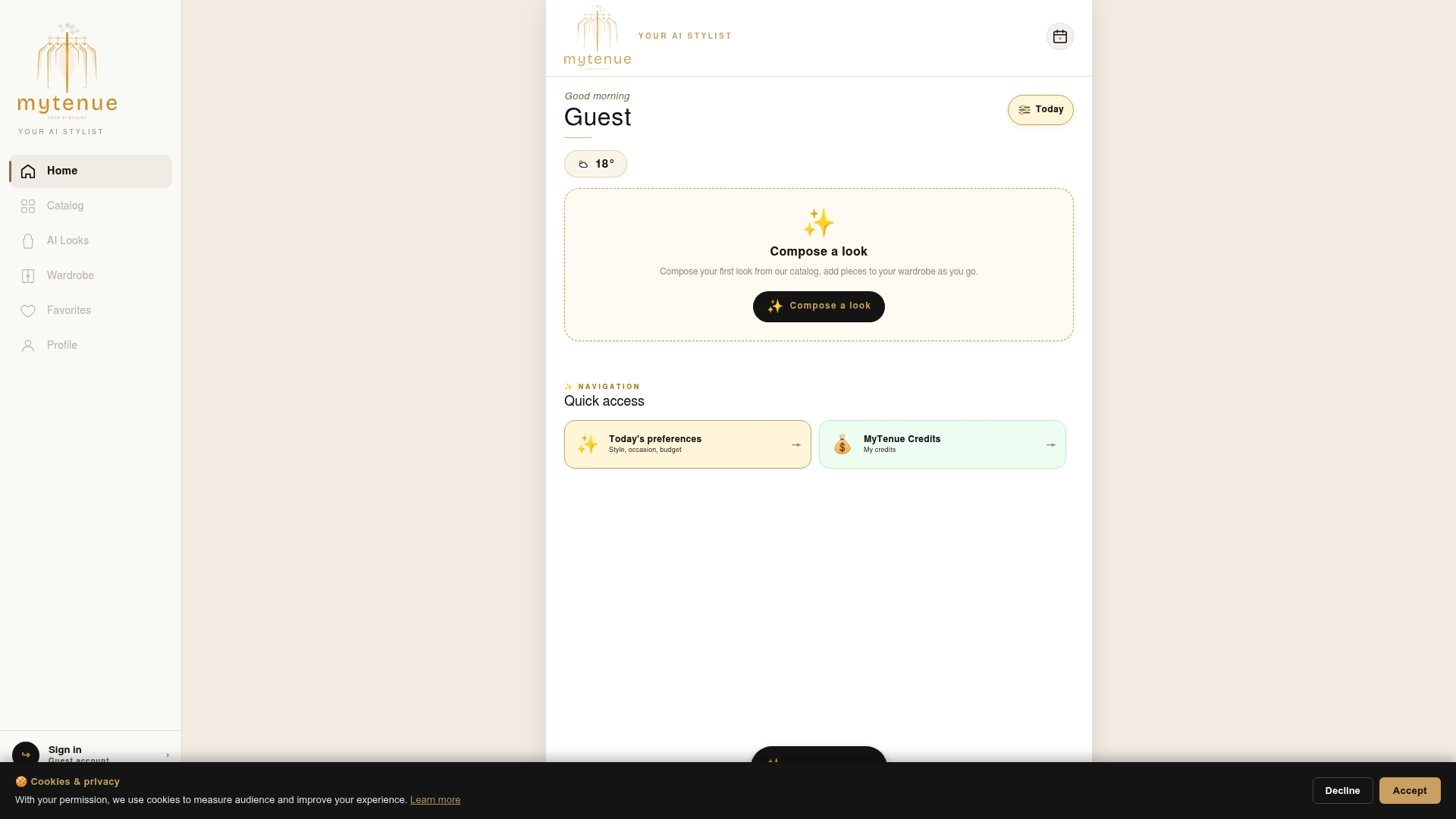
You upload your wardrobe, set your style preferences and budget, and Mytenue generates complete, personalized looks for any occasion. The AI learns your taste over time, so recommendations get sharper the longer you use it. Mytenue also encourages mixing existing pieces with new finds, which means you get more from what you already own. Visit Mytenue to see your wardrobe through a smarter lens and start your mornings with a clear answer instead of an open question.
FAQ
Why does outfit selection cause mental fatigue?
Outfit selection depletes executive function because it requires multiple micro-decisions before the day begins. Research shows the average person spends 10–20 minutes daily on this task, draining the same cognitive resource needed for focused work.
How much time does an AI outfit planner actually save?
AI outfit planners save 8–15 minutes daily, totaling 50–90 hours per year. That figure represents meaningful time returned to higher-value activities.
Does AI styling work for small wardrobes?
Yes. AI is especially effective with smaller wardrobes because it surfaces combinations you would overlook. Wardrobe usage jumps from 20% to 70% with AI recommendations, regardless of closet size.
Is AI better than a capsule wardrobe for reducing fatigue?
AI outperforms capsule wardrobes on daily effort. Capsule wardrobes still require you to make daily choices and need manual upkeep, while AI generates context-aware suggestions automatically with no ongoing curation required.
How long before AI outfit recommendations feel accurate?
Most AI styling apps produce noticeably better recommendations after two to three weeks of consistent daily feedback. Rating each suggestion, even when you override it, accelerates the learning process significantly.
Key takeaways
AI reduces outfit decision fatigue by replacing open-ended morning choices with personalized, context-aware recommendations that save time, protect cognitive energy, and increase wardrobe utilization.
| Point | Details |
|---|---|
| Daily time cost is real | Outfit decisions consume 10–20 minutes daily and deplete executive function needed for work. |
| AI saves 50–90 hours yearly | Daily time savings of 8–15 minutes compound into meaningful annual gains. |
| Wardrobe use jumps to 70% | AI recommendations surface combinations you overlook, making your existing clothes work harder. |
| Color analysis cuts choices fastest | Automated palette filtering removes mismatched options before you start browsing. |
| Feedback accelerates accuracy | Rating daily suggestions teaches the AI your preferences and improves results within weeks. |