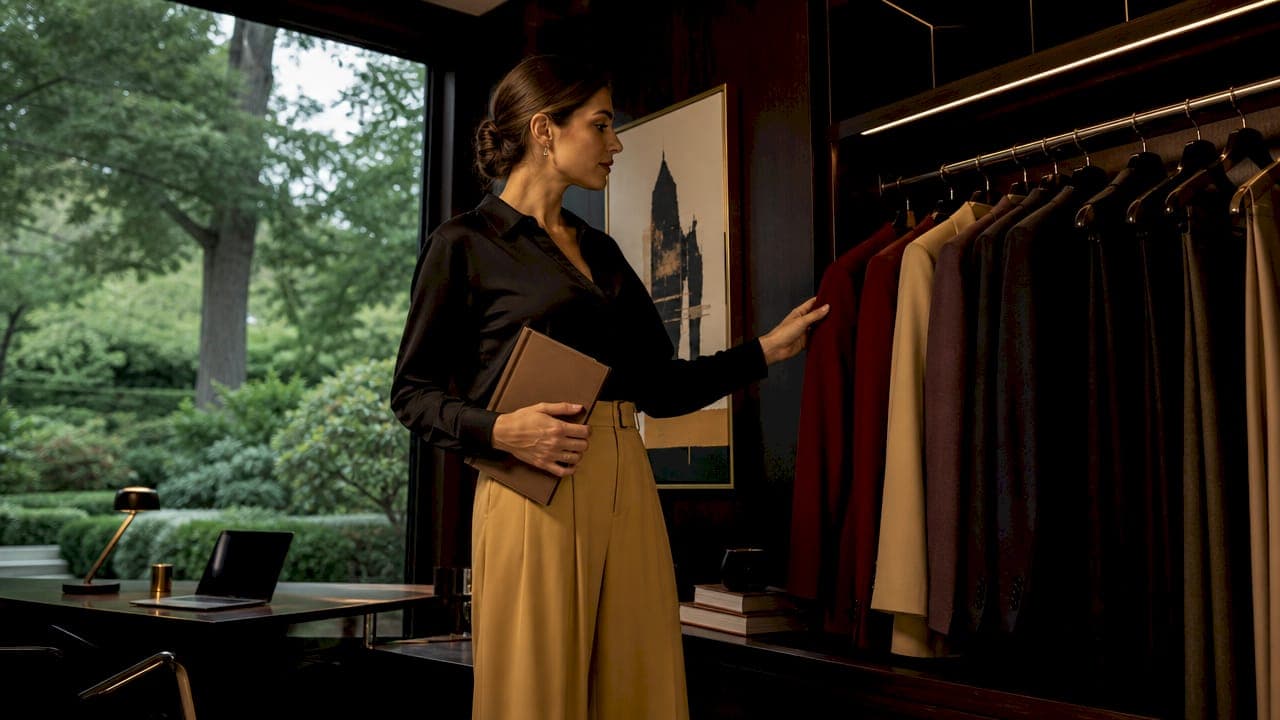
An outfit planning checklist for the workweek is a structured, repeatable system that organizes your wardrobe into coordinated, mix-and-match components you can dress from each morning without thinking. The standard industry term for this approach is "capsule wardrobe planning," and it works by compressing dozens of daily micro-decisions into one focused session on the weekend. Busy professionals who adopt this system report calmer mornings, stronger outfit confidence, and less time standing in front of a closet. Tools like the 5-day outfit formula, the closet calendar method, and a simple laundry schedule form the backbone of any effective work attire planner.
1. What is the outfit planning checklist workweek formula?
The 5-day outfit formula is a proven weekly system built around 2–3 neutral colors plus one accent color, a set of core bottoms and tops, two layers, and rotating accessories. It is not a strict uniform. It is a flexible weekly plan that fits your body, schedule, climate, and dress code.
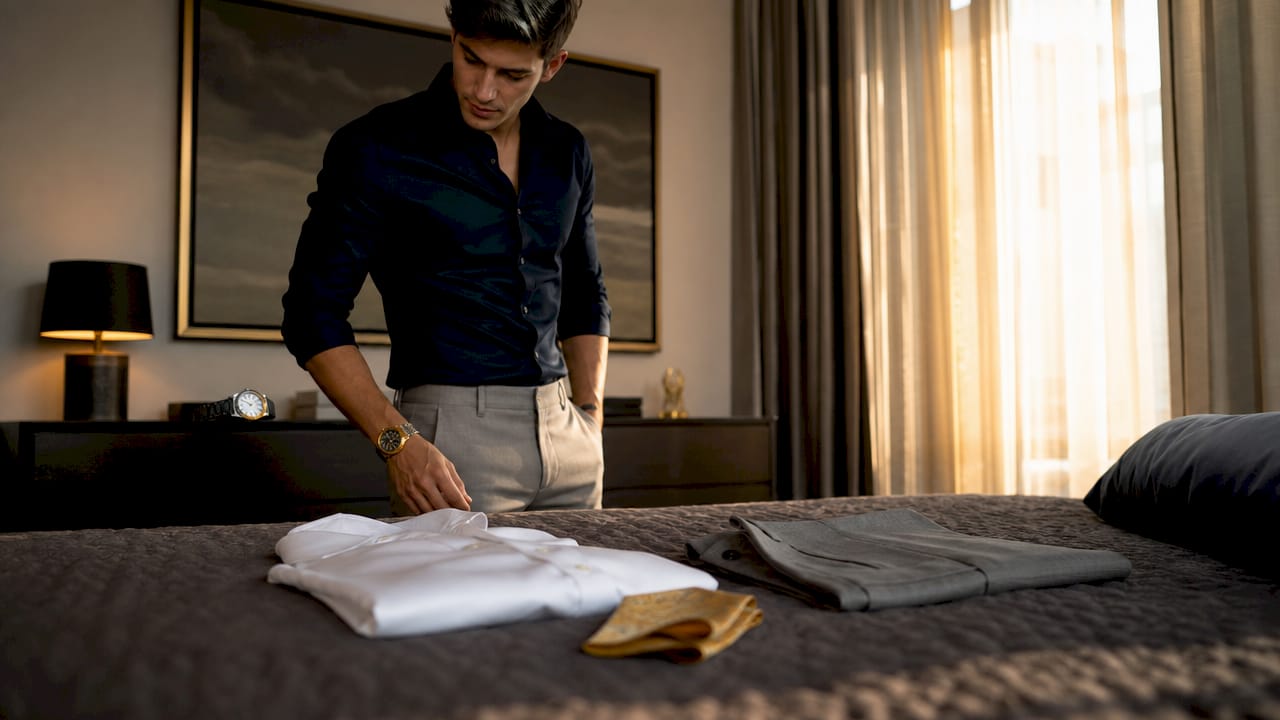
The formula works because it limits your choices before the week begins. Instead of picking an outfit from scratch each morning, you pull from a pre-approved set of pieces that already coordinate. The result is five complete outfits with almost no daily effort.
| Day | Bottom | Top | Layer | Shoes |
|---|---|---|---|---|
| Monday | Black trousers | White shirt | Blazer | Loafers |
| Tuesday | Navy trousers | Cream knit | None | Block heels |
| Wednesday | Black trousers | Striped blouse | Blazer | Loafers |
| Thursday | Navy trousers | White shirt | Cardigan | Ankle boots |
| Friday | Dark jeans | Cream knit | Blazer | Ankle boots |
- Choose 2–3 neutrals (black, navy, camel, gray) as your base colors.
- Add one accent color (burgundy, forest green, cobalt) for variety.
- Select 5 core bottoms and 5 versatile tops that all mix with each other.
- Add 2 layering pieces: one blazer and one cardigan or knit jacket.
- Use shoes and accessories to shift the mood of each outfit.
Pro Tip: Name each outfit combination. "Monday Navy" or "Friday Casual" turns a five-step decision into a one-word recall. It sounds trivial, but named formulas cut morning hesitation significantly.
2. How to build a work capsule wardrobe as your foundation
A work capsule wardrobe consists of 8–12 core pieces designed for mix-and-match ease. That small number forces quality over quantity and eliminates the paradox of choice that a packed closet creates.
The essential pieces for most office environments include:
- One structured blazer in a neutral color
- Two pairs of tailored trousers (black and navy or gray)
- Two to three versatile tops (white shirt, cream knit, one print or texture)
- One knit sweater or cardigan
- One pair of loafers or block heels
- One pair of ankle boots
- One structured bag
The key to a capsule that actually works is tailoring pieces to your job. A lawyer's capsule looks different from a creative director's. Climate matters too. A professional in Minneapolis needs heavier knits and layering options that someone in Miami does not.
Rotate capsule items seasonally rather than replacing them entirely. In september, swap linen tops for knits. In march, reverse the process. This keeps the wardrobe fresh without rebuilding it from scratch.
3. Weekend preparation: the closet calendar method
The closet calendar method preps full outfits with matching shoes and accessories on weekend evenings, reducing morning decision-making to zero. The concept is simple: Sunday evening becomes your personal styling session for the entire week.
The preparation steps work best when treated as an assembly line:
- Iron or steam every piece you plan to wear that week.
- Assemble each complete outfit: top, bottom, layer, and accessories together.
- Hang outfits in weekday order from left to right in your closet.
- Stage shoes and bags at the base of the closet or on a nearby shelf, matched to each day's outfit.
- Add a small sticky note or phone reminder for context: a client meeting on Wednesday, a casual Friday, or a cold forecast on Thursday.
This approach eliminates missing-component friction that forces re-decisions in the morning. When you reach for Monday's outfit and the belt is missing, you lose five minutes and mental energy. Staging everything together prevents that entirely.
Pro Tip: Build in one swap slot. Designate Thursday's outfit as your flexible day. If the week shifts, a last-minute meeting or a weather change, you can swap Thursday without disrupting the rest of the lineup.
4. Maintaining wardrobe readiness: the laundry schedule
Scheduling laundry to maintain a minimum of 2–3 complete work outfits at all times prevents last-minute crises and keeps your clothing schedule for work running without interruption. The goal is to wash based on timing, not shortages.
A practical laundry system for busy professionals looks like this:
- Run one load of work clothes midweek, on Wednesday or Thursday.
- Run a second load on Sunday as part of your weekend prep routine.
- Keep 2–3 complete outfits always clean and ready, separate from casual or weekend clothes.
- Treat your core capsule pieces as priority items. Wash them first, dry them carefully, and hang them immediately.
- Never let your ready-to-wear count drop below two complete outfits.
The outfit guarantee concept is the practical name for this baseline. Two complete outfits in reserve means a spilled coffee or a last-minute schedule change never becomes a wardrobe emergency. It also removes the low-level anxiety that builds when you are not sure what is clean.
5. How outfit checklists reduce decision fatigue
Decision fatigue is the mental exhaustion that comes from making too many choices in sequence. Daily outfit micro-decisions, choosing a top, then a bottom, then shoes, then a bag, drain cognitive energy before the workday even starts.
A structured checklist compresses those micro-decisions into one pre-decided formula. You make the choices once on Sunday. Every morning after that, you execute rather than decide. The mental difference is significant.
"Reducing wardrobe decision fatigue by planning outfits ahead frees up cognitive energy to focus on work and life priorities." — Outfits and Espresso
The synergy between a capsule wardrobe and a checklist method is what makes the system durable. The capsule limits the universe of choices. The checklist sequences those choices in advance. Together, they create a daily outfit routine that requires almost no active thought on weekday mornings.
Naming your outfit formulas adds one more layer of friction reduction. "Tuesday Navy Knit" is a single memory cue, not a five-step decision. Professionals who use named formulas report faster morning routines and less second-guessing throughout the day.
6. Smart casual and dress code alignment
Smart casual work outfits sit between formal business attire and casual wear. The category covers most modern offices and is the most common dress code for hybrid and in-person professional environments. Getting it right requires knowing your office's actual expectations, not a generic definition.
For smart casual, the capsule formula adapts easily. Swap tailored trousers for dark, well-fitted jeans on Fridays. Replace a blazer with a structured knit or a clean bomber jacket. Keep shoes polished and avoid athletic styles. The core mix-and-match logic stays the same.
The biggest mistake professionals make with smart casual is drifting too casual over time. A hyper-personalized styling approach anchors your choices to your actual workplace context rather than general fashion trends. Your office culture, your role, and your client-facing schedule all shape what smart casual means for you specifically.
7. Building your personal office wardrobe checklist
A complete office wardrobe checklist covers five categories: bottoms, tops, layers, shoes, and accessories. Each category needs a minimum number of pieces to support a full week without repetition.
The minimum viable checklist for a five-day workweek:
- Bottoms: 3 pairs (2 trousers, 1 skirt or dark jeans)
- Tops: 5 pieces (mix of shirts, blouses, and knits)
- Layers: 2 pieces (1 blazer, 1 cardigan or structured jacket)
- Shoes: 2 pairs (1 formal, 1 smart casual)
- Accessories: 3–5 items (belts, scarves, simple jewelry, or a watch)
This checklist is the minimum. It does not account for weather variation, client meetings, or events. Add one extra layer and one extra top for every significant climate shift or formal occasion in your calendar. The checklist works because it sets a floor, not a ceiling.
Key takeaways
A structured outfit planning checklist for the workweek, built on a capsule wardrobe and a Sunday prep routine, is the most reliable way to eliminate morning decision fatigue and dress with confidence every day.
| Point | Details |
|---|---|
| Use the 5-day formula | Build outfits from 2–3 neutrals, 5 tops, 5 bottoms, and 2 layers for a full week. |
| Build a capsule wardrobe | Keep 8–12 core pieces that all coordinate to reduce daily choices. |
| Prep outfits on Sunday | Hang full outfits in weekday order with shoes and accessories staged. |
| Maintain an outfit guarantee | Keep 2–3 complete outfits clean and ready at all times to avoid crises. |
| Name your formulas | Labeled outfit combinations cut morning hesitation and speed up your routine. |
Why the Sunday session changed everything for me
I resisted the closet calendar method for years. It felt like extra work on a weekend I wanted to protect. Then I tracked how much time I was losing each morning: an average of 15–20 minutes of standing, second-guessing, and changing. That is over an hour a week of pure friction.
The first Sunday I prepped five complete outfits in advance, I spent about 25 minutes total. Every morning that week, I was dressed and out the door in under 10 minutes. The math was obvious.
What surprised me more was the confidence shift. When you know your outfit is already decided and coordinated, you walk into the office differently. There is no background noise of "did I pick the right thing?" You made that call on Sunday. Monday morning is just execution.
The hardest part is not the system itself. The hardest part is accepting that 25 minutes of planning on Sunday is a better use of time than seven mornings of stress. Once that clicks, the habit sticks.
My recommendation: start with just three days. Plan Monday, Wednesday, and Friday outfits this Sunday. Leave Tuesday and Thursday flexible. After two weeks, you will plan all five without thinking about it.
— Ahmed
Mytenue: your AI wardrobe partner for the workweek
Planning five coordinated work outfits every week gets much easier with the right tool.
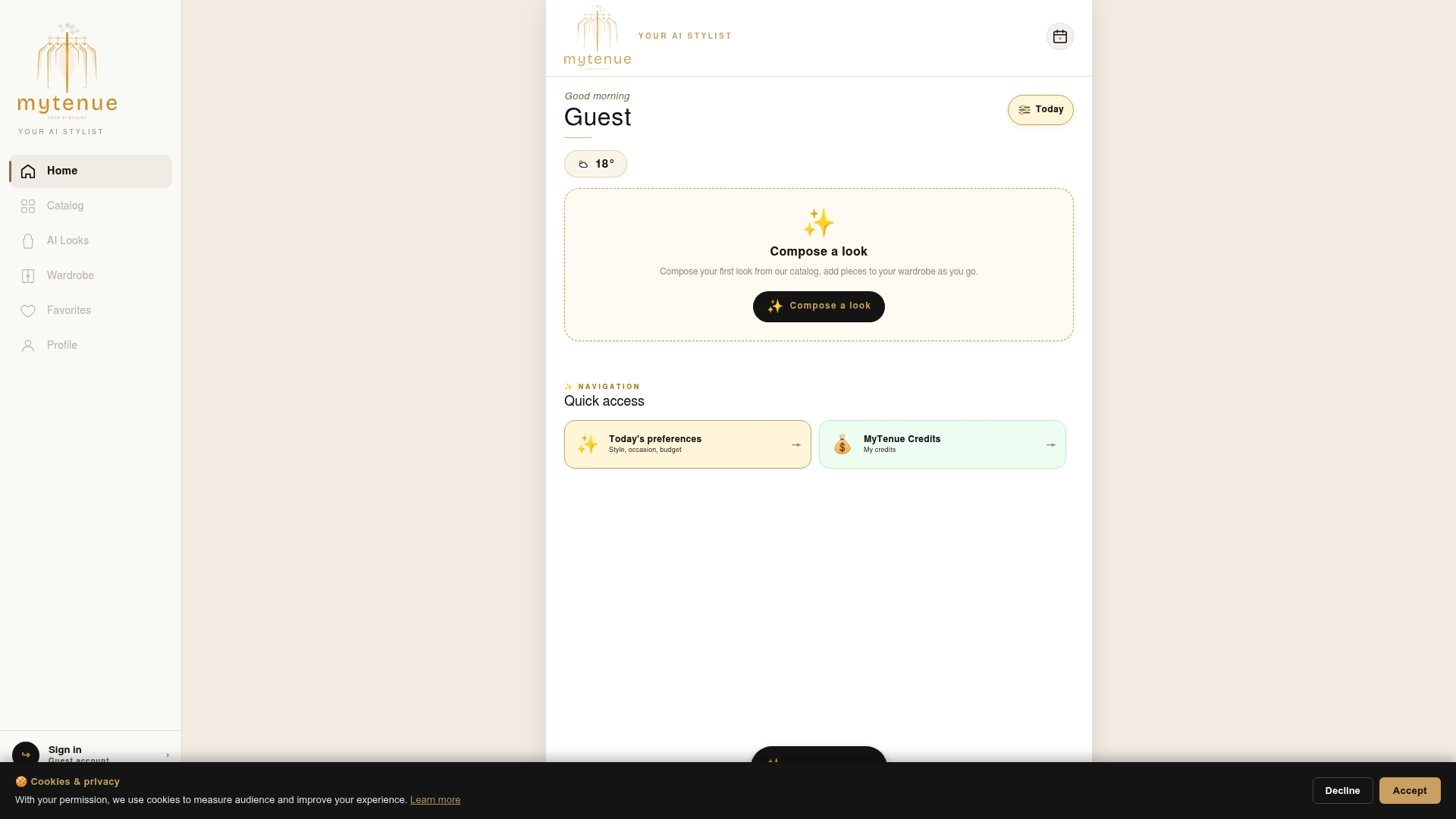
Mytenue is an AI-powered platform that builds personalized outfit combinations based on your style preferences, workplace dress code, and budget. You upload your existing wardrobe, and Mytenue suggests complete looks that mix your current pieces with new additions. The platform is built for busy professionals who want daily outfit inspiration without the daily effort. It complements every checklist method in this article by doing the coordination work for you, so your Sunday prep session takes minutes instead of half an hour.
FAQ
What is an outfit planning checklist for the workweek?
An outfit planning checklist for the workweek is a structured list covering bottoms, tops, layers, shoes, and accessories that ensures you have five complete, coordinated outfits ready before Monday. It reduces daily decision-making by organizing choices in advance.
How many pieces do I need for a work capsule wardrobe?
A work capsule wardrobe typically contains 8–12 core pieces. That number supports a full week of varied outfits through mix-and-match combinations without requiring a large closet.
What is the closet calendar method?
The closet calendar method involves assembling and hanging complete outfits in weekday order on Sunday evening, with shoes and accessories staged to match. It eliminates morning wardrobe decisions entirely.
How do I avoid running out of clean work clothes?
Schedule laundry on a fixed cycle, not when clothes run out. Maintaining a baseline of 2–3 complete ready-to-wear outfits at all times prevents last-minute wardrobe gaps and reduces stress.
Does outfit planning work for smart casual dress codes?
The 5-day formula adapts directly to smart casual environments. Swap formal trousers for dark jeans on Fridays, replace blazers with structured knits, and keep shoes polished. The mix-and-match logic stays the same regardless of formality level.