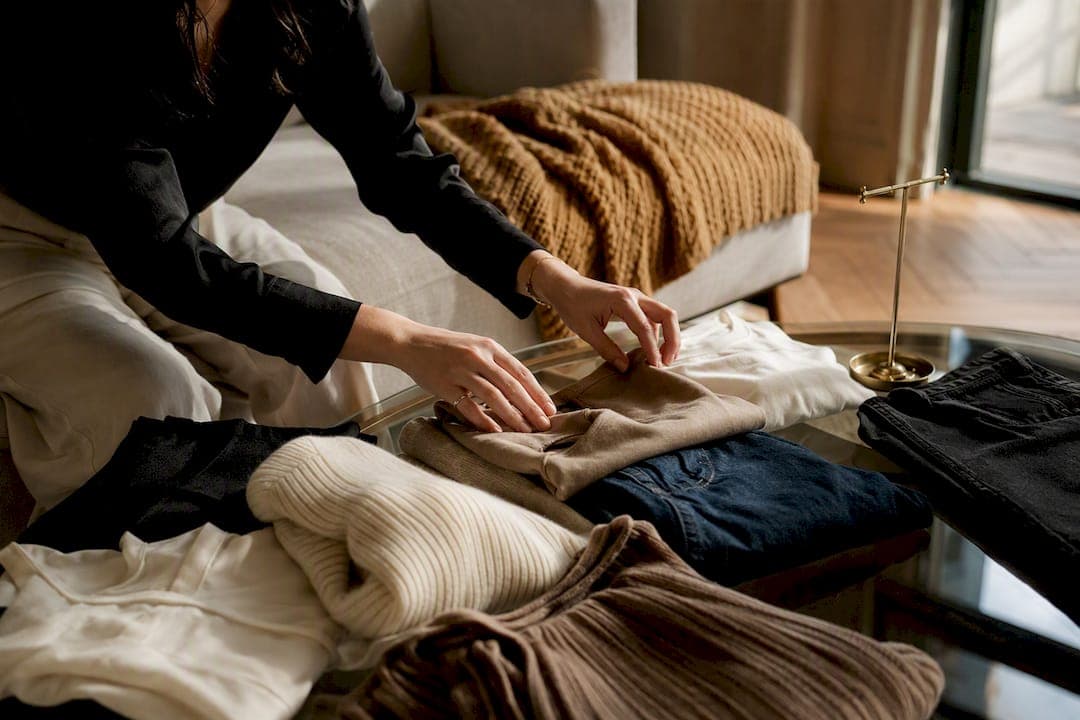
You can double the outfits you wear without buying anything new. It takes three moves: audit what you own, photograph it, and apply a handful of styling rules like layering, adding a third piece, and simple upcycling.
Here's where to start today:
- 3 minutes: Snap photos of the five outfits you wear most, then look for what they have in common.
- 30 minutes: Pull everything from one category (tops, for example) and sort into keep, repair, or donate piles.
- 2 hours: Run a full closet audit and build a visual inventory you can actually search.
If snapping and sorting photos sounds like a chore, an app like Mytenue can digitize your wardrobe in minutes and start suggesting mixes you haven't tried.
Key Takeaways
More outfits come from visibility and system, not new purchases: audit what you own, photograph it, then apply layering, third-piece, and simple upcycling techniques to multiply combinations.
| Point | Details |
|---|---|
| Time-box the audit | Set 60 to 90 minutes per category and label each piece keep, repair, donate, or store. |
| Build a visual inventory | Photograph outfits and tag by category so forgotten combinations become searchable. |
| Use the third-piece rule | Add a blazer, scarf, or vest to any two-piece outfit to change its whole identity. |
| Upcycle before you toss | Turn jeans into shorts, crop a tee, or visibly mend a hole instead of discarding it. |
| Swap what no longer fits your life | Trade pieces with friends or at a local exchange instead of letting them sit unworn. |
| Try Mytenue for speed | Digitize a 20 to 30 piece capsule to get outfit suggestions and calendar planning instantly. |
Table of Contents
- Why You Keep Wearing the Same Five Outfits
- Run a 90-Minute Closet Audit That Actually Sticks
- Build a Visual Inventory You Can Actually Search
- Try a 30-Piece Capsule to Force New Combinations
- Multiply Outfits With the Third-Piece Rule
- Small Swaps in Layers, Shoes, and Accessories Change Everything
- Upcycling Projects That Need Zero Sewing Experience
- Keep Garments Wearable Longer With Better Care
- Build a Weekly Routine So the New Combinations Stick
- What Mytenue Adds When You Want to Move Faster
- Swap Clothes Instead of Letting Them Sit Unworn
- Laundry Habits That Extend Every Garment's Life
- What the Research Actually Supports
- Try Mytenue to See Your Closet Differently
- Frequently Asked Questions
- Sources
Why You Keep Wearing the Same Five Outfits
Decision fatigue is real, and it pushes you toward the same three or four combinations every week because your brain defaults to what's easy, not what's best. Visibility makes it worse: items shoved to the back of a drawer or crammed on a rod might as well not exist.
- You have no system for combining pieces, so mixing feels like guesswork instead of a repeatable process.
- Seasonal storage buries half your wardrobe for months at a time.
- Small fit issues (a waistband that's slightly off, a hem that's too long) quietly take items out of rotation.
- Clutter hides good pieces behind bad ones.
Fixing these four problems is most of the work. The rest is styling technique.
Run a 90-Minute Closet Audit That Actually Sticks
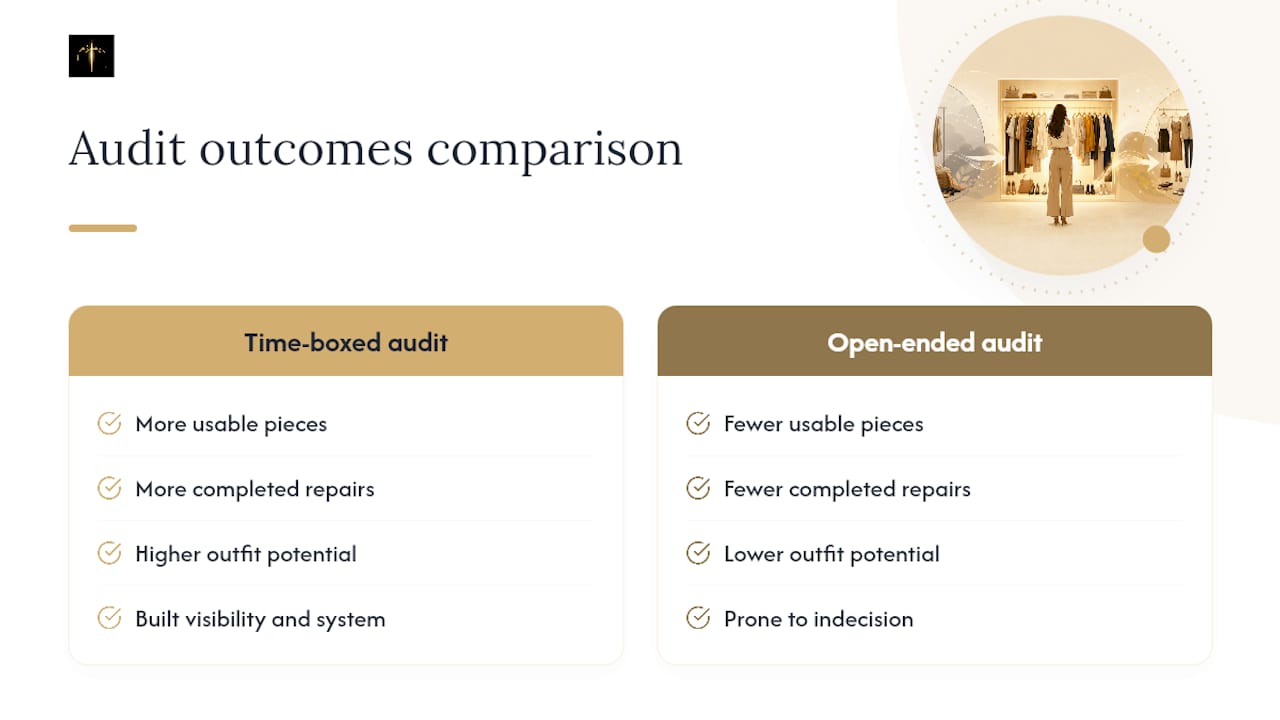
A fast, timed audit beats an open-ended one every time. People who set a clock and force a decision on each item keep more pieces and repair more of them, instead of stalling out in indecision, according to Recyclity's upcycling guide. Work category by category rather than the whole closet at once.
- Set 60 to 90 minutes and pick one category (tops, then bottoms, then layers) so you don't burn out halfway through.
- Try on anything you're unsure about. Check shoulders, waist, and length against how you actually move, not how it looked on the hanger.
- Label each piece keep, repair, donate, or store.
- Inspect for damage: stains, popped seams, pilling, stretched-out necklines.
- Sort repairs by effort. A missing button or a loose hem is a five-minute fix. A broken zipper or a fit that needs real alteration goes to a tailor.
Pro Tip: Keep a small sewing kit, a spool of clear elastic, and a button jar within reach of your closet. Most quick fixes take less time than finding your shoes.
Build a Visual Inventory You Can Actually Search
Photographing what you own turns a closet into a searchable catalog instead of a guessing game, and it surfaces combinations you forgot you owned, according to Fashionable Collections. Use natural light near a window, shoot straight on, and photograph both individual pieces and full outfits when they work.
- Tag each photo by category: top, bottom, layer, shoe, occasion, and color.
- Group photos into albums by season or by formality level.
- A phone album works fine for a small wardrobe; a dedicated tool like Mytenue works better once you're past 40 or 50 pieces, since it can suggest new mixes automatically instead of leaving you to scroll.
- Once you have 15 to 20 photographed outfits, that becomes your playbook. Pull from it on mornings when you have zero bandwidth to think.
Try a 30-Piece Capsule to Force New Combinations
A short capsule experiment works because constraint breeds creativity. Give yourself fewer options and you're forced to combine them in ways you'd never consider with a full closet to hide behind.
- Pick 20 to 30 pieces that cover your real week: work, weekend, one dressy option, layers for temperature swings.
- Set the rule: no new purchases for 30 days, and every outfit gets logged with a quick photo.
- Rotate deliberately. Don't default to the same three combinations; force yourself to try a new pairing every few days.
- Review at day 30. Which pieces did you reach for constantly? Which ones never left the hanger? That's your signal for what to repair, donate, or promote into a permanent core.
If the experiment reveals a genuinely strong 25-piece rotation, keep it as your everyday baseline and treat everything else as backup.
Multiply Outfits With the Third-Piece Rule
Most outfits stall at two pieces: a top and a bottom. Adding a third transforms the whole look, and it's the fastest styling trick in this entire list, per the outfit-building strategies from Fashionable Collections.
- Throw a blazer over a t-shirt and jeans, and it reads as put-together instead of casual.
- A scarf adds color and texture without touching the outfit underneath.
- A vest layered over a button-down changes the silhouette completely.
- Tuck a shirt that's normally worn loose, then belt it. Same shirt, different outfit.
- Cuff wide-leg pants to show off shoes you never get to feature.
- Mix one pattern with one solid, or one rough texture (denim, tweed) with one smooth one (silk, satin), and keep the third element neutral so nothing competes.
Small Swaps in Layers, Shoes, and Accessories Change Everything
Layering order matters more than most people realize. Fitted pieces go closest to your body, looser ones on top, so proportions stay balanced instead of bulky.
- Swap sneakers for loafers and the exact same outfit shifts from weekend to work-appropriate.
- A belt does double duty: it defines your waist and signals more effort than the outfit actually took.
- Pick one statement accessory per outfit, then keep metals and tones consistent so nothing fights for attention.
- In cooler months, wear a summer dress under a sweater with tights and boots. In warmer months, that same dress goes solo. One item, two seasons.
Upcycling Projects That Need Zero Sewing Experience
Upcycling extends the life of a garment and cuts down on textile waste and the water it takes to produce something new, according to Oxfam's upcycling guide. None of the projects below require a sewing machine or prior experience.
- Jeans into shorts. Cut along the inseam, hem or leave raw for a distressed look.
- Crop a t-shirt. Fold up the hem and cut a straight line, or scissor-hem for a rougher edge.
- Turn a dress into a skirt. Cut below the waist, hem the raw edge.
- Visible mending. A contrasting thread over a hole or worn patch turns a flaw into a design detail, an approach Oxfam frames as intentional rather than a last resort.
- Retire a shirt to household use. Old cotton tees make effective cleaning cloths, and denim holds up well as an abrasive scrubber, according to The Spruce.
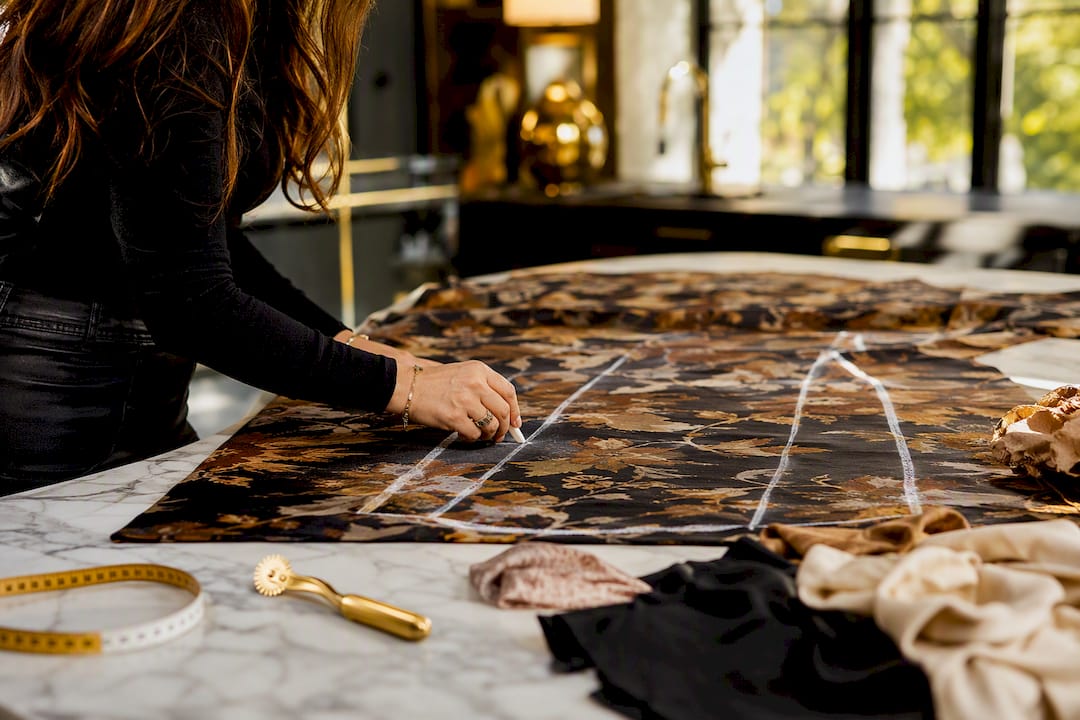
Keep fabric scissors, a seam ripper, needle and thread, and fabric chalk on hand. For anything involving a full re-fit (taking in a jacket at the shoulders, re-cutting a coat), send it to a tailor. Small local alterations typically run in the range of a basic hem to a more involved re-fit, so it's worth asking for a quote before you commit to a DIY version.
Pro Tip: Trace your best-fitting garment as a pattern before cutting into anything new, and leave a one to two centimeter seam allowance. That single habit is the difference between a refashion that fits and one that doesn't.
Keep Garments Wearable Longer With Better Care
Most wardrobe damage isn't from wear, it's from washing and storage mistakes. Cold water and air drying preserve elastic and color far better than high heat, and hand washing is worth the extra five minutes for anything delicate or structured.
- Remove pills with a fabric shaver rather than tossing a sweater that still has life in it.
- Replace stretched-out waistband elastic yourself; it's a 15-minute fix with the right elastic width.
- Store knits folded, not hung, so shoulders don't stretch out of shape.
- Cedar blocks or lavender sachets in storage bins deter moths without chemicals.
Every one of these habits delays the moment you'd otherwise replace something, which is the whole point of sustainable fashion practices built around care instead of turnover.
Build a Weekly Routine So the New Combinations Stick
A one-time audit fades fast if you don't build a routine around it. A weekly outfit calendar, even a rough one sketched in five minutes on Sunday, keeps you reaching for combinations you'd otherwise forget by Wednesday.
- Plan five to seven outfits at the start of each week using your photographed playbook.
- Run a 3×3 micro-challenge: three tops, three bottoms, nine possible combinations. Wear a different one each day and notice which pairings surprise you, a technique detailed by Fashionable Collections.
- Log what worked with a quick photo and a one-line note, then retire pieces slowly instead of all at once.
- Track your win by counting new combinations created that week, not by how much you spent avoiding boredom.
What Mytenue Adds When You Want to Move Faster
Every step above works with a phone camera and a notes app. Mytenue just does it faster once your wardrobe passes the point where scrolling through albums gets tedious.
- Digitize your wardrobe by photographing each piece once; the app builds your inventory automatically.
- Get outfit suggestions that apply the same layering and third-piece logic covered above, generated from what you actually own.
- Plan a full week with the built-in calendar instead of sketching one out manually.
- Use the bilingual French and English interface if you're switching between languages day to day.
A typical workflow: digitize 30 pieces, review the outfit suggestions the app generates, then schedule a week's worth in the calendar. Ahmed's breakdown of outfit stretching strategy covers the styling logic behind this in more depth, and you can always fall back to the phone-and-notes version if that's your preference.
Swap Clothes Instead of Letting Them Sit Unworn
A clothing swap solves a problem the audit alone can't: pieces that fit fine and show no damage but simply don't work for your life anymore. Trading them for something new to you, at zero cost, is one of the most efficient forms of sustainable fashion available.
Start small. Invite four or five friends whose sizes overlap with yours and set a simple rule: everyone brings five to ten items in good condition, and everyone leaves with the same number they brought. Lay everything out by category (tops, bottoms, outerwear) so people aren't digging through a pile.
For a bigger swap, look for community clothing exchanges at local libraries, community centers, or through neighborhood groups online. Some operate on a token system: one item in earns one token, and tokens can be spent on anything else at the swap. That structure keeps things fair when contributions vary in quality.
A few ground rules make swaps run smoother:
- Only bring items that are clean and free of visible damage. A swap isn't a donation bin.
- Set a firm end time and donate whatever's left unclaimed, so nothing sits around creating more clutter than you started with.
- Photograph anything you're on the fence about before the swap, using the same visual inventory habit from earlier. If you can picture three outfits with it, keep it. If you can't, it's swap material.
Swapping does the opposite of shopping: it adds variety to your closet while removing pieces that were quietly taking up space. It's also a fast way to test styles you're curious about without spending anything.
Laundry Habits That Extend Every Garment's Life
The washing machine causes more wardrobe damage than daily wear does. Heat, agitation, and the wrong detergent break down fibers, fade color, and stretch out shape long before a garment is actually worn out.
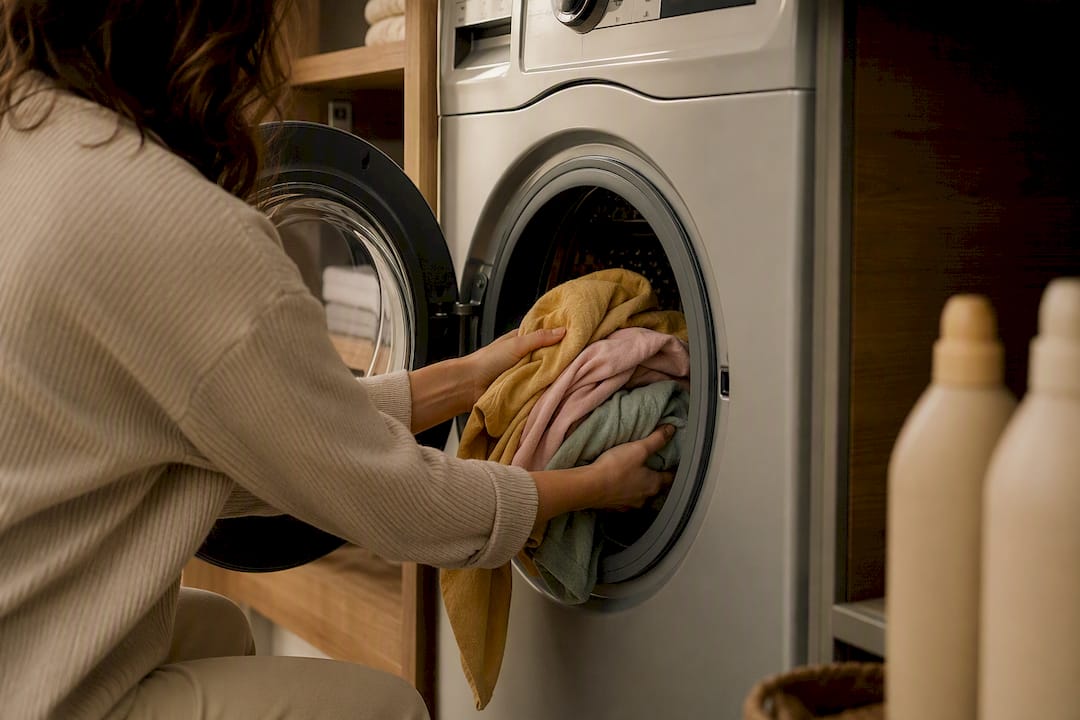
Cold water is the default for almost everything except heavily soiled whites. It saves color, saves elastic, and saves energy. Turn dark items and anything printed inside out before washing to reduce fading and surface abrasion from other items in the load. Zip up zippers and fasten hooks so they don't snag delicate fabric during the cycle.
Skip the dryer for knits, anything with elastic, and structured pieces like blazers. Heat is what breaks down elastane over time, which is why waistbands and sports bras lose their stretch faster than anything else in a wardrobe. Lay knits flat to dry so they don't stretch under their own wet weight, and hang structured pieces on a padded hanger instead of a wire one.
A few smaller habits add up over a year of washing:
- Wash denim inside out and less often; frequent washing fades color and breaks down the fibers faster than wear does.
- Use a mesh laundry bag for anything with delicate trim, sequins, or lace to prevent snagging.
- Skip fabric softener on activewear and towels; it coats fibers and reduces moisture-wicking and absorbency over time.
- Air out worn items between wears instead of washing after every use. Most garments don't need a wash after one wear unless they're visibly dirty or you've sweated heavily.
None of this is complicated, but it's the difference between a sweater that lasts three years and one that's stretched out and pilled by month six.
What the Research Actually Supports
The conventional advice on wardrobe variety leans too hard on buying "the right basics." That's backward. The data here points somewhere else: the biggest gains come from visibility and system, not acquisition. A time-boxed audit produces more usable pieces and more completed repairs than an open-ended one, because indecision, not lack of options, is what kills a wardrobe's potential.
The other place conventional advice falls short is treating styling and upcycling as separate categories. They're not. A visible mend on a shirt and a third-piece layering trick solve the same underlying problem: they make a piece feel new without a purchase. If you only have time for one thing this week, skip the shopping impulse and do the audit first. Everything else, the photos, the capsule, the upcycling projects, only works once you actually know what you own and where it lives.
Try Mytenue to See Your Closet Differently
Every technique above works with a phone camera and patience. Mytenue just removes the patience requirement. Instead of manually photographing, tagging, and cross-referencing outfits, you digitize your wardrobe once and let the app generate outfit suggestions built on the same layering and third-piece logic covered in this article.
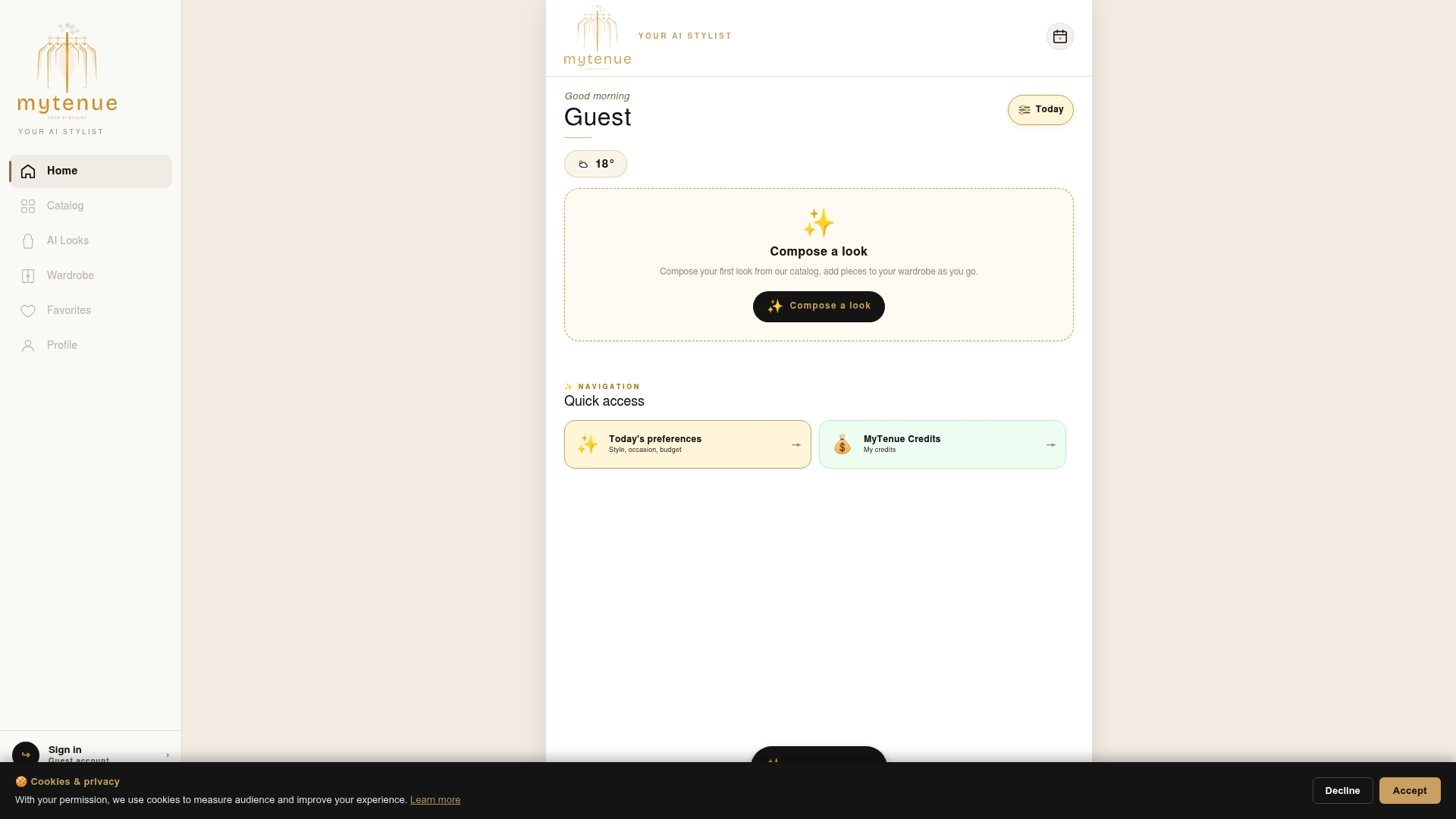
Getting started takes about the same time as the "30 minutes" step from the top of this article. Visit Mytenue, photograph a capsule of 20 to 30 pieces, and let the app suggest combinations you probably haven't tried. The interface runs in both French and English, so switching between them isn't a barrier. If the free features cover what you need, great. If you want the full calendar and virtual try-on, that's there when you're ready for it.
Frequently Asked Questions
What are the fastest ways to maximize existing clothing without shopping? Start with a timed closet audit, then photograph your best outfits, then apply the third-piece rule (adding a blazer, scarf, or vest) to existing pairings. Those three moves alone typically double the number of outfits you can build.
How do I know if an item is worth repairing or upcycling? Check for damage first: a missing button or loose hem is a five-minute fix worth keeping. Structural damage like a broken zipper or stretched fabric usually means upcycling into something else, like turning jeans into shorts, makes more sense than repair.
What's the difference between a capsule wardrobe and the 3×3 challenge? A capsule experiment runs for 30 days with 20 to 30 pieces and no new purchases, testing your whole rotation. The 3×3 challenge is smaller and faster: three tops and three bottoms worn in nine different combinations over roughly a week or two.
Can an app really help with wardrobe variety, or is it just for shopping? A tool like Mytenue focuses on outfit generation from what you already own, not on pushing new purchases. It digitizes your existing wardrobe and suggests mixes, which speeds up the same audit-and-combine process you'd otherwise do manually.
Sources
- 12 upcycling clothes ideas (Oxfam)
- Ways to reuse old clothes at home (The Spruce)
- How to Upcycle Old Clothes | 5 Easy Steps (2026)
- How to Create Outfits From Clothes You Already Own (Fashionable Collections)