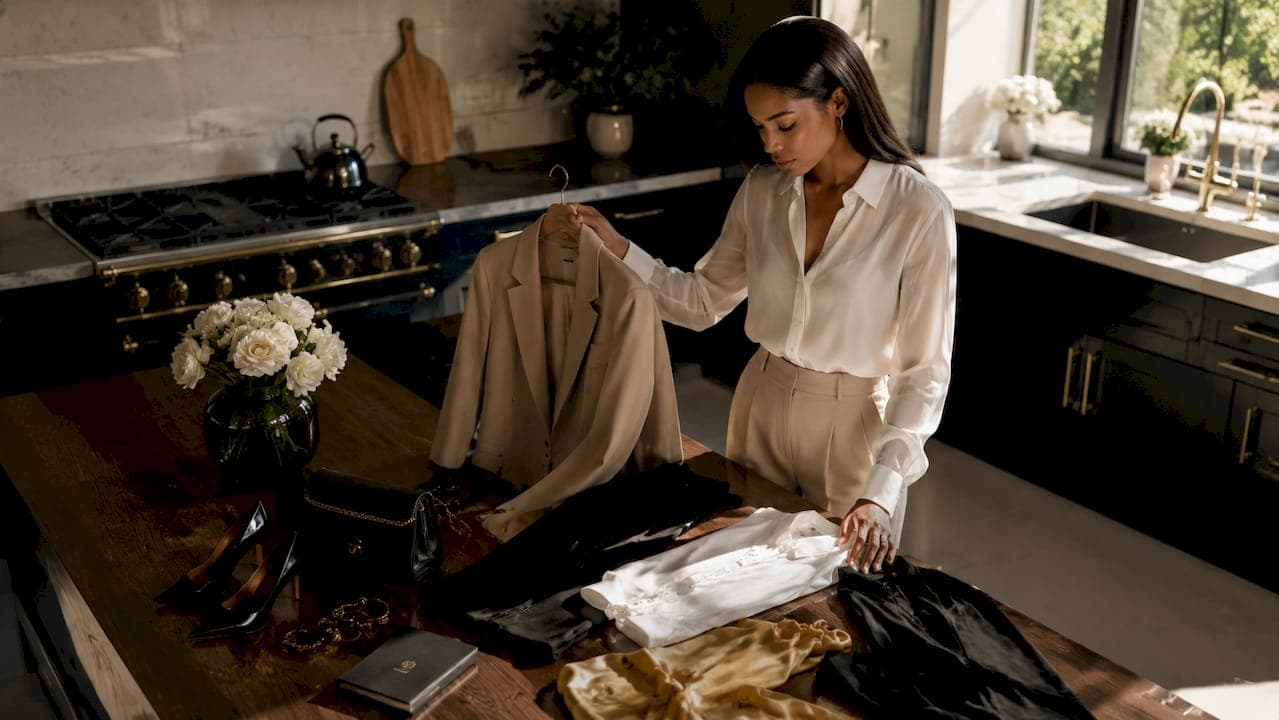
An outfit stretching strategy is a systematic approach to getting more looks from fewer clothes. It works on two levels: using repeatable outfit formulas of 3 to 5 pieces where you rotate only one key item per look, and physically adapting garments to fit your body as it changes. The result? Less decision fatigue, more confidence, and a wardrobe that actually works for you every day.
Here is what the strategy covers:
- Outfit formulas: A fixed structure (base top + bottom + third piece + shoe) where swapping one slot creates a fresh look without rebuilding the whole outfit
- Wardrobe planning: A coordinated color palette and a core set of versatile anchor pieces
- Physical garment stretching: Soaking and gently pulling natural fiber garments to accommodate body size changes
- Mindful selection: Choosing pieces that pass the five-outfit rule before they earn a place in your closet
- Accessory strategy: Using linking accessories to connect disparate pieces and multiply outfit combinations
How to plan and coordinate your wardrobe for outfit stretching
A well-planned wardrobe is the engine behind any effective wardrobe optimization strategy. Without it, even the best outfit formulas fall apart.
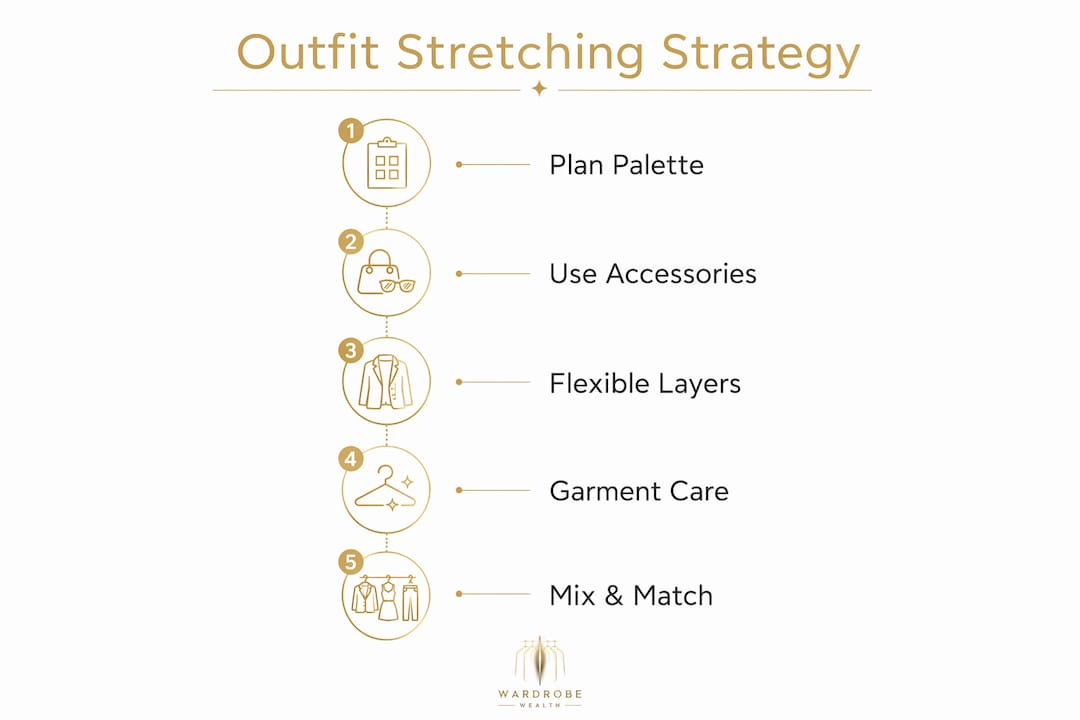
Start with your color palette. A limited, coherent color palette dramatically simplifies matching and multiplies your perceived outfit variety. Professional stylists use a technique called "Color Columns," building head-to-toe neutral bases in one color, then updating the look by swapping a single accent layer. It keeps things polished without requiring a full outfit rethink.
Build around anchor pieces. Your wardrobe needs a small set of genuinely versatile items that work across multiple formulas. Think straight-leg trousers, a fitted knit, a structured blazer, and clean white sneakers. These are not boring basics. They are the pieces that make everything else work.
Here is how to put the planning into practice:
- Edit your closet down to two main bottom silhouettes you actually wear weekly.
- Confirm that at least three tops pair with both bottoms.
- Add two third pieces (a blazer, a cardigan, an overshirt) that shift the formality level.
- Apply the five-outfit rule before buying anything new: if you cannot name five outfits using only what you already own, leave it in the store.
- Organize your closet by color column so combinations are visible at a glance.
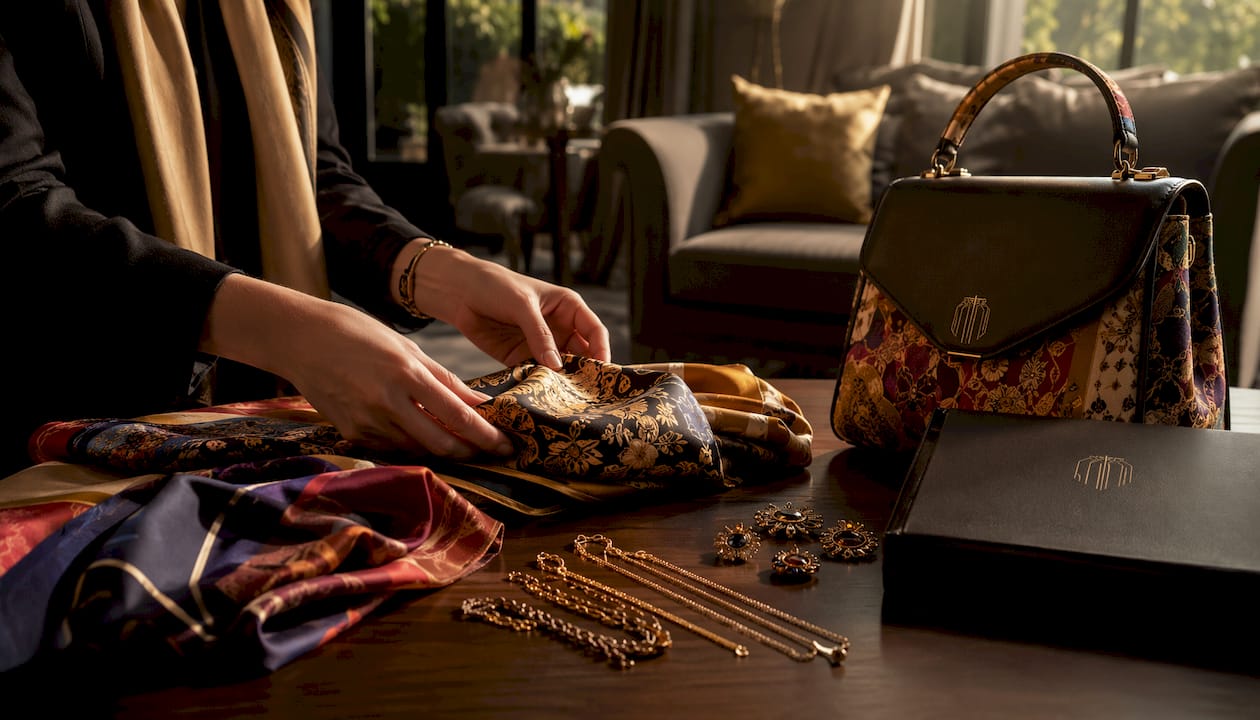
Accessories do the heavy lifting. Scarves, necklaces, and patterned jackets that
make a small wardrobe feel expansive. A scarf that picks up both your green top and your burgundy trousers turns an unlikely pairing into a cohesive look.Pro Tip: On rushed mornings, change only one slot. Same outfit, different shoe. Same outfit, different jacket. That single swap is enough to feel intentional without the mental load of starting over.
Finally, give yourself grace during body changes. Your wardrobe strategy should flex with you, not against you. Rigid attachment to a single size creates stress; a stretching strategy is designed to move.
Adapting your clothes to fit body size changes
Body size fluctuates. A good outfit flexibility strategy accounts for that without requiring a full wardrobe replacement every time.
Physical garment stretching for natural fibers:
- Soak the garment in lukewarm water mixed with fabric conditioner for a period sufficient to relax the fibers
- Lay it flat on a towel while still damp, then gently pull in the direction you need more room
- Work slowly. Aggressive tugging distorts the shape and can snap fibers permanently
- Air dry flat, away from direct sunlight, to hold the new dimensions
Cotton, wool, and knit materials respond well to this method. Synthetic blends are far less cooperative, so natural fibers stretch best for anyone managing size fluctuations.
Body-area tips that actually help:
- Bust: Choose tops with a slight stretch or wrap construction. A V-neck or surplice neckline accommodates size changes without looking strained.
- Waist: Loose layers worn over the midsection, like an open blazer or an untucked overshirt, create visual ease without adding bulk.
- Hips: Stretchy fabrics (jersey, ponte, stretch denim) around the hip area improve both fit and comfort during fluctuations. Avoid stiff wovens in this zone when your size is in transition.
- Overall fit: Tailoring a single seam costs far less than replacing a garment. A tailor can let out a back seam or add a gusset to a waistband for minimal cost and maximum wearability.
Pro Tip: Steam is your friend. A handheld garment steamer relaxes fibers gently and makes targeted stretching easier, especially on delicate fabrics like silk or fine wool.
Embrace the mental side of this, too. Body changes are normal. Dressing well during a transition is not about hiding. It is about choosing pieces that feel good right now, not pieces that fit a version of you from two years ago.

Outfit formulas that show the strategy in action
An outfit formula is a repeatable 3-to-5-piece structure where the silhouette stays constant and one slot rotates to create variety. The formula is the structure; the pieces are interchangeable.
The industry's go-to "fashion math" frames it as: one statement piece, one grounding neutral, and one intentional styling moment. The statement does the talking, the neutral keeps things clean, and the styling detail (a tucked hem, a cinched belt, an unexpected shoe) makes the look feel considered rather than accidental.
| Slot | Casual | Workwear | Evening |
|---|---|---|---|
| Base top | White tee | Fitted knit | Silk cami |
| Bottom | Straight jeans | Tailored trousers | Midi skirt |
| Third piece | Denim jacket | Structured blazer | Wrap cardigan |
| Shoe | Clean sneaker | Loafer | Ankle boot |
| Styling moment | Rolled sleeves | Belt at waist | Statement earring |
Rotating the third piece changes the vibe more than almost any other swap. A blazer reads as workwear; swap it for a denim jacket and the same base outfit becomes weekend-ready. Shoes shift the message fast too: a loafer says classic, a sneaker says energetic, a boot says intentional.
- Keep one "non-negotiable style signal" consistent across your formulas (always a clean sneaker, always a tucked silhouette) so your looks feel cohesive even when pieces change
- Balance one structured item with one relaxed piece in every formula for visual appeal
- Use the seven-point visual weight system as a gut check: assign mental weight to each piece and aim for a balanced total, not too sparse, not too chaotic
For occasion-ready outfit ideas built around these formulas, Mytenue's AI stylist can generate personalized combinations based on your existing pieces, your calendar, and your style preferences.
How to keep your clothes in good shape during frequent adjustments
Frequent stretching, layering, and size adjustments put real wear on fabric. A few habits protect your investment.
- Wash cold, always. Hot water causes natural fibers to contract. Cold water with a gentle detergent preserves both fit and color.
- Air dry flat. Hanging a damp knit stretches it unevenly. Laying it flat keeps the shape you worked to create.
- Check care labels before stretching. Some structured garments (interlined blazers, stiff wovens) cannot be soaked without damage. The label tells you what the fabric can handle.
- Store knits folded, not hung. Hanging causes shoulder distortion over time, especially in heavier fabrics like wool or cashmere.
- Steam between wears. A quick pass with a steamer refreshes fabric, removes light wrinkles, and extends the time between washes, which reduces fiber stress overall.
Treat your clothes like the investment they are. A well-maintained piece lasts years longer than one that gets tossed in a hot dryer after every wear.
Budget-friendly ways to stretch your wardrobe further
You do not need a new wardrobe to dress well. You need a smarter approach to the one you have.
The most cost-effective move is applying the five-outfit rule in reverse: pull out pieces you have stopped wearing and force yourself to build five outfits around each one. Some will surprise you. The ones that cannot clear five combinations are the ones to donate, not the ones to keep out of guilt. For a full outfit stretching checklist built around tight budgets, Mytenue's blog breaks it down step by step.
When you do buy, invest in quality third pieces rather than trendy tops. A well-made blazer or a quality cardigan multiplies every formula it touches. Trendy tops date quickly and rarely pair with more than a handful of items. For more on dressing well for less, the principle is consistent: fewer, better pieces outperform a closet full of cheap options every time.
Thrift stores and clothing swaps are genuinely underused for building anchor pieces. A structured blazer from a thrift store costs a fraction of retail and performs identically in a formula.
How to mix and match what you already own
The fastest way to find new outfits is to look at your existing wardrobe through the lens of minimalist outfit building: fewer categories, more combinations per item.
Start by grouping your pieces by color column rather than by type. All your navy items together, all your camel items together. Suddenly, combinations you never considered become obvious. A navy shell you always wore under a navy blazer might work just as well under a camel trench.
Then use linking accessories to bridge color combinations that seem unlikely. A scarf or a patterned necklace that picks up two colors from different garments makes the pairing look intentional. This is the technique that makes a small wardrobe feel like a large one. Pair it with Mytenue's AI-driven outfit suggestions to surface combinations you would never have spotted on your own.
Key Takeaways
An outfit stretching strategy works because it replaces daily reinvention with a repeatable structure, freeing mental energy while keeping your style consistent and adaptable.
| Point | Details |
|---|---|
| Use a 3-to-5-piece formula | Rotate only one slot per look to create variety without decision fatigue. |
| Soak natural fibers to stretch | Lukewarm water with fabric conditioner soaks relax fibers for gentle resizing. |
| Apply the five-outfit rule | Any piece that cannot anchor five distinct looks is a wardrobe liability, not an asset. |
| Color columns multiply combinations | Coordinating head-to-toe neutrals with a swappable accent layer extends outfit variety fast. |
| Linking accessories unify disparate pieces | Scarves or patterned necklaces that share colors across garments make small wardrobes feel expansive. |