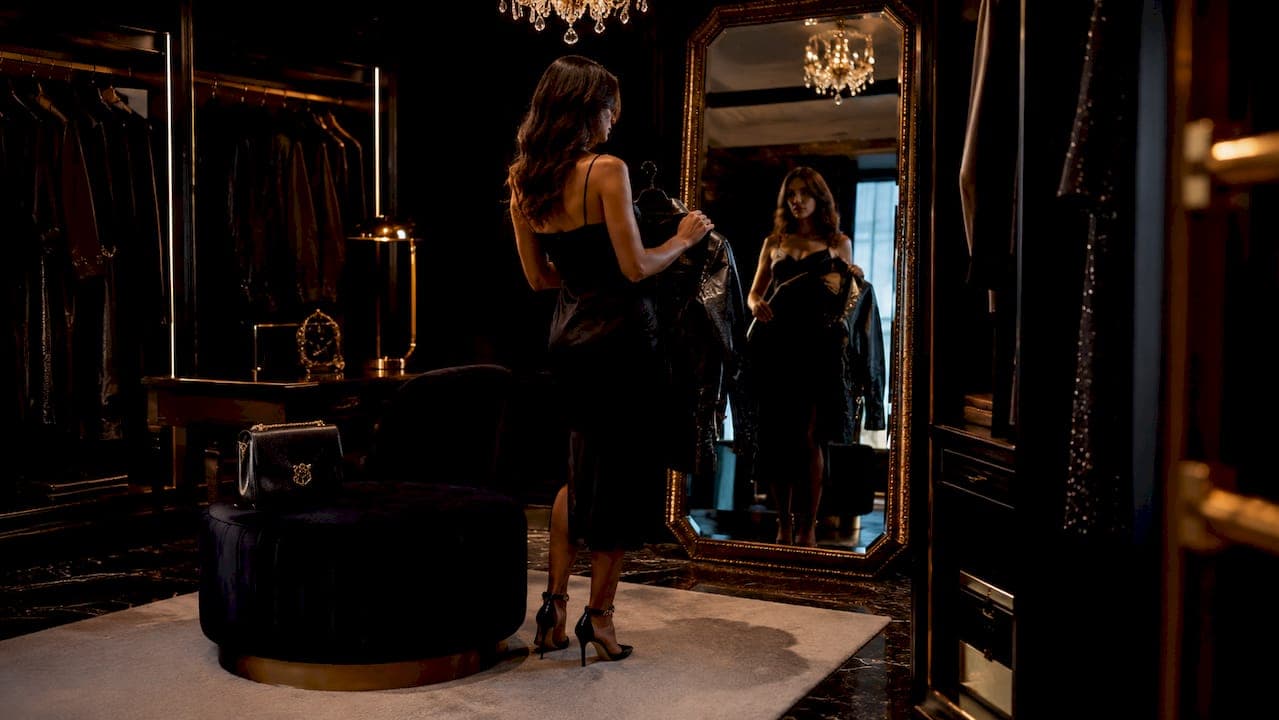
Real examples of one-item wardrobe transformations you can try today
A single white button-down shirt can generate 3 to 7 distinct outfits through nothing more than tucking, layering, and swapping accessories. That is the core promise of one-item wardrobe transformation: you do not need more clothes. You need more creativity with what you already own.
Here is what that looks like in practice, using one versatile shirt as the anchor:
- Casual: Tucked loosely into blue denim jeans, sleeves rolled, finished with white sneakers and a tote bag.
- Semi-formal: Buttoned to the top, paired with a midi skirt and loafers, with a removable tie knotted at the collar.
- Layered and polished: Worn under a v-neck wool vest, with tailored trousers and ankle boots.
- Evening-ready: Used as a second layer over a fitted top, with gray trousers and low-heeled shoes.
- Playful and unexpected: Tucked into a statement skirt, oversized blazer on top, bow earrings to finish.
The same logic applies to a dress. Style it with clean sneakers and a denim jacket for brunch. Swap in strappy heels, a structured bag, and minimal jewelry, and the same dress steps into semi-formal territory without a single new purchase.

How to audit your wardrobe so one item can do more
A wardrobe audit is not about decluttering for its own sake. It is about identifying which pieces have real transformation potential and which ones are quietly blocking your creativity.
Step-by-step audit process:
- Pull everything out of your closet and lay it flat. You cannot evaluate what you cannot see.
- Try each item on. Check fit, condition, and whether it still reflects how you want to dress.
- Sort into three piles: keep, alter, and release. "Release" means donate, sell, or recycle.
- From your "keep" pile, identify your top five most versatile pieces. These are your transformation candidates.
- Test each candidate against at least three other items in your wardrobe. If it cannot build three distinct outfits, it may not belong in your core rotation.
Once you have your core pieces identified, evaluate each one against these criteria:
- Seasonless: Can you wear it in both fall and spring with minor layering adjustments?
- Neutral or versatile color: Does it pair with at least four other items you own?
- Mix-and-match potential: Can it work as a top, a layer, or a statement piece depending on styling?
- Good condition and fit: Is it worth building outfits around, or does it need tailoring first?
Ruthless editing sounds harsh, but it is actually freeing. When your closet holds only pieces with real potential, building a capsule wardrobe becomes far less overwhelming. The goal is a curated selection where every item earns its place.
Alteration and repurposing tricks that multiply one item's potential
Physical transformation is often the fastest route to a fresh look. You do not need to buy anything new. You need to see what your existing pieces can become.
Common alterations worth trying:
- Shorten a hem to convert a maxi dress into a midi, or a midi into a mini.
- Change a neckline by wearing a dress backward. A scoop neck becomes a V-neck instantly.
- Add or remove a removable collar or tie to shift a shirt from casual to polished.
- Take in side seams on a boxy top to create a more tailored silhouette.
- Crop a long blazer by folding and tacking the hem for a modern, shorter cut.
Repurposing ideas that actually work:
- Wrap a silk scarf around your waist as a belt, or tie it as a halter top.
- Wear an oversized button-down as a light jacket over a fitted tee.
- Layer a slip dress over a fitted turtleneck for a completely different look.
- Use a wide-leg trouser as the base for both a casual and a business-ready outfit by changing only the top and shoes.
Turning a dress backward to change its neckline shape, or adding and removing ties and collars, yields high style returns without spending anything. These small moves extend a single item's life dramatically.
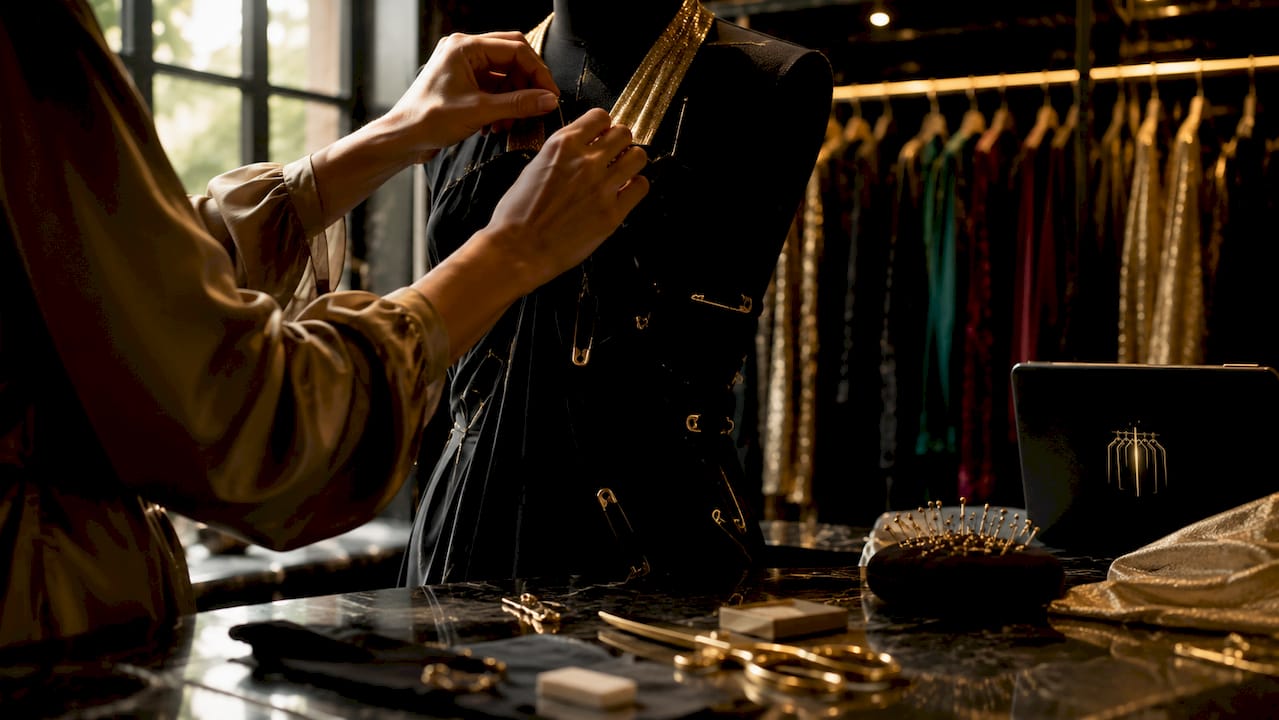
Pro Tip: Before paying for a professional alteration, test the change with safety pins or fabric tape. If you love the result, then invest in having it done properly.
Creative styling challenges that push one item further
The most effective way to break out of a style rut is to give yourself a constraint. Challenges and rules force creativity in a way that an open closet never does.
The 3x3x3 formula is one of the most practical frameworks available. Using just 9 core pieces (3 tops, 3 bottoms, 3 pairs of shoes), you can build 9 or more complete outfits. The math gets interesting fast: shoes alone change the tone of an outfit without touching anything else.
Here is how to apply a one-item challenge using this framework:
- Choose one hero item (a shirt, a dress, a blazer).
- Pair it with three different bottoms from your existing wardrobe.
- For each pairing, change only the shoes. Notice how the entire vibe shifts.
- Now add one layer (a cardigan, a blazer, a scarf) to each combination. You have just doubled your outfit count.
- Finally, swap accessories. A belt, a bag, or a statement earring can push a casual look into semi-formal territory.
The layering principle is where most people leave potential on the table. A basic shirt worn alone reads as casual. Layered under a sweater or blazer, or used as an outer layer over a fitted top, it creates a completely different vibe each time.
The mindset shift here is real. Quantity is not the goal. Creativity is.
What style experts say about one-item transformations
The most polished wardrobes are rarely the largest ones. Style authority consistently points in the same direction: a hero piece, a neutral palette, and one deliberate contrast.
Elevated style comes from a unified neutral palette working around a single hero item, not from accumulating more pieces. When every supporting item defers to the hero without disappearing, the result reads as considered luxury regardless of what any individual piece cost.
The "one contrast" formula is particularly worth understanding:
- Hero + neutral foundation: The statement piece does the work; everything else recedes. Works from a gallery opening to a casual lunch.
- Hero + tonal layers: A monochromatic look built around the hero, using depth and texture rather than contrast. Feels intentional and considered.
- Hero + deliberate contrast: One unexpected element (a sharp tailored piece against something relaxed, a fine fabric against something heavy) produces the most memorable outfits.
Introducing a single unexpected contrast layer prevents an outfit from looking accidental. It is the difference between "I threw this on" and "I meant this."
The sustainable dimension matters too. Olga Gintchin, a Highlands Ranch resident, wore the same dark-gray wool dress for 100 days from mid-january through the end of april 2026, styling it daily with cardigans, scarves, belts, leggings, and layered blouses. By the end, she had built a full capsule wardrobe of roughly 10 pieces. The anxiety about repeating an outfit faded quickly. The confidence in her own creativity grew.
Mytenue's AI-powered platform is built around exactly this principle: personalized outfit recommendations that help you mix and match existing pieces with intention, reducing decision fatigue while promoting a more sustainable approach to style.
How to build a capsule wardrobe foundation from what you already own
A capsule wardrobe is not a shopping list. It is a selection of pieces you already have, curated to work together with maximum efficiency.
Step-by-step foundation building:
- Start with your audit results. Your top five versatile pieces are your anchors.
- Identify gaps by category, not by trend. Do you have a layer that works for both casual and formal? A shoe that bridges both?
- Choose pieces that are seasonless first. A well-fitting blazer, a neutral trouser, a classic knit work across most months with minor adjustments.
- Test combinations before committing. Lay out three complete outfits using only what you own. If you cannot build three, you have a real gap.
Foundational wardrobe categories to cover:
- Tops: 2–3 neutral shirts or blouses that pair with everything
- Bottoms: One pair of well-fitting jeans, one tailored trouser or skirt in a neutral tone
- Layers: A blazer or structured cardigan that works across casual and formal contexts
- Shoes: Two pairs covering casual and polished needs
- Accessories: A belt, a scarf, and one bag that shifts the look without adding bulk
The 10-item wardrobe concept proves that a tight, well-chosen selection consistently outperforms a crowded closet. The key question for any new piece: does it work with at least three items you already own? If not, it does not belong in the foundation.
Pro Tip: Give yourself one week to rotate only your core pieces. Note which combinations feel forced and which spark confidence. That feedback is more useful than any shopping guide.
Step-by-step transformations for jeans, jackets, and dresses
Jeans
Jeans are the most forgiving transformation base in any wardrobe. Start with a classic straight-leg or slim-fit pair in a neutral wash.
- Casual: Pair with a tucked-in tee and white sneakers. Roll the cuffs once for a cleaner line.
- Semi-formal: Add a silk blouse tucked in at the front only, with loafers and a structured bag.
- Evening: Swap the sneakers for heeled boots, add a blazer, and choose a fitted top with subtle detail.
- Layered: Wear under a longline cardigan or oversized shirt-jacket for a relaxed but intentional look.
Jackets
A tailored blazer or structured jacket is one of the highest-return pieces in any closet. Strategic layering with a structured piece over casual staples creates looks that feel polished regardless of what is underneath.
- Over a fitted tee and jeans: instantly business-casual.
- Over a slip dress: adds structure to something soft and feminine.
- Worn as a top with wide-leg trousers: a fashion-forward move that requires nothing new.
- Belted at the waist over a knit: transforms outerwear into a statement layer.
Dresses
A dress offers the most transformation range of any single item. The 100-Day Dress Challenge demonstrated this clearly: one dress, worn daily, styled with cardigans, scarves, belts, and layered pieces, produced a genuinely varied wardrobe for months.
- Wear it forward for a scoop neck, backward for a V-neck.
- Layer a fitted turtleneck underneath for a cold-weather look.
- Add a wide belt at the waist to define the silhouette.
- Throw an oversized blazer over it and add ankle boots for an editorial feel.
Before-and-after styling: what one item actually changes
The most convincing argument for one-item transformation is a direct comparison. Here are three realistic before-and-after scenarios.
White shirt, before: Worn open over a camisole with leggings. Comfortable, but forgettable. White shirt, after: Buttoned fully, removable tie at the collar, tucked into a floral embroidered skirt, silver ballet flats. Compliments followed. Same shirt, completely different person.
Blazer, before: Hanging in the closet because it "only works for the office." Blazer, after: Belted over a slip dress with chunky sneakers. Worn to a gallery opening. Worn again the next day over a tee and jeans for brunch. Three outfits, one piece.
Dress, before: Reserved for special occasions because it felt "too much" for everyday wear. Dress, after: Styled casually with sneakers and a denim jacket for errands. Styled with heels and a statement bag for dinner. The dress did not change. The styling did.
The Fashion Journal's one-shirt, seven-ways challenge captured this shift precisely. By day three, the same white shirt worn with a floral skirt and a removable tie drew consistent compliments. By day five, a skirt-over-pants combination revealed that pieces previously deemed "not office appropriate" worked perfectly when paired with the right anchor. The outfit-stretching potential of a single item is almost always underestimated.
Common mistakes that limit one-item transformations
Most people make the same errors when they try to get more from a single piece. Knowing them in advance saves a lot of frustration.
- Keeping only the "obvious" pairing. A blazer is not just for trousers. A dress is not just for heels. The obvious combination is the starting point, not the destination.
- Ignoring fit. A piece that does not fit well will not transform well. Tailoring one item properly does more for your wardrobe than buying three new ones.
- Overcomplicating the accessories. One strong accessory (a belt, a statement earring, a scarf) shifts a look. Three competing accessories cancel each other out.
- Treating color as fixed. A navy blazer does not only work with navy. Test it against rust, cream, and olive. The combinations that feel wrong on the hanger often look right when worn.
- Skipping the planning step. The Fashion Journal challenge required several hours of upfront planning on a Sunday night. That investment paid off in a week of confident, varied dressing. Spontaneous transformation rarely works as well as a prepared one.
- Buying new pieces before maximizing existing ones. The key shopping question is always whether a new piece fits the existing wardrobe foundation. If you cannot answer yes clearly, the purchase will not solve the problem.
How to adapt one item across every season
Seasonal adaptation is where a truly versatile piece proves its value. The goal is not a summer wardrobe and a winter wardrobe. It is one core item that moves through the year with you.
Spring: Layer a shirt under a light trench or linen blazer. Pair with cropped trousers and loafers. The shirt does the work; the layer adjusts for temperature.
Summer: Wear the same shirt alone, tucked into a linen skirt or wide-leg pants. Add sandals and a straw bag. Minimal layering, maximum ease.
Fall: Add a wool vest or chunky knit over the shirt. Swap sandals for ankle boots. A scarf at the neck adds warmth without adding bulk.
Winter: Layer the shirt under a structured coat as a visible collar detail. Pair with thick-knit trousers and heeled boots. The shirt becomes an accent rather than the focus.
The 3x3x3 capsule framework handles this naturally. With light layering in warmer months and a coat or scarf added in colder ones, the same nine pieces cover the full year. Shoes do the heaviest seasonal lifting: swap boots for slides and the entire outfit reads differently. For time-saving outfit planning, mapping your seasonal adaptations in advance means you are never starting from zero when the weather shifts.
Key Takeaways
One versatile hero item, styled with deliberate contrast and a neutral supporting palette, can generate multiple distinct looks across every season without a single new purchase.
| Point | Details |
|---|---|
| One item, multiple looks | A white button-down can generate 3 to 7 unique outfits through layering, tucking, and accessory changes. |
| Audit before you shop | Identify your top five versatile pieces and test each against three outfit combinations before buying anything new. |
| Contrast is the styling secret | Introducing one unexpected contrast layer (structured over relaxed, fine over heavy) prevents outfits from looking accidental. |
| Seasonal adaptation extends value | The same core item moves through all four seasons with minor layering and footwear adjustments. |
| Planning beats spontaneity | Mapping outfit combinations in advance, as the one-shirt challenge showed, saves time and builds daily confidence. |