
Wardrobe versatility means a piece of clothing can move through multiple occasions, seasons, and pairings without losing its purpose. It's less about how much you own and more about how hard each item works. Here's the one-sentence test to run on anything in your closet or shopping cart: if it can't pair with at least three items you already own, it's not versatile, no matter how good it looks on the hanger.
That single rule cuts through most of the noise around building an adaptable closet. You'll see it referenced in different forms across style guides: as the "rule of three," as part of a capsule wardrobe system, or as an "integration test" before checkout. Whatever the label, the mechanics stay the same. A garment earns its spot by multiplying your outfit options, not by sitting there looking expensive.
Key Takeaways
Wardrobe versatility means building a closet where each piece multiplies your outfit options through combination, fit, and fabric, not through sheer quantity.
| Point | Details |
|---|---|
| Definition | Versatility measures how many outfits a piece can create with items you already own. |
| The integration test | Any new item should pair with at least 3 to 5 existing pieces before you buy it. |
| Four-step build process | Audit your closet, analyze your lifestyle split, define an 80/20 palette, then test every purchase. |
| Maintenance rhythm | Run a quarterly mini-audit and a full seasonal swap twice a year to keep the system working. |
| Speed up the process | Mytenue digitizes your wardrobe and tests pairings instantly through AI-generated outfit recommendations. |
Table of Contents
- What Does Wardrobe Versatility Mean, Exactly?
- Examples of Versatile Wardrobe Pieces That Earn Their Keep
- Why Wardrobe Versatility Actually Matters
- How to Evaluate If a Garment Is Actually Versatile
- A Four-Step Process for Building a Versatile Wardrobe
- Styling Tactics That Multiply Your Outfits
- Common Misconceptions About Wardrobe Versatility
- What Building Wardrobe Versatility Actually Costs, In Time and Money
- Keeping a Versatile Wardrobe Working Year After Year
- The Copyable Integration Checklist for Every Future Purchase
- Why Intentional Beats Perfect When Building a Wardrobe
- Let an AI Stylist Handle the Audit for You
- Sources
What Does Wardrobe Versatility Mean, Exactly?
Fashion versatility means a garment's ability to function across settings, seasons, and style moods without needing a wardrobe overhaul around it. A blazer that only works with one specific skirt isn't versatile. A blazer that works over a T-shirt on Saturday and a silk blouse on Monday is. The difference isn't the item itself. It's how many contexts that item can survive.
This is where a lot of readers get tripped up. Wardrobe versatility definition discussions often collapse the idea into "own fewer things" or "buy only neutrals," but that's a misreading. Versatility is a measure of combinability, not a measure of quantity or color palette. A capsule wardrobe with 30 well-chosen pieces built around cohesion, not a fixed magic number, can generate more than 100 distinct outfit combinations when the pieces genuinely talk to each other.
Three concepts will come up repeatedly through this guide, so it helps to name them now:
- Capsule wardrobe: a small, cohesive set of clothes designed to work together across a season.
- Rule of three (or five): the requirement that a new item create at least three to five outfits with things you already own.
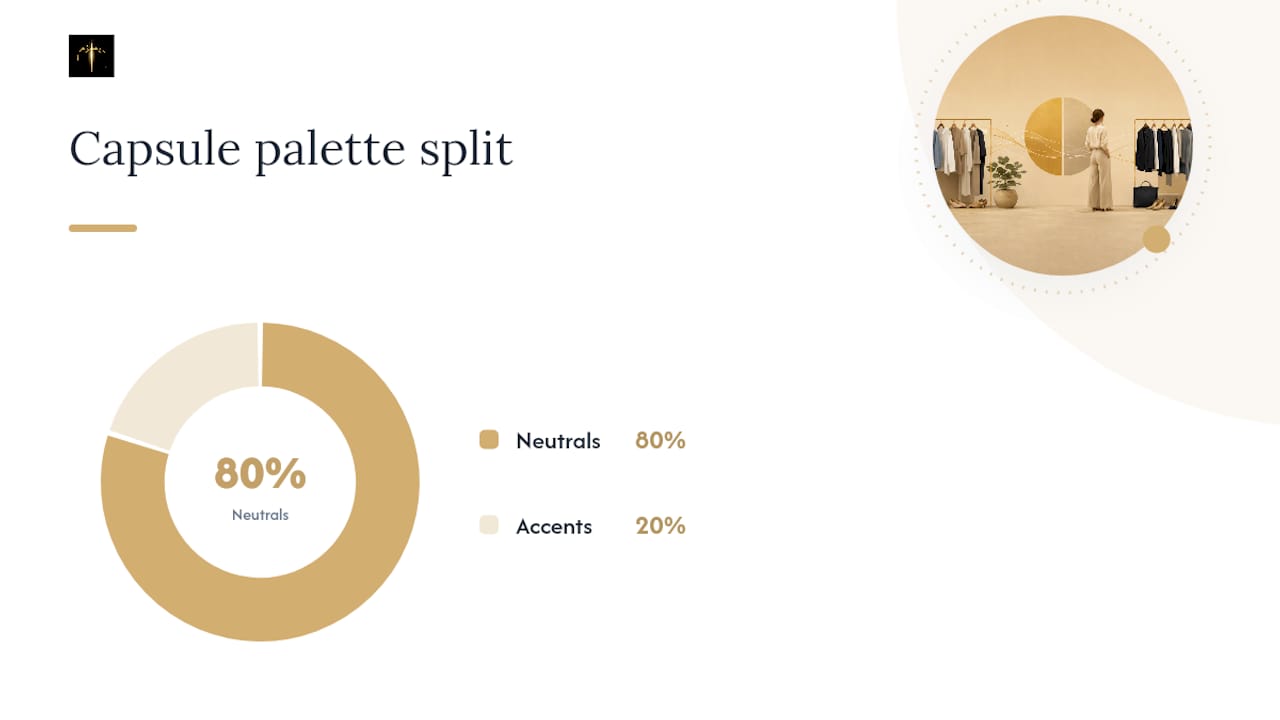
- 80/20 palette: a color strategy where roughly 80 percent of your pieces are neutral and 20 percent are accent colors or prints.
Keep those three terms in your back pocket. They're the scaffolding for everything below.
Examples of Versatile Wardrobe Pieces That Earn Their Keep
Some garments are versatile by design. Their cut, fabric weight, and color sit in a sweet spot that lets them slide between contexts without looking out of place. Here's what that looks like in practice.
- Dark, straight-leg jeans: Dress them up with loafers and a blazer for a client meeting, or wear them with sneakers and a hoodie on a Saturday grocery run.
- A tailored blazer: Thrown over a T-shirt, it reads casual-cool. Paired with a silk blouse, it reads boardroom-ready.
- A crisp white button-down: Tucked into trousers for the office, tied at the waist over shorts for travel, or layered under a sweater in winter.
- Clean white or minimal sneakers: They soften a suit, complete a sundress, and survive an airport layover better than heels ever will.
- A neutral fine-knit sweater: Works solo in mild weather, layers under a coat in January, and pairs with everything from denim to tailored pants.
What connects these pieces isn't just their color. It's the combination of a classic silhouette, a mid-weight fabric that doesn't scream "formal" or "athletic," and a neutral tone that won't clash with the rest of your closet. Practical capsule guidance consistently points back to items like well-fitting jeans, a reliable jacket, and dependable shoes precisely because they show up in outfit after outfit rather than sitting in reserve for one specific event.
Why Wardrobe Versatility Actually Matters
The appeal isn't aesthetic. It's math. A wardrobe built on versatile pieces costs less per wear, takes less time to navigate each morning, and survives longer because each item gets used constantly instead of sitting untouched between rare occasions.
Versatility comes from how pieces combine, not from any single item working in isolation. Layering and multifunctional garments are what turn a modest closet into a wardrobe with dozens of workable outfit combinations. A blazer alone is one outfit. A blazer that layers over three different bases is three outfits, and that multiplier effect is the entire point of building this way.
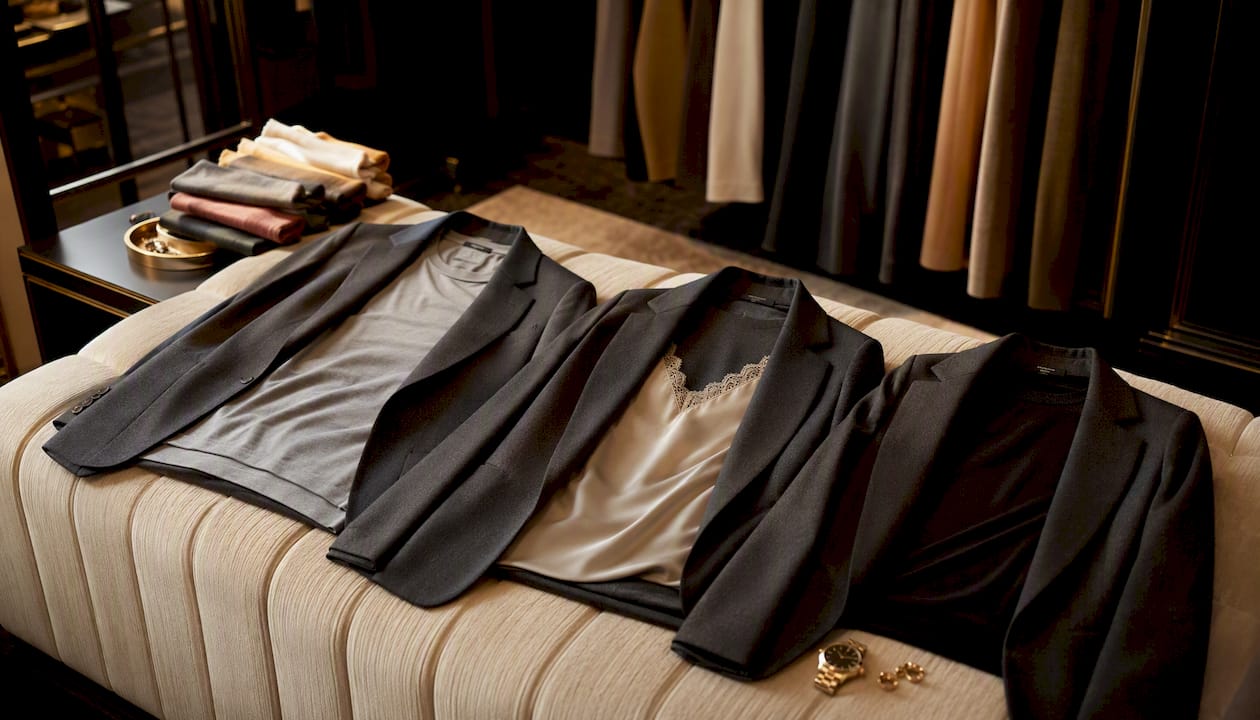
Fewer impulse buys happen naturally once you're evaluating pieces against a pairing standard instead of buying on impulse at a store display. Decision fatigue drops because your morning routine becomes a matter of grabbing pre-vetted combinations rather than negotiating with a closet full of one-off pieces. Garments last longer because rotation across multiple outfits means no single item takes all the wear. And because adaptable clothing gets worn more and discarded less, it aligns directly with more sustainable buying habits, since convertible and multifunctional design choices reduce how often garments end up in landfills.
The lifestyle payoff is real, even if it's hard to quantify precisely. Fewer outfit failures before a big meeting. Less luggage weight when you travel because five pieces cover ten scenarios. More confidence walking into a room because you already know the outfit works, since you've worn some version of it a dozen times before.
How to Evaluate If a Garment Is Actually Versatile
Not every neutral, basic-looking item is versatile, and not every colorful piece is a liability. The test comes down to five factors you can run through in under two minutes.
- Fit first. A piece that doesn't fit well won't get worn regardless of how "versatile" it's supposed to be on paper.
- Fabric weight and durability. Mid-weight, breathable fabrics transition between seasons and settings far better than anything ultra-delicate or single-purpose (think sequins or heavy wool suiting).
- Color compatibility. Ask whether the color sits inside your existing palette or forces you to build new pairings from scratch.
- Silhouette flexibility. Straight or slightly relaxed cuts tend to dress up or down more easily than anything extremely fitted or extremely oversized.
- The integration test. Can you name three or more items already in your closet that this piece pairs with? If you can't answer immediately, that's your red flag.
Watch for pieces that fail on sight: anything in a single-use fabric like sequins or vinyl, prints loud enough to anchor an entire outfit on their own, or a fit that requires you to "size up and take it in later." Those are quick wins waiting to happen, too. A $15 tailoring appointment can take a nearly-right blazer and turn it into a true core piece, and a neutral color swap can rescue an otherwise well-made item that's just wrong for your palette.
A Four-Step Process for Building a Versatile Wardrobe
Most people try to fix their closet by buying more. The better approach is a sequence: audit, analyze, define, then test everything before it comes home.
Step one: Audit what you own. Pull everything out, try it on, and sort into three piles: works, needs tailoring, doesn't work. This is tedious, but it's also the step most capsule guidance skips straight past, and skipping it is exactly why so many closets stay chaotic no matter how much gets purchased.
Step two: Analyze your lifestyle proportions. If 70 percent of your week is spent in an office, your closet should reflect that ratio, not an idealized version of your life where you're constantly at rooftop parties. Be honest about how you actually spend your days.
Step three: Define a cohesive palette. Pick two or three neutrals as your base and one or two accent colors, following the 80/20 palette split that shows up across most capsule frameworks. Everything you buy from here forward gets checked against this palette.
Step four: Apply the integration test before every purchase. A new item must pair with at least three pieces you already own. If it fails, walk away, no matter how good it looks in the fitting room mirror.
Here's how that plays out by lifestyle:
- Office-heavy schedules: prioritize tailored trousers, blazers, and a rotation of blouses that can dress down on weekends with sneakers.
- Hybrid remote workers: invest in elevated knitwear and one sharp blazer for the occasional in-person meeting, paired with comfortable-but-clean daily basics.
- Frequent travelers: build around a neutral base with one standout accent piece per trip, since a travel-ready capsule leans harder on fabric that resists wrinkling.
On timing, a full closet audit and purge is realistic in a single weekend. Filling in the anchor pieces you're missing (a proper coat, dependable shoes, tailored trousers) is a one-season project, not a one-day one.
Pro Tip: Don't buy your entire capsule at once. Replace one anchor piece at a time and let real wear tell you what's actually missing, instead of guessing upfront and ending up with duplicates.
Styling Tactics That Multiply Your Outfits
The same ten pieces can produce far more than ten outfits if you know how to layer and mix formality levels. This is where versatility stops being a shopping principle and becomes a daily skill.
Take one blazer and watch it shift entirely depending on what's underneath and around it:
- Work: blazer over a silk blouse, tailored trousers, and loafers.
- Weekend: same blazer over a plain T-shirt, straight-leg jeans, and clean sneakers.
- Evening: same blazer over a fitted tank, with statement earrings and heeled boots swapped in for the sneakers.
That's a single blazer producing three completely different impressions of formality, and it's a pattern editorial stylists lean on constantly because combining pieces well matters as much as owning the right ones.
Layering itself is a formality dial. A blazer over a tee reads relaxed. The same blazer over a silk blouse reads polished. Swap a chunky knit for a fitted turtleneck under that same blazer and you've shifted the entire mood again without touching the base pieces at all.
Accessories are the fastest lever you have. Swapping sneakers for loafers moves an outfit from weekend to client-ready in seconds. A structured tote versus a canvas bag does the same work for a handbag. Even jewelry matters: delicate gold pieces read daytime, while statement pieces push the same outfit toward evening.
Common Misconceptions About Wardrobe Versatility
The biggest myth is that versatility equals minimalism. It doesn't. Owning fewer things doesn't automatically make what you own more combinable, and plenty of ten-piece capsules fail the integration test because the pieces don't actually work together. Versatility is about utility and combinability, not a low item count for its own sake.
A second myth: versatility means neutrals only. Editorial guidance pushes back hard on this, noting that chasing a "magic number" or an all-beige closet misses the point entirely. A well-chosen burgundy sweater or a patterned scarf can be just as versatile as a gray T-shirt, provided it pairs with multiple things you already own. The 80/20 rule exists precisely so you have room for personality within a workable structure.
Trend chasing is the third trap. Trend pieces have a short shelf life by design, and building a wardrobe around them guarantees constant replacement cycles instead of long-term versatility. Fit and fabric quality matter more than a label or a price tag, and a $40 well-fitted tee will outperform a $200 ill-fitting one every time you get dressed.
Do: prioritize fit and fabric. Don't: buy something because it's "technically neutral" if it doesn't actually pair with anything you own.
Do: allow color and personality into your palette. Don't: assume a low item count automatically means a functional wardrobe.
What Building Wardrobe Versatility Actually Costs, In Time and Money
A full closet audit, including trying everything on and sorting into keep, tailor, and donate piles, takes one weekend if you're focused. Filling the gaps that audit reveals, meaning the coat, the shoes, the trousers you actually need, is a one-season project done right. Ongoing maintenance, once the core is built, is a quarterly check-in rather than a constant project.
Budget-wise, prioritize anchor pieces first: a versatile coat, dependable shoes, and well-fitted trousers give you the highest cost-per-wear return of anything in a closet. Secondhand shopping works well for these anchors since quality outerwear and shoes often show up in resale markets in excellent condition. Reserve new-purchase budget for the items you'll wear most often, and use cost-per-wear math (price divided by expected number of wears) to decide if something's actually worth it before buying.
These ranges come from practical capsule wardrobe guidance built around real closets rather than aspirational minimalism, and they hold up whether you're building from scratch or converting an existing collection piece by piece.
Keeping a Versatile Wardrobe Working Year After Year
A versatile wardrobe isn't a one-time project. It needs light maintenance to stay useful as seasons change and life shifts around you.
- Seasonal rotation: swap out-of-season pieces into storage twice a year, keeping only what's currently relevant in daily rotation.
- One-in-one-out rule: when you buy a new anchor piece, retire an old one so the closet doesn't quietly bloat back into chaos.
- Repair before replace: a loose button or a small tear is a five-minute fix that extends a garment's life significantly.
- Storage care: fold knits instead of hanging them to prevent stretching, and use breathable garment bags for off-season coats.
Experts often separate a year-round core of roughly 15 to 20 stable pieces from seasonal modules of 8 to 12 items each. The core stays constant. The modules rotate. This structure means you're never rebuilding from zero, even when life changes significantly, whether that's a new job with a different dress code, a move to a different climate, or a body change that shifts your fit needs.
A practical cadence: run a mini-audit every quarter (fifteen minutes, just check what's actually getting worn) and do a full seasonal swap twice a year. That rhythm keeps versatility from quietly eroding while you're busy living your actual life.
The Copyable Integration Checklist for Every Future Purchase
This is the part worth screenshotting. Before any new item comes home, run it through this sequence.
- Audit relevance: does this fill an actual gap, or am I duplicating something I already own?
- Lifestyle fit: does this match how I actually spend my week, not how I wish I spent it?
- Palette check: does the color work inside my existing 80/20 split?
- Pairings test: can I name three to five items already in my closet this pairs with?
- Care and cost check: what does upkeep cost, and what's my realistic cost-per-wear?
For a single-garment mini-audit, jot down four fields before buying: occasions it covers, three-plus specific pairings by name, care requirements (dry clean, machine wash, hand wash), and total cost including any tailoring. If you can't fill in all four honestly, that's your answer.
Pro Tip: Tailoring is the highest-return move in this entire process. A $20 to $40 alteration on a nearly-right blazer or trouser often converts a maybe into a true core piece, and that return beats almost any new purchase you could make instead.
Quick wins worth acting on immediately: get one blazer properly tailored this month, swap one uncomfortable pair of "special occasion" shoes for a versatile neutral pair, and build one travel-ready outfit formula (base layer, mid layer, one accent piece) you can repeat across trips without rethinking it each time.
Why Intentional Beats Perfect When Building a Wardrobe
The conventional wisdom pushes people toward a fixed number: ten pieces, thirty-three pieces, some tidy figure that promises to solve the whole problem. I think that's the wrong obsession entirely. The number is a byproduct of good decisions, not the goal itself. A wardrobe built to a specific item count but full of pieces that don't actually pair together fails the same integration test as a closet with three times as many clothes.
What tends to get missed is that this whole process is iterative by nature, not a one-time overhaul you finish on a single weekend. Your lifestyle changes. Your body changes. Your job changes. A wardrobe that was 90 percent versatile last year might be 60 percent versatile today, and that's not a failure, it's just a signal that it's time for another audit. Treat the integration test as a permanent habit rather than a one-off exercise, and you'll spend far less time each year rebuilding from scratch.
The goal was never a rigid number of hangers. It's flexibility that actually fits the life you're living right now, and that standard shifts as you do.
Let an AI Stylist Handle the Audit for You
Running a manual audit on fifty closet items, then testing every potential purchase against three-plus pairings, takes real time. Mytenue speeds up exactly that process. Its wardrobe digitization feature lets you photograph what you own once, then get instant outfit recommendations pulled from your actual closet instead of a hypothetical one.
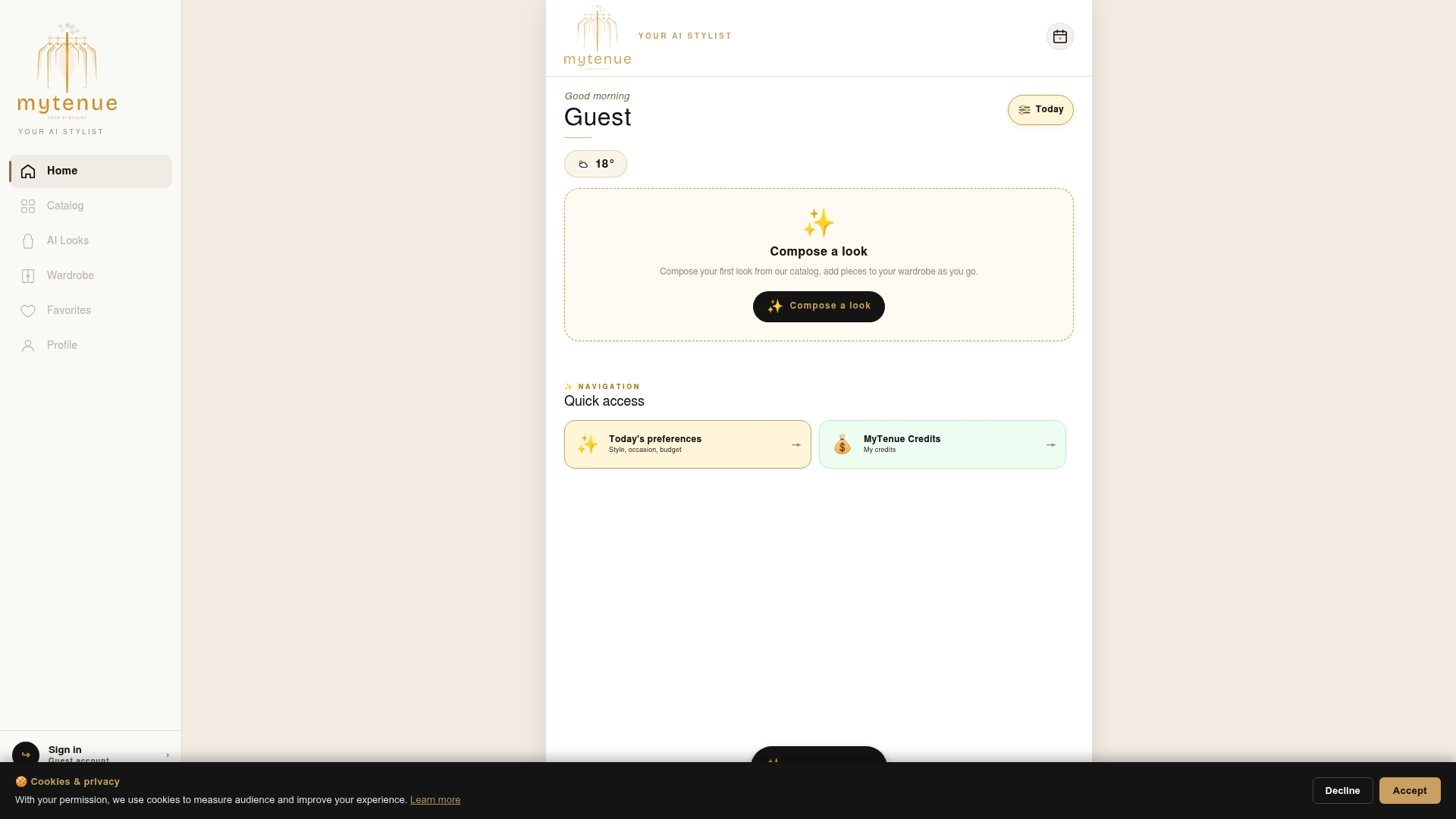
The app's occasion filters map directly onto the lifestyle-proportion step from this guide. Tell it your week is mostly office days with occasional weekend trips, and it prioritizes suggestions accordingly. Its virtual try-on feature functions as a fast-forward version of the integration test: see how a potential piece pairs with what you own before you buy it, not after. Pair that with calendar-based outfit planning, and mornings stop being a negotiation with your closet entirely. If you're ready to run your own audit faster, try Mytenue and see how many outfits your current closet can actually produce.
Sources
For readers who want to go deeper on any of the frameworks mentioned here, these sources cover the practical mechanics in more detail.
The Fashion Times guide to building a versatile wardrobe is the strongest resource on how layering and combination, rather than individual pieces, actually drive outfit variety.
AreYouFashion's capsule wardrobe guide breaks down the 80/20 palette split and the three-ways test in practical, step-by-step terms.
Tellrs' capsule wardrobe guide offers the clearest numeric ranges for seasonal piece counts if you want concrete targets to work toward.
iStylish's capsule wardrobe guide walks through the audit-first, phased-building approach in more depth than most other sources.
Rumbie's guide to versatile wardrobes is useful specifically for its concrete staple examples and how each functions as a building block.
The Fashion Glossary's entry on versatility in design is worth a read if you want the historical and design-theory context behind convertible and multifunctional clothing.
- How to Build a Versatile Wardrobe That Works for Work, Weekends, and Everything Else
- Capsule Wardrobe Guide
- Capsule Wardrobe 101: Dress Better With Less
- Capsule Wardrobe Guide 2026: Build a Versatile Closet | iStylish