
A functional wardrobe is a curated collection of clothing built around utility, durability, and fit for your actual daily life. Unlike a capsule wardrobe, which centers on aesthetic minimalism, a functional wardrobe prioritizes practical usability across every role you play, from office meetings to school pickups to weekend travel, without requiring constant new purchases. The result is a closet you trust completely, one that reduces decision fatigue every morning and supports your lifestyle rather than complicating it.
What is a functional wardrobe, and how does it differ from minimalism?
A functional wardrobe and a minimalist wardrobe share one trait: both reject excess. The difference is in the goal. Minimalism targets a lower item count as the end result. Functionality targets performance. A minimalist wardrobe might contain 20 beautifully curated pieces that look great on a hanger but fail at a rainy school run. A functional wardrobe contains exactly what you need to get through your real week with confidence.
Functional wardrobes prioritize utility, comfort, weather adaptability, and appropriate fit for an individual's daily activities. That means a teacher's functional wardrobe looks nothing like a freelance designer's, even if both own the same number of items. The wardrobe is defined by how well it serves your life, not by how few pieces it contains.
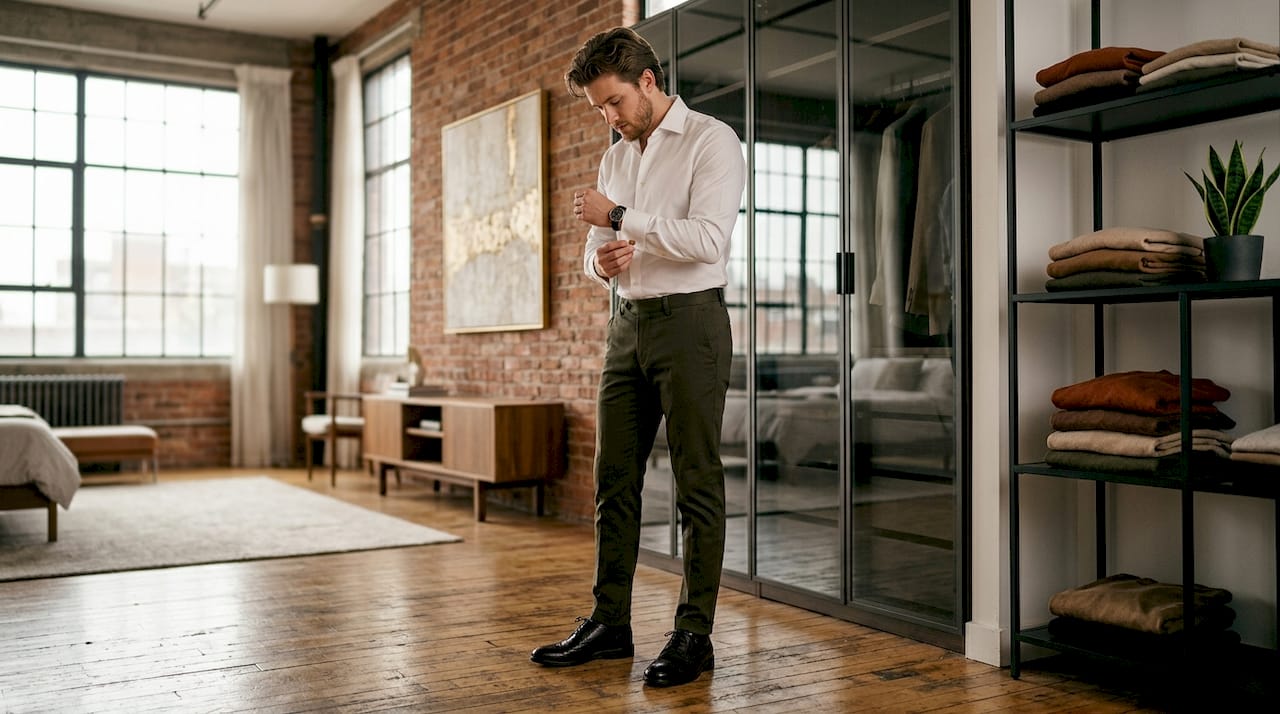
This distinction matters for sustainability, too. Functional wardrobes reduce environmental impact by eliminating unnecessary purchases and focusing on durable, multiuse items. Buying fewer but better pieces is the practical outcome of building for function rather than trend.
| Wardrobe type | Primary goal | Key measure of success |
|---|---|---|
| Functional wardrobe | Practical daily performance | How often each item gets worn |
| Capsule wardrobe | Aesthetic cohesion | Visual harmony and item count |
| Minimalist wardrobe | Owning less | Total number of items |
| Trend-driven wardrobe | Style currency | Alignment with current fashion |
Pro Tip: Before labeling your wardrobe "functional," ask this: can you get dressed for any typical day in under five minutes without second-guessing yourself? If not, the wardrobe is not yet working for you.
What are the essential components of a functional wardrobe?
A strong functional wardrobe rarely starts with many clothes. It builds around a few versatile core pieces that carry most daily outfits. Think of these as your defaults: the items you reach for automatically because they fit well, feel right, and work across multiple contexts.
The core categories every functional wardrobe needs are:
- Base layers. Fitted T-shirts, long-sleeve tops, and lightweight knits in neutral colors. These work under everything and extend the range of your other pieces.
- Bottoms. Two or three pairs of well-fitting trousers or jeans in colors that pair broadly. Dark denim and a neutral chino cover most situations.
- Outerwear. One weather-appropriate coat and one lighter layer. These two pieces handle the majority of your climate needs year-round.
- Versatile shoes. A clean sneaker, a leather or leather-look shoe, and a casual boot cover nearly every occasion from commute to dinner.
- Midlayers. A structured blazer or overshirt that transitions from work to casual settings without changing the rest of the outfit.
Fabric choice is not a style decision. It is a functional one. Fabrics like twill, denim, and wool handle daily wear, require minimal maintenance, and age well. Ease of care determines whether a garment stays in rotation long-term or gets pushed to the back of the closet.
Utility-driven design details like reinforced seams, practical pocket placement, and durable fasteners enhance daily performance without compromising style. These features are invisible when you wear the item but obvious when a cheaper alternative falls apart after six months.
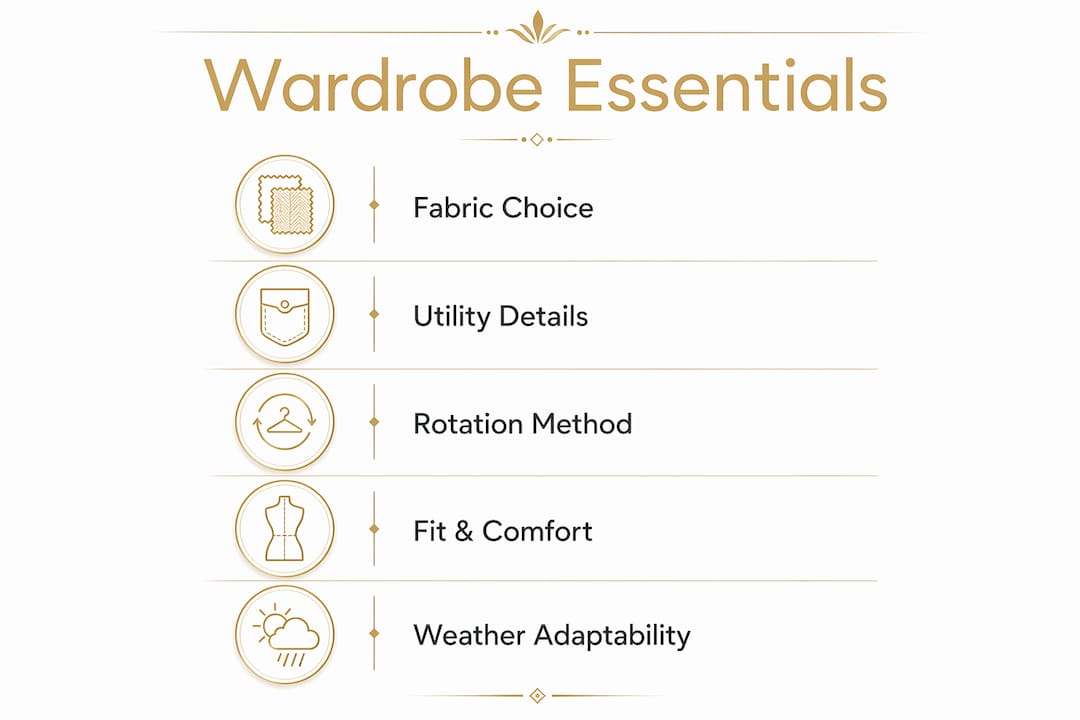
Pro Tip: Apply the 3-2-1 rotation method: three base layers, two bottoms, one midlayer. Rotating pieces prevents fabric fatigue, extends garment life, and keeps your core items looking fresh longer.
How to build a functional wardrobe that suits your lifestyle
Building a functional wardrobe starts with an honest audit of your actual life, not the life you imagine or aspire to. Functional wardrobes must be tailored to your real daily activities, whether that means office work, childcare, frequent travel, or physical labor. Generic advice about "wardrobe staples" fails when those staples do not match your actual week.
Follow these steps to build yours from the ground up:
- Map your weekly roles. Write down every context you dress for in a typical week. Include work, errands, social events, exercise, and any specialized activities. This list becomes your wardrobe brief.
- Audit what you already own. Pull everything out. Identify what you actually wear versus what you keep out of guilt or optimism. Items worn fewer than five times in the past year are candidates for removal.
- Identify the gaps. After the audit, you will see patterns. Maybe you have ten tops but only one pair of trousers that fits well. Fill the gaps before buying anything new.
- Avoid the "almost right" trap. Styling experts warn that buying clothes that are close but do not quite suit your lifestyle or body type increases closet clutter and decision fatigue. Better to own fewer truly suitable items than a closet full of compromises.
- Buy slowly and intentionally. Add one piece at a time. Wear it for two weeks before buying the next. This practice reveals whether an item actually integrates into your rotation or just looked good in the store.
The goal of this process is not a smaller wardrobe. The goal is a wardrobe where every item earns its place. Foundational staples like a trusted white shirt, versatile trousers, dependable shoes, and a weather-appropriate coat support multiple outfits and reduce the mental load of getting dressed.
For professionals managing a packed schedule, a workweek outfit checklist can help you identify which foundational items you actually need versus what is taking up space.
Pro Tip: When shopping, ask three questions before buying: Does this fit my body right now? Does it work with at least three items I already own? Does it suit a real activity in my weekly life? If you cannot answer yes to all three, put it back.
How to maintain and evolve your functional wardrobe over time
A functional wardrobe is not a one-time project. It requires regular care and honest editing to stay useful as your life changes. The maintenance habits you build matter as much as the initial curation.
- Care for fabrics correctly. Choose fabrics you can realistically maintain, because ease of care determines longevity. Wash denim less frequently. Air wool between wears. Spot-clean outerwear rather than machine washing it repeatedly.
- Edit seasonally. Twice a year, in early spring and early fall, review what you wore and what you skipped. Items that went unworn for a full season are telling you something. Remove them without guilt.
- Adapt to lifestyle shifts. A new job, a new city, or a new fitness routine changes what you need. Treat these transitions as opportunities to reassess rather than excuses to buy everything new at once.
- Resist impulse additions. A single impulse purchase that does not integrate with your existing pieces creates a chain reaction of "nothing to wear" moments. Every new item should connect to at least three existing pieces.
- Use outfit planning tools. AI-powered wardrobe personalization has made it significantly easier to identify underused items and plan outfits that maximize what you already own.
Clothing that adapts to movement, weather, and care demands becomes a long-term wardrobe staple rather than a disposable trend item. That transformation from "item I bought" to "piece I rely on" is the real measure of a functional wardrobe working as intended.
Pro Tip: After each season, photograph your ten most-worn outfits. This visual record shows you exactly what your wardrobe actually does for you, and it guides smarter decisions the next time you shop.
Key takeaways
A functional wardrobe is defined by how well it serves your real daily life, not by how few items it contains or how closely it follows current trends.
| Point | Details |
|---|---|
| Definition of functional | A wardrobe built for utility, durability, and fit across your actual daily activities. |
| Core components | Base layers, versatile bottoms, outerwear, adaptable shoes, and one strong midlayer. |
| Build strategy | Audit first, identify gaps, then buy slowly with a strict three-question test for each item. |
| Fabric and care | Choose low-maintenance fabrics like twill, denim, and wool to extend garment life. |
| Ongoing maintenance | Edit seasonally, adapt to lifestyle changes, and use outfit planning tools to maximize what you own. |
Why I think most people build their wardrobe backwards
Most people shop first and edit later. They accumulate until the closet is full, then feel overwhelmed by having nothing to wear. I have seen this pattern repeat across every style level and budget. The problem is not the clothes. The problem is the sequence.
Building trust with your clothes means owning fewer items you reach for automatically, not more items you consider and reject every morning. That trust comes from honest editing, not from buying more. The wardrobe that serves you is the one you built around your real life, not the life you planned to have when you bought that blazer three years ago.
The other mistake I see constantly is treating style and function as opposites. They are not. A well-cut trouser in a durable fabric is both stylish and functional. The 3-2-1 rotation system is not a sacrifice of style. It is a discipline that keeps your best pieces looking their best. Function and style reinforce each other when you buy with intention.
My honest advice: spend 80% of your wardrobe budget on the five to eight pieces you wear every single week. Spend the remaining 20% on everything else. That ratio forces clarity and produces a wardrobe that actually works.
— Ahmed
Mytenue makes wardrobe building easier
Building a functional wardrobe takes clarity about your lifestyle, your gaps, and your actual habits. Mytenue is an AI-powered platform that helps you do exactly that.
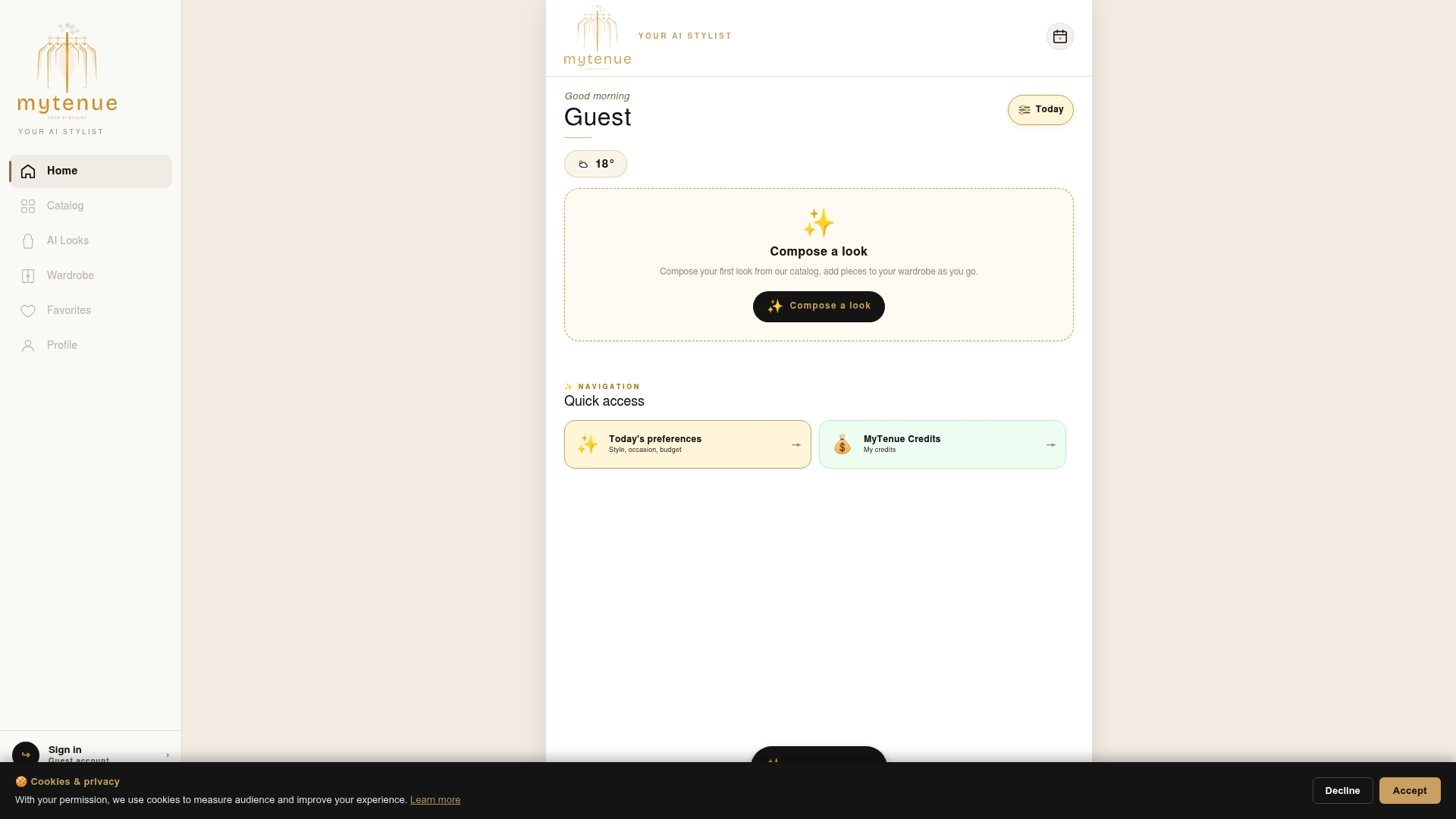
You input your style preferences, occasions, and budget. Mytenue curates complete outfits from your existing pieces and suggests new additions that genuinely integrate with what you already own. The platform reduces the daily decision load that drains your morning energy. Whether you are planning outfits for a busy week or building your wardrobe from scratch, Mytenue gives you a clear, personalized starting point. Visit Mytenue to see how your wardrobe can work harder for you.
FAQ
What is a functional wardrobe in simple terms?
A functional wardrobe is a collection of clothing built around your real daily activities, prioritizing utility, fit, and durability over trends. Every item earns its place by being worn regularly and working across multiple contexts.
How many items does a functional wardrobe need?
There is no fixed number. A functional wardrobe contains exactly the items you wear consistently, which for most people is far fewer than what currently fills their closet.
What is the difference between a functional and a capsule wardrobe?
A capsule wardrobe focuses on aesthetic minimalism and a low item count. A functional wardrobe focuses on practical performance across your specific lifestyle roles, regardless of item count.
What fabrics work best in a functional wardrobe?
Twill, denim, and wool are top choices because they handle daily wear, require minimal maintenance, and age well. Ease of care is the deciding factor for long-term functionality.
How often should I edit my functional wardrobe?
Edit twice a year, in early spring and early fall. Remove any item that went unworn for a full season and reassess your needs based on any lifestyle changes since the last review.