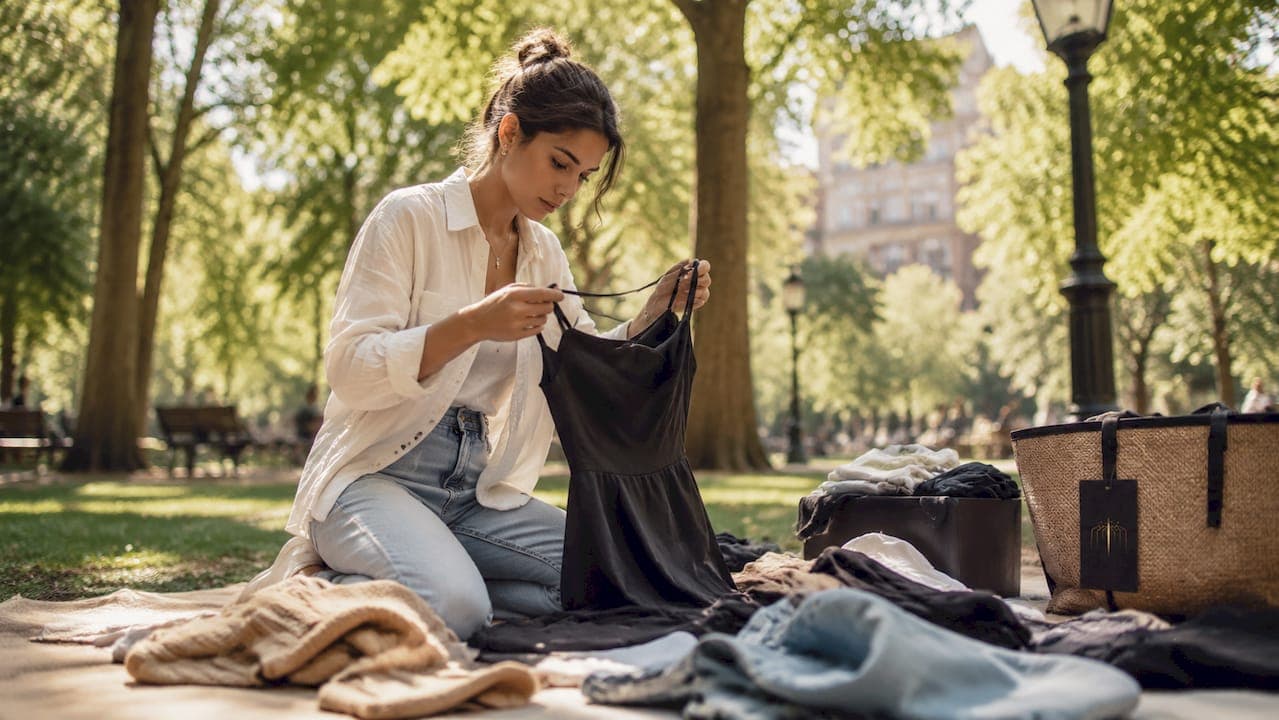
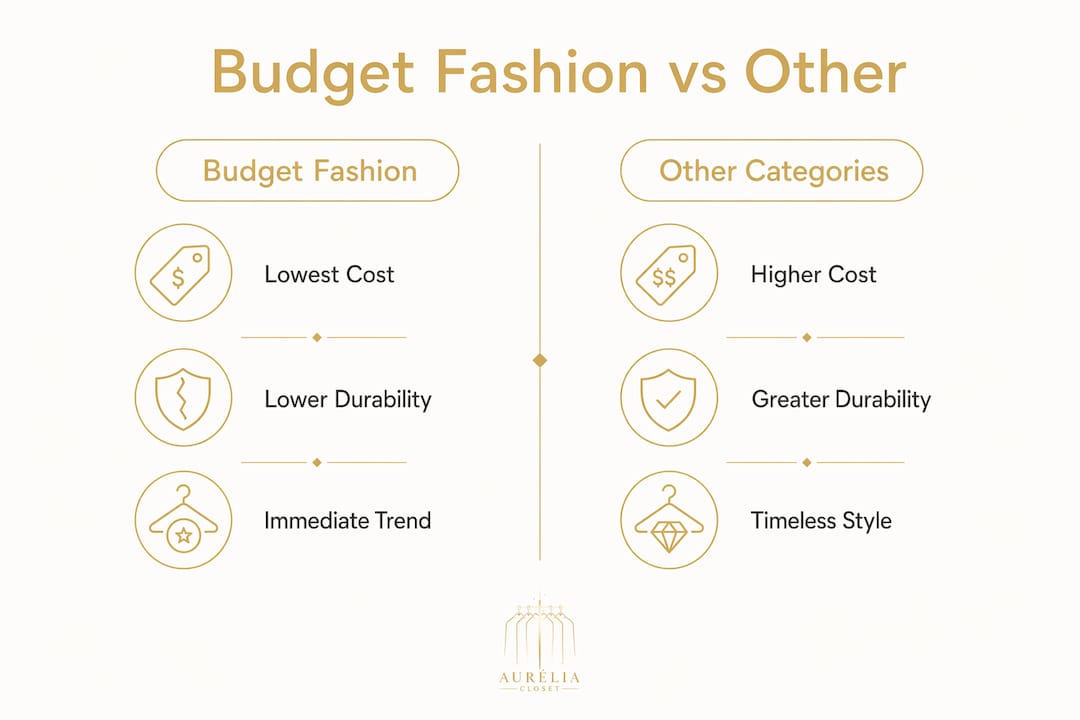
Budget fashion is defined as clothing designed for immediate trend appeal at the lowest possible cost, produced in high volumes with rapid turnaround. The industry term for this category is "affordable fashion," though budget fashion captures the price-first mindset that drives most purchasing decisions. In emerging markets like India, budget apparel items cost between $4 and $15 per piece as of Q1 2026. That price range tells you everything about the trade-off: you get the trend, but you sacrifice durability. Fit, careful styling, and intentional shopping are what separate a polished budget wardrobe from a disposable one.
What is budget fashion, and how does it differ from other categories?
Budget fashion prioritizes trend speed and low price above all else. Production cycles are short, fabrics are often synthetic, and the goal is to get a current look into your hands before the trend peaks. This is different from value fashion, which targets durability and versatility over pure trendiness.
The distinction matters because hidden costs accumulate fast. A $6 top that falls apart after five washes costs more per wear than a $40 shirt that lasts three years. Experts recommend treating your wardrobe as a system aligned with your body, lifestyle, and finances rather than a collection of individual purchases.
Fast fashion sits at the extreme end of the budget spectrum. It uses massive advertising budgets and artificial sale prices to create urgency. Budget fashion, by contrast, can include secondhand finds, end-of-season clearance, and factory outlet pieces that offer genuine value when chosen carefully.
| Category | Price focus | Durability | Best use |
|---|---|---|---|
| Budget fashion | Lowest possible cost | Low to moderate | Trend-driven, seasonal pieces |
| Value fashion | Cost per wear | Moderate to high | Wardrobe staples and classics |
| Fast fashion | Impulse pricing | Low | Single-season trend items |
| Secondhand | Variable | Moderate to high | Quality at reduced price |
The consumer segment that benefits most from budget fashion is anyone building a wardrobe from scratch, experimenting with a new personal style, or filling gaps between investment pieces. The key is knowing which items deserve a budget buy and which ones need a quality upgrade.
How can you style budget fashion to look polished?
A well-fitted, unbranded basic piece often appears more expensive than branded discount clothing with visible logos. Fit is the single most powerful styling tool available to you, and it costs almost nothing to use correctly.
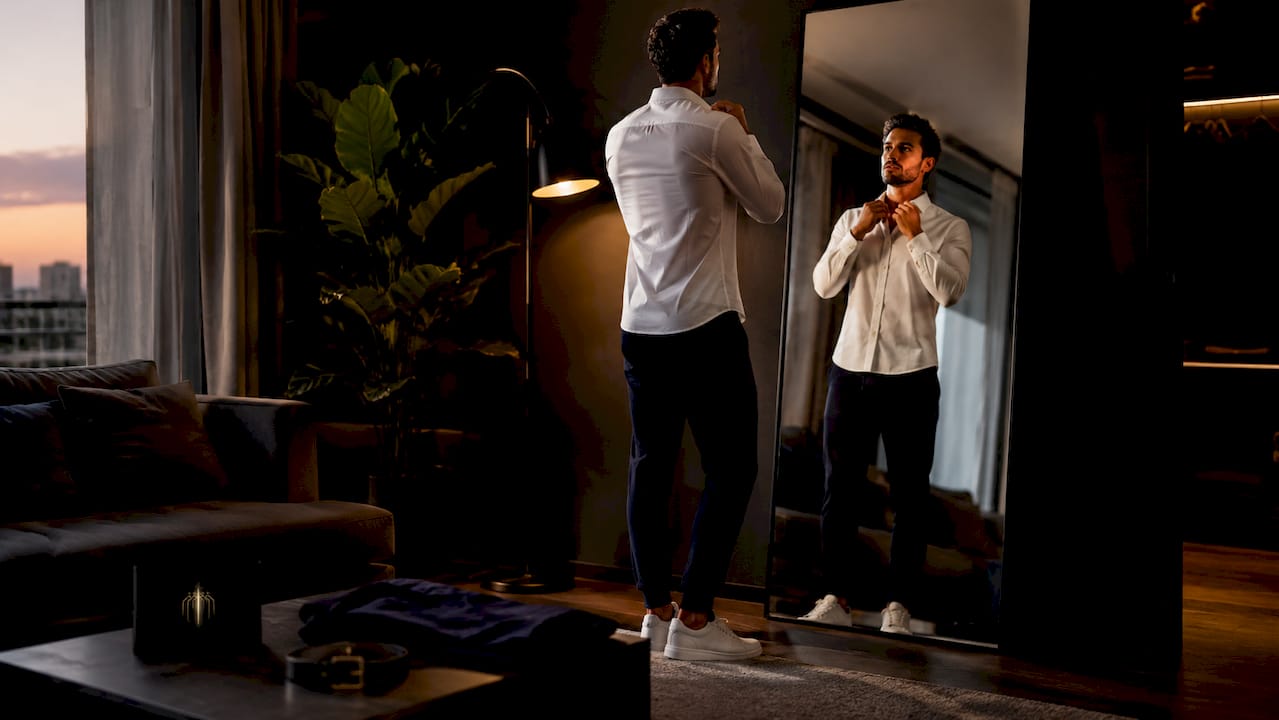
Tailoring inexpensive garments in the $8–$15 range makes them look custom. A $10 pair of trousers hemmed to your exact length reads as intentional and put-together. Most local tailors charge $10–$20 for basic alterations, which means you can double the perceived value of a budget piece for a small additional investment.
Three techniques consistently elevate affordable outfits:
- Monochrome dressing: Wearing one color from head to toe creates a long, unbroken line that reads as sophisticated. It also hides price differences between pieces because the eye focuses on the overall silhouette.
- The third-piece rule: Adding a blazer, belt, or scarf to any outfit instantly adds structure. Two pieces look casual. Three pieces look considered.
- Tonal accessory coordination: Matching your bag, shoes, and belt in the same color family ties an outfit together without spending on designer items.
Fabric quality is easy to assess before you buy. Fabric transparency is a quick test: hold the garment up to light. If light passes through clearly, the fabric is thin and will likely look cheap and wear out fast. Natural fibers like cotton, linen, and wool blends hold their shape better and maintain style longevity far longer than most synthetic alternatives.
Pro Tip: Steam your budget pieces instead of ironing them. Steaming removes wrinkles without flattening fabric texture, which makes inexpensive materials look fuller and more structured.
Maintenance is where most budget fashion shoppers lose ground. Lint rolling before you leave the house, storing knits folded rather than hung, and washing delicates in cold water on a gentle cycle all extend the life of affordable pieces significantly.
What are smart shopping strategies for budget fashion?
Discipline and intentional shopping are the foundation of a successful budget wardrobe. Retailers use inflated original prices and timed promotions to manufacture urgency. Knowing this changes how you shop.
Here are the strategies that consistently deliver the best results:
- Never pay full retail. End-of-season sales typically offer discounts of 50%–70%, making them the single best time to buy quality pieces at budget prices. Shop for next season's basics at the end of the current one.
- Approach factory outlets with caution. Many outlet stores sell merchandise made specifically for the outlet, using downgraded fabrics and construction. Inspect stitching and print alignment carefully before buying. Uneven seams and misaligned patterns signal poor construction regardless of the brand name on the label.
- Shop secondhand for quality at low cost. Thrift stores and resale platforms regularly carry well-made garments from previous seasons at a fraction of their original price. This is where you find the natural fiber pieces that budget retailers rarely stock.
- Evaluate garment construction before purchase. Pull gently at the seams. Check that buttons are sewn tightly. Look at the hem finish on the inside of the garment. These details reveal how long a piece will actually last.
- Build a shopping list before you enter a store or website. Retailers design environments to encourage impulse purchases. A specific list keeps you focused on gaps in your wardrobe rather than transient trends.
Pro Tip: Sign up for email alerts from your preferred retailers and set a 48-hour rule. If you still want the item two days after adding it to your cart, it is likely a genuine need rather than an impulse.
Learning to dress well for less is a skill that compounds over time. Each intentional purchase teaches you more about what actually works in your wardrobe versus what just looked good on a hanger.
How does budget fashion connect to sustainability?
Budget fashion and sustainability are often seen as opposites, but the relationship is more nuanced. The problem is not the price point. The problem is the replacement frequency that comes with buying low-durability items repeatedly.
A curated wardrobe built around fewer, well-chosen pieces produces a smaller environmental footprint than a closet full of cheap items replaced every season. The goal is to use budget fashion strategically: buy trend-driven pieces affordably, but invest in classics that last.
| Approach | Environmental impact | Cost over time | Style outcome |
|---|---|---|---|
| Fast fashion rotation | High (frequent disposal) | High (constant replacement) | Trend-chasing, inconsistent |
| Budget + quality mix | Moderate | Moderate | Intentional, versatile |
| Secondhand focus | Low | Low | Curated, unique |
| Investment wardrobe only | Low | High upfront | Classic, long-lasting |
A practical fashion budget plan combines all four approaches. You allocate a portion of your clothing budget to budget-friendly trend items, a portion to quality basics, and a portion to secondhand finds. This system keeps your wardrobe current without generating constant waste.
Natural fibers are the best choice for pieces you plan to keep long-term. Cotton, wool, and linen breathe better, wash better, and hold their shape longer than polyester alternatives. For trend items you expect to wear for one season, a synthetic blend at a low price point is a reasonable trade-off.
Outfit planning tips that focus on mixing and matching existing pieces reduce the urge to buy new items constantly. When you can see clearly how your current wardrobe works together, you buy less and wear more.
Budget fashion is a skill, not a compromise
The biggest misconception about budget fashion is that low price means low style. Price snobbery is misleading. Fit and styling cues influence how expensive an outfit looks far more than the actual price tag or brand name.
I have watched people spend $300 on a poorly fitted designer piece and look less put-together than someone in a $15 thrift store find that fits perfectly. The difference is always intention. Knowing your body, understanding what silhouettes work for you, and building a wardrobe system rather than chasing individual trends is what separates someone who looks stylish on a budget from someone who just looks cheap.
The psychological benefit of looking polished is real and underrated. When your clothes fit well and work together, you spend less mental energy on getting dressed. That clarity carries into the rest of your day. Tailoring and upkeep are not vanity expenses. They are investments in how you show up.
My strongest advice: treat your wardrobe like a capsule, not a collection. Every piece should work with at least three others you already own. If it does not, it does not belong in your closet regardless of the price. This single rule eliminates most impulse purchases and forces you to buy with intention every time.
— Ahmed
How Mytenue makes budget fashion easier to manage
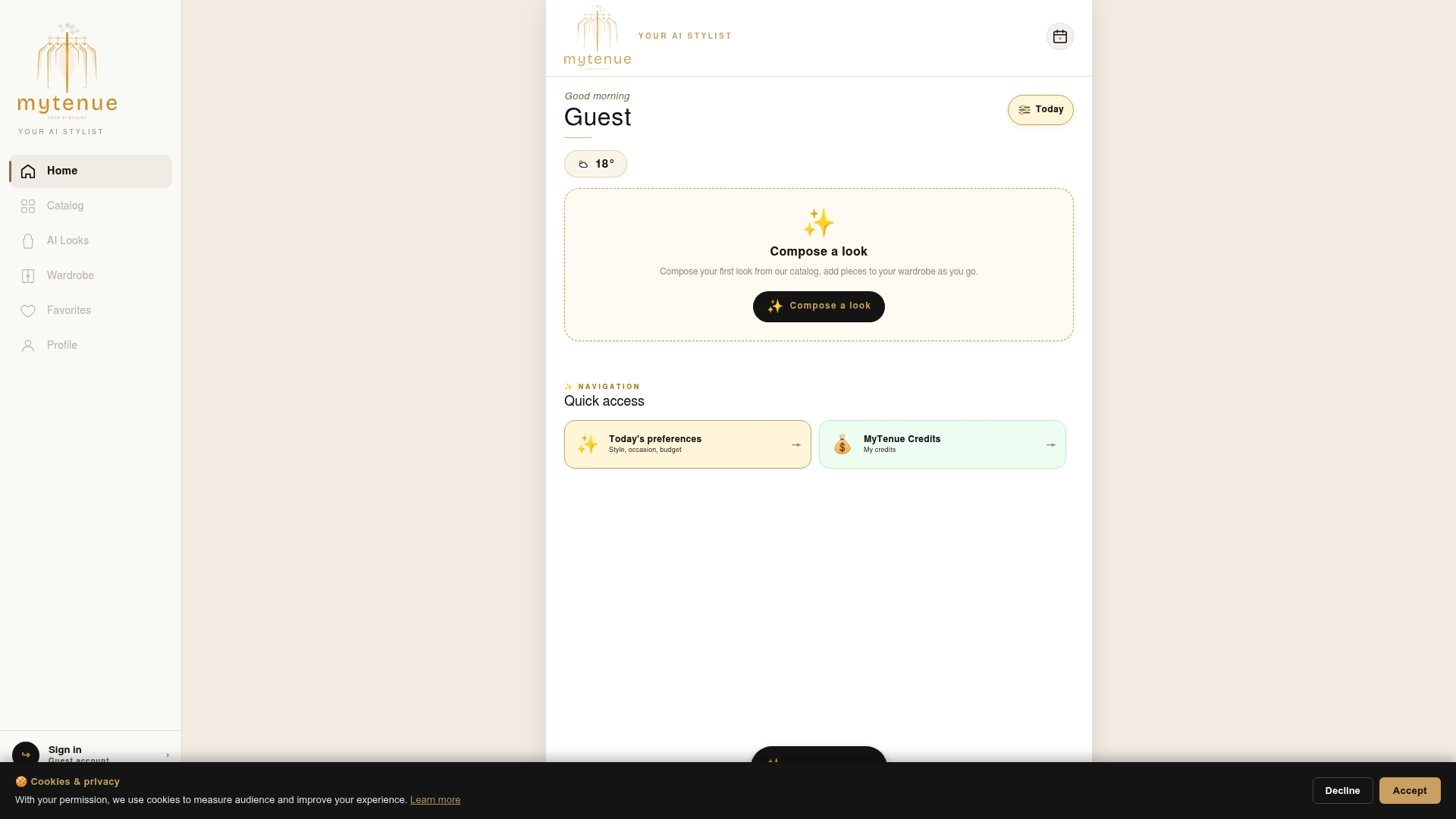
Putting together stylish outfits on a budget takes time and practice. Mytenue shortens that learning curve significantly. The platform uses AI-driven outfit personalization to show you exactly how your existing wardrobe pieces work together, and it suggests new additions based on your style preferences, occasions, and budget. You get the clarity of a personal stylist without the cost of one. Explore Mytenue's outfit tools to see how AI can help you build a wardrobe that works harder for you every day. Style guides and affordability-focused resources are available directly on the platform, making it a practical next step for anyone ready to shop and dress with more intention.
FAQ
What is budget fashion in simple terms?
Budget fashion is clothing designed to reflect current trends at the lowest possible price point. Items typically prioritize style appeal over durability and are produced in high volumes.
What is a fashion budget plan?
A fashion budget plan is a system that allocates your clothing spending across trend pieces, quality basics, and secondhand finds. It helps you build a versatile wardrobe without overspending on any single category.
How do you make budget clothes look expensive?
Prioritize fit above everything else, and add a third piece like a blazer or belt to create structure. Monochrome dressing and tonal accessories consistently make affordable outfits read as intentional and polished.
Is budget fashion sustainable?
Budget fashion can be part of a sustainable wardrobe when you buy intentionally and avoid constant replacement. Mixing budget trend pieces with secondhand quality finds reduces both cost and environmental impact over time.
When is the best time to shop for budget fashion?
End-of-season sales deliver the best value, with discounts typically ranging from 50%–70% off original prices. Shopping for next season's basics at the end of the current season is the most cost-effective approach.
Key takeaways
Budget fashion delivers trend appeal at low cost, but intentional styling and smart shopping are what make it work long-term.
| Point | Details |
|---|---|
| Fit beats price every time | A well-fitted $10 piece looks more expensive than a poorly fitted $100 one. |
| Tailoring multiplies value | Spending $10–$20 on alterations can double the perceived quality of a budget garment. |
| End-of-season sales are the best entry point | Discounts of 50%–70% make seasonal clearance the smartest time to buy quality pieces affordably. |
| Fabric quality is easy to test | Hold fabric to light before buying; transparency signals thin, low-durability material. |
| Wardrobe systems beat trend chasing | Every piece should pair with at least three others you own to reduce waste and impulse buying. |