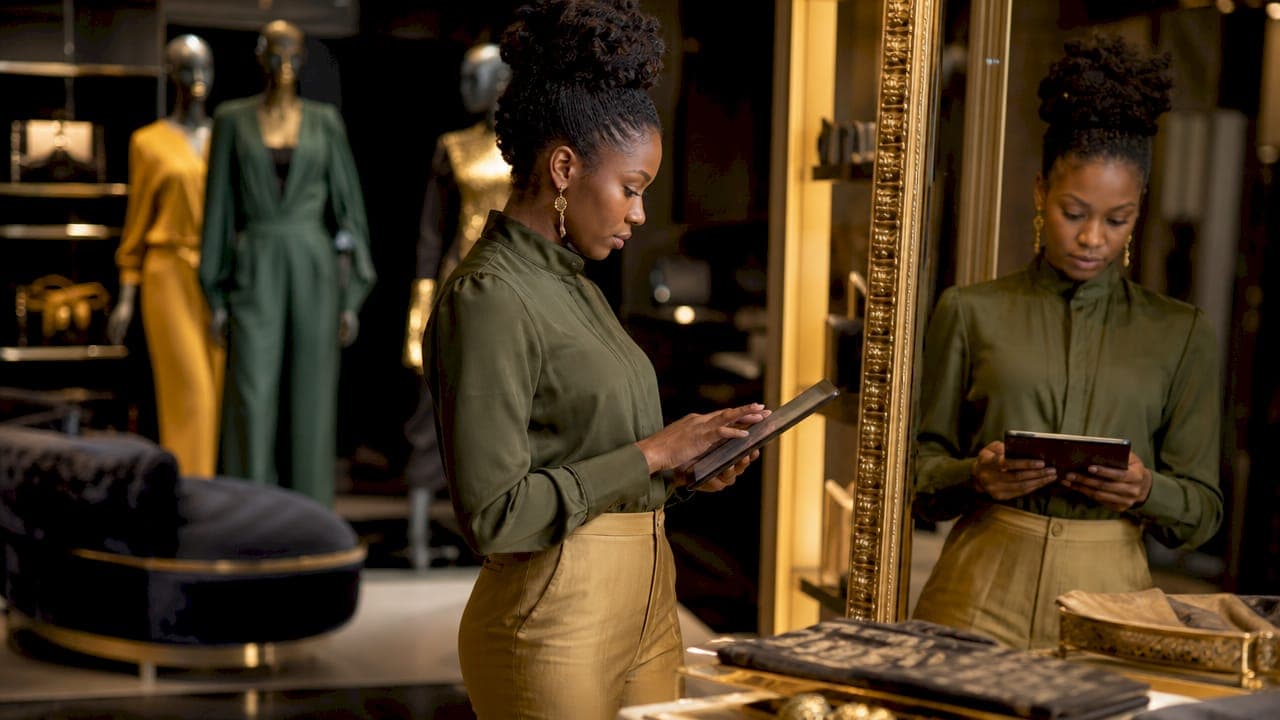
AI fashion trend analysis is defined as the use of machine learning and computer vision to scan massive data sets, identify emerging style patterns, and predict what consumers will want before they know it themselves. The industry term for this practice is AI-driven trend forecasting, and its benefits are concrete: faster predictions, lower production costs, and sharper personalization. Generative AI alone could boost operating profits by as much as $275 billion across apparel and fashion by 2028. That figure signals a structural shift, not a passing experiment. For fashion enthusiasts and professionals alike, understanding these advantages is the difference between leading trends and chasing them.
1. AI fashion trend analysis benefits start with speed
Traditional trend forecasting runs on quarterly or annual cycles. By the time a report lands on a buyer's desk, the micro-trend it describes may already be peaking. AI changes that timeline dramatically.
AI shifts forecasting from reactive to proactive by using leading indicators like real-time search intent and social media sentiment instead of lagging sales data. That means brands and stylists can act on a trend while it is still building momentum, not after it has saturated the market.

Pro Tip: Track real-time search volume spikes on specific garment terms alongside social sentiment scores. When both rise together, a micro-trend is forming. That is your window to act.
2. Data sources AI uses that humans simply cannot process
AI does not guess. It reads signals from millions of data points simultaneously, including social media images, e-commerce click patterns, runway coverage, and consumer reviews.
Zara uses AI to analyze over 3 million social media images daily to forecast trends. The result is that 85% of its production happens in-season, which means far less static inventory sitting in warehouses. That scale of image analysis is physically impossible for a human team to replicate.
The data sources AI draws from include:
- Social media images and hashtags: Visual pattern recognition across Instagram, TikTok, and Pinterest identifies color, silhouette, and styling shifts in real time.
- Search behavior: Rising keyword volumes for specific items or aesthetics signal consumer intent before purchases occur.
- Sales and returns data: AI cross-references what sold, what was returned, and at what price point, building a demand picture that is far more granular than traditional sell-through reports.
- Runway and editorial content: Computer vision scans fashion week imagery to detect which silhouettes and palettes are gaining traction across multiple designers simultaneously.
3. Cost reduction through pre-production validation
Sampling is one of fashion's most expensive and wasteful steps. A brand may produce dozens of physical samples per collection, only to discard most of them before a single unit reaches a customer.
AI pre-production validation cuts sampling costs by up to 40% by identifying misaligned colors or declining silhouette trajectories before any fabric is cut. That saving goes directly to the bottom line and reduces the volume of discarded materials. For independent designers and small labels, that cost reduction can be the difference between a profitable season and a loss.
The financial case for AI in fashion is not theoretical. Global brands including Zara, H&M, and Nike have adopted AI across inventory forecasting, personalized recommendations, and trend analysis. Their adoption validates the return on investment at scale.
4. Sustainability gains from smarter demand forecasting
Fashion's overproduction problem is severe. 85% of garments are discarded annually, a figure that reflects chronic misalignment between what brands produce and what consumers actually buy. AI demand forecasting directly attacks that misalignment.
When supply aligns with real consumer demand, brands produce less waste and fewer markdowns. AI enables on-demand production models where items are manufactured closer to confirmed purchase intent rather than months in advance based on guesswork. The sustainability benefits from AI come through this precise supply-demand alignment, not through any single green initiative.
For fashion enthusiasts who care about conscious consumption, this matters personally too. Smarter AI wardrobe analysis helps you buy less and wear more, which is the most direct sustainability action available to an individual consumer.
5. Hyper-personalized styling for individual wardrobe decisions
AI trend forecasting is not only a tool for brands. It directly improves how individual fashion enthusiasts make wardrobe decisions. The same pattern recognition that helps a retailer predict demand helps you identify which styles suit your existing wardrobe before you spend money.
AI-powered styling works by analyzing your preferences, body proportions, occasion needs, and budget, then generating outfit combinations you would not have considered on your own. This is what hyper-personalized styling means in practice: recommendations built around your specific context, not a generic trend report.
The personal benefits stack up quickly:
- Reduced decision fatigue: AI narrows hundreds of possible outfit combinations to a shortlist matched to your style profile and the occasion.
- Better use of existing pieces: AI identifies underused items in your wardrobe and shows how they pair with new purchases, reducing redundant buying.
- Occasion-specific accuracy: AI matches outfit recommendations to specific events, from a job interview to a weekend trip, with appropriate formality and aesthetic calibration.
- Budget alignment: AI filters recommendations by price range, so you see only options that fit your spending parameters.
Pro Tip: Before buying a new piece, run it through an AI styling tool to check how many outfits it creates with what you already own. If it pairs with fewer than three existing items, reconsider the purchase.
6. A 4 to 12-week lead time advantage over traditional methods
Speed is the clearest competitive advantage AI delivers. AI trend visibility data offers a 4 to 12-week lead time over traditional market research. That window is significant. A buyer who acts on a trend 8 weeks before it peaks can negotiate better production costs and secure shelf space before competitors react.
For fashion professionals, that lead time translates into better buying decisions, tighter inventory management, and stronger sell-through rates. For enthusiasts, it means your wardrobe reflects emerging styles before they become oversaturated.
The lead time advantage is most powerful when AI data is paired with human judgment. AI spots the pattern. A skilled buyer or stylist interprets whether that pattern has cultural staying power or is a short-lived social media spike.
7. AI as a creative input, not just a data tool
A common misconception is that AI replaces creative direction. It does not. AI intelligence layers translate predictive data into creative inputs that help design teams make confident, commercially sound choices while preserving their creative vision.
Think of AI as a research assistant who has read every trend report, analyzed every runway, and processed every consumer review, then handed you a precise brief. You still make the creative call. The brief just happens to be far more accurate than anything a human team could compile in the same timeframe.
This is where AI enhances fashion analysis rather than replacing it. The creative instinct, cultural sensitivity, and aesthetic judgment remain human. The data foundation becomes machine-powered.
8. Limitations you need to know before relying on AI forecasts
AI is not infallible. AI models can perpetuate historical biases related to sizing and demographics if training data is not carefully curated. A model trained predominantly on one body type or demographic will produce recommendations skewed toward that group.
The practical limitations to watch for include:
- Bias in training data: AI reflects the data it was trained on. If historical data underrepresents certain demographics, the model's recommendations will too.
- Cultural blind spots: AI excels at pattern detection but requires human interpretation to understand cultural context, macroeconomic shifts, and regulatory factors not yet visible in data.
- Over-indexing on viral moments: Social media data can amplify short-lived spikes. AI may flag a viral moment as a trend when it is actually noise.
- Lack of emotional nuance: AI cannot yet fully interpret why a consumer feels drawn to a particular aesthetic, only that they are.
The best practice is to run AI forecasts alongside traditional methods for one to two seasons in shadow mode, benchmarking AI predictions against actual outcomes before fully committing to AI-driven decisions.
Key takeaways
AI fashion trend analysis delivers measurable advantages in speed, cost, sustainability, and personalization when combined with skilled human judgment.
| Point | Details |
|---|---|
| Speed advantage | AI delivers a 4 to 12-week lead time over traditional trend research methods. |
| Cost savings | Pre-production AI validation reduces sampling costs by up to 40% per collection. |
| Sustainability impact | AI demand forecasting reduces overproduction, addressing the 85% annual garment discard rate. |
| Personalization | AI narrows wardrobe choices to your style, occasion, and budget, cutting decision fatigue. |
| Human-AI balance | AI forecasts are most accurate when validated with human cultural and qualitative insight. |
Why I think most fashion professionals are still underusing AI
The conversation around AI in fashion tends to focus on big brands with massive data budgets. That framing misses the point for most professionals and enthusiasts. The real advantage of AI trend forecasting is not scale. It is precision.
I have seen buyers with access to excellent AI tools still default to gut instinct because they do not trust data they did not generate themselves. That skepticism is understandable, but it is costing them lead time and margin. The 4 to 12-week advantage AI provides is not useful if you spend 10 of those weeks debating whether to act on it.
The shadow mode approach changes that dynamic. Running AI predictions alongside your existing process for a season or two builds the trust that gut instinct alone cannot provide. You see where AI was right, where it missed cultural nuance, and you calibrate accordingly. That calibration is where the real skill lives.
For fashion enthusiasts, the personal application is just as compelling. Using AI to analyze your wardrobe before buying is not about surrendering your style to an algorithm. It is about making purchases you will actually wear. The decision fatigue reduction alone is worth the adoption curve. Style should feel good, not exhausting.
— Ahmed
How Mytenue puts AI trend insights to work for you
Mytenue is built around exactly the benefits this article covers: real-time trend awareness, personalized outfit recommendations, and smarter wardrobe decisions that reduce waste.
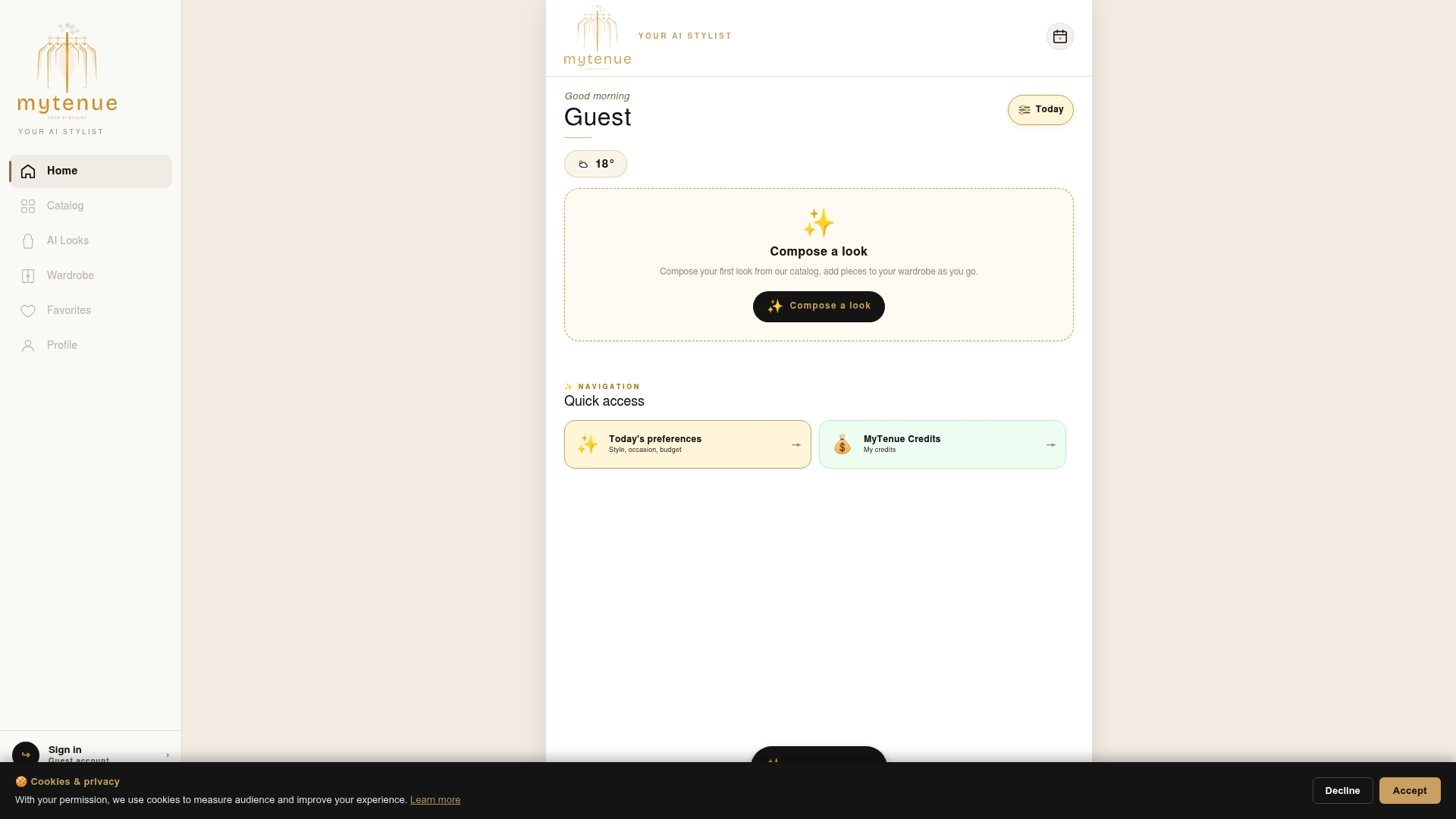
The platform analyzes your style preferences, occasions, and budget to generate complete outfit recommendations from your existing wardrobe and new pieces worth adding. You get the personalization advantage of AI trend forecasting without needing to interpret raw data yourself. Mytenue also encourages mixing existing items with new acquisitions, which directly supports the sustainable consumption model that AI demand forecasting makes possible at the brand level. Visit Mytenue to see how AI-powered personal styling works in practice.
FAQ
What is AI fashion trend analysis?
AI fashion trend analysis is the use of machine learning and computer vision to scan social media, sales data, and consumer behavior at scale, identifying emerging style patterns faster than traditional forecasting methods.
How does AI improve trend forecasting accuracy?
AI uses leading indicators like real-time search intent and social sentiment, giving brands a 4 to 12-week lead time over traditional market research and enabling faster, more accurate buying decisions.
Can AI help individual fashion enthusiasts, not just brands?
Yes. AI-powered styling tools analyze your wardrobe, preferences, and occasions to generate personalized outfit recommendations, reducing decision fatigue and helping you buy pieces you will actually wear.
What are the sustainability benefits of AI in fashion?
AI demand forecasting aligns supply with real consumer demand, enabling on-demand production models that reduce the overproduction responsible for 85% of annual garment discards.
What is the biggest limitation of AI trend forecasting?
AI can reinforce historical biases in sizing and demographics if training data is not carefully monitored. It also requires human interpretation to capture cultural context and macroeconomic factors not yet visible in data sets.