Mixing secondhand and new pieces gives you a wardrobe that looks curated, costs less over time, and cuts textile waste. That's the short version. The longer version is just as compelling: combining thrifted finds with fresh investment pieces is the most practical path to a personal style that's genuinely yours. Start with a simple rule: let new pieces anchor your look, then add one or two thrifted items for character. Think of it as the 70/30 approach, where roughly 60–70% of your wardrobe comes from thrift and 30–40% from new, quality purchases.
The benefits of mixing secondhand and new pieces stack up fast:
- Sustainability: Fewer new garments purchased means less demand on an industry that generated 11.3 million tons of U.S. landfill waste in 2018
- Cost savings: Thrifting typically saves 60–90% off retail prices
- Uniqueness: Vintage pieces carry history and character that mass-produced items rarely match
- Quality: Older garments often feature construction and fabrics that outlast today's fast fashion
- Wardrobe longevity: Mixing slows consumption and multiplies your outfit options without buying more
Key Takeaways
Mixing secondhand and new pieces produces a more personal, sustainable, and cost-efficient wardrobe than buying new alone, especially when you anchor with quality new pieces and add thrifted character items.
| Point | Details |
|---|---|
| Start with an anchor | Choose one strong new or investment piece as your foundation, then add one or two thrifted accents. |
| Follow the 70/30 rule | Aim for 60–70% thrifted pieces and 30–40% new to maximize savings and sustainability. |
| Thrifting saves 60–90% off retail | Redirect those savings toward quality new basics where fit and hygiene matter most. |
| Wash everything before wearing | Medical research confirms laundering mitigates the primary hygiene risks of secondhand clothing. |
| Mytenue matches your full wardrobe | The AI stylist pairs your thrift finds with new pieces by color, fabric, and occasion automatically. |
Table of Contents
- Why the benefits of mixing secondhand and new pieces go deeper than style
- How to style secondhand and new pieces so the mix looks intentional
- Where to find quality secondhand pieces across the U.S.
- What to check before you buy and how to clean secondhand clothing
- How Mytenue's AI stylist helps you mix secondhand and new with confidence
- How to budget when combining secondhand and new clothing
- Common misconceptions about wearing secondhand clothing
- Why this approach changed how I think about getting dressed
- Mytenue makes mixing secondhand and new effortless
- Sources
Why the benefits of mixing secondhand and new pieces go deeper than style
Sustainability is the headline benefit, but the economics are just as persuasive. When textiles pile up in landfills at the scale the EPA documented, every thrifted blazer or vintage denim jacket you choose over a new one is a direct vote against that cycle.
The uniqueness argument is harder to quantify but easy to feel. A vintage leather belt or a 1990s silk blouse carries a story no fast-fashion retailer can replicate. Designers who work with mixed eras understand this instinctively.
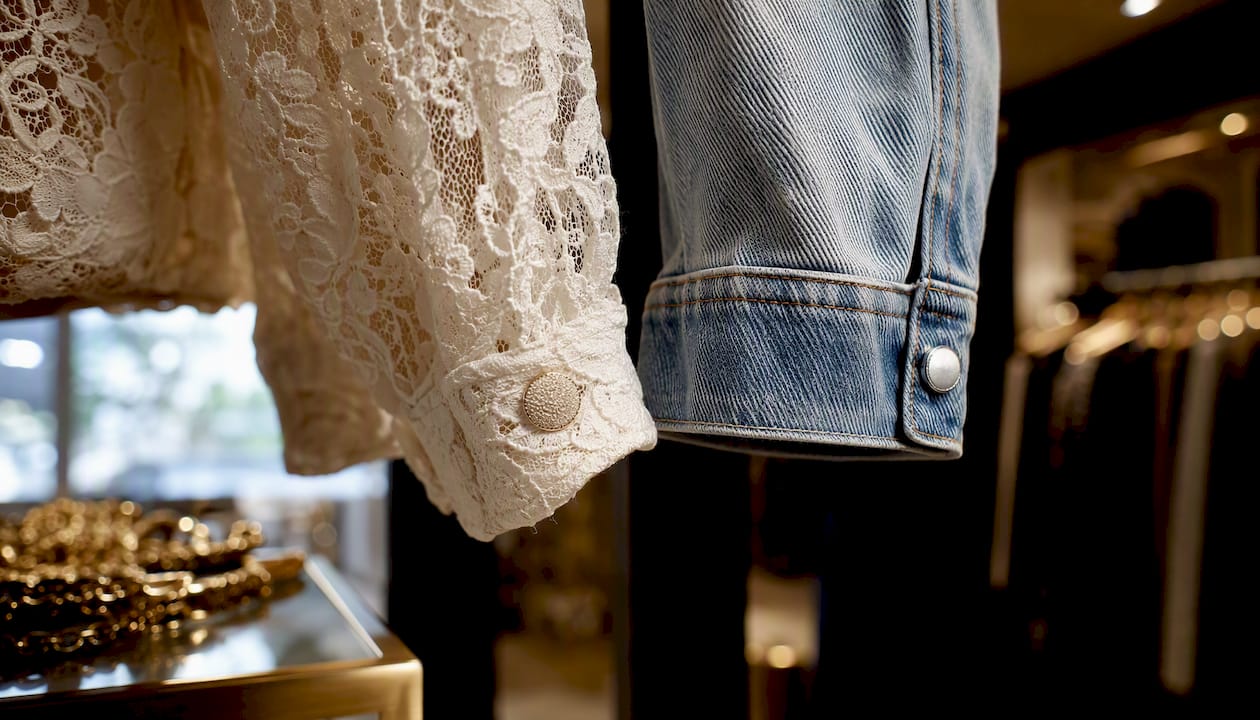
Quality is the sleeper benefit. Garments made before fast fashion dominated often used heavier fabrics, reinforced seams, and real hardware. A 1980s wool coat from a thrift store frequently outperforms a new version at twice the price. Pair that coat with a clean, modern turtleneck and the combination reads as intentional, not accidental.
Extended wardrobe life is the final piece. When you practice outfit recycling by mixing thrifted and new items, you naturally get more combinations from fewer pieces, which means less pressure to keep buying.
How to style secondhand and new pieces so the mix looks intentional
The difference between a mix that looks curated and one that looks random usually comes down to three things: an anchor, a cohesive palette, and fit. Designers consistently advise limiting the number of statement pieces and keeping a neutral backdrop so the mix reads as deliberate.
Follow this checklist when assembling an outfit:
- Choose your anchor. Start with one strong new or investment piece (a tailored blazer, a quality pair of trousers, a structured bag). This is your foundation.
- Add one or two thrifted accents. A vintage silk scarf, a thrifted leather belt, or a secondhand printed blouse. One statement thrift find per outfit is usually enough.
- Check proportion and scale. A voluminous vintage top pairs with slim modern trousers. A structured vintage jacket grounds a flowy new dress. Avoid two oversized pieces competing for attention.
- Lock in your palette. Pull one color from the thrifted piece and echo it somewhere in the new piece. Three colors maximum keeps the look cohesive.
- Assess fit before you leave the store. If a thrifted piece is close but not perfect, factor in a $15–$30 tailor visit. Tailoring is the single biggest upgrade you can make to a thrift find.
- Steam or press everything. Fresh creases and smooth fabric make even a $4 thrift-store shirt look considered.
Pro Tip: A vintage blazer is the most versatile modernizing tool in this approach. Pair it over a new capsule tee and straight-leg jeans, and the blazer becomes the personality piece while the new basics keep the look grounded. One item, many outfit combinations.
Where to find quality secondhand pieces across the U.S.
Your sourcing channel shapes what you find, what you pay, and how much patience you need. Each option has a distinct profile.
In-person options give you the tactile advantage: you can check fabric weight, test zippers, and smell for odors before committing. Thrift stores like Goodwill and Salvation Army offer the widest selection at the lowest prices, but require the most time. Consignment shops pre-screen for condition, so the hit rate is higher and prices reflect that. Local vintage boutiques curate by era and aesthetic, which saves hunting time but costs more.
Online marketplaces expand your reach dramatically. Poshmark is strong for contemporary brands and allows direct negotiation with sellers. Depop skews younger and more fashion-forward, with a heavy emphasis on Y2K and streetwear. thredUP functions like an online thrift store with condition grading already applied, making it easier for buyers who want less guesswork. eBay remains the best source for rare or specific vintage pieces when you know exactly what you're looking for. Etsy's vintage category is curated and often priced at a premium, but sellers tend to be knowledgeable about provenance and era.
Wirecutter recommends setting specific parameters before you search, being patient rather than impulse-buying, and knowing what quality looks like in photos before committing online. For clothing, that means looking for natural light photos, close-ups of seams and hardware, and sellers who describe fabric content and measurements.
Pro Tip: Search by fabric type rather than style on resale apps. Typing "wool blazer" or "silk blouse" into Depop or Poshmark surfaces higher-quality finds faster than searching by trend.
What to check before you buy and how to clean secondhand clothing
Condition is everything with secondhand. A beautiful piece with a structural flaw is a money pit. Run through this checklist before purchasing:
- Seams and lining: Check for fraying, separation, or visible repairs that signal stress points
- Zippers and buttons: Test every zipper; confirm buttons are original and secure
- Stains: Examine underarms, collar, and cuffs in natural light; set stains rarely come out fully
- Fabric integrity: Look for pilling, thinning, or shiny patches on wool and cotton
- Odor: Musty or chemical smells can linger through multiple washes; smoke odor is particularly stubborn
- Hidden repairs: Turn garments inside out to spot patches, darning, or re-stitching
Pass on any piece with structural damage (broken seams at stress points, moth holes in wool), active signs of infestation, or stains at collar and underarms that have oxidized to yellow.
Hygiene matters more than most buyers realize. Medical research has linked secondhand clothing to risks of parasitic and fungal infections when garments are worn without washing first. The fix is straightforward: wash everything before wearing it, regardless of how clean it looks.
Cleaning by fabric type:
- Cotton and linen: Machine wash on a warm cycle before first wear
- Wool and cashmere: Hand wash in cool water or dry-clean; steam to refresh between wears
- Silk: Hand wash with a gentle detergent or take to a dry cleaner for anything structured
- Delicate vintage: Steam and UV/sun airing can sanitize without risking fabric damage from water
De-pilling, minor repairs, and a good press after cleaning can transform a thrift find from overlooked to outstanding.
How Mytenue's AI stylist helps you mix secondhand and new with confidence
Decision fatigue is the quiet enemy of a mixed wardrobe. You have a thrifted blazer, a new capsule tee, and three pairs of jeans, but assembling them into something you'd actually wear out takes more mental energy than most people want to spend on a Tuesday morning.
Mytenue's AI stylist solves that directly. Here's how the workflow runs:
- Digitize your wardrobe by uploading photos of both your thrifted finds and new pieces into the app
- Get AI-matched outfit suggestions that pair your thrift accents with your anchor pieces by occasion, color, and fabric compatibility
- Use the virtual try-on to see how a thrifted blazer actually looks with your new trousers before committing to the combination
- Track cost-per-wear as the app surfaces which pieces you're underusing and which thrift finds are pulling their weight
The AI curation logic analyzes color, fabric, style, and occasion compatibility, which means it can tell you whether that vintage silk blouse works for a work meeting or only for weekend wear. That specificity is what makes the mixing approach practical rather than aspirational.
How to budget when combining secondhand and new clothing
The 70/30 split isn't just a sustainability guideline; it's a budgeting framework.
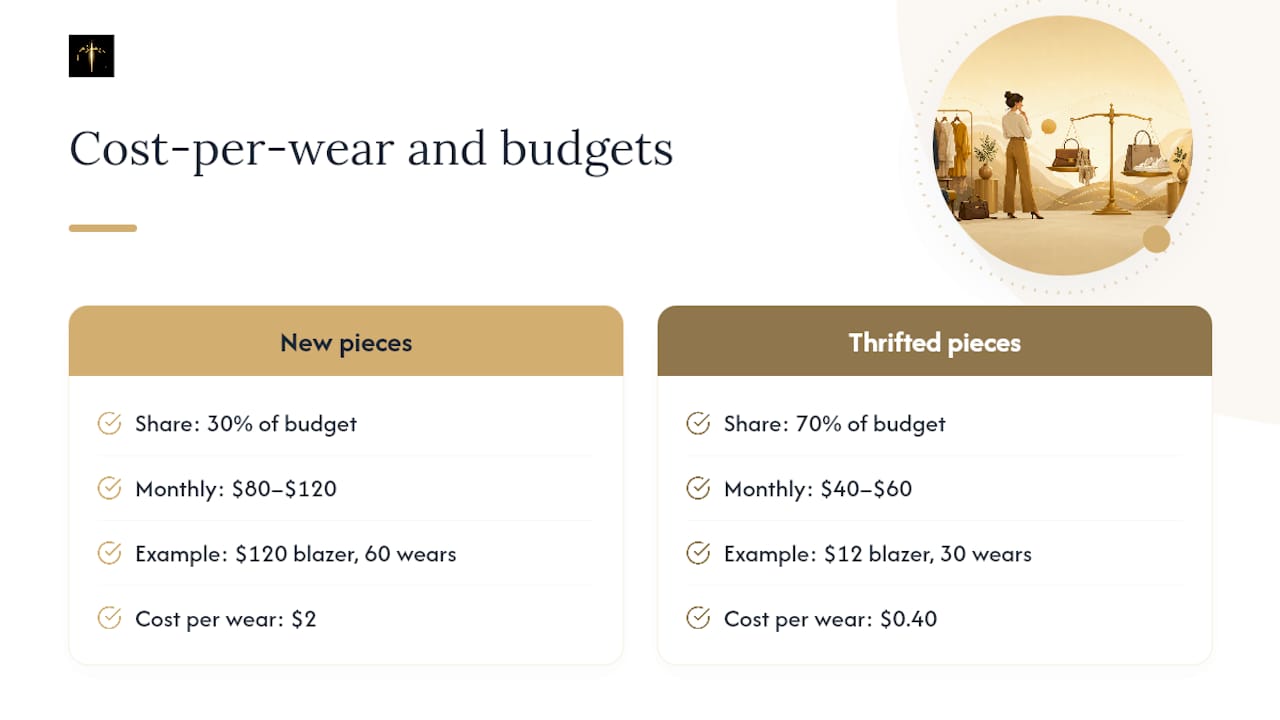
For new purchases, cost-per-wear math is your guide. A $120 new blazer worn 60 times costs $2 per wear. A $12 thrifted blazer worn 30 times costs $0.40 per wear. Both are good investments; the thrifted one just requires more sourcing effort upfront.
A practical monthly budget structure: set a fixed thrift allowance (say, $40–$60) and a separate, smaller new-piece budget ($80–$120). The thrift allowance covers experimentation and personality pieces. The new-piece budget covers basics and anything where hygiene or fit precision is non-negotiable. This keeps total clothing spend well below the average American's annual outlay while producing a more interesting wardrobe.
Common misconceptions about wearing secondhand clothing
"Secondhand means low quality." The opposite is often true. Pre-fast-fashion garments were built to last, and many vintage pieces have already proven their durability by surviving decades. The key is knowing what to look for, which the condition checklist above covers.
"It takes too much time." Online platforms like thredUP and Poshmark have made targeted searching fast. With the right filters and a clear sense of what you need, a 20-minute session on a resale app can surface better options than an hour in a mall.
"Secondhand isn't appropriate for work or formal occasions." A well-tailored vintage blazer or a pristine consignment dress is entirely office- and event-appropriate. Fit and condition matter far more than whether the tag is new. Thrift store outfit ideas regularly include polished, professional looks built almost entirely from secondhand pieces.
"It's unhygienic." This concern is valid but easily resolved. Wash everything before wearing it, as the medical literature confirms that laundering mitigates the primary hygiene risks associated with used clothing.
Why this approach changed how I think about getting dressed
Most style advice treats secondhand and new as separate categories with separate rules. That framing misses the point entirely. The most interesting wardrobes I've seen, and the most confident dressers, treat every piece as a potential collaborator regardless of where it came from.
What strikes me most about the mixing approach is the psychological shift it produces. When you stop chasing trends and start building combinations, getting dressed becomes a creative act rather than a daily anxiety. You develop a sharper eye for quality, a clearer sense of your own aesthetic, and a genuine satisfaction in wearing something no one else has. That confidence is real, and it compounds over time.
The sustainability angle matters too, but I'd argue the personal style payoff is what actually sustains the habit. People don't thrift because they feel obligated to the planet. They keep doing it because they find something extraordinary that a mall could never have offered them.
Mytenue makes mixing secondhand and new effortless
Your thrift finds deserve a stylist who knows your whole wardrobe, not just the new pieces. Mytenue's AI stylist does exactly that: it reads your existing wardrobe, your thrifted additions, and your daily occasions, then builds outfit combinations you'd actually wear.
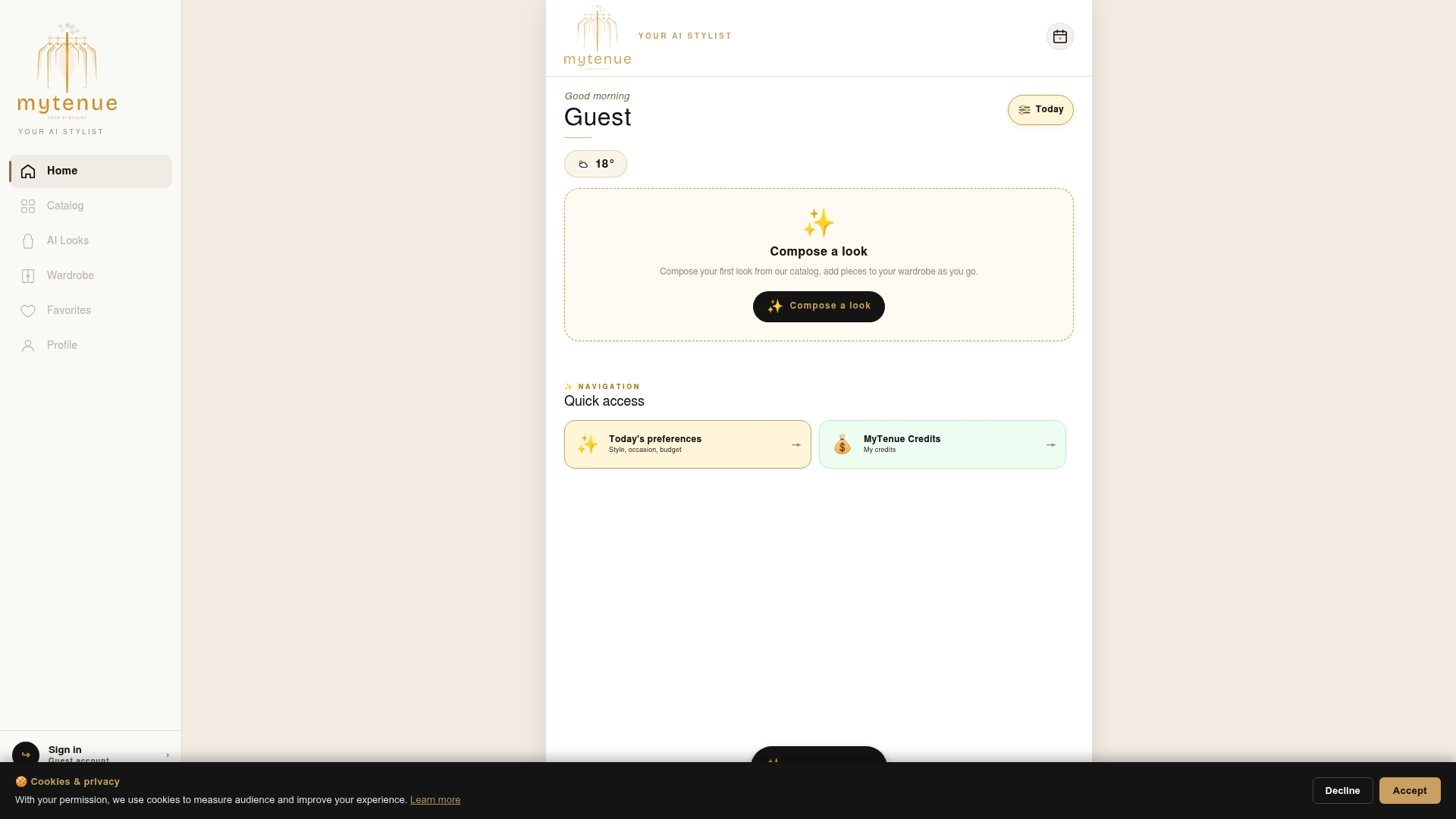
Upload your wardrobe, add your thrift finds, and let the AI match them by color, fabric, and occasion. The virtual try-on shows you the combination before you commit. The daily suggestions adapt to weather and your calendar. No more standing in front of a full closet feeling like you have nothing to wear.
Ready to see your thrifted and new pieces working together? Start with Mytenue and get your first AI-curated outfit mix today.
Sources
- Second-Hand Clothe, a New Threat for Acquiring Parasitic Infection - PMC
- Build A Sustainable Wardrobe On Any Budget – Proteck'd EMF Apparel
- The Secrets to Buying Stunning Secondhand Home Decor | Reviews by Wirecutter
- How to mix vintage and modern correctly | Good Housekeeping