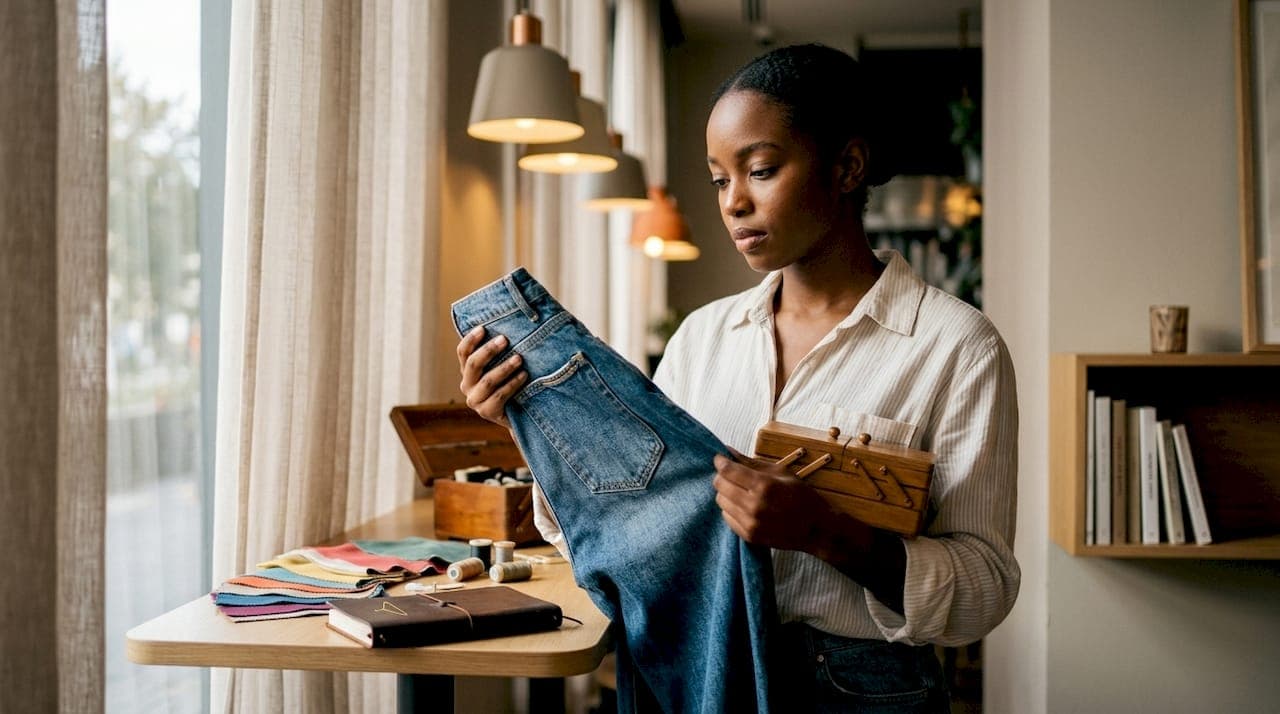
Outfit recycling wardrobe is the deliberate practice of refreshing and reusing your existing clothes through creative styling, basic repair, and responsible recycling to build a lasting, eco-friendly wardrobe. The industry term for this broader practice is fashion circularity, and it ranks reuse and remixing above upcycling and material recycling in its hierarchy of impact. Raw material production accounts for 43–50% of a garment's total environmental footprint, which means the most powerful thing you can do is keep clothes in use longer. This guide covers every layer of that practice, from daily care habits to creative outfit remix strategies to responsible end-of-life options.
What is outfit recycling wardrobe, and why does it matter?
Outfit recycling wardrobe is not just dropping old jeans into a donation bin. It is an intentional system built on three pillars: caring for clothes so they last, remixing them so they feel fresh, and recycling them responsibly when they are truly worn out. The circularity hierarchy ranks reuse first, upcycling second, and material recycling third. That ranking exists because keeping a garment in use requires far less energy than breaking it down and rebuilding it into something new.
The concept also pushes back against fast fashion's core assumption: that clothes are disposable. When you treat each piece as worth maintaining, you naturally buy less. Buying less and choosing quality limits textile environmental impact, which is why sustainable fashion tips consistently center on fewer, better purchases rather than constant turnover. Outfit recycling is the daily habit that makes that philosophy real.
How does proper garment care extend wardrobe life?
Care is the least glamorous part of outfit recycling, and it is also the highest-leverage one. The way you wash, dry, and store clothes determines how long they stay wearable.
- Wash in cold water. 90% of laundry should be washed in cold water to save energy and preserve fabric fibers. Hot water breaks down elastic, fades color, and shrinks natural fibers faster than cold.
- Air dry when possible. Machine drying generates heat that weakens fabric over time. Hanging clothes to dry extends their shape and texture, especially for knitwear and structured pieces.
- Learn basic mending. Sewing a button or fixing a hem can double or triple a garment's usable life. These are 10-minute skills that most people can learn from a free video tutorial.
- Store clothes correctly. Fold heavy knits instead of hanging them to prevent shoulder distortion. Use cedar blocks instead of mothballs to protect natural fibers without chemical damage.
Pro Tip: Turn dark-colored clothes inside out before washing. This single habit dramatically slows color fading and keeps blacks and navies looking sharp for years longer.
Care practices reduce your environmental footprint at the source. When a garment lasts twice as long, its production impact is effectively cut in half. That math is simple, and it costs nothing beyond a small shift in habit.
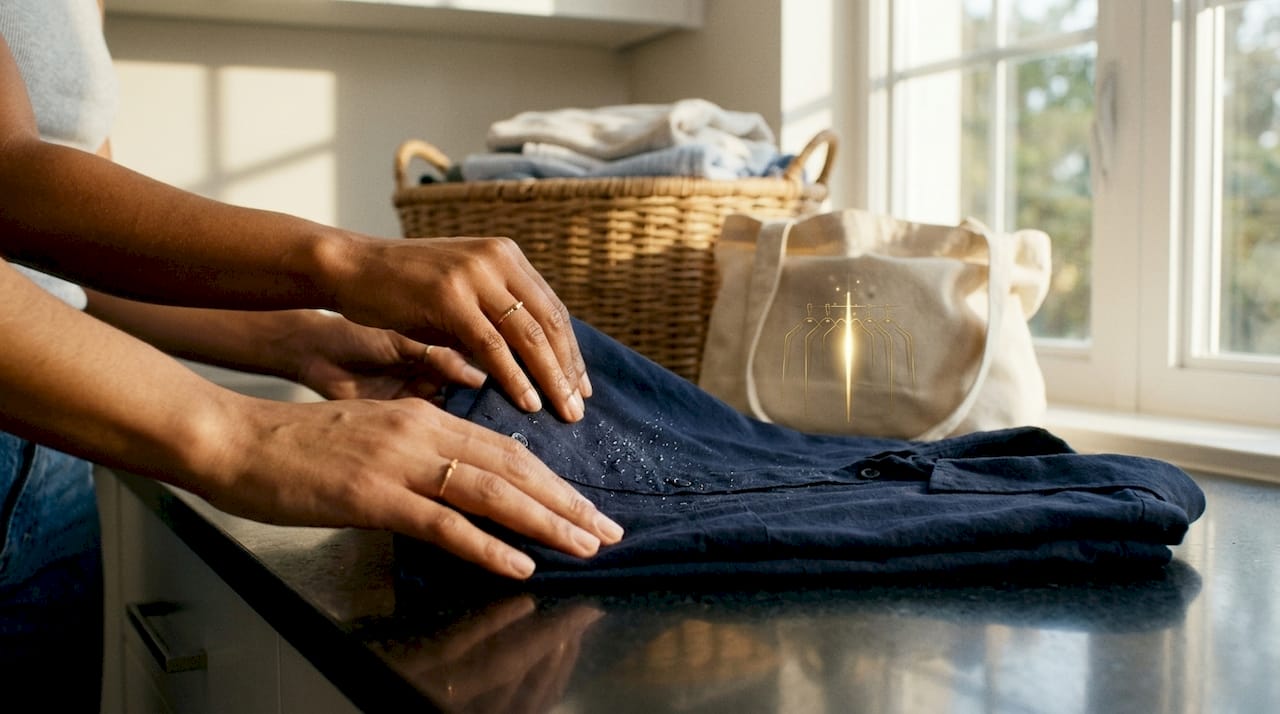
How do you sort your wardrobe for effective outfit recycling?
A wardrobe you cannot see clearly is a wardrobe you cannot use well. Sorting is the foundation of any effective outfit recycling practice.
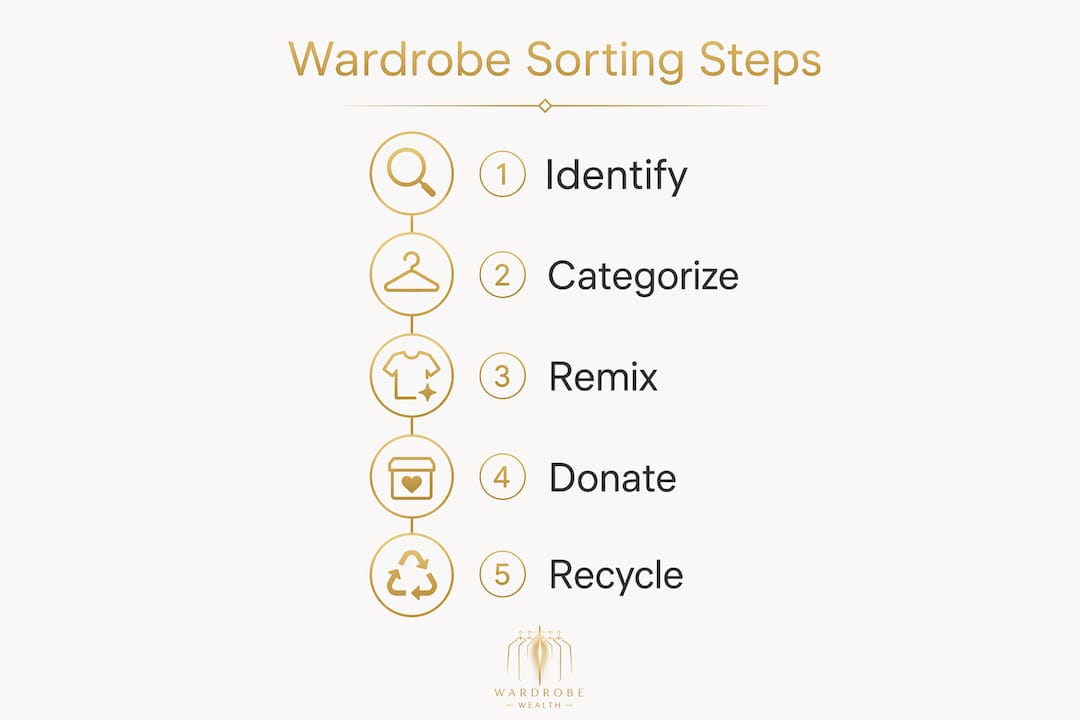
- Pull everything out. Lay every item flat or hang it in one place. You cannot evaluate what you cannot see.
- Sort into three piles. Label them "love and wear," "remix goldmine," and "donate or recycle." The first pile contains pieces you reach for regularly. The second holds items you own but rarely style creatively. The third is for anything damaged beyond repair or no longer wanted.
- Identify your versatile anchors. Timeless pieces like a well-fitted blazer, a white button-down, or dark straight-leg trousers belong in the "love and wear" pile regardless of trend. These are the building blocks of a functional wardrobe that supports daily remixing.
- Be honest about the "remix goldmine" pile. Ask one question for each item: can this work with at least three other pieces I already own? If yes, keep it. If no, move it to donate or recycle.
- Assess damage honestly. Stains that survived three washes, broken zippers on items you cannot repair, and fabric that has pilled beyond recovery belong in textile recycling, not donation.
Pro Tip: Take a photo of your "remix goldmine" pile before putting it away. Seeing those pieces as a flat-lay image helps you spot combinations you would never notice hanging in a closet.
Decluttering with sustainability in mind means resisting the urge to donate everything you do not love. Donation centers often reject stained or damaged items, and those pieces end up in landfill anyway. Sorting honestly saves everyone time.
What outfit remix strategies make the same clothes feel new?
Outfit remixing is the creative core of wardrobe recycling. It requires no new purchases and produces results that most observers will not even recognize as repetition.
Psychological research shows that people remember the overall impression of an outfit, not its exact components. Changing one visible element — shoes, a bag, a jacket — is enough to make a repeated outfit feel entirely different to everyone around you.
That insight changes everything about how you approach getting dressed. You are not repeating an outfit. You are wearing a base and rotating its context.
Practical remix techniques include:
- Swap footwear first. The same midi dress reads as casual with white sneakers, polished with block-heeled mules, and dressed up with strappy sandals. Footwear carries more visual weight than most people realize.
- Change your outerwear. A denim jacket, a structured blazer, and an oversized coat each create a completely different silhouette over the same outfit underneath.
- Use styling tweaks. Tucking in a shirt, cuffing trousers, or tying a blouse at the waist alters the silhouette without adding a single new piece.
- Layer with accessories. A silk scarf worn as a headband, a belt cinching a previously loose dress, or stacked rings shift the entire mood of an outfit.
Frequent outfit repetition paired with small changes supports lower consumption patterns. That is not a sacrifice. It is a skill, and it gets easier the more you practice it. Explore time-saving outfit planning to build this habit into your daily routine without the mental load.
What are your options when clothes can no longer be worn?
When a garment reaches the end of its wearable life, responsible disposal matters. The options are not equal, and choosing the right one depends on the item's condition.
| Disposal method | Best for | Key detail |
|---|---|---|
| Donation | Clean, wearable items in good condition | Donation centers reject stained or damaged pieces |
| Mail-in textile recycling | Worn-out, stained, or unsellable items | Services like Retold Recycling start at $14 per bag |
| Local drop-off programs | Any unwanted textiles | Many retailers and municipalities offer free take-back bins |
| Upcycling at home | Fabric with usable sections | Cut into cleaning rags, patch material, or craft projects |
| Landfill | Last resort only | Use only when no other option exists |
Industrial textile recycling programs break down fibers for reuse in products like insulation, padding, and industrial rags. That means even a shirt too worn to donate still has a useful second life. Donation centers often reject stained or damaged items, so sending those pieces to textile recycling rather than a charity bin is the more responsible choice.
Upcycling at home is the most creative end-of-life option. An old flannel shirt becomes a set of reusable cleaning cloths. A worn denim jacket loses its sleeves and becomes a vest. These small acts of repurposing keep textiles out of landfill and give them a third or fourth use.
How do you build a sustainable wardrobe through outfit recycling?
Outfit recycling works best as a system, not a one-time sort. Building that system means making deliberate choices about what you own and how you use it.
- Aim for a capsule wardrobe. A collection of 30–50 versatile pieces minimizes waste by maximizing how often each item gets worn. Fewer pieces used more often beats a packed closet where 80% sits untouched.
- Prioritize durability over trend. A well-made wool coat or quality leather boot will outlast five seasons of fast fashion alternatives. The 10-item wardrobe concept takes this further, proving that extreme curation produces more creative outfits, not fewer.
- Combine buying decisions with recycling habits. Before purchasing anything new, ask whether it works with at least five pieces you already own. If it does not, it will not get worn enough to justify its production impact.
- Make outfit recycling a daily practice. Each morning is a chance to remix rather than reach for something new. That habit, repeated consistently, is what makes a wardrobe sustainable rather than just well-intentioned.
Dressing well while spending less is the natural result of this system. Quality pieces maintained through care, remixed through creativity, and retired responsibly through recycling produce a wardrobe that costs less over time and contributes far less to textile waste.
Key Takeaways
Outfit recycling wardrobe is most effective when care, creative remixing, and responsible disposal work together as a daily system rather than isolated actions.
| Point | Details |
|---|---|
| Care extends garment life | Washing in cold water and air drying preserves fabric and reduces environmental impact. |
| Remixing replaces new purchases | Changing one outfit element creates a fresh look without buying anything new. |
| Sort before you recycle | Categorize clothes honestly to maximize reuse and send only truly worn-out items to recycling. |
| Textile recycling beats landfill | Mail-in services and local drop-offs handle damaged items that donation centers reject. |
| Capsule wardrobes reduce waste | A curated collection of 30–50 pieces gets worn more often and wastes less than a packed closet. |
Why outfit recycling changed how I think about getting dressed
The biggest misconception I see is that outfit recycling is about sacrifice. People hear "wear your clothes more" and picture a boring, repetitive wardrobe. That is the wrong frame entirely.
What I have found is the opposite. When you stop buying constantly, you start paying attention to what you already own. That attention produces more creativity, not less. The blazer you bought three years ago and forgot about becomes the piece that pulls together five outfits you never would have built otherwise.
The social pressure to avoid repeating outfits is real, but it is also largely imagined. Reframing garments as special expressive pieces rather than disposable objects shifts your entire relationship with your wardrobe. Once you see clothes as worth caring for, the habit of mending a loose button or air-drying a favorite shirt stops feeling like effort and starts feeling like respect.
My honest advice: start with one repair and one remix this week. Fix something small. Wear something you own in a way you have not tried before. Those two actions, repeated consistently, build the mindset that makes outfit recycling feel natural rather than forced.
— Ahmed
Mytenue makes outfit remixing easier
Knowing the theory of outfit recycling is one thing. Putting it into practice every morning is another.
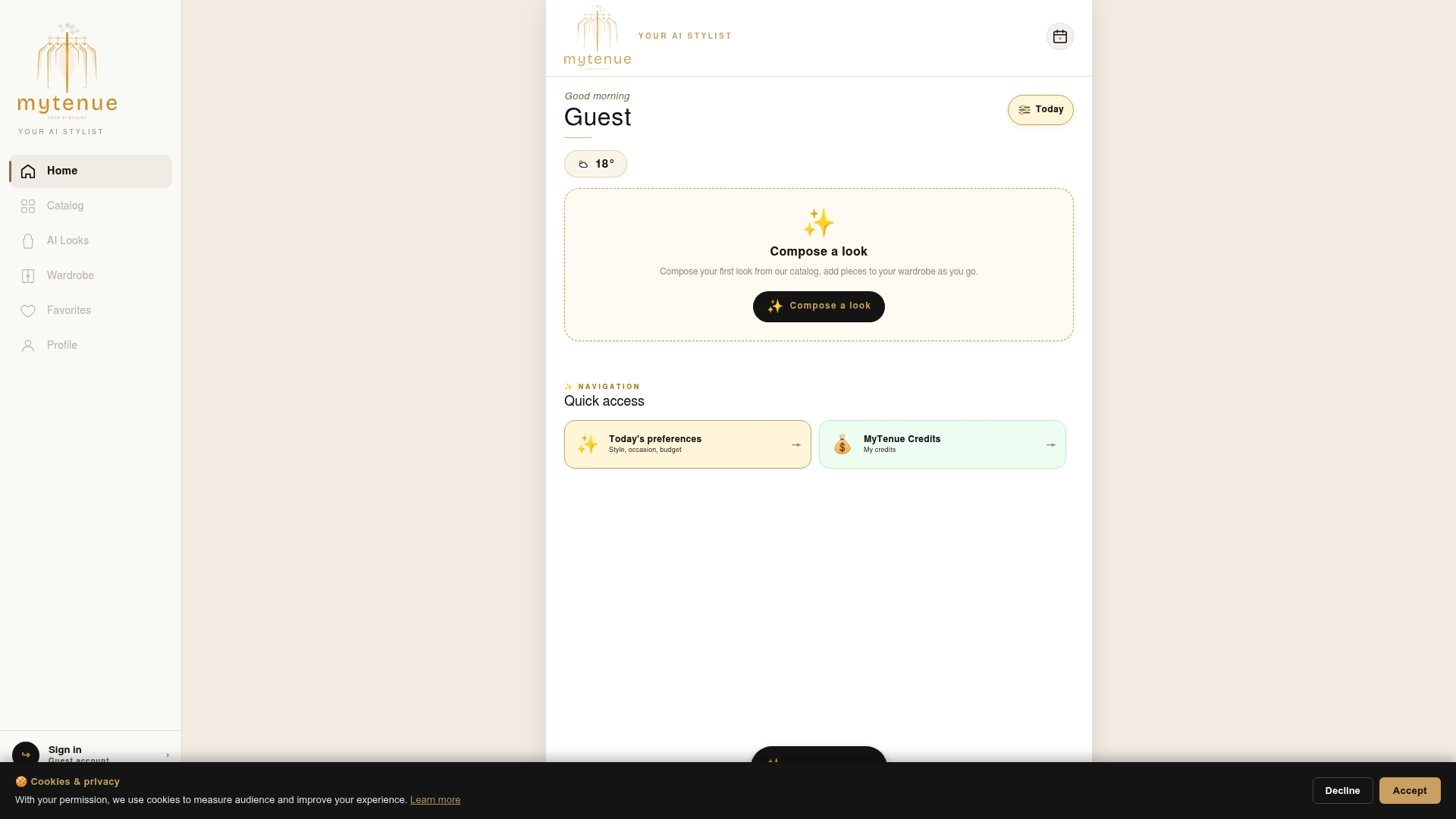
Mytenue is an AI-powered platform that helps you build and remix outfits from the clothes you already own. You input your style preferences, occasions, and existing pieces, and Mytenue generates personalized looks that make the most of your current wardrobe. No pressure to buy new. No decision fatigue. Just clear, creative outfit ideas that support your sustainable fashion goals. Visit Mytenue to see how AI-assisted styling can make wardrobe recycling a daily habit you actually enjoy.
FAQ
What is outfit recycling wardrobe in simple terms?
Outfit recycling wardrobe is the practice of creatively reusing, restyling, and responsibly disposing of your existing clothes to reduce waste and extend garment life. It combines care, remixing, and recycling into one sustainable approach.
How do I start recycling my wardrobe?
Sort your clothes into three categories: pieces you wear regularly, pieces with remix potential, and items to donate or recycle. Start with basic care habits like cold-water washing and air drying, then practice swapping one outfit element each day.
What is the difference between upcycling and recycling clothes?
Upcycling means transforming a garment into something new and usable, like turning a worn shirt into a tote bag. Recycling means breaking down the textile fibers for use in industrial materials like insulation or padding.
Can I recycle clothes that are too damaged to donate?
Yes. Mail-in textile recycling services accept stained, torn, or worn-out items that donation centers reject. These programs process fibers into industrial materials, keeping textiles out of landfill.
How many pieces does a sustainable wardrobe need?
A capsule wardrobe of 30–50 versatile pieces is the standard recommendation for minimizing waste while maximizing outfit variety. The key is choosing pieces that work together across multiple combinations.