
Outfit planning for busy mornings is the practice of preparing simple, versatile clothing combinations in advance so you can dress quickly and confidently under time pressure. Most people spend up to 17 minutes getting dressed each morning, which adds up to more than 120 hours per year. That time compounds into real stress, especially for professionals and parents managing packed schedules. The fix is not a bigger wardrobe. It is a smarter system built on outfit formulas, choice architecture, and coordinated sets that do the thinking for you before the alarm goes off.
How outfit planning for busy mornings works: outfit formulas
The most effective morning dressing system is the outfit formula, also called a personal uniform. A formula is a repeatable combination of anchor pieces that you can assemble in under 60 seconds. Creating 3–5 outfit formulas and pre-building these sets eliminates morning hesitation entirely. You are not choosing an outfit. You are executing a plan you already made.
Building your anchor pieces
An anchor piece is the item you build an outfit around. For most professionals, this is a trusted pair of dark jeans, a well-fitted blazer, or a go-to dress. Choose pieces that fit well and feel comfortable, because comfortable, well-fitting clothes get chosen more often and create less friction at the closet. Start with two or three anchors and build outward.
Adding layers that do the work
Layering is where outfit formulas gain polish without effort. A structured jacket over a simple top, or a cardigan over a fitted dress, creates a finished look in seconds. The key principle here is opposing proportions: combining a loose base with a structured layer guarantees a polished result without any fashion expertise. You do not need to think. The formula already accounts for balance.
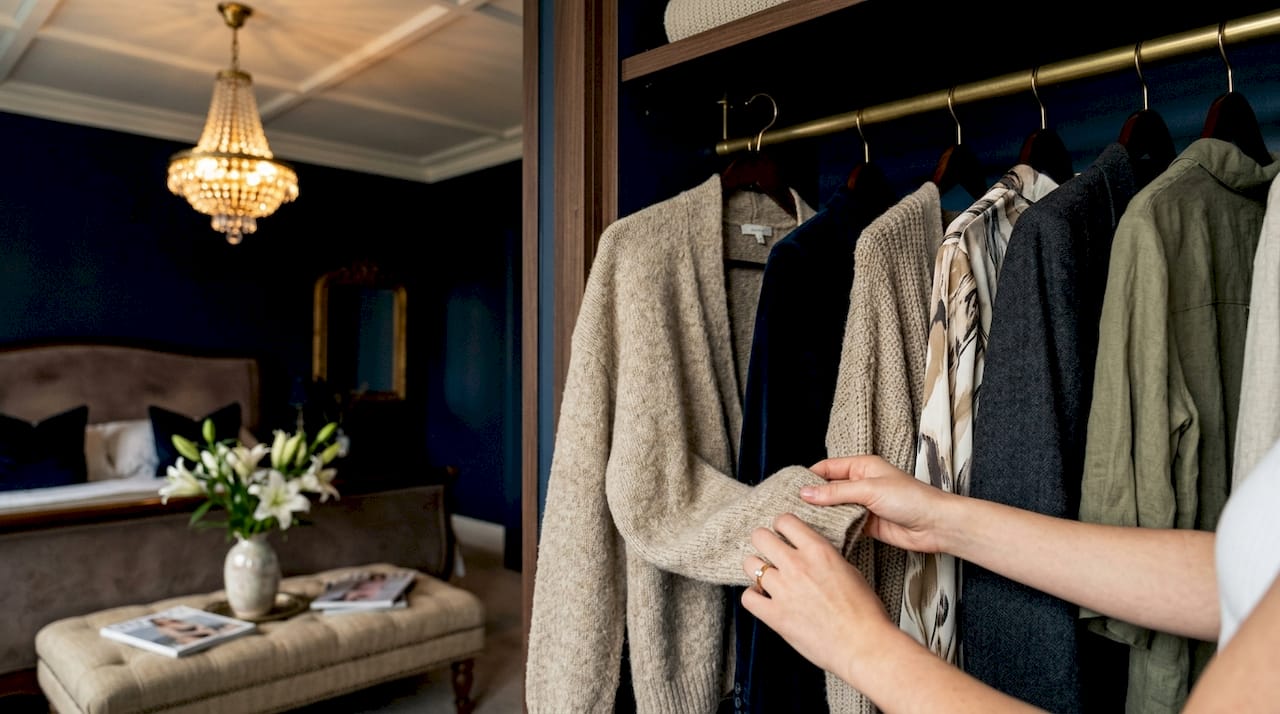
A monochromatic base layer is the ultimate fail-safe. A single-color base creates a vertical visual line that is flattering and requires zero creative effort under pressure. Pair it with one statement layer and you are done.
Simplifying footwear
Footwear is one of the biggest sources of morning decision fatigue. Reducing your shoe rotation to three reliable pairs, such as white sneakers, ankle boots, and flats, removes an entire category of daily decisions. Assign each pair to specific outfit formulas so the choice is already made.
Pro Tip: Photograph each completed outfit formula on your phone. When you are half-awake at 6:30 AM, a photo reference is faster than memory.
- Choose 3–5 anchor pieces that fit well and feel comfortable.
- Build one complete outfit around each anchor, including a layer and shoes.
- Hang or fold each set together so it is grab-and-go ready.
- Photograph each set for quick reference on rushed mornings.
- Rotate sets weekly to maintain variety without daily decisions.
Why does wardrobe organization reduce morning decision fatigue?
Decision fatigue is real and measurable. Every choice you make in the morning draws from the same mental energy pool you need for work, parenting, and everything else. The solution is choice architecture, a concept borrowed from behavioral science. Applied to your wardrobe, choice architecture means curating what is visible and accessible so the right choice is always the easiest one.
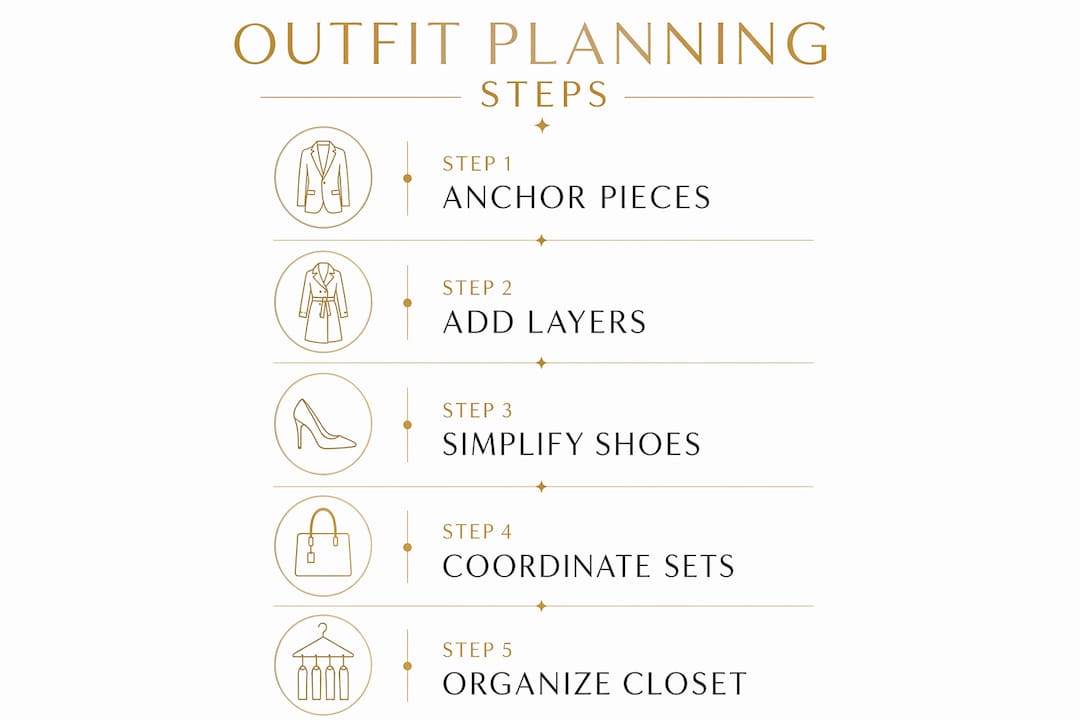
Organizing clothes by category then color cuts dressing time nearly in half and eliminates mid-morning outfit regret. The reason is neurological. Grouping items by color creates pre-attentive visual cues that let your brain filter options before you consciously process them. You see "navy tops" as a block, not as 12 individual decisions.
Pro Tip: Spend 45 minutes reorganizing your closet by category and color once. That single session can return 5 extra minutes every morning, which adds up to more than 30 hours per year.
Here is a practical setup to follow:
- Category first: Group all tops together, all bottoms together, all dresses, then outerwear.
- Color within category: Within each group, arrange from light to dark or by color family.
- Seasonal editing: Move off-season items to the back or a separate space so only relevant pieces are visible.
- Frequency rule: Keep your most-worn items at eye level and within easy reach.
- Fabric weight: Within color groups, arrange by fabric weight so heavier pieces do not visually crowd lighter ones.
Stylists emphasize practicing choice architecture rather than eliminating all choices. The goal is not a capsule wardrobe of five items. The goal is a wardrobe where every visible item is a good option, so any choice you make is already a win.
| Closet setup | Average dressing time | Decision points |
|---|---|---|
| Unorganized, mixed items | 15–17 minutes | High |
| Organized by category only | 10–12 minutes | Moderate |
| Organized by category and color | 7–9 minutes | Low |
How do coordinated sets simplify morning style?
Coordinated sets, commonly called co-ords, are pre-matched clothing pieces designed to be worn together. They are the physical version of an outfit formula built directly into the garment. Co-ord sets are trending because they deliver polished looks without requiring color theory knowledge or styling experience. For busy professionals and parents, that is a significant advantage.
Pre-planned coordinated sets reduce dressing time by 30–50% compared to building outfits from scratch each day. Three to five co-ord sets in rotation provide enough variety without overcomplicating your wardrobe. That is the sweet spot between monotony and chaos.
Choosing co-ords that work harder
Not all co-ords are equal. The most useful ones for a busy wardrobe share a few traits:
- Neutral or versatile color palette: Camel, navy, gray, and olive co-ords pair easily with existing pieces.
- Separable pieces: Choose sets where the top and bottom work independently so you get more combinations per purchase.
- Fabric that travels well: Wrinkle-resistant fabrics like ponte, jersey, or structured linen stay polished through a full day.
- Day-to-night flexibility: A blazer-and-trouser co-ord worn to the office can shift to dinner with a swap of shoes and a bag.
Co-ords vs. traditional mix-and-match
Traditional mix-and-match outfits offer more variety but demand more mental effort. Co-ords trade some variety for guaranteed coordination. For a workweek outfit planning system, co-ords function as the reliable backbone while mix-and-match pieces fill in for casual days or weekends.
The practical rule: own 3–5 co-ords for high-pressure days and 5–7 mix-and-match anchor pieces for lower-stakes mornings. That split covers a full week without daily decision-making.
What habits make morning outfit planning stick?
A system only works if you use it consistently. The habits that support outfit planning are simple, but they require a small weekly investment that pays back every single morning.
Weekly outfit planning on Sunday while doing another low-focus activity, like watching TV or folding laundry, increases consistency and reduces decision stress across the entire workweek. Planning a full week at once saves more mental energy than deciding each night. You make one batch of decisions instead of five separate ones.
Here is a weekly routine that works for busy schedules:
- Sunday evening: Check the week's calendar and weather forecast. Lay out or hang five complete outfits, one per workday.
- Weather check: Adjust for temperature and rain before the week starts, not at 7:00 AM on Wednesday.
- Accessories prep: Set out jewelry, belts, and bags alongside each outfit so nothing is missing in the morning.
- Shoe assignment: Match shoes to each outfit during the Sunday session. Do not leave this for the morning.
- Friday reset: Spend five minutes returning worn items to their correct wardrobe spots so Sunday prep stays fast.
Pro Tip: Attach a small hook or tray near your closet for the next day's accessories. Removing the "where did I put it?" moment saves more time than most people expect.
The most common pitfall is overcomplicating the system. Mixing too many prints, colors, or statement pieces in a single week creates the same decision fatigue you are trying to avoid. Stick to your formulas. Add variety through accessories, not through rebuilding outfits from scratch.
For a deeper look at building a wardrobe that supports this kind of routine, the functional wardrobe guide on the Mytenue blog covers the foundational principles in detail.
Key Takeaways
Outfit planning for busy mornings works because pre-built formulas, organized wardrobes, and coordinated sets remove daily decisions before they can drain your morning energy.
| Point | Details |
|---|---|
| Build 3–5 outfit formulas | Pre-assembled sets let you dress in under 60 seconds with no morning guesswork. |
| Organize by category then color | This single change cuts dressing time nearly in half by creating instant visual clarity. |
| Use co-ords for high-pressure days | Pre-matched sets reduce dressing time by 30–50% and require no styling knowledge. |
| Plan outfits weekly, not daily | A Sunday planning session covers the full week and saves more mental energy than nightly prep. |
| Simplify footwear to three pairs | Assigning shoes to specific formulas eliminates one of the biggest sources of morning delay. |
What I have learned from watching busy people dress
Ahmed here. After years of observing how professionals and parents actually use their wardrobes, the pattern is consistent: the people who look most put-together in the morning are not the ones with the most clothes. They are the ones who made their decisions the night before, or the Sunday before.
The advice that surprises most people is this: do not try to build a perfect wardrobe first. Start with one outfit formula. Just one. Wear it twice this week and notice how much calmer that morning feels. That calm is the evidence you need to build the next formula.
The second thing I have noticed is that comfort and style are not in conflict. The professionals who dress fastest own fewer items, but every item fits well and feels good. They never stand at the closet rejecting options. Every visible piece is a yes. That is the real goal of wardrobe organization: a closet where you cannot make a bad choice.
Start small. Build one formula. Reorganize one section of your closet. The habit compounds faster than you expect.
— Ahmed
Mytenue makes outfit planning easier
Choosing what to wear should not cost you 17 minutes every morning. Mytenue is an AI-powered platform that builds personalized outfit recommendations around your style preferences, schedule, and budget, so your wardrobe works for you before the day even starts.
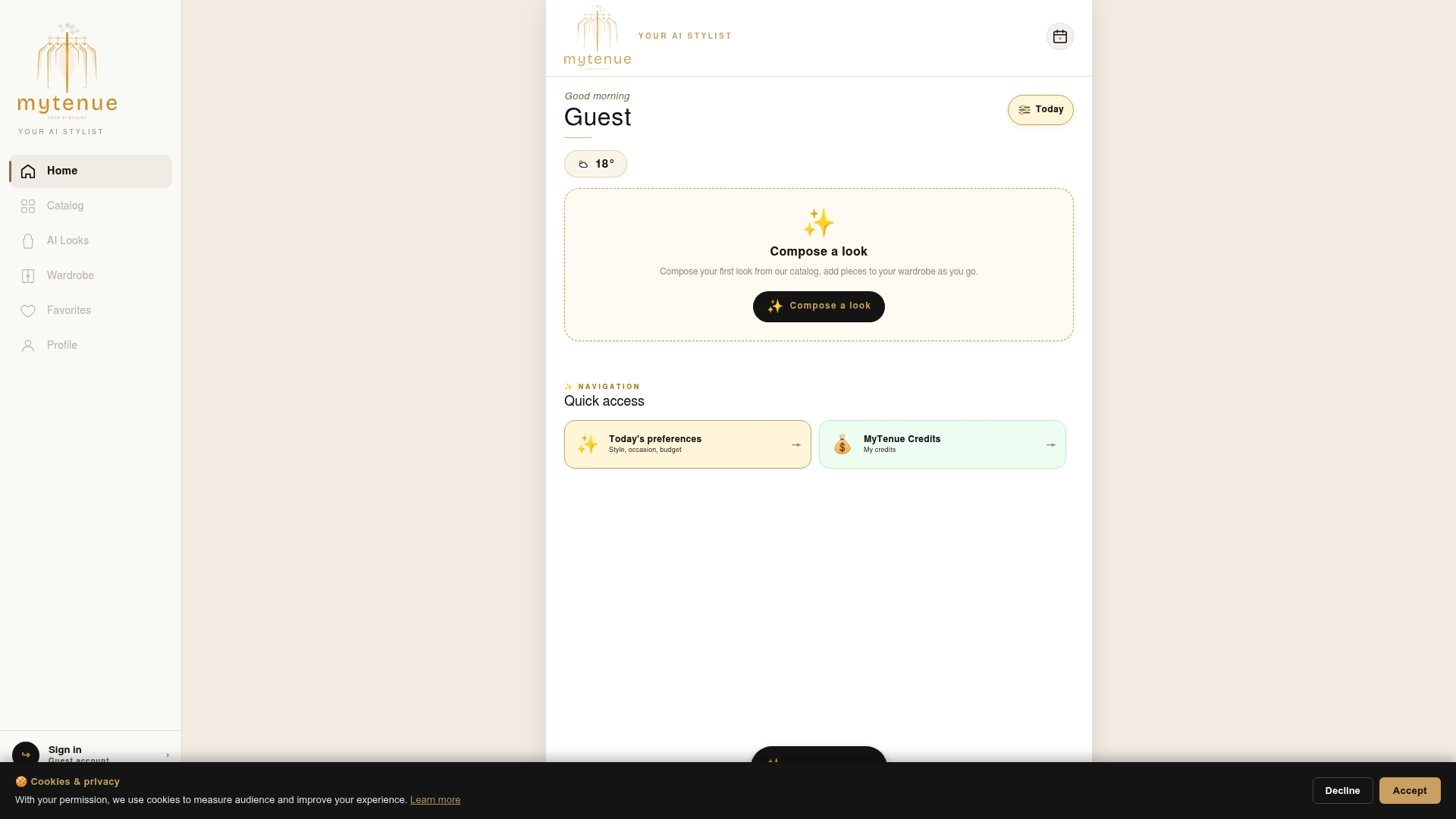
Whether you are building a capsule wardrobe from scratch or looking for ready-to-wear co-ord sets that fit your lifestyle, Mytenue brings the whole process together in one place. The platform matches existing pieces with new additions, encourages mix-and-match combinations, and helps you see your wardrobe as a coordinated system rather than a collection of separate items. Visit Mytenue and let your AI stylist handle the planning.
FAQ
How long does outfit planning actually take?
A weekly planning session takes 15–20 minutes on Sunday and eliminates daily dressing decisions. That investment returns time every single morning of the workweek.
What is an outfit formula?
An outfit formula is a repeatable clothing combination built around one anchor piece, a complementary layer, and assigned footwear. Three to five formulas cover most professional and casual needs.
How do co-ord sets save time in the morning?
Co-ord sets are pre-matched by design, so no color coordination or styling is required. Pre-planned co-ord sets reduce dressing time by 30–50% compared to building outfits from scratch.
Does wardrobe organization really reduce stress?
Yes. Organizing by category and color creates visual cues that let your brain filter options instantly, cutting decision fatigue before it starts.
How many outfits do I need for a stress-free week?
Five complete outfits, one per workday, is the practical minimum. Adding 3–5 co-ord sets as backups covers unexpected schedule changes without requiring extra planning.