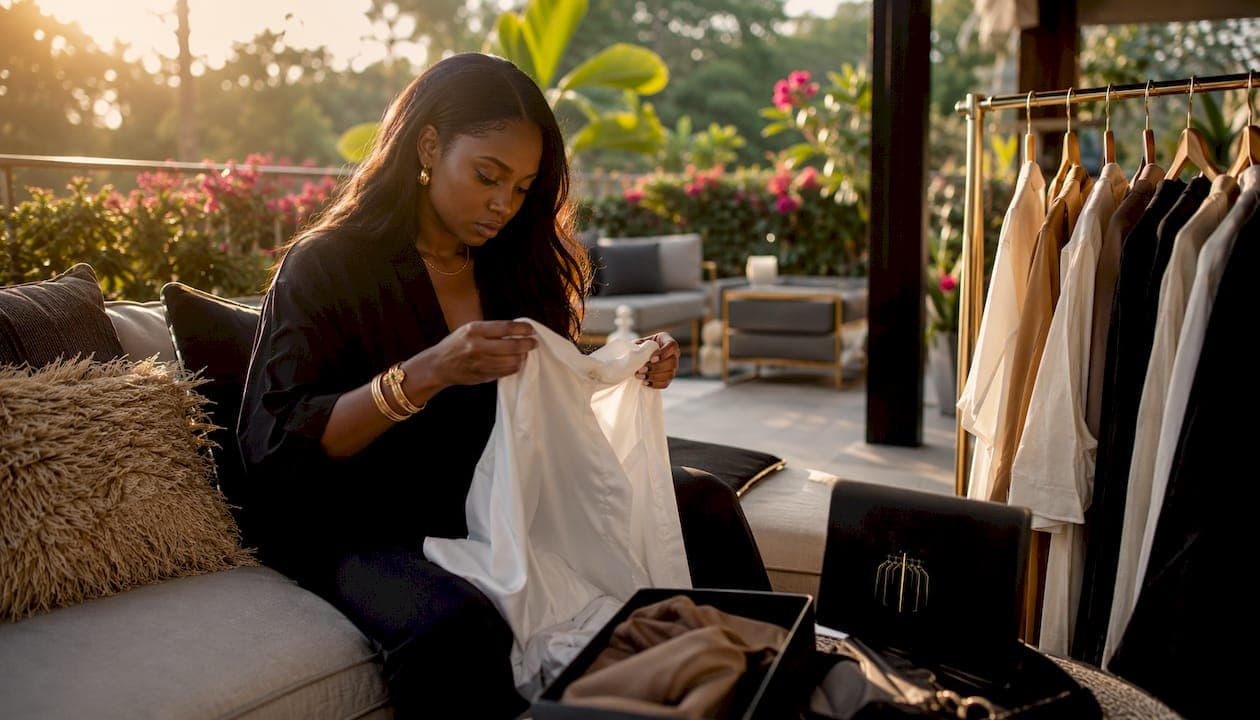
A seasonal style refresh on a budget works best when you treat it as a system, not a shopping trip. Start by clearing out what no longer fits or excites you, identify the gaps, then shop with a category spending cap already in place. The result? A wardrobe that feels genuinely new without the credit card regret.
Here's the quick-start checklist:
- Declutter first. Remove anything you haven't worn in a year.
- Audit your gaps. Note what's missing before you buy anything.
- Set category budgets. Allocate spending by clothing type, not by impulse.
- Shop secondhand first. Thrift stores and resale platforms stretch every dollar.
- Apply the 48-hour rule. Wait before checking out online carts.
- Refresh with accessories. Swap shoes, scarves, or a bag before buying new clothes.
- Build a capsule core. Aim for 10–12 pieces that all work together.
How to declutter and reassess your wardrobe for a seasonal refresh
The most overlooked step in any budget-friendly wardrobe update is the one that costs nothing: editing what you already own. Pull everything out. Yes, everything. You'll find pieces you forgot you had, duplicates that waste space, and items that never quite worked.
Decluttering criteria
Keep a piece only if it passes all three of these tests:
- Fit: Does it fit your body right now, not the body you're planning for?
- Condition: Is the fabric pilling, fading, or stretched beyond repair?
- Wear frequency: Have you worn it in the past 12 months?
Anything that fails two of those three goes. Donate wearable pieces to a local thrift store or sell them on platforms like Poshmark or Facebook Marketplace. Selling underused items turns closet clutter into cash you can reinvest in a few genuinely timeless pieces.
Wardrobe audit steps
Once the closet is cleared, reassess what remains with fresh eyes:
- Group items by category: tops, bottoms, outerwear, shoes, accessories.
- Identify your most-worn "uniform" combinations. Most people rely on 2–3 outfit formulas daily.
- Note what's missing. If you keep reaching for a dark blazer that isn't there, that's your first purchase priority.
- Flag versatile pieces. A white button-down, dark jeans, and a neutral cardigan are the foundation of a mix-and-match wardrobe that works across seasons.
Simple garment care during this step also pays off. De-pilling sweaters, ironing wrinkled shirts, and steaming structured pieces can refresh your look without spending a cent.
Smart shopping strategies that actually stretch your budget
Shopping strategically is the difference between a wardrobe that feels fresh and a pile of regrettable impulse buys. The goal is to spend less and wear more.
Thrifting and online resale
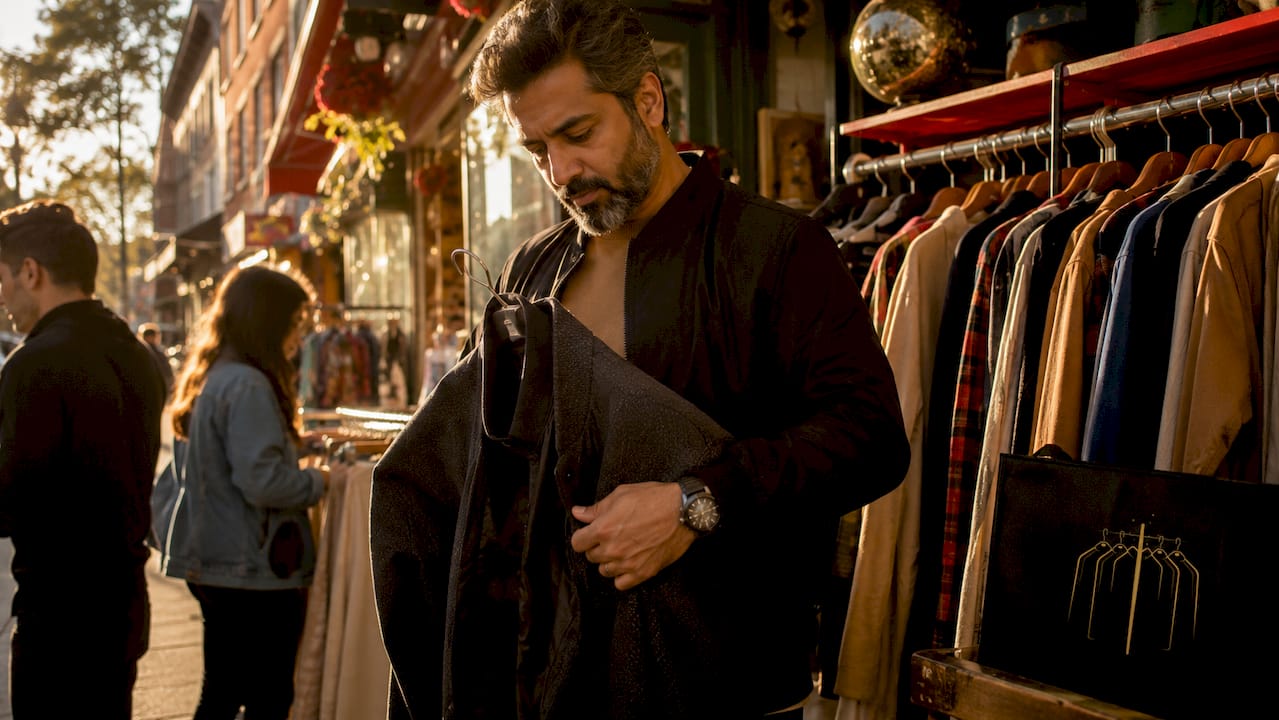
Thrift stores like Goodwill and Salvation Army regularly stock Gap, Banana Republic, and J.Crew pieces at a fraction of retail. Online platforms like thredUP and Poshmark let you filter by size, fabric, and price, which makes finding quality secondhand basics genuinely efficient. For affordable seasonal finds, secondhand shopping is the single highest-leverage move available.
The 48-hour rule
Add items to your cart, then walk away for 48 hours. This one habit prevents impulse buys and forces you to ask whether the piece fits your actual outfit formulas or just looks good in isolation. Most of the time, the urge passes. When it doesn't, you know the purchase is worth it.
Timing and sales
The deepest discounts are seasonal. Buying fall coats in july or winter sweaters in february means paying a fraction of peak-season prices. Sign up for email newsletters from your favorite stores for early sale access, and check outlet locations for designer pieces at steep markdowns.
Key shopping hacks
- Buy trendy items cheap. If something will be out of style in one season, spend as little as possible on it.
- Invest in fit-sensitive pieces. Jeans, structured jackets, and shoes deserve more of your budget because fit matters most there.
- Prioritize quality fabrics for base layers. A heavier-weight cotton tee at $15 looks and lasts better than a see-through version at the same price.
- Mix price points deliberately: spend more on quality base items, less on trend-driven accent pieces.
Styling tips to refresh your look without spending much
You don't need new clothes to look like you have a new wardrobe. Re-layering and re-combining what you own is the fastest, cheapest style refresh available.
Seasonal transitions through layering
Changing footwear before fabrics is the lowest-cost way to signal a new season. Swap sandals for leather loafers or ankle boots, and a summer outfit immediately reads as fall-appropriate. Add one removable layer, like a trench coat, fine knit, or unlined blazer, and you've bridged two seasons without buying a new wardrobe.

Color and accessories
Sticking to one color family head to toe looks intentional and polished regardless of where each piece came from. Cohesive color palettes obscure price differences between pieces and multiply outfit combinations. A statement scarf, a structured belt, or a pair of earrings does more visual work than a new top.
Pro Tip: Thrift a vintage silk scarf for under $5. It can elevate a plain tee-and-jeans combination into something that looks genuinely styled, and it takes up almost no closet space.
Styling hacks at a glance
- Half-tuck your tee into any bottom for an instant upgrade.
- Cuff jeans intentionally at the ankle to eliminate the "pool" that reads as careless.
- Layer a short-sleeve tee over a long-sleeve base to extend both pieces into cooler weather.
- Swap the bag: the same outfit reads casual with a tote and more polished with a crossbody.
- Iron or steam everything before wearing. Wrinkled clothes look cheap regardless of what they cost.
DIY alterations and upcycling
Proper fit is the single biggest difference between a cheap-looking outfit and a polished one. A pair of jeans hemmed by a tailor looks better than a more expensive pair that pools at the ankle. Replacing plastic buttons on a blazer with matte metal ones transforms the entire garment. These are fit and tailoring upgrades that cost almost nothing.
Budget allocation formula for a seasonal wardrobe refresh
Spending without a plan is how a $60 budget becomes a $200 problem. A structured category budget prevents one impulse purchase from swallowing your entire seasonal allowance.
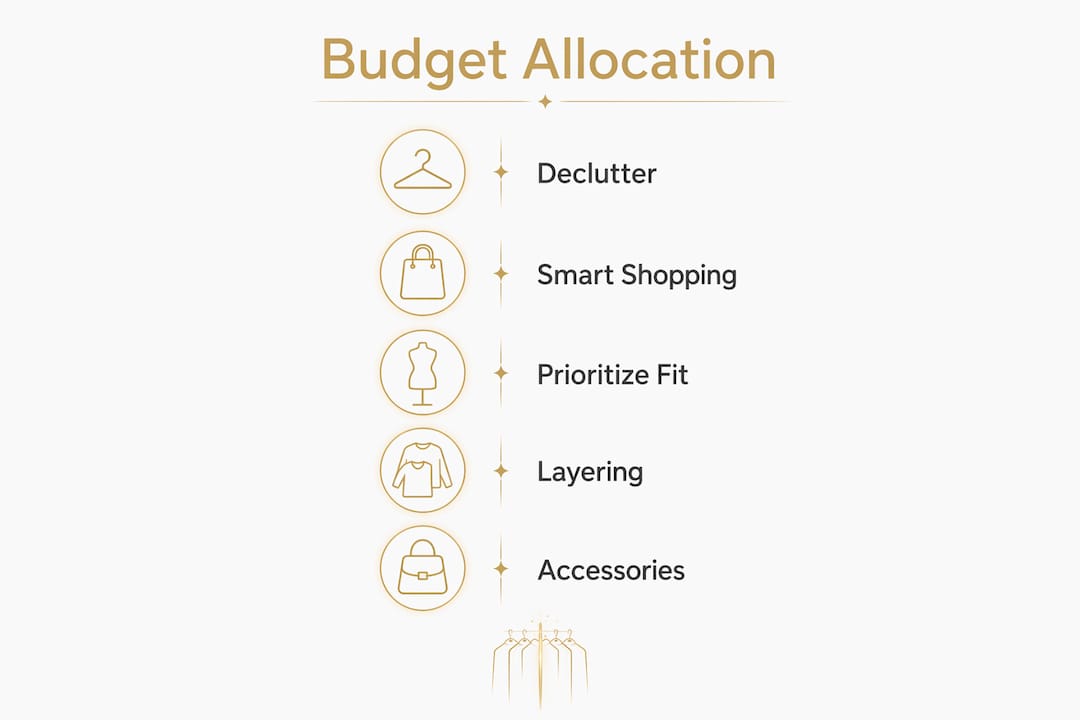
The formula that works: spend less on tops, more on bottoms and outer layers, and treat accessories as your style multiplier. Investing in jeans, shoes, jackets, and bags maximizes cost-per-wear because those pieces carry the most visual weight and get used every day.
| Category | Budget Share | Why It Gets This Weight |
|---|---|---|
| Tops (tees, tanks, basics) | — | Worn frequently but easy to replace cheaply |
| Bottoms and dresses | — | Fit matters most; higher wear per item |
| Shoes and accessories | — | Highest style impact per dollar spent |
| Shipping buffer | 10–15 % | Prevents budget overrun on online orders |
Budget planning do's and don'ts
Do:
- Set a total seasonal budget before opening any shopping app.
- Assign a spending cap to each category and stick to it.
- Reuse at least one closet staple per new outfit you build.
- Track what you actually wear after buying. It sharpens future decisions.
- Use the outfit stretching checklist to maximize what you already own before spending.
Don't:
- Expect one purchase to do everything. A single jacket won't fix a wardrobe with no versatile bottoms.
- Spend the majority of your budget on trendy items that will feel dated next season.
- Skip the shipping buffer. Unexpected costs are the fastest way to blow a tight budget.
- Buy something that almost fits. Alterations are cheap; regret is not.
Key Takeaways
A seasonal style refresh on a budget succeeds when you declutter first, allocate spending by category, and prioritize fit and accessories over volume.
| Point | Details |
|---|---|
| Declutter before buying | Clearing your closet reveals gaps and frees up cash from items you can sell. |
| Use the 48-hour rule | Waiting before checkout eliminates impulse buys and keeps spending intentional. |
| Prioritize bottoms and outerwear | Prioritizing bottoms and outer layers, with a portion dedicated to shoes and accessories, maximizes style impact. |
| Change footwear first | Swapping sandals for boots or loafers is the lowest-cost way to signal a new season. |
| Fit beats price every time | Proper fit is the single biggest difference between a cheap-looking outfit and a polished one. |