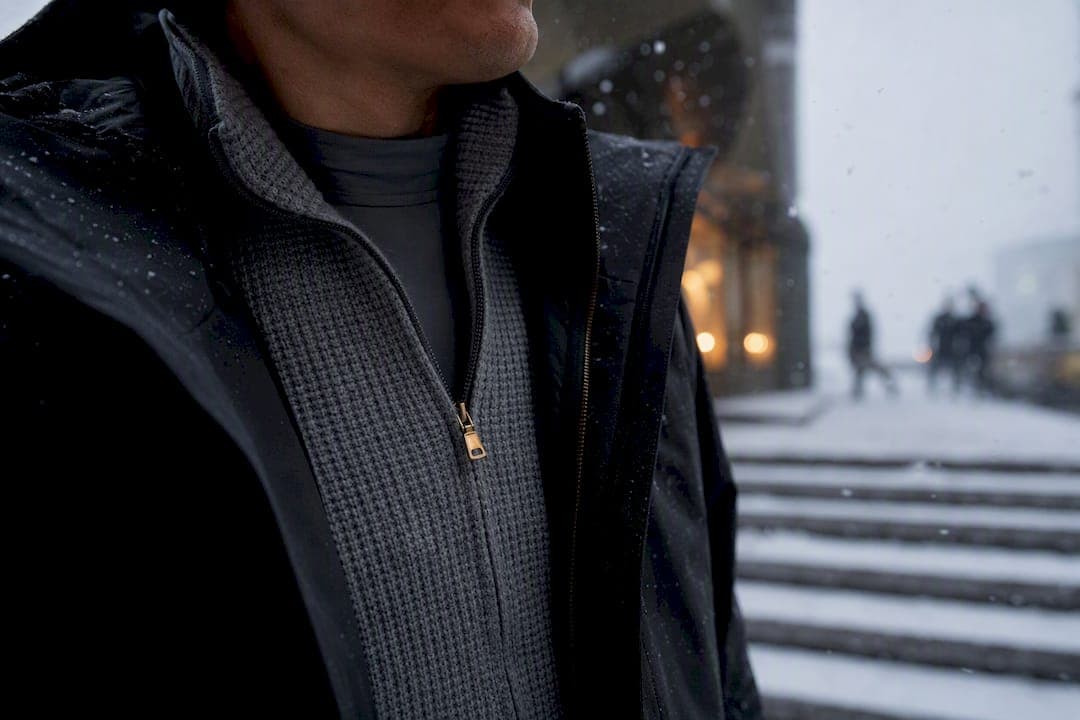
A reliable tenue grand froid comes down to a three-layer system: a moisture-wicking base, an insulating mid-layer, and a waterproof, breathable shell, matched to how active you'll actually be. Protect your hands, feet, and head first since that's where heat disappears fastest. Start there, then build the rest of the outfit around your activity level.
TL;DR:
- Merino wool and synthetic base layers are recommended because they wick moisture and dry quickly, while cotton should be avoided entirely.
- Insulation choices depend on conditions; down is best in dry, cold weather, but synthetic keeps insulating when damp and is better in wet, high-exertion environments.
- Proper fit is crucial, with layers close enough to trap heat but not so tight that they restrict circulation or cause moisture buildup.
- Insulating and waterproof gear degrade over time and require careful washing, storage, and periodic re-treatment to maintain performance.
- Prioritize investing in quality shells and boots, and consider renting or secondhand options for less frequently worn outer layers to save money.
Table of Contents
- How the Three-Layer System Works (and How to Adapt It)
- Materials and Insulation: Choosing the Right Fabrics
- Protecting Your Hands, Feet, and Head
- Getting the Fit and Moisture Management Right
- Outfit Recipes for Common Extreme-Cold Scenarios
- Turning These Formulas Into Your Own Wardrobe
- Keeping Cold Weather Gear Warm and Waterproof Season After Season
- Using Hand and Foot Warmers Without Burns or Waste
- Acclimatizing to Cold and Spotting Early Warning Signs
- Making Cold Weather Outfits Look Good, Not Just Function Well
- Practical Priorities When Your Budget or Luggage Space Is Limited
- Let Mytenue Build the Outfit So You Don't Have To
- Sources
- FAQ
How the Three-Layer System Works (and How to Adapt It)
Every effective extreme cold outfit follows the same logic. The three-layer system breaks down like this: a base layer wicks sweat off your skin, a mid-layer traps the warm air your body generates, and an outer shell blocks wind, snow, and rain before they reach you. Skip a layer and the whole chain breaks down, no matter how expensive the parka on top.
Activity level changes everything about how you build this system. A skier climbing uphill generates far more heat than someone standing at a bus stop, so the climbing skier needs breathable, removable layers rather than one thick coat. Static situations call for heavier, less breathable insulation, while movement demands modular pieces you can shed before you start sweating, according to cold protection specialists. Zip vents, pit zips, and layers you can stuff in a bag matter more than raw warmth once you're moving.
The often-cited "3-3-3" idea (three layers, covering three zones: core, head, extremities) works best as a mental checklist rather than a formula to follow rigidly. REI's cold weather guide treats it as a prompt to verify coverage, not a rule that overrides common sense about weather and exertion.
Use this sequence to pick layer weights before you head out:
- Check the forecast and wind chill, not just the air temperature. Wind cuts through thin shells fast.
- Estimate your exertion level. Static (waiting, watching, photographing) needs more insulation than active (walking, skiing, shoveling).
- Plan for a layer change. If you'll start cold and warm up through effort, wear less at first and carry the extra mid-layer rather than sweating through it.
Materials and Insulation: Choosing the Right Fabrics
Fabric choice decides whether your layering system actually performs once you're outside for hours, not just standing in a heated store trying things on.
- Base layers: Merino wool and synthetic fabrics both wick moisture and dry fast. Merino resists odor better over multi-day trips; synthetics dry quicker and usually cost less. Avoid cotton entirely. It absorbs sweat and stays wet against your skin, which accelerates heat loss.
- Mid-layer insulation: Down delivers the best warmth-to-weight ratio in dry conditions and compresses smaller for packing, but it loses much of its insulating value once wet. Synthetic insulation weighs a bit more for the same warmth, but it keeps performing when damp, according to Grand Froid. Choose down for dry, cold climbs; choose synthetic for wet snow, rain-prone regions, or high-exertion days where sweat is likely.
- Outer shells: Waterproof shells (taped seams, a membrane like Gore-Tex) handle sustained snow and rain. Water-resistant shells work fine for short exposure but wet through eventually. Check the label for seam sealing and a breathability rating. A shell that keeps water out but traps sweat inside defeats the purpose.
A knit cardigan or sweater, like the Maison Kitsuné cardigan, can double as a stylish mid-layer under a shell for city days that don't demand technical performance.
Protecting Your Hands, Feet, and Head
Extremities lose heat disproportionately fast, and they're usually the first thing to go numb, according to REI's cold weather guidance.
- Mittens beat gloves for pure warmth because fingers share heat instead of losing it individually. A thin liner glove underneath lets you keep dexterity for phones or zippers without exposing bare skin.
- Boots need insulation, a waterproof membrane, and room to wiggle your toes. Boots that fit too snugly restrict blood flow and make your feet colder, not warmer. Removable liners and solid traction matter for icy ground.
- Cover your head and face. A balaclava protects more skin than a neck gaiter alone, but either works if you also wear a hat that covers your ears fully.
- Carry small accessories: disposable or rechargeable hand warmers for long exposures, and gaiters if you're walking through deep snow.
Pro Tip: Buy boots half a size larger than your street size to leave room for a thick sock without compressing it. A compressed sock loses its insulating air pocket and your feet get cold faster than with no sock adjustment at all.
Getting the Fit and Moisture Management Right
Fit mistakes ruin more cold weather outfits than material choices do. The goal is a thin layer of trapped air between each garment, close enough to hold heat but never so tight it compresses.
Follow these checks when trying on layers:
- Test range of motion first. Raise your arms overhead and bend your knees while wearing all layers together. If anything binds or rides up, size up.
- Zip the shell over your mid-layer before buying either piece separately. A shell that won't close over your insulation is useless in real cold.
- Press two fingers between layers. You should feel a small air gap, not bare compression against your skin, according to Millet's fitting guidance.
Tight layers are the most common way people accidentally cause their own cold hands and feet. Compressed insulation stops trapping air, and tight boots or gloves restrict the circulation that carries warm blood to your fingers and toes.
Watch for early signs of over-dressing: sweating at the neck or lower back, damp gloves, or fogging glasses. The fix in the field is simple. Unzip the shell, remove one mid-layer, or loosen your hood before you're soaked through. A damp base layer under a shell turns into a chill machine the moment you stop moving, per REI.
Outfit Recipes for Common Extreme-Cold Scenarios
These formulas translate the three-layer system into actual outfits you can copy without guessing.
- Freezing city commute: Merino or synthetic base top and bottom, a wool sweater or light down mid-layer, a windproof shell coat, insulated waterproof boots, a wool hat, and gloves with touchscreen tips.
- Full-day active outdoors (hiking, skiing): Synthetic base layer for sweat management, a breathable synthetic-fill mid-layer with pit zips, a waterproof shell, insulated pants over a base bottom, mittens with liner gloves, and a balaclava.
- Mixed activity day (walking then standing still): Same base and mid-layer as the active recipe, but pack a heavier stowable down layer to add the moment you stop moving. Insulated shell pants and gaiters if there's snow on the ground.
- Travel or airport dressing: Merino base layer under regular clothes, a packable down jacket that compresses into a bag, warm socks, and slip-on insulated boots you can remove easily at security.
Legs generally need only a two-layer system, a base plus insulated pants, since they generate more of their own heat than your core does. Shell pants and gaiters keep wind and wet snow off your lower legs.
Packing checklist: spare dry base layer, extra socks, liner gloves, hand and foot warmers, a buff or balaclava, and a compact stowable insulation layer. Scale these recipes up (heavier mid-layer, mittens instead of gloves) as temperatures drop or your activity level falls, and scale down when you're moving hard enough to generate consistent heat.
Turning These Formulas Into Your Own Wardrobe
Reading outfit formulas is one thing. Matching them to the pieces already hanging in your closet is another problem entirely, and it's the one that actually costs people time on a cold morning.
Mytenue's outfit templates apply this same logic to real wardrobes. The six-outfit formula for 10°C days shows how one layering structure produces multiple looks depending on what you own, and the temperature-band breakdown extends that idea across a full range of forecasts.
- Digitize your wardrobe once, and weather-adapted suggestions pull from pieces you already own instead of pushing new purchases.
- AI-curated outfit combinations map the base/mid/shell structure from this article directly onto your closet.
- Try building one recipe (the commute outfit is the easiest starting point) to see how the matching actually works before you commit to a full packing list.
Keeping Cold Weather Gear Warm and Waterproof Season After Season
Insulation and waterproofing both degrade with neglect, usually faster than people expect. A down jacket that lost its loft after two seasons of improper washing isn't broken. It's just been washed wrong or stored compressed for too long.
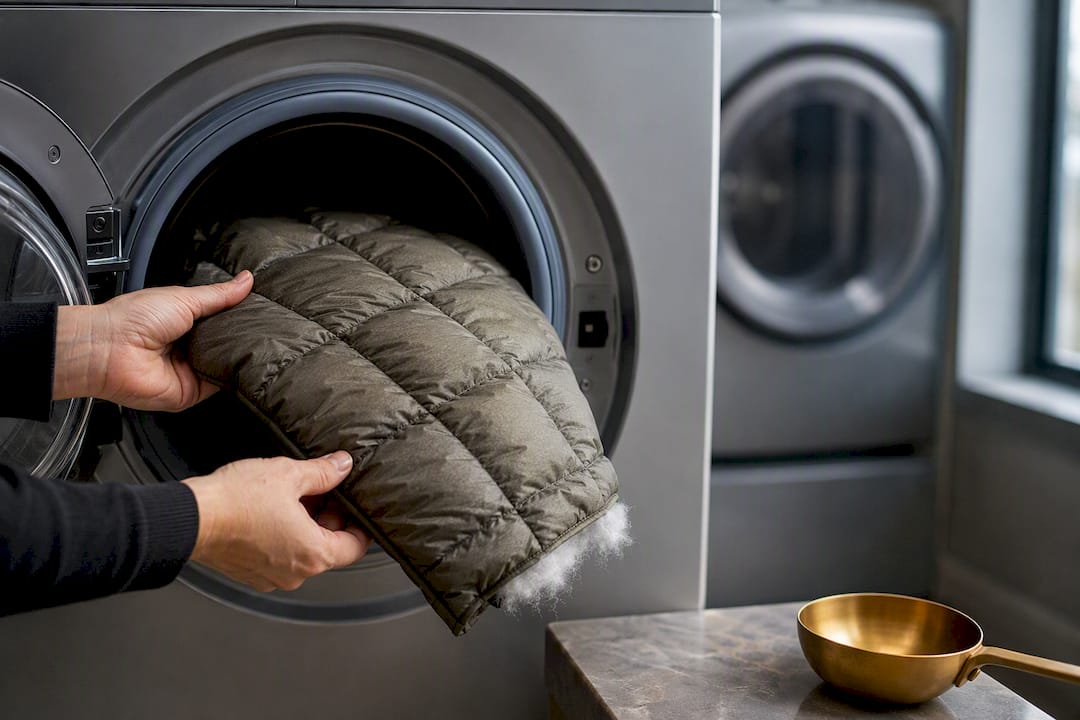
Down jackets need a down-specific detergent and a full, complete dry cycle with tennis balls or dryer balls to break up clumps and restore loft. Skipping the tumble dry step leaves down matted into cold, useless clusters even after a proper wash. Synthetic insulation tolerates a normal gentle cycle better, but both types should air dry partially before any dryer cycle to avoid overheating the shell fabric.
Waterproof shells lose their water resistance long before the membrane actually fails, usually because dirt and body oils coat the durable water-repellent (DWR) finish. A gentle wash with a technical cleaner, followed by low heat from a dryer or a careful pass with an iron on a low setting, reactivates most DWR treatments. Reapplying a spray-on DWR product every season or two extends this further, especially on jacket shoulders and cuffs where abrasion wears the coating down fastest.
Store insulated pieces loosely rather than compressed in a stuff sack for months. Compression breaks down the loft in both down and synthetic fill over time. Hang jackets on wide hangers, and keep boots stuffed with newspaper or boot forms during off-season storage so the insulation and shape both hold.
Using Hand and Foot Warmers Without Burns or Waste
Disposable and rechargeable warmers solve a real problem, extended exposure that base layers and boots alone can't fully offset, but they carry real risks if used carelessly.
Disposable warmers work through an oxidation reaction and typically last several hours once exposed to air. Chris and Voyage's cold weather guide recommends them as a practical addition for very long exposures, while rechargeable warmers make more sense if you're out repeatedly through a season and want to avoid the waste of single-use packets.
Never place a warmer directly against bare skin, and never put one inside a boot pressed tight against your toes for hours without checking it. Reduced circulation from cold or tight boots means you may not feel a burn developing until real skin damage has occurred. Put warmers in a glove pocket, boot cuff, or a designated pocket sewn for that purpose, with a layer of fabric between the warmer and skin at all times.
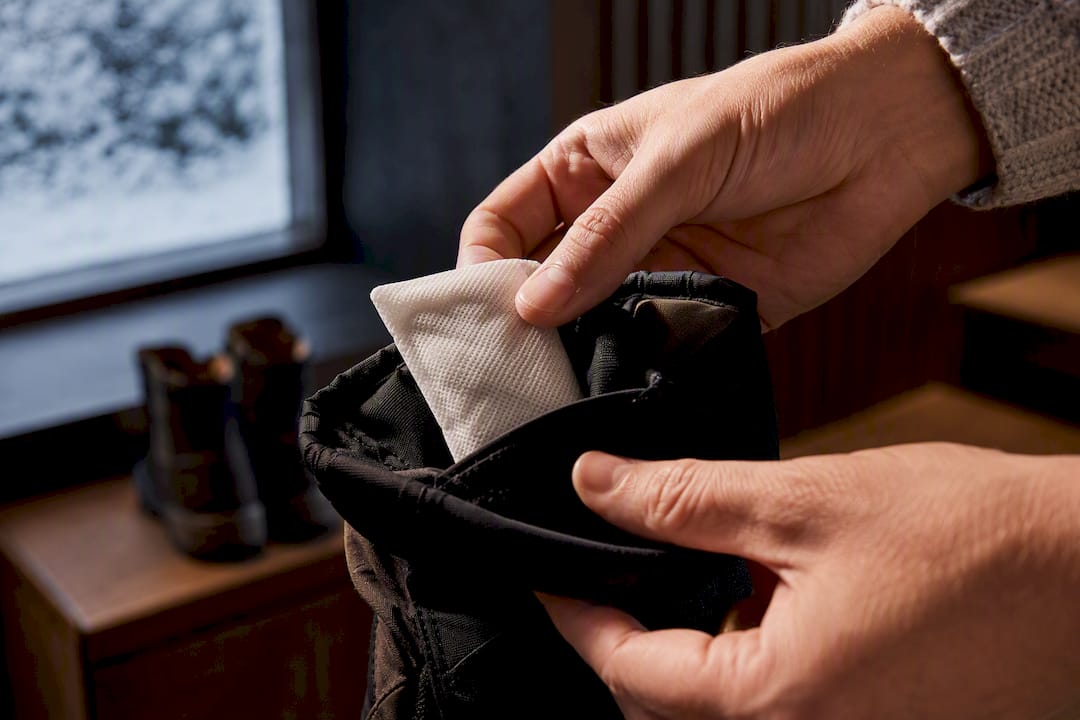
Check warmers periodically, especially with kids or anyone with reduced sensation from diabetes or circulation issues. If a warmer feels uncomfortably hot rather than pleasantly warm, remove it immediately. Store unused disposable warmers in a sealed bag; once exposed to air, they start their reaction whether you're using them or not.
Acclimatizing to Cold and Spotting Early Warning Signs
Bodies do adapt to cold exposure over repeated sessions, though the adaptation is limited and takes weeks, not days. Regular short exposure, walking outside daily rather than avoiding cold entirely, helps your circulation respond faster and reduces how uncomfortable moderate cold feels over time. This isn't a substitute for proper gear. It's a complement to it.
Frostnip is the early warning stage before frostbite. Skin turns red, then pale or grayish white, and becomes numb rather than painful. It's reversible with immediate rewarming, unlike full frostbite, which involves deeper tissue damage and requires medical care. Numbness that doesn't resolve after moving to warmth, or skin that stays hard and waxy looking, needs medical attention rather than a wait-and-see approach.
Hypothermia starts subtly: uncontrollable shivering, clumsiness, slurred speech, and confusion. The tricky part is that confused people often don't recognize their own symptoms, which is why cold weather activities are safer done with a companion who can watch for these signs in you. Shivering that suddenly stops isn't a good sign. It can mean the body has moved past its ability to generate heat through muscle activity, and it calls for immediate warming and medical evaluation.
Check extremities regularly during long exposure rather than waiting until they hurt. Pain often disappears before real damage sets in, so numbness matters more as a warning sign than discomfort does.
Making Cold Weather Outfits Look Good, Not Just Function Well
Functional gear and good style aren't opposites, even though most extreme cold advice treats them that way. A well-fitted wool coat over a fine-knit sweater can outperform a bulky ski jacket for daily city wear while looking considerably better doing it.
The trick is choosing pieces that do double duty. A tailored wool overcoat with a warm lining works as an outer layer for city temperatures that don't require a technical shell. Underneath, a merino turtleneck or a knit cardigan like the Maison Kitsuné cardigan adds real insulation while reading as an intentional outfit choice rather than survival gear.
Color and texture matter more than people assume for making technical pieces look put together. A neutral-toned base layer under an open cardigan looks deliberate; a bright synthetic thermal peeking out from under a coat looks accidental. Save the technical, high-performance shells for genuinely extreme days or outdoor activity, and lean on wool, cashmere blends, and quality knitwear for daily cold weather dressing where the stakes are lower.
Accessories do the most visual work for the least bulk. A well-chosen scarf, a structured hat instead of a slouchy beanie, and leather or suede gloves lined with wool all add warmth without the boxy silhouette that heavy technical gear creates.
Practical Priorities When Your Budget or Luggage Space Is Limited
Spend on the shell and boots first. Those two pieces are hardest to substitute and matter most in genuinely severe weather. A heavy parka you'll wear twice a year is a reasonable candidate for renting or buying secondhand instead of buying new. Base layers are worth the investment since you'll wear them constantly, and small accessories like liner gloves and warm socks deliver outsized warmth for their low cost. Pack one dry spare mid-layer and extra liners rather than hauling multiple bulky coats.
— Ahmed
Let Mytenue Build the Outfit So You Don't Have To
An app can digitize your wardrobe, then use AI to match base, mid, and shell pieces you already have against the day's forecast, so you're not standing in front of your closet at 6 a.m. guessing whether that sweater actually works under your shell.

Weather-adapted daily suggestions apply directly to the layering rules covered here, adjusting recommendations as temperatures shift through the week. The virtual try-on feature lets you preview how a mid-layer actually looks under a coat before you commit to wearing it out. For anyone who's overpacked a bag with three redundant coats "just in case," a generated packing list solves that exact problem by confirming what you need before you leave, not after you're already cold. Start by digitizing a few cold weather pieces at Mytenue and see what outfit the app builds from what you already own.
Sources
- Comment s'habiller pour affronter le froid extrême — Millet
- How to dress in cold weather — REI Expert Advice
- Grand Froid — cold protection specialist
FAQ
What Is the 3-3-3 Rule for Cold Weather Clothing?
It's a mnemonic covering three layers and three zones (core, head, extremities) to check before heading out, not a strict formula. Treat it as a prompt to verify coverage, then adjust for actual weather and activity level.
What Are the Warmest Clothes for Extreme Cold?
The warmest setup pairs a moisture-wicking merino or synthetic base layer with a down or synthetic mid-layer and a waterproof, breathable shell, plus insulated boots, mittens, and a hat or balaclava covering the ears.
What Are the Best Clothes for Withstanding Cold?
Down performs best in dry, cold conditions for warmth relative to weight, while synthetic insulation holds up better in wet or high-exertion situations since it keeps insulating even when damp.
Is Thermal Underwear Bad for Your Health?
No credible evidence links thermal base layers to health risks. Choose merino or synthetic fabrics over cotton, since damp cotton against skin accelerates heat loss rather than causing any direct harm.
How Do I Know If I'm Wearing Too Many Layers?
Sweating at the neck or lower back, damp gloves, or fogged glasses signal over-dressing. Unzip the shell or remove one mid-layer before you're soaked through, since a wet base layer chills fast once you stop moving.