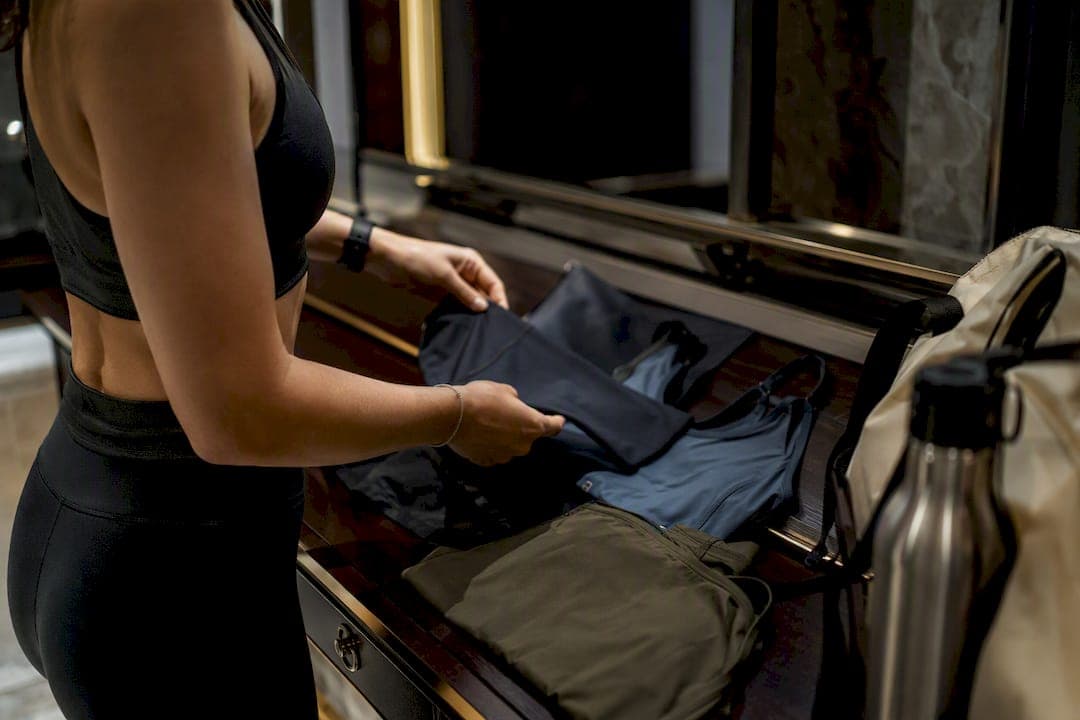
A "tenue salle de sport" curated by AI is a gym outfit your stylist app builds entirely from clothes you already own, matched to your workout type, the weather, and your fit preferences. The payoff is simple: no more standing in front of your closet at 6 a.m. wondering what still fits your HIIT class. MyTenue and similar tools turn that decision into a five-second confirmation, saving time while quietly keeping you out of fast-fashion checkout lines.
TL;DR:
- AI-curated gym outfits are based on detailed wardrobe tagging, including fabric type, fit, and workout habits, to ensure accurate and suitable suggestions.
- Support for specific workout needs varies: yoga favors flexibility, HIIT requires high-wicking support, and weightlifting prioritizes stability with proper footwear.
- Proper wardrobe setup, such as photographing shoes from multiple angles and marking clothing constraints, significantly improves AI recommendation quality.
- Reducing decision fatigue through wardrobe apps leads to more rewears and less impulse shopping, lowering overall clothing costs.
- MyTenue offers quick setup, virtual try-on, and automated scheduling, making daily gym outfit decisions nearly effortless for regular exercisers.
Table of Contents
- What Goes Into an AI-Curated Gym Outfit
- How to Prepare Your Wardrobe for Accurate Gym Suggestions
- Styling Rules by Workout Type
- Why Wardrobe Apps Cut Down on Decision Fatigue
- Getting the Best Gym Looks Out of MyTenue
- When AI Nails It and When It Doesn't
- Try MyTenue for Gym Outfits That Take Zero Thought
- Sources
What Goes Into an AI-Curated Gym Outfit
An AI stylist doesn't just throw a random top and leggings together. It's solving a small equation: your wardrobe, your workout, and the weather outside your door.
A complete recommendation usually pulls from these layers:
- Base layer: a moisture-wicking tee or tank that sits close to the skin.
- Bottoms: leggings, shorts, or joggers matched to your workout's range-of-motion needs.
- Support: sports bra or compression gear where impact demands it.
- Footwear: shoes matched to the activity, not just the outfit's color scheme.
- Optional layers: a zip-up or hoodie for warm-up and cooldown.
- Accessories: headbands, socks, or a gym bag color-matched almost as an afterthought.
Behind the scenes, the AI weighs technical constraints most people never consciously think about: mobility for squats, compression for recovery, wicking for sweat, and layering for temperature swings between the parking lot and the studio. Systems built for activewear specifically map compression, moisture management, and biomechanics to the exact movement pattern of your workout, then factor in your calendar, the day's forecast, and how snug you actually like your leggings.
How to Prepare Your Wardrobe for Accurate Gym Suggestions
Garbage in, garbage out applies here. An AI stylist is only as sharp as the data you feed it, and a rushed wardrobe scan gets you generic results.
Here's how to set it up right:
- Photograph each piece properly. Shoot flat lays or hanger shots in good light, then add a close-up of the fabric and any fastenings like drawstrings or clasps.
- Tag the technical details. Note fabric type, compression level, fit (loose, fitted, high-waisted), condition, and for shoes, size and sole type.
- Mark your workout habits. Tell the app whether you do yoga, HIIT, weightlifting, or a mix, and how intense each session runs.
- Flag your constraints. Injuries, mobility limits, or modesty preferences all change what "appropriate" looks like for you.
- Seed your style profile. Upload a few outfits you already love and, where possible, connect your workout calendar so the app knows Tuesday is leg day.
Pro Tip: Photograph shoes from three angles: top, sole, and side. Sole tread pattern matters more than most people realize when an AI is deciding whether a shoe works for outdoor running versus studio cycling.
Apps in this space increasingly reward this kind of detail. Documented AI wardrobe features show that even a modest closet of 15 well-tagged items can generate solid outfit variety, filtered by season, size, or starting piece.
Styling Rules by Workout Type
Not every sweat session calls for the same gear, and a good AI stylist should know the difference instantly.
Yoga rewards freedom of movement above everything else, especially when you have breathable, supportive pieces that complement your flow. Low-restriction waistbands, stretchy fabric, and an easy layer to shed once you've warmed up beat anything tight or structured.
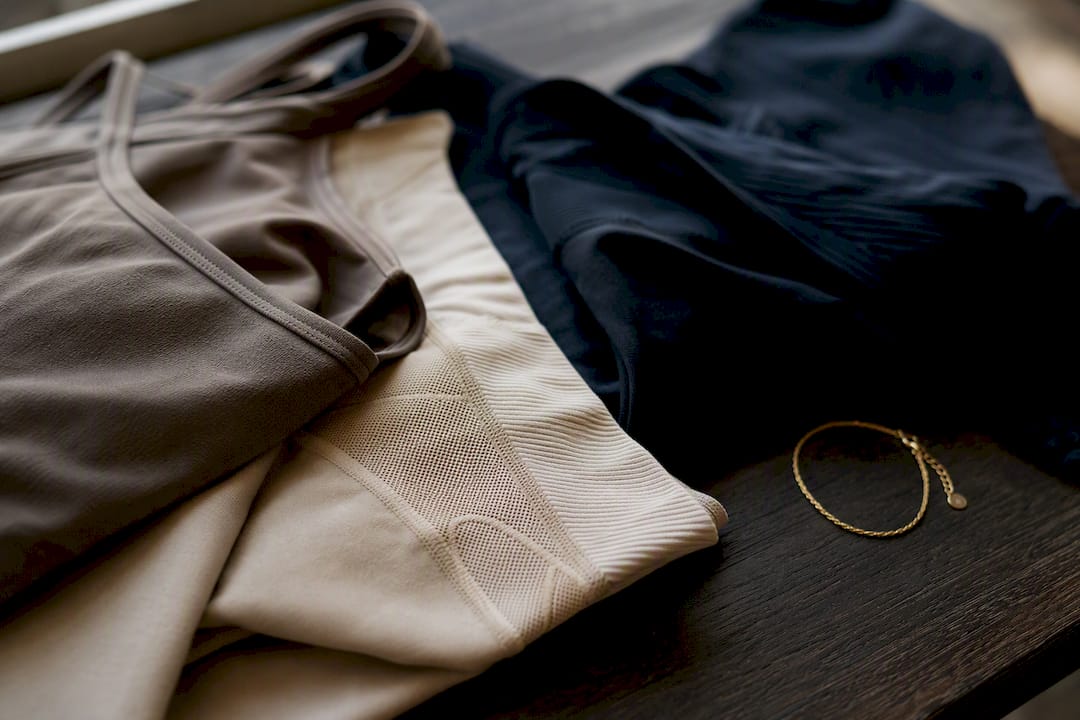
HIIT is a different problem entirely. You need high-wicking fabric and a secure, snug fit, because loose layers flap, ride up, and distract you mid-burpee. Support matters more here too, since the impact load on joints and chest is higher than in slower training.
Weightlifting shifts the priority to stability. Flat, firm-soled shoes beat cushioned running shoes for squats and deadlifts, and mid to high compression on the lower body can help with joint feedback. Shoulder and hip mobility still need room, so nothing should bind at the joints.
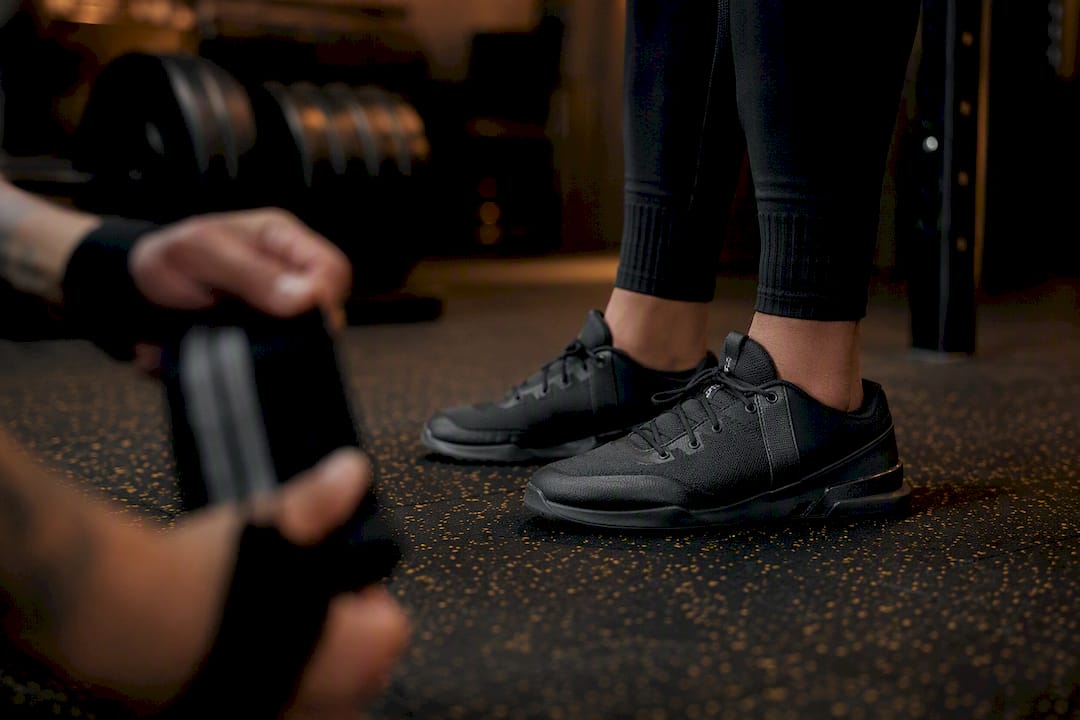
Cardio and outdoor runs bring weather into play. Breathable layers, wind resistance in cold months, and reflective details for evening runs all become part of the equation, not an afterthought.
Mixed classes are the trickiest case, and this is where an AI stylist earns its keep. It should suggest removable layers and pieces built for quick changes, so you're not stuck in a heavy hoodie halfway through a circuit that switches from a slow warm-up to sprint intervals in ninety seconds.
Why Wardrobe Apps Cut Down on Decision Fatigue
The psychological benefit here is bigger than most people expect. A 2025 study of 27 wardrobe-management apps found that Many users reported reduced decision fatigue and greater use of existing wardrobe items once an app started making suggestions for them.
The numbers behind the habit shift: Among users of wardrobe-management apps studied, 145 reported less decision fatigue and 123 reported greater use of items already sitting in their closet, according to the MDPI sustainability research.
That reduced friction has a direct financial side effect too. Every time you rewear a legging or a tank instead of buying a new one, your cost-per-wear on that item drops, and the temptation for an impulse buy fades a little more. Reducing that daily decision load is often the single biggest reason people stick with a wardrobe app past the first week, more than any styling feature. The expected pattern is straightforward: more outfit combinations pulled from stuff you already own, fewer new leggings landing in your cart out of sheer decision exhaustion.
Getting the Best Gym Looks Out of MyTenue
MyTenue turns the theory above into a five-minute setup and a daily habit. Here's the practical flow.
Digitizing your wardrobe:
- Snap each gym piece against a plain background, including close-ups of fabric texture.
- Tag category, fabric type, and fit notes as you go, since detailed metadata sharpens every recommendation the app returns.
- Mark shoes separately with sole type, since footwear logic differs from clothing logic entirely.
Requesting and refining a look:
- Select "Gym" as the occasion and specify workout type and intensity.
- Lock any piece you already know you want to wear, then let MyTenue rebuild the rest around it.
- Hit refresh if the first suggestion doesn't feel right. It costs nothing and takes seconds.
Once you've got a suggestion you like, the virtual try-on avatar shows how it actually looks on your body shape before you commit, and the built-in calendar lets you schedule recurring gym outfits so Monday's HIIT look and Thursday's yoga look are both ready before you wake up. Saved combinations build an outfit history you can reuse indefinitely, which is the mix-and-match habit that keeps both your closet and your spending in check.
When AI Nails It and When It Doesn't
AI-curated outfits are exactly right for the daily grind: the Tuesday spin class, the Thursday lift, the outfit you don't want to think about at 6 a.m. That's where the time savings compound fastest. I'd trust an app completely for that kind of repeat decision, and I think most reluctance comes from people who haven't tried handing over a low-stakes choice yet.
Where I'd pump the brakes is specialized gear. Competition lifting singlets, post-injury compression sleeves, or anything a physical therapist has specifically prescribed still needs a human fitter, not an algorithm guessing from photos. Picture someone training for a half marathon: an AI stylist handles the daily "what do I wear to run 4 miles in 45 degrees" question effortlessly, but the actual race-day shoe fitting still belongs in a specialty running store.
— Ahmed
Try MyTenue for Gym Outfits That Take Zero Thought
MyTenue is the shortcut past the closet standoff that everyone who works out regularly knows too well. Instead of guessing what still fits your HIIT schedule or scrolling shopping apps for another pair of leggings, MyTenue builds your gym look from what's already hanging in your closet.
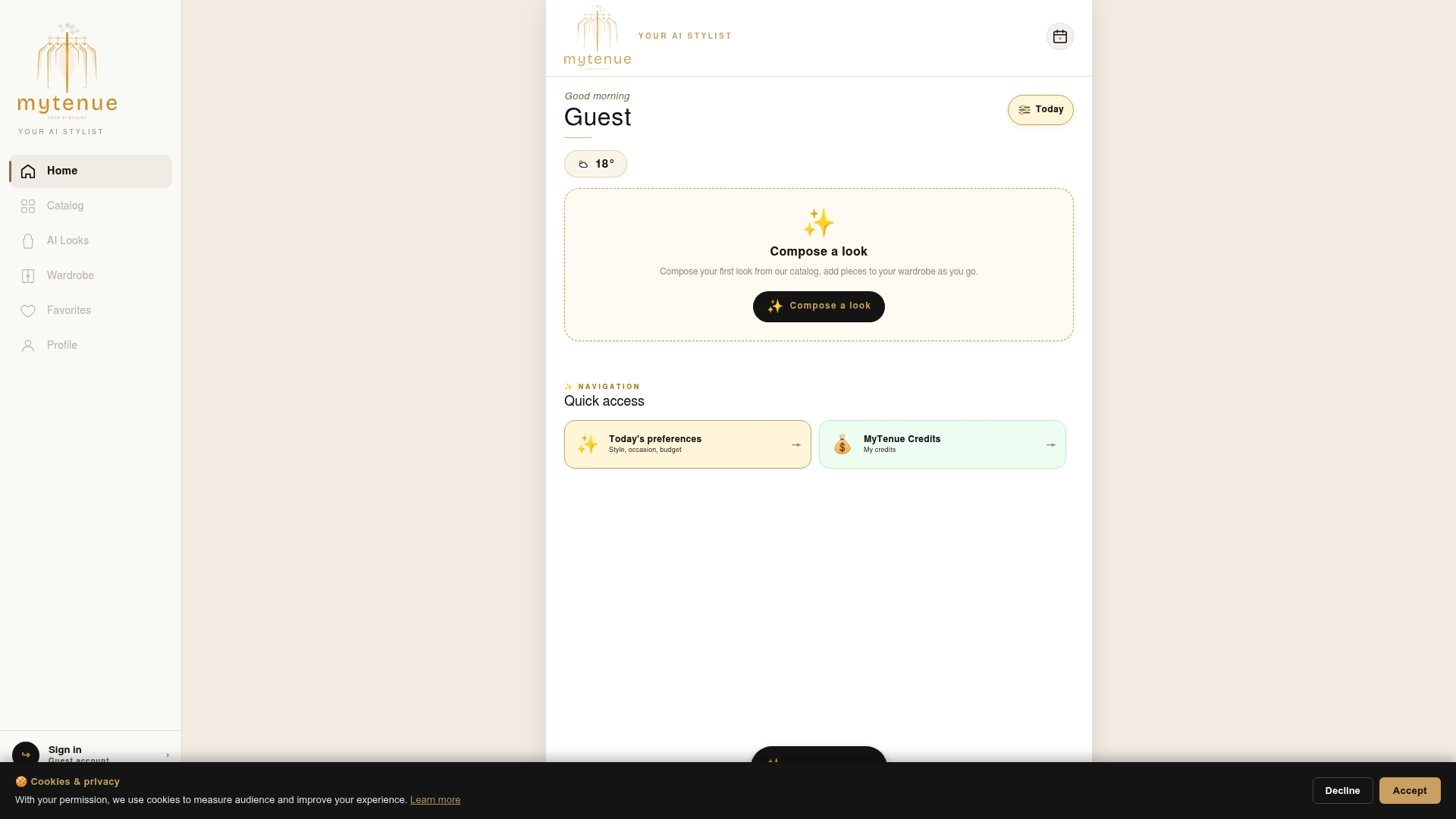
The app's core features line up directly with what this article just covered:
- AI suggestions built from your actual wardrobe, tagged by workout type and intensity
- Virtual try-on with your personal avatar before you commit to a look
- A calendar planner that schedules recurring gym outfits automatically
- Wardrobe digitization tools that turn your closet into searchable, taggable data
That combination is exactly what research on wardrobe apps links to less decision fatigue and less unnecessary buying, and it's the same relief this article has been describing all along. If mornings before the gym have turned into a wardrobe negotiation, visit the MyTenue landing page and digitize your closet to get your first AI-curated gym outfit today.
Sources
- Wardrobe Management Apps and Their Unintended Benefits for Fashion Sustainability and Well-Being: Insights from User Reviews
- Why activewear brands are banking on AI outfit suggestions