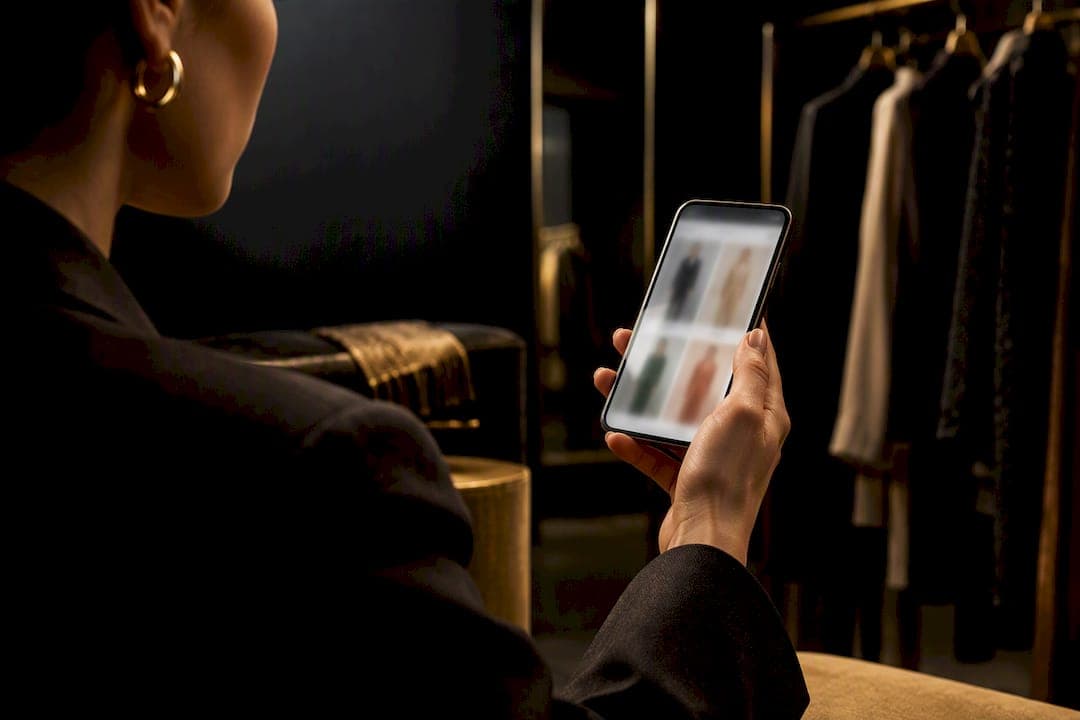
AI can generate a ready to wear outfit for almost any occasion in minutes, as long as you digitize a small core of your wardrobe and tell the tool what the event calls for. Start by photographing 8 to 12 key pieces or opening an AI stylist app on your phone. Choose a tool with clear privacy settings, since a trustworthy app always lets you control how your data gets used.
TL;DR:
- Digitizing 8 to 12 core wardrobe pieces in consistent lighting yields the most reliable AI outfit suggestions, avoiding cluttered or oversized closets.
- AI styling tools recommend standard formulas for various occasions, emphasizing fit, fabric choice, and accessories, with dress codes critical for formal events.
- Manual adjustments, such as checking fit and choosing shoes or accessories to shift formality, are essential to turn AI suggestions into wearable outfits.
- Virtual try-on features help assess proportion and fit before wearing, but do not entirely replace trying on clothing directly.
- Privacy-conscious apps, like MyTenue, restrict data reuse, using wardrobe digitization and weather-aware suggestions to provide relevant, sustainable outfit recommendations.
Table of Contents
- Outfit formulas for work, dates, interviews, and formal events
- How AI outfit generators actually build a look
- How to get a tailored AI outfit in under 10 minutes
- Styling fixes that turn an AI suggestion into a real outfit
- What makes an AI stylist worth trusting
- What years of quick outfit decisions have taught me
- Try MyTenue for your next outfit decision
- Where to check the details yourself
- Sources
- FAQ
Outfit formulas for work, dates, interviews, and formal events
AI stylists tend to draw on the same core formulas that human stylists use, which makes them a fast way to rebuild an occasion look from scratch.
For work, business casual usually comes down to a fitted top, tailored pants or a knee length skirt, and a blazer you can add or remove depending on the room, with tips from this Designer Office Outfits style guide. Creative offices allow more color and texture, while finance or law settings reward navy, gray, and crisp lines.
Weekend and casual dressing rewards layering: a clean sneaker, straight leg denim, and a jacket that can go from errands to brunch without a change. Add one interesting piece, like a scarf or a structured bag, and the outfit reads as put together instead of thrown on.
Date night depends entirely on the venue. A wine bar or casual dinner calls for elevated basics: a silk top, dark denim, ankle boots. An upscale restaurant pushes toward a dress or tailored separates with a heel and a statement earring. The formality dial usually turns on fabric choice and shoe height more than on the number of pieces.

Interviews reward restraint. Solid colors, structured fits, and closed toe shoes read as prepared rather than boring. Save bold prints and heavy jewelry for later; the goal is for the interviewer to remember your answers, not your outfit.
Formal events run on a scale that trips people up constantly: smart casual, cocktail, and black tie are not interchangeable. Smart casual allows dressy separates. Cocktail expects a shorter dress or a sharp suit. Black tie means a floor length gown or a tuxedo, full stop. When in doubt, dress one notch above the stated code rather than below it.
- Work: blazer plus tailored pants, swap the blazer for a cardigan in creative offices.
- Casual: straight leg denim, clean sneaker, one statement accessory.
- Date night: silk top and boots for low-key, dress and heel for upscale.
- Interview: solid color, structured fit, closed toe shoes.
- Formal: match the exact dress code tier, then choose accessories to match and not exceed the formality.
Pro Tip: When a dress code feels ambiguous, ask the host directly instead of guessing. It saves you from re-shopping the morning of the event.
How AI outfit generators actually build a look
An AI stylist works from three inputs: your digitized wardrobe, your personal metadata, and the occasion you set. Digitizing a modest number of core pieces, photographed against a plain background, gives the model enough to work with; more items help, but a small, well-tagged closet often outperforms a messy, oversized one.
Metadata includes your body dimensions, preferred fit, color palette, and any dress code or weather filter you select. Reporting on generative styling tools has shown that an image plus a short description can let an AI propose several outfit variations at once, though results vary and sometimes need a manual tweak before they are wearable, according to 20 Minutes reporting on AI outfit generation.
- Composition rules prioritize contrast, proportion, and texture, similar to how a human stylist balances an outfit.
- Weather and occasion filters narrow the pool of suggestions before styling rules even apply.
- Virtual try-on overlays the outfit on your avatar, which helps you judge proportion, though it cannot fully replace trying an item on.
Some AI wardrobe tools recommend digitizing a representative 8 to 12 piece capsule rather than your entire closet, since a smaller and cleaner data set tends to produce more consistent suggestions. Under CNIL guidance on the scope of AI practical fiches, the development and fine tuning phases of these tools are the moments where your personal data, including photos of your clothes, gets used to improve the model.
How to get a tailored AI outfit in under 10 minutes
- Digitize 8 to 12 core pieces. Photograph each item flat or on a hanger, in neutral light, and tag the category and color.
- Set your profile. Enter body measurements, preferred fit, and a general color palette so the tool has a baseline to style from.
- Choose the occasion. Select formality, weather, and activity level, whether that is a job interview or a Saturday brunch.
- Review and adjust. Scroll the suggestions, filter by fit or comfort, then save your favorite to a calendar or outfit planner.
- Fill one gap if needed. If nothing in your closet completes the look, buy one versatile piece that can also work for two or three other occasions.
Pro Tip: Photograph items on the same day with the same lighting. It keeps colors consistent, which matters more than you'd expect for AI color matching.
Styling fixes that turn an AI suggestion into a real outfit
AI gets you close, but a few manual checks turn a suggestion into something you would actually wear. Check that pants allow you to sit and walk comfortably, not just look good in a static preview. Shoes and accessories do more to shift formality than any other piece: a blazer with sneakers reads casual, the same blazer with loafers reads polished.
Common mistakes include trusting an exact color match over a good color family, ignoring fit adjustments the avatar cannot show, and misreading a dress code tier, like wearing cocktail attire to a black tie event. Layering one base outfit, then swapping a jacket or shoe, is the fastest way to stretch a single AI suggestion across several occasions in the same week.
- Prioritize fit over exact shade matching, especially for tailored pieces.
- Let shoes and accessories carry the formality shift, not just the main garment.
- Reread the dress code before trusting any single suggestion.
- Keep one neutral layering piece on hand to adapt an outfit last minute.
What makes an AI stylist worth trusting
MyTenue builds outfit suggestions directly from your own digitized wardrobe, combining virtual try-on, weather-aware suggestions, and occasion filters to keep recommendations relevant to your actual closet rather than a generic catalog. Mixing pieces you already own, instead of buying new ones for every event, is also a more sustainable way to dress.
- Wardrobe digitization turns your closet into a searchable, styleable data set.
- Virtual try-on previews fit and proportion before you commit to an outfit.
- Weather-aware suggestions adjust automatically so you are not layering wrong for the season.
On privacy, CNIL's guidance on opposing data reuse for AI training explains how to find and use opt-out settings in the apps you choose, so check your account settings if you want control over how your photos are used.
What years of quick outfit decisions have taught me
AI helps most with speed and consistency: it removes the ten minutes you'd spend staring at a closet before a meeting or a date. It helps less with fit and feel, since no avatar fully replaces trying a jacket on and moving your arms in it. Treat suggestions as a strong first draft, not a final answer.
— Ahmed
Try MyTenue for your next outfit decision
An AI stylist app can turn your own closet into ready-made outfits for work, dates, interviews, and everything in between, helping you avoid rebuilding the same decision every morning.
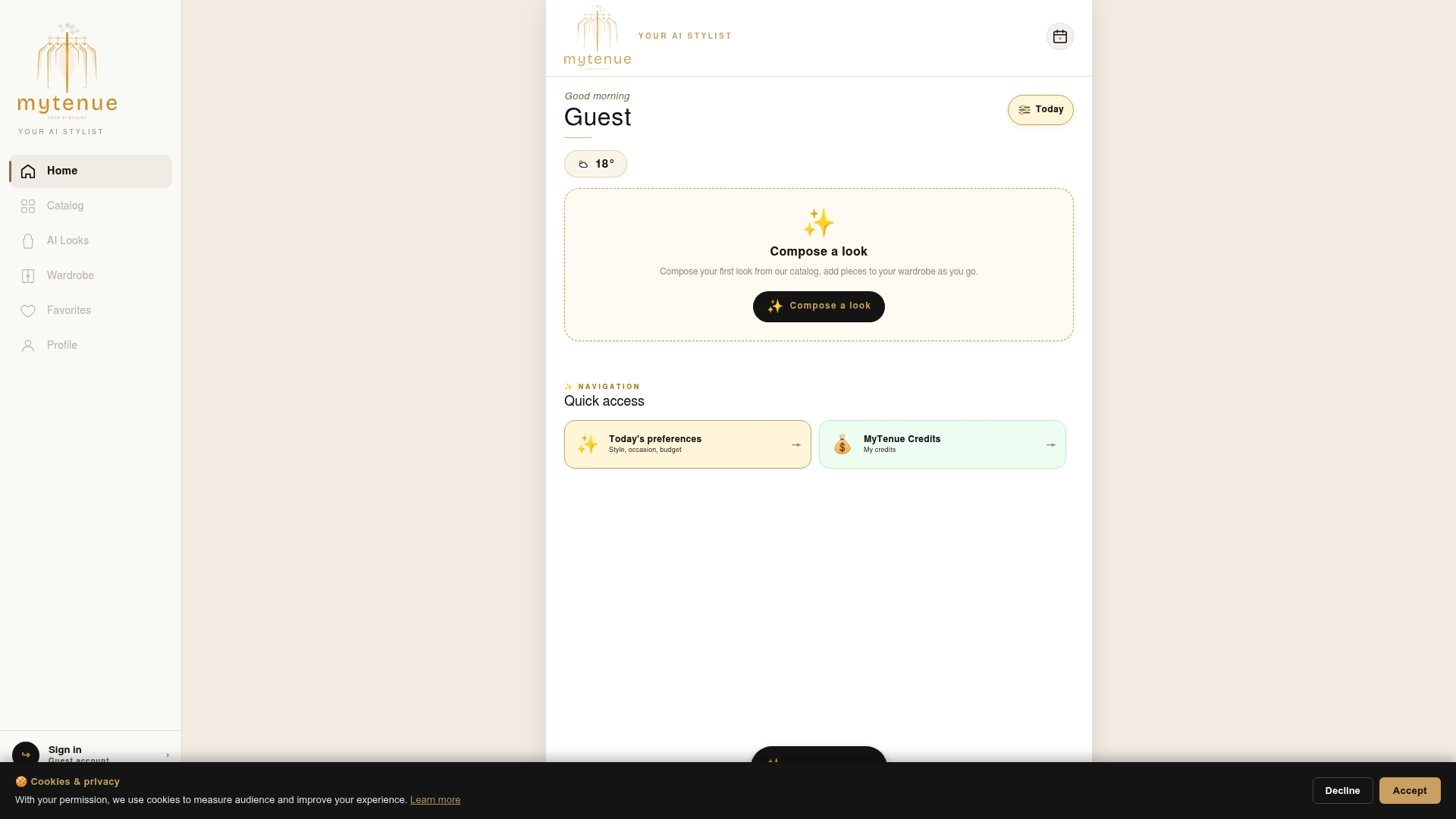
MyTenue's Free plan gets you started with no cost, and Basic, Premium, and Gold tiers unlock more styling depth as you need it, listed on the MyTenue app page. Open the app, digitize a few pieces, and see your first outfit suggestion today.
Where to check the details yourself
- CNIL on AI development and personal data
- CNIL on opposing AI training data reuse
- MyTenue's guide to AI outfit curation
Sources
- Quel est le périmètre des fiches pratiques sur l’IA ? | CNIL
- IA et vie privée : comment s’opposer à la réutilisation de ses données personnelles pour l’entraînement d’agents conversationnels ? | CNIL
- ChatGPT : Une image ou une tenue suffisent à l'IA pour ... | 20 Minutes
FAQ
What are outfits to avoid after age 50?
There is no fixed rulebook by age, since fit and confidence matter more than a birthday. A well-fitted silhouette, quality fabric, and colors you actually like will outperform any generic "avoid this" list.
How do I use AI to find clothes for a specific occasion?
Digitize a small set of your wardrobe, set your body and style preferences, then select the occasion, weather, and formality level in an app like MyTenue. The tool will filter your closet and suggest combinations that match those constraints, which you can then adjust and save.
Which AI removes clothing from photos?
That is not a feature MyTenue or reputable outfit-styling apps offer, and tools claiming to do so raise serious privacy and consent concerns. Stick to AI stylists built for outfit recommendations and virtual try-on, not image manipulation.
How do I dress well using AI tools?
Start by photographing 8 to 12 core pieces in neutral lighting, then let an AI stylist combine them based on your body type, color preferences, and the occasion you choose. Review each suggestion for fit and comfort before wearing it, since virtual try-on is a helpful preview, not a guarantee.