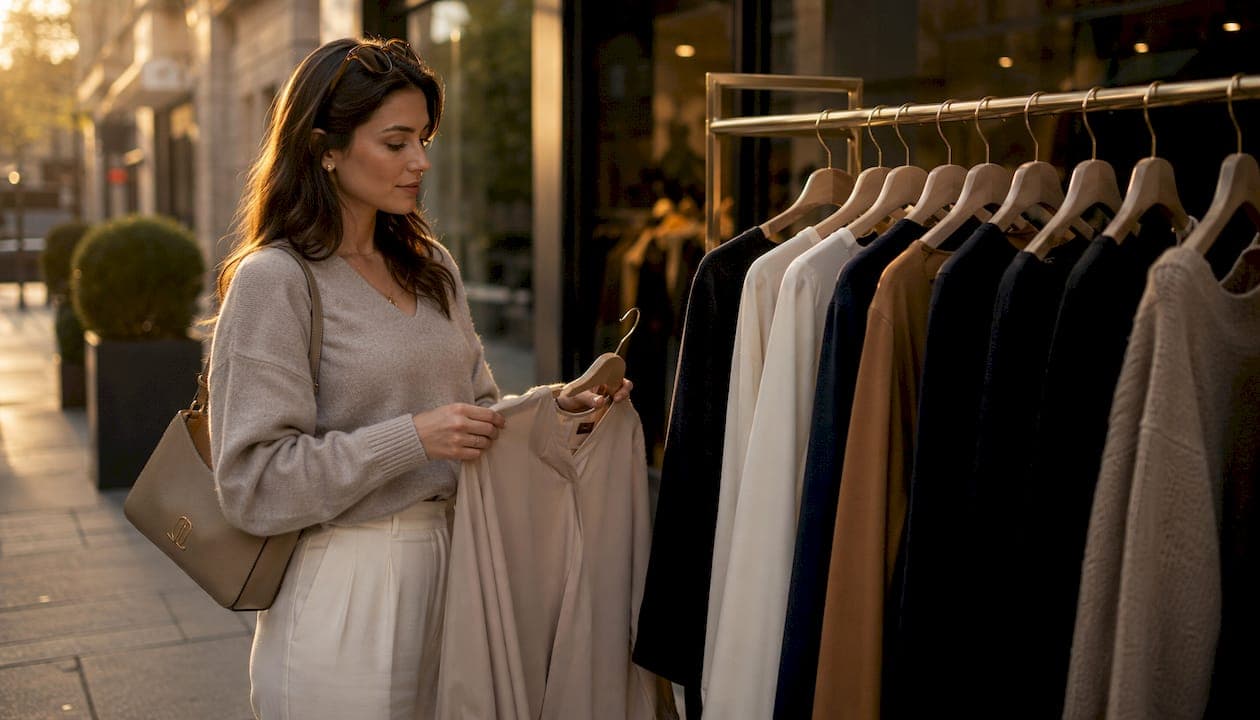
A low-maintenance wardrobe is a curated set of versatile, well-made pieces that work together effortlessly, cutting your daily decisions and keeping you polished without constant upkeep. It's not about owning the fewest items possible. It's about owning the right ones.
Get started this weekend:
- Spend some focused time pulling out everything you haven't worn recently
- Pick three neutral colors that already dominate your closet
- Build three complete outfits you can grab without thinking
Once those pieces are in place, an AI stylist like Mytenue can handle the daily outfit selection for you automatically.
Table of Contents
- What does a low-maintenance wardrobe really mean?
- Why a low-maintenance wardrobe pays off long-term
- How to build a low-maintenance wardrobe you'll actually wear
- Outfit formulas that make getting dressed effortless
- Fabric-first care habits that keep things low-effort
- How AI-powered outfit recommendations scale your wardrobe system
- Your 10-step weekend checklist to build this system now
- Key Takeaways
- The wardrobe advice nobody talks about
- Mytenue makes the daily system effortless
- Useful sources
What does a low-maintenance wardrobe really mean?
The phrase gets misread constantly. People hear "low-maintenance" and picture a sparse closet with five sad basics. That's not it.
Stylist Ryan Roberts puts it plainly:
"A low-maintenance wardrobe is about intentionality, not deprivation. It's about choosing pieces that match your real life — your schedule, your care routine, your actual body."
— Ryan Roberts, via Charlotte Observer
Intentionality means every piece earns its place. A blazer that needs dry cleaning after every wear doesn't belong in a low-maintenance system, no matter how sharp it looks. A ponte knit blazer that you can spot-treat and steam? That belongs.
Two myths worth dropping now. First: small doesn't mean boring. A 10-item wardrobe concept built around strong basics creates more daily variety than a stuffed closet where nothing coordinates. Second: low-maintenance doesn't mean no care. It means less care, by design, because you chose pieces that tolerate your actual routine.
Why a low-maintenance wardrobe pays off long-term
The daily win is obvious: faster mornings, fewer decisions, a consistent look. But the long-term payoff is where this system really earns its keep.
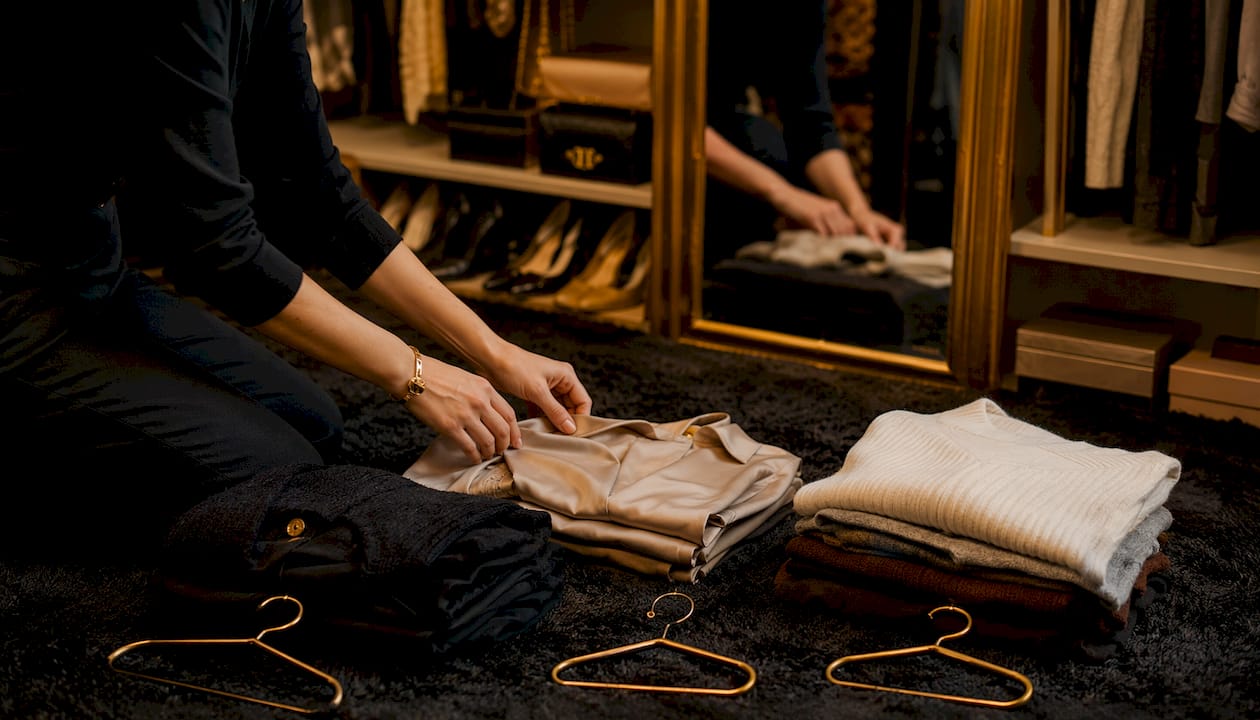
Fewer, better-made pieces that are cared for properly maintain their color and structure far longer than a high-volume closet of fast-fashion items. The math on cost-per-wear shifts dramatically when a $120 merino sweater lasts five years versus a $30 acrylic one that pills after six months.
Style insight: Experts argue that a well-curated, elevated wardrobe often requires less upkeep than a high-volume closet, precisely because better construction holds up to regular wear.
The sustainability angle is real too. Wearing every piece you own, repeatedly, means less textile waste and fewer impulse purchases. A capsule approach encourages you to buy less and wear more, which is both cheaper and better for the environment. The capsule wardrobe benefits extend well beyond your closet.
How to build a low-maintenance wardrobe you'll actually wear
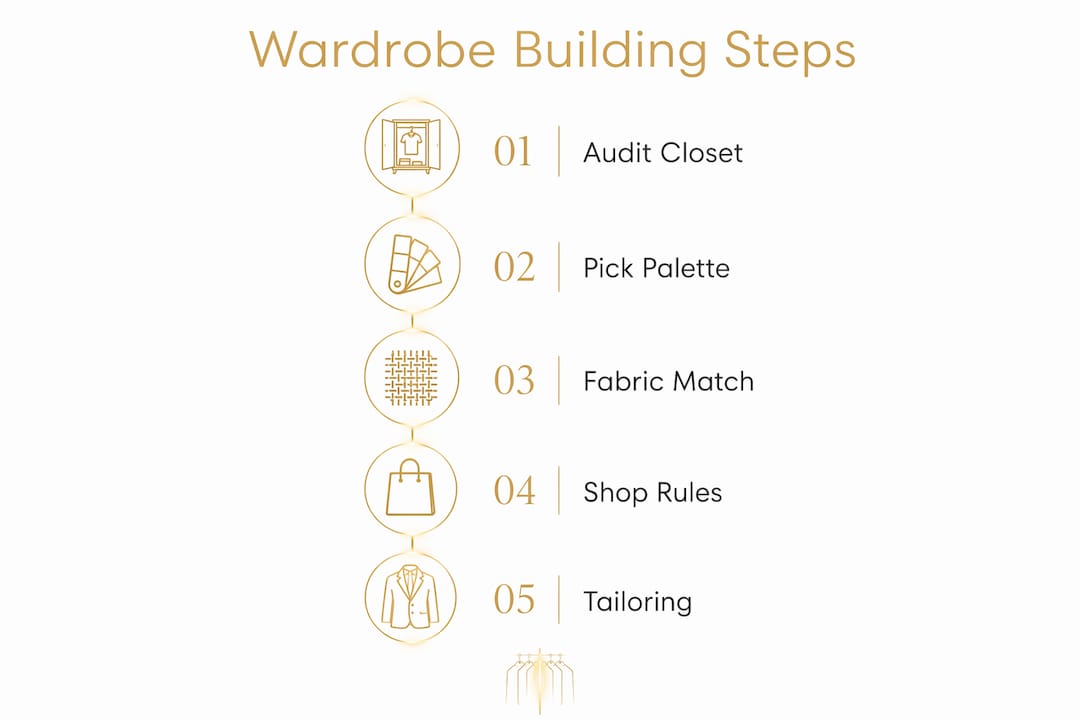
This is a five-step process. Don't rush it.
Step 1: Audit your closet
Pull everything out. Sort into three piles: wear regularly, wear occasionally, haven't touched in three months. The third pile is almost always impulse buys or pieces with difficult care requirements. Donate or repair them.
Step 2: Choose a compact palette
Pick two or three neutrals (navy, white, camel, black, grey) and one accent color. Every piece you keep or buy should work within that palette. This alone eliminates most "nothing to wear" mornings.
Step 3: Select fabrics that share a wash cycle
This is the practical core of a low-maintenance capsule wardrobe. Cotton, Tencel, modal, quality jersey, and performance blends can often share a single cool-water wash routine. Fewer laundry loads, less sorting, less risk of damage.
Core pieces to prioritize:
- Two or three well-fitted trousers or jeans in neutral tones
- Four to five tops that layer easily (tees, button-downs, lightweight knits)
- One tailored blazer or structured jacket
- Reliable outerwear for your climate
- Two to three shoe styles that cover most occasions
Step 4: Apply shopping rules before you buy
Read the care label before you fall in love with a piece. If it says "dry clean only," it's already a candidate for high maintenance. Check seams, buttons, and zippers: sturdy construction and repairability are what separate a 10-year garment from a one-season throwaway.
Step 5: Budget for tailoring
A $40 hem or a $60 waist adjustment turns a good piece into a great one. Professional tailoring extends garment usefulness and makes fewer pieces feel intentional and fresh. Budget for one or two tailoring visits per season rather than buying replacements.
Pro Tip: Read care labels at the store, not at home. If the label says anything that conflicts with your existing laundry routine, put the item back.
Outfit formulas that make getting dressed effortless
A compact capsule wardrobe covers most occasions without repetition. Here's a practical breakdown:
| Occasion | Formula | Example |
|---|---|---|
| Work | Tailored trouser + fitted top + blazer + loafer | Navy trouser, white tee, camel blazer, tan loafer |
| Weekend | Dark jeans + casual tee + light jacket + sneaker | Black jeans, grey tee, denim jacket, white sneaker |
| Travel | Ponte pants + merino top + packable layer + ankle boot | Charcoal ponte, navy merino, black packable jacket, black boot |
| Evening | Tailored trouser + silk-feel blouse + heeled mule | Camel trouser, ivory blouse, nude mule |
The one-item-many-looks principle keeps this system working. A camel blazer worn over a white tee and jeans reads weekend. Swap the jeans for tailored trousers and it reads work. Add a silk blouse and it reads evening. That's three looks from one piece, which is exactly how a wardrobe transformation happens without buying anything new.
Suggested piece counts by use case:
- Everyday capsule: 15 items (5 tops, 3 bottoms, 2 shoes, 2 outerwear, 2 accessories, 1 dress or suit)
- Travel capsule: a small selection of items including shoes
- Work-only capsule: a limited set of items that rotate across a typical workweek
Fabric-first care habits that keep things low-effort
The goal is to wash less, not more. Airing garments between wears and spot-treating small stains removes the need for a full wash cycle most of the time. Heat from dryers accelerates fabric breakdown faster than almost any other factor.
Daily and weekly habits that protect your wardrobe:
- Air out worn items on a hook before returning them to the closet
- Spot-treat stains immediately with cold water and a gentle soap
- Wash in cool water and group items by compatible care instructions, not just by color
- Use a zippered mesh laundry bag for delicates and knits
- Fold knits flat rather than hanging them to prevent stretching
- Store seasonal wool pieces clean, with cedar blocks to deter moths
A fabric shaver and a handheld steamer solve most everyday wear problems and cost far less than replacing pilled or wrinkled garments repeatedly.
Fabric tip: Merino wool, ponte, and dense cotton jersey resist wrinkles and pilling when dried correctly, making them the most forgiving fabrics for a low-effort system.
How AI-powered outfit recommendations scale your wardrobe system
Building the capsule is the hard part. Using it daily shouldn't require any effort at all. That's where Mytenue comes in.
| Task | Manual approach | With Mytenue AI |
|---|---|---|
| Daily outfit selection | Scan closet, decide, second-guess | Receive a personalized suggestion based on calendar and weather |
| Care label tracking | Remember or re-read tags | Tag fabrics once; AI flags care conflicts before you buy |
| Outfit recycling | Mental inventory | AI surfaces underused pieces and suggests new combinations |
| Tailoring reminders | Forget until it's too late | AI tracks wear frequency and prompts repair timing |
Mytenue lets you upload your wardrobe, tag fabrics and care labels, and set style preferences for occasions. From there, it generates daily outfit suggestions that respect your capsule rules, your calendar, and your care routine. It also encourages outfit recycling by surfacing pieces you haven't worn recently and pairing them with your most-used items.
Pro Tip: Tag every garment's fabric type and wash temperature when you upload it to Mytenue. The AI uses that data to avoid suggesting dry-clean-only pieces on a busy weekday.
Your 10-step weekend checklist to build this system now
- Set a 60-minute timer and pull everything out of your closet
- Keep only what you've worn in the last three months or genuinely love
- Set aside items for donation, repair, or tailoring in separate piles
- Identify your two or three dominant neutral colors
- Check care labels on every kept piece and group by wash compatibility
- Build three complete outfits using only what you already own
- List the two or three gaps (a neutral trouser, a reliable layer) and shop with a list
- Book one tailoring appointment for the pieces that almost fit
- Buy a mesh laundry bag and a fabric shaver if you don't have them
- Upload your capsule to Mytenue and enable daily outfit suggestions
Key Takeaways
A low-maintenance wardrobe works because intentionality, fabric compatibility, and consistent care habits eliminate daily friction and extend garment life significantly.
| Point | Details |
|---|---|
| Intentionality over minimalism | Every piece should match your real life, not a style ideal — fit, care needs, and occasion all count. |
| Fabric compatibility is the core lever | Choosing pieces that share a cool-water wash cycle reduces laundry effort and garment damage. |
| Tailoring is an investment, not a luxury | One or two tailoring visits per season extends garment life and makes fewer pieces feel fresh. |
| Care habits beat replacement | Airing, spot-treating, and using mesh bags cost almost nothing and prevent most common wear problems. |
| Mytenue automates the daily decisions | Upload your capsule, tag care labels, and let Mytenue's AI generate daily outfit suggestions for you. |
The wardrobe advice nobody talks about
Most guides frame this as a decluttering project. Get rid of stuff, feel lighter, done. That framing misses the point entirely.
A low-maintenance wardrobe isn't about what you remove. It's about what you design. The difference is significant. Removing things is passive. Designing a system is active. You're building rules: fabric rules, palette rules, care rules, occasion rules. Once those rules exist, every future purchase either fits the system or it doesn't. That clarity is what makes the whole thing low-maintenance.
The other thing guides underestimate is the role of fit. A perfectly constructed garment in the wrong size is still high-maintenance because you'll avoid wearing it. Tailoring isn't a finishing touch. It's the mechanism that makes the system work. A wardrobe curation approach that skips tailoring is leaving its most powerful tool unused.
AI changes the daily execution layer, not the design layer. Mytenue handles the "what do I wear today" question so your mental energy goes elsewhere. But the system underneath still needs to be built intentionally. Get the design right first. Let the AI run it after.
Mytenue makes the daily system effortless
You've built the capsule. You know the rules. Now let Mytenue handle the rest.
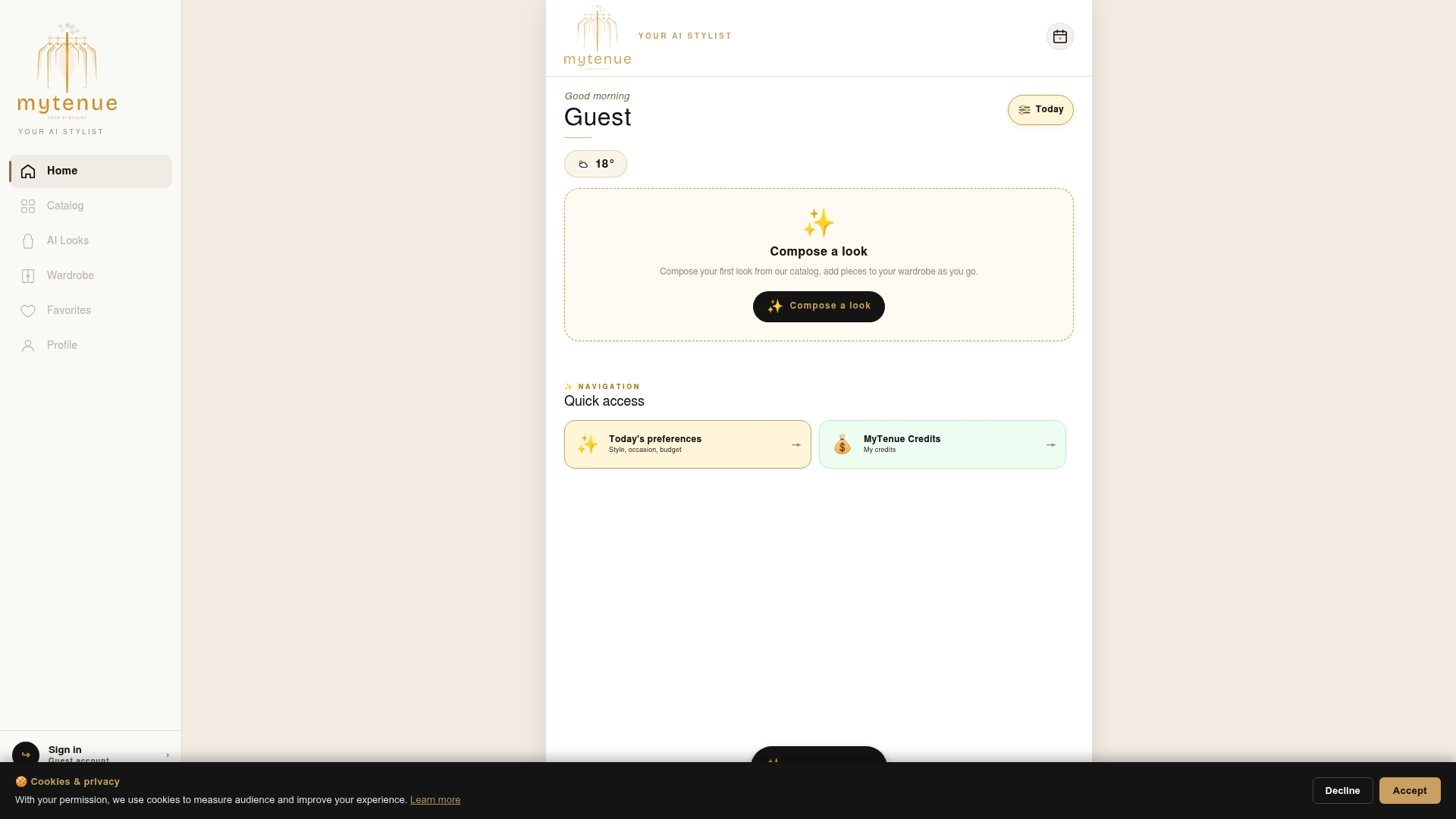
Mytenue is your personal AI stylist, built for fashion-conscious people who want great outfits without the daily deliberation. Upload your wardrobe, set your style preferences and occasions, and receive personalized outfit suggestions every morning. The platform surfaces underused pieces, respects your care routines, and helps you get more wear out of what you already own. No guessing, no repeating the same three looks, no impulse buys to fill gaps that don't exist.
Ready to put your capsule to work? Start with Mytenue and let the AI do the daily styling for you.
Useful sources
- Ryan Roberts on intentional wardrobes — Charlotte Observer
- The 10-Year Wardrobe: construction and repairability — VegOut
- How to build a low-maintenance capsule wardrobe — Mozi Wash
- Five ways to make your clothes last longer — The Conversation
- Choosing the right fabrics for a capsule wardrobe — Prism News
- How to care for a capsule wardrobe — Prism News