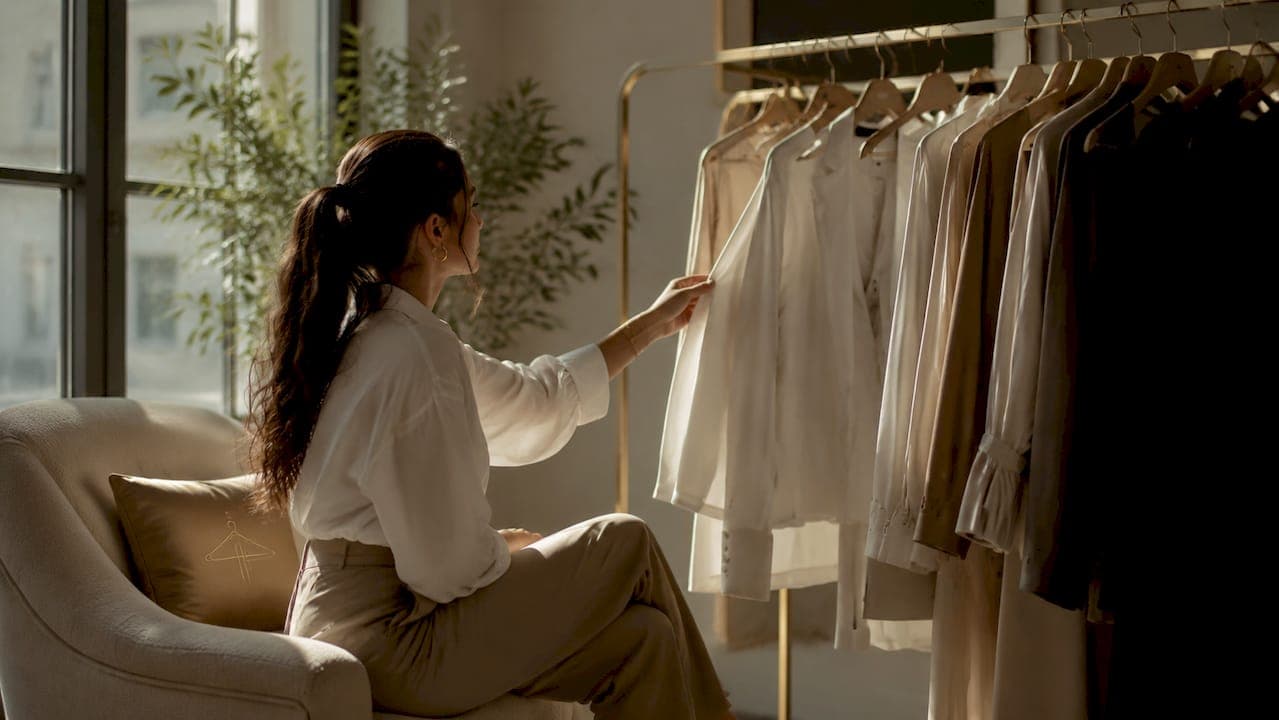
Low-effort stylish everyday dressing is the practice of building a small, well-chosen wardrobe of versatile pieces and repeatable outfit formulas that make looking polished a near-automatic daily habit. The standard industry term for this approach is "intentional dressing," and it sits at the core of minimalist everyday dressing philosophy. You do not need a packed closet or an hour each morning. Intentional dressing improves both self-perception and how others see you, making it one of the highest-return habits you can build. This guide gives you the exact framework to get there.
What essential wardrobe pieces create a foundation for low-effort style?
The foundation of effortless chic outfits is a small set of "hero pieces" that work across multiple outfits and occasions. A hero piece is any item you reach for constantly because it fits well, holds its shape, and pairs with almost everything else you own. Think of a well-fitted white tee, a pair of straight-leg dark trousers, a clean white sneaker, and a structured blazer. These four items alone can generate more than a dozen distinct looks.
Fit and condition matter more than price. A well-fitted basic outperforms expensive ill-fitting clothes in every social context. That means a $30 tee that sits perfectly on your shoulders beats a $150 shirt that bunches at the waist. Before you buy anything new, check whether what you already own fits correctly.
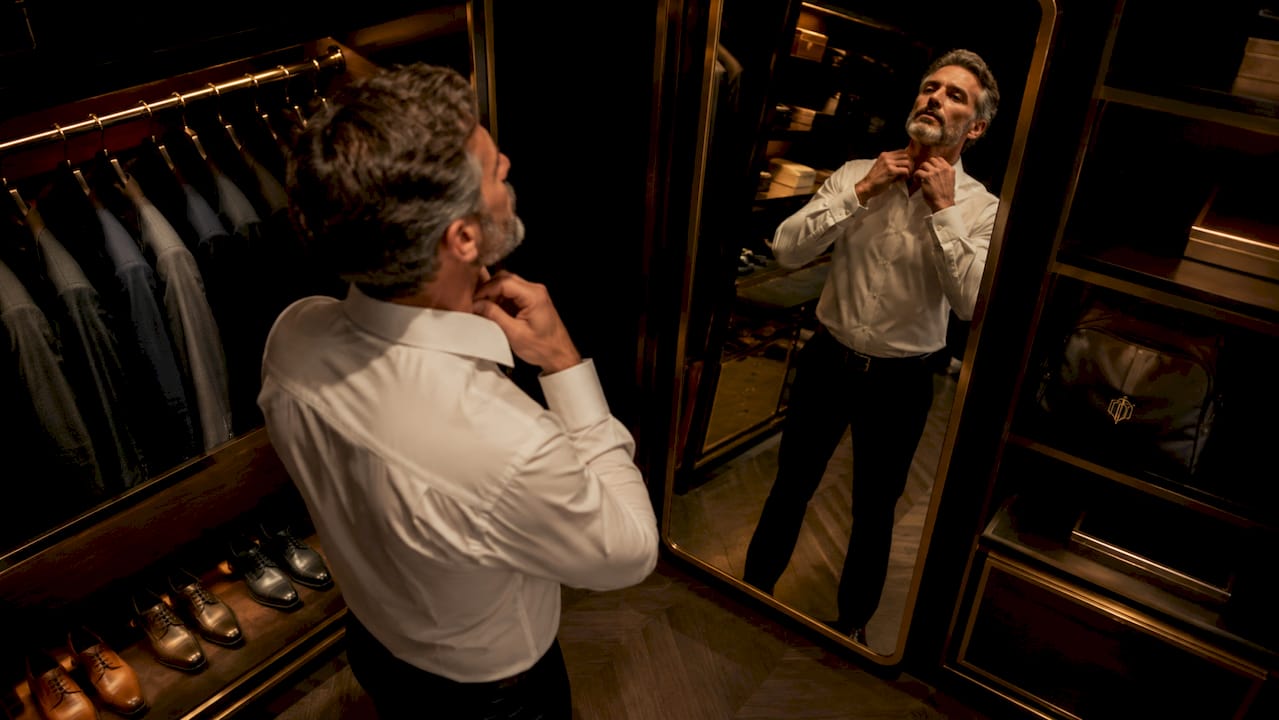
One of the most practical moves in easy daily fashion is buying multiples of your best pieces. Purchasing 3 to 5 multiples of core hero pieces reduces decision fatigue and keeps your style consistent every day. If a white tee works perfectly, own four of them. This is the same logic behind the "uniform wardrobe" approach used by people who want to eliminate morning friction entirely.
Here are the hero pieces worth prioritizing first:
- Well-fitted tees and tops in white, gray, and navy
- Straight or slim trousers in black, navy, or khaki
- A structured layer such as a blazer, denim jacket, or cardigan
- Clean, minimal footwear in white, black, or tan
- One quality bag that works for both casual and semi-formal settings
Pro Tip: Stick to neutral palettes for hero pieces. Neutrals mix with everything, so every new item you add automatically works with what you already own. This is the single fastest way to multiply your outfit options without buying more clothes.
Fabric choice also matters for comfort yet fashionable clothes. Cotton, linen, and ponte knit hold their shape through a full day. Avoid fabrics that wrinkle badly or pill after a few washes, since worn-looking clothes undercut even the best outfit formula. A functional wardrobe prioritizes items that look good and hold up under real daily use.
How do repeatable outfit formulas simplify daily dressing?
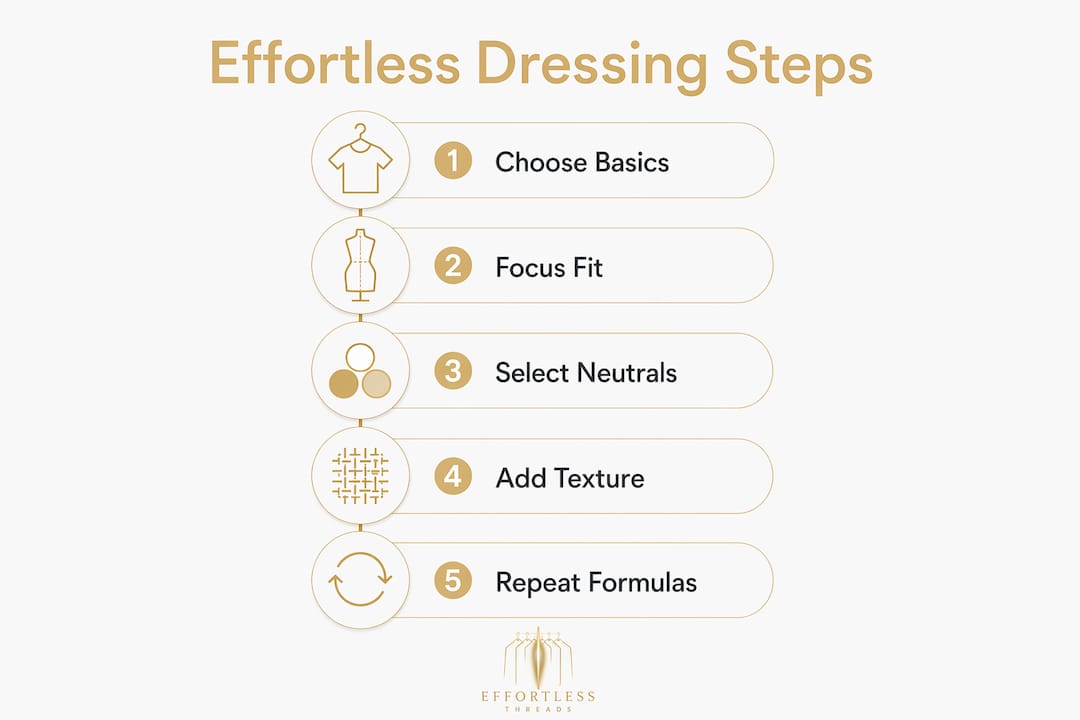
Repeatable outfit formulas are the engine behind quick outfit ideas that still look considered. The core structure is simple: base + layer + finisher. The base is your closest-to-body piece, the layer adds dimension, and the finisher is the detail that makes the look feel complete. Three core formulas enable quick assembly of polished looks with minimal thinking.
Here are three formulas that cover most daily situations:
- Casual formula: White tee (base) + denim jacket (layer) + white sneakers (finisher). Swap the jacket for a linen shirt worn open to shift the feel without changing the structure.
- Smart casual formula: Black fitted turtleneck (base) + tailored trousers (layer) + loafers (finisher). Add a minimal watch to complete the look in under 30 seconds.
- Weekend formula: Neutral crewneck sweatshirt (base) + straight-leg jeans (layer) + clean leather sneakers (finisher). Swap the sweatshirt for a striped long-sleeve tee to refresh the look on day two.
The power of these formulas is that changing one piece refreshes the entire outfit. You are not starting from scratch each morning. You are making a single swap inside a proven structure. This is how simple trendy wear stays consistent without requiring constant creativity.
Color discipline makes formulas work even better. A consistent color palette of two neutrals and one accent color keeps repeated outfits cohesive and intentional. For example, if your neutrals are black and white and your accent is camel, every piece you own works with every other piece. You never open your closet and feel stuck.
| Formula type | Best for | Key swap to refresh |
|---|---|---|
| Casual | Weekends, errands, classes | Swap jacket for open overshirt |
| Smart casual | Office, meetings, dinners | Swap turtleneck for crisp button-down |
| Weekend | Low-key days, travel | Swap sweatshirt for striped long-sleeve |
Pro Tip: Choose one accent color and commit to it for a full season. Every piece you buy in that season should work with your two neutrals and that one accent. You will never have a "nothing matches" morning again.
Mixing texture inside a neutral palette adds depth without adding complexity. A monochromatic look with varied textures reads as polished and considered. Pair a smooth cotton tee with a textured linen blazer and matte leather shoes. The outfit looks deliberate even though it took two minutes to assemble.
What finishing touches elevate easy everyday outfits?
Small details separate a stylish outfit from a sloppy one. Accessories and well-maintained clothes contribute to perceived polish without requiring any additional wardrobe investment. A clean leather belt, a simple watch, and one minimal piece of jewelry are enough to make a basic outfit look finished.
Maintenance is the most underrated habit in casual style tips. Clothes that are clean, wrinkle-free, and in good repair always look better than expensive items that are worn out or creased. Here is a short maintenance checklist that takes less than ten minutes a week:
- Check footwear weekly. Dirty or scuffed shoes undercut every outfit above them. Wipe leather shoes after each wear and replace laces when they gray out.
- Steam or hang clothes immediately. A travel steamer removes wrinkles in two minutes and extends the life of your pieces significantly.
- Inspect for pills and loose threads. A fabric shaver costs under $15 and restores the surface of knitwear in minutes.
- Get key pieces tailored. A $15 hem or a $20 waist taper on a pair of trousers can make a $40 pair look like a $200 pair.
Pro Tip: Lay out your outfit the night before, including shoes, belt, and bag. This one habit eliminates morning decision fatigue entirely and takes about 90 seconds.
Fit remains the single most important factor in how to dress stylishly without effort. Investing in base layer quality yields better shape retention and style longevity than buying several cheaper alternatives. One well-fitted, high-quality tee worn consistently beats five mediocre ones worn reluctantly.
How do you troubleshoot common low-effort dressing challenges?
The most common barrier to effortless style is a single wardrobe bottleneck. Fixing one major bottleneck such as shoes, outerwear, or layering pieces can unlock multiple outfit improvements across your entire wardrobe. Before buying anything new, identify which category is causing the most friction. If you avoid wearing certain outfits because your shoes do not match, that is your bottleneck.
The comfort versus style tension is real but solvable. Comfortable yet fashionable clothes exist in every category. Ponte knit trousers feel like sweatpants but look like tailored pants. Leather sneakers look polished but feel like athletic shoes. The key is to shop specifically for pieces that deliver both, rather than accepting that you must sacrifice one for the other.
"Style is best viewed as an automated habit, not a daily performance requiring effort. Build your wardrobe around your real weekly lifestyle, not the life you imagine you might live someday."
Overcomplicating is the other major trap. Buying trend pieces because they look good on a model, then never wearing them because they do not fit your actual life, is the fastest way to create a cluttered, unusable closet. Building style as a sustainable habit means aligning your wardrobe with what you actually do each week, not what you aspire to do.
Here are three strategies for sustaining a low-key stylish approach long term:
- Do a monthly edit. Remove anything you have not worn in 30 days. If it is not working now, it will not work later.
- Shop with a list. Only buy pieces that fill a specific gap in your current formula. Impulse buys break the system.
- Track what you actually wear. After two weeks, you will see a clear pattern. Double down on what works and stop buying what does not.
Time-saving outfit planning is a skill that compounds over time. The more deliberately you build your wardrobe, the less time you spend on it each day.
Key Takeaways
Low-effort stylish everyday dressing works because it replaces daily decisions with pre-built outfit formulas and a small, well-fitted wardrobe of hero pieces.
| Point | Details |
|---|---|
| Hero pieces first | Invest in 4–6 versatile basics that fit perfectly and work across multiple outfit formulas. |
| Buy multiples | Own 3–5 copies of your best pieces to reduce decision fatigue and stay consistent. |
| Use outfit formulas | Apply the base + layer + finisher structure to assemble polished looks in under two minutes. |
| Maintain what you own | Clean shoes, wrinkle-free clothes, and good fit do more for your style than new purchases. |
| Fix your bottleneck | Identify the one wardrobe gap causing the most friction and solve it before buying anything else. |
Why I stopped trying to "plan" my outfits and started eliminating decisions
I used to spend real time every morning staring at my closet. Not because I lacked clothes. Because I had too many options that did not work together. The shift that changed everything was not buying better clothes. It was buying fewer, better clothes and accepting that wearing the same formula repeatedly is not boring. It is efficient.
Decision elimination is the actual secret. Once I pre-defined my outfit skeleton and bought multiples of what worked, getting dressed became a 30-second routine. My confidence went up because I stopped second-guessing myself at 7:00 AM. My mornings got quieter. That is not a small thing.
The advice I see most often gets this backwards. People are told to "build a capsule wardrobe" as if buying a curated set of 30 items solves the problem. It does not. The problem is not the number of items. It is the absence of a repeatable structure. Start with one formula that works for your most common day. Wear it on repeat. Refine it. Then add a second formula. That is how effortless style actually gets built, one decision eliminated at a time.
Start small. Pick your best outfit from last week and reverse-engineer why it worked. That is your first formula. Everything else follows from there.
— Ahmed
Your personal AI stylist is ready at Mytenue
Putting these principles into practice is faster when you have a tool that knows your wardrobe, your lifestyle, and your style preferences.
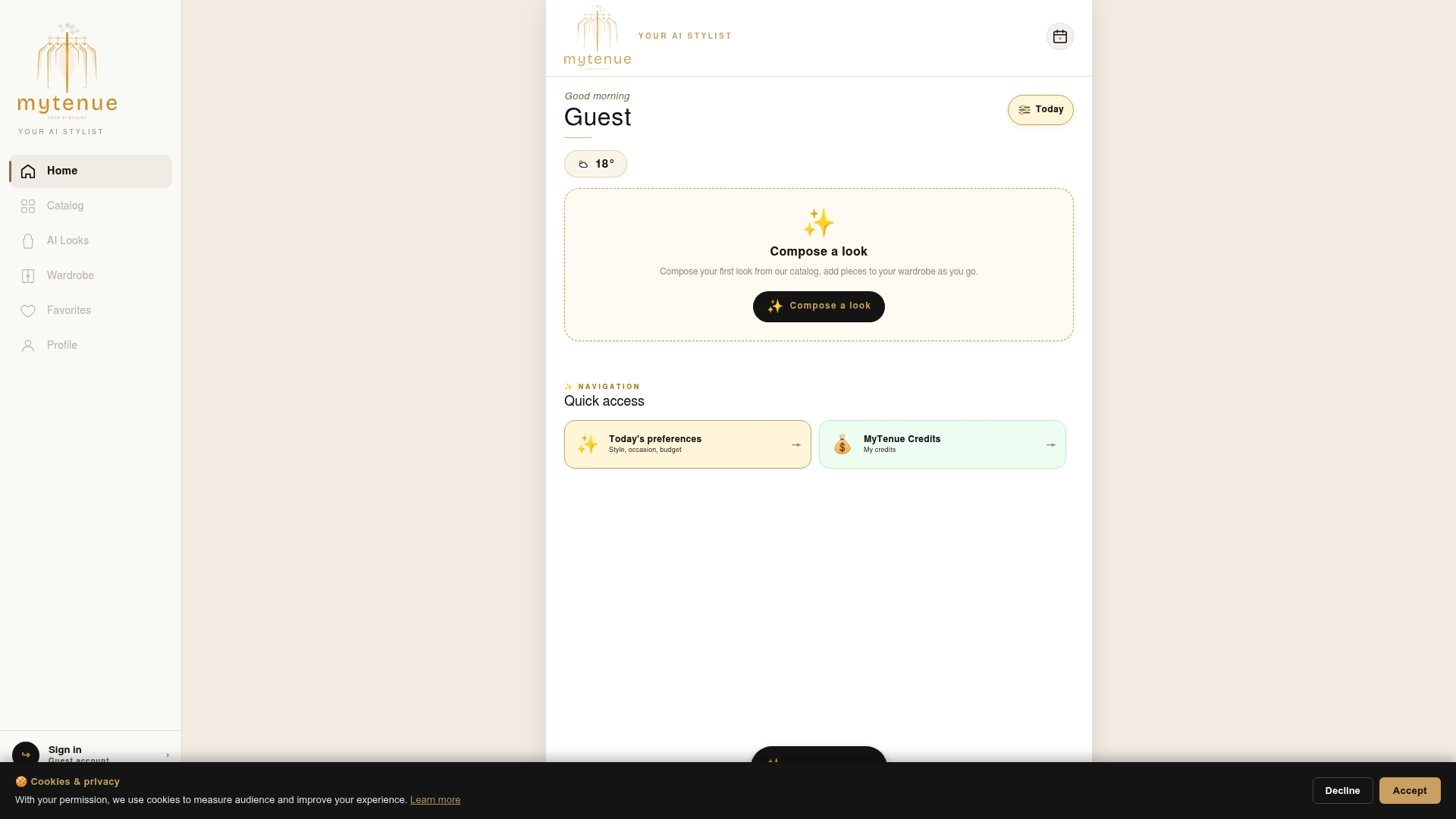
Mytenue is an AI-powered styling platform that curates personalized outfit recommendations based on your actual wardrobe, your occasions, and your budget. You can build complete looks, mix existing pieces with new ones, and stop starting from scratch every morning. Mytenue applies the same outfit formula logic covered in this guide, but does the matching work for you automatically. If you are ready to make easy daily fashion a permanent habit, start with Mytenue and let your AI stylist handle the decisions.
FAQ
What is low-effort stylish everyday dressing?
Low-effort stylish everyday dressing, also called intentional dressing, is the practice of using a small set of well-fitted hero pieces and repeatable outfit formulas to look polished with minimal daily effort. The goal is to eliminate decisions, not inspiration.
How many clothes do you actually need for effortless daily style?
A core wardrobe of 10–15 well-chosen pieces covering tops, bottoms, layers, and shoes is enough to build multiple repeatable outfit formulas. Buying multiples of your best pieces reduces decision fatigue further.
What is the base + layer + finisher outfit formula?
The base is your closest-to-body piece such as a tee or turtleneck, the layer adds dimension such as a blazer or jacket, and the finisher is the detail that completes the look such as shoes or a belt. Swapping one element refreshes the outfit without rebuilding it.
How does color palette discipline help with quick outfit ideas?
Using two neutral colors and one accent color means every piece in your wardrobe works with every other piece. This eliminates the "nothing matches" problem and makes getting dressed faster every single day.
Can Mytenue help with low-effort outfit planning?
Mytenue uses AI to generate personalized outfit recommendations based on your wardrobe, occasions, and preferences. It applies outfit formula logic automatically, making daily outfit planning faster and more consistent.