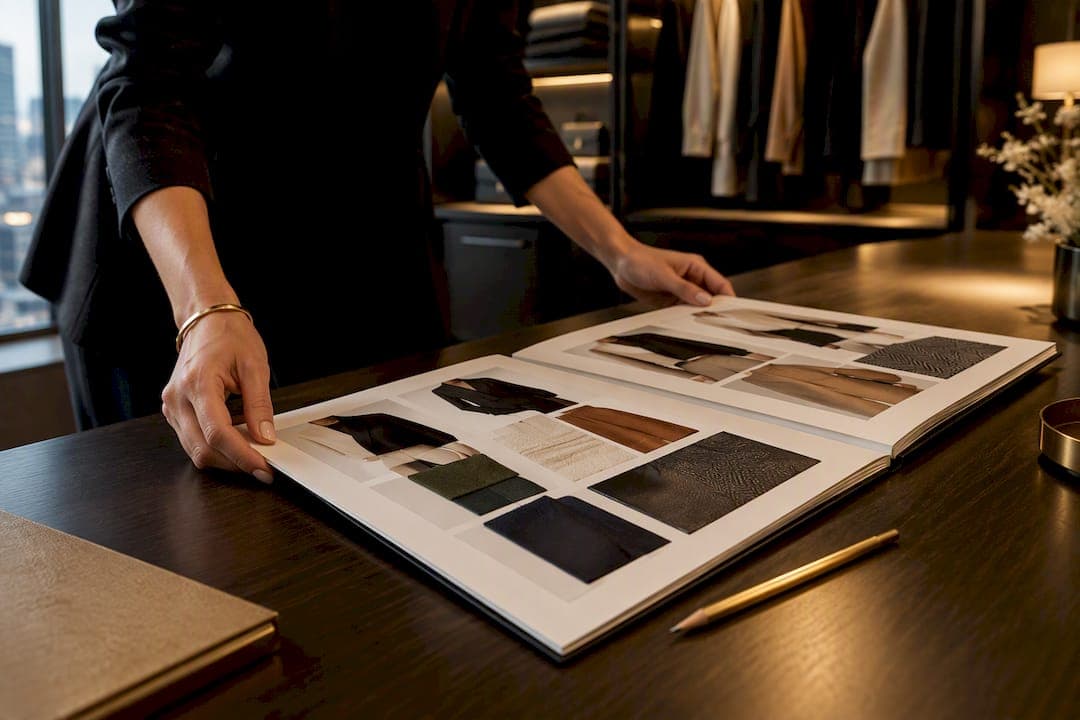
The fastest way to plan and repeat outfits is a simple calendrier tenues outfit calendar that maps what you wear to specific days. Choose a printed agenda if you like writing things down and want a tactile daily habit. Choose a digital outfit planner if you want automation, weather-aware suggestions, and less manual work. Printable templates sit in between: cheap, flexible, and ready in minutes.
TL;DR:
- Digital outfit planners with weather sync and wardrobe import save time by automating outfit suggestions and reducing manual entry.
- Printable templates and printed agendas are inexpensive and ideal for those preferring a tactile, straightforward planning process.
- Custom printing options allow for tailored layouts and durable binding, but costs are higher compared to ready-made market options.
- Weekly reviews and quick-fix notes help maintain the habit, adjust plans, and prevent outfit mishaps caused by weather or spills.
- MyTenue's AI-powered app automates wardrobe management and outfit scheduling, making it suitable for frequent planners wanting full digital integration.
Table of Contents
- What an outfit calendar looks like and who benefits
- Where to get or make a calendrier tenues
- How to use a calendrier tenues effectively
- Templates, layouts, and printable examples you can copy
- Digital outfit calendars: features to prefer and why
- How MyTenue approaches an outfit calendar
- Practical perspective: pick the system you will actually keep using
- Try MyTenue: an AI-powered outfit calendar
- Sources
- FAQ
What an outfit calendar looks like and who benefits
A calendrier tenues comes in three common shapes. Monthly grids show the whole month at a glance, good for spotting patterns and planning around trips or events. Weekly spreads give more room per day, ideal for people who juggle several roles (work, gym, evening plans). Daily outfit cards, often photo-based, work best for capsule wardrobes where the goal is tracking repeats and rotation.
Different people gravitate to different formats:
- Parents managing school mornings often prefer weekly spreads with backup options.
- Commuters and office workers like monthly grids that show the whole work cycle at once.
- Capsule-wardrobe minimalists favor daily cards to track item rotation and avoid repeats too close together.
Themed and traditional calendars (regional dress, seasonal photography) work well as inspiration rather than strict schedules. Institutional contexts use the term differently: school trousseaux and professional uniform kits are prescriptive lists, not personal style tools, though the planning logic overlaps.
Where to get or make a calendrier tenues
Ready-made options are the quickest start. Printed outfit agendas, including a 120-page agenda-style product sold on Amazon that pairs daily outfit slots with note space, suit people who want something ready to write in immediately. Etsy carries a wide mix of finished calendars and printable templates from independent sellers, which makes it a solid first stop for low-cost printables and design inspiration.

If you want something more personal, custom and print-on-demand routes give you control over layout, sizing, and binding. A4 works well for a binder you flip through at home; a compact wall calendar suits a shared family space. Local print shops can spiral-bind a printable template for a few dollars, which holds up better than loose sheets.
Cost varies by route:
- Marketplace agendas and printed journals cost the least upfront and require no design work.
- Custom printing adds a small per-copy fee but lets you choose format and paper weight.
- Institutional kits sit in a different category entirely: pilot school clothing kits in France have been estimated at roughly €200 per pupil, a figure local press coverage also cited, with some pilots funded by local authorities so families paid nothing.
How to use a calendrier tenues effectively
A calendar only works if the setup takes minutes, not hours. Here is a workflow that holds up past week one.
- Inventory your capsule essentials and mark immovable dates: work days, gym sessions, events you already know about.
- Assign outfits to each day using a weekly cadence, and note one backup per day for weather surprises or spills.
- Color-code or tag entries by function (work, casual, sport) so the calendar reads at a glance.
- Cross-check the week against the forecast and swap in layers or footwear before the morning rush.
- Run a five-minute weekly review: note what you skipped, what felt off, and adjust next week's plan.
The weekly review step matters more than the initial setup. A short recurring check removes friction and keeps the habit alive long after the first burst of motivation fades. For a ready-made structure to copy, this workweek outfit planning checklist walks through the same cadence with retail-focused examples.
Pro Tip: Keep a running "quick fix" note next to your calendar for backup pieces, so a coffee spill or a sudden temperature drop never derails the whole day.
Templates, layouts, and printable examples you can copy
Three layouts cover most needs. A monthly grid template needs a date field, a small photo or sketch box, a two-line item list, and a weather icon. A weekly spread template needs the same fields plus a note column for occasions and a backup slot. A daily outfit card needs a bigger photo area, a full item list, and a short note field for how the outfit performed.
Print sizing matters more than people expect:
- A4 sheets fit binders and folders, easy to update and reorder.
- Wall-calendar formats work for shared households where everyone needs a glance-and-go view.
- Card-stock daily cards hold up to handling better than standard printer paper.
Printable templates show up widely on Etsy and on independent planner blogs, and most can be adapted in any free editor by resizing the grid and swapping in your own fields.
Digital outfit calendars: features to prefer and why
Print works, but digital tools remove repetitive manual work. A few features make the biggest difference:
- Wardrobe import turns photos of your clothes into a searchable digital closet, so you stop retyping the same items.
- Drag-and-drop scheduling lets you move outfits across days in seconds instead of rewriting entries.
- Weather sync adjusts suggestions automatically, cutting the morning guesswork over layers.
- Outfit rating flags which combinations you actually wear again, reducing accidental repeats.
- Calendar export pushes your outfit plan into the same calendar app you already use for work and social events.
A well-organized wardrobe app cuts decision fatigue by turning a nightly guessing game into a quick scheduled check. A recurring weekly review habit, applied consistently, reduces decision fatigue and increases outfit reuse over time.
One reminder worth keeping in mind: any app that imports wardrobe photos should be transparent about where those images are stored and how they're used.
How MyTenue approaches an outfit calendar
MyTenue builds the calendrier tenues concept directly into an AI-powered wardrobe app. You digitize your clothes, and the AI studies color, fabric, and style compatibility to suggest outfits, then places them on a calendar synced to daily weather.
A typical first week looks like this: photograph 10 to 15 pieces to digitize your wardrobe, let the AI generate outfit options, drop your favorites into the calendar, and let weather sync adjust the week automatically. High-quality virtual try-on lets you preview a look on your own avatar before committing it to a day.

This article is written by Ahmed for MyTenue's editorial team, covering practical wardrobe planning and digital styling tools.
Practical perspective: pick the system you will actually keep using
The best calendrier tenues is the one you still use in week three. If you like a physical routine and don't mind repeating a Sunday planning session, print wins. If your week shifts often (weather, meetings, plans changing last minute), automation earns its keep fast.
Start with whichever format costs you the least friction today. You can always switch once you know what you'll stick with.
— Ahmed
Try MyTenue: an AI-powered outfit calendar
MyTenue turns the calendrier tenues idea into something that updates itself: digitize a few pieces, let the AI curate outfits, and watch your calendar fill in around the weather instead of around guesswork.
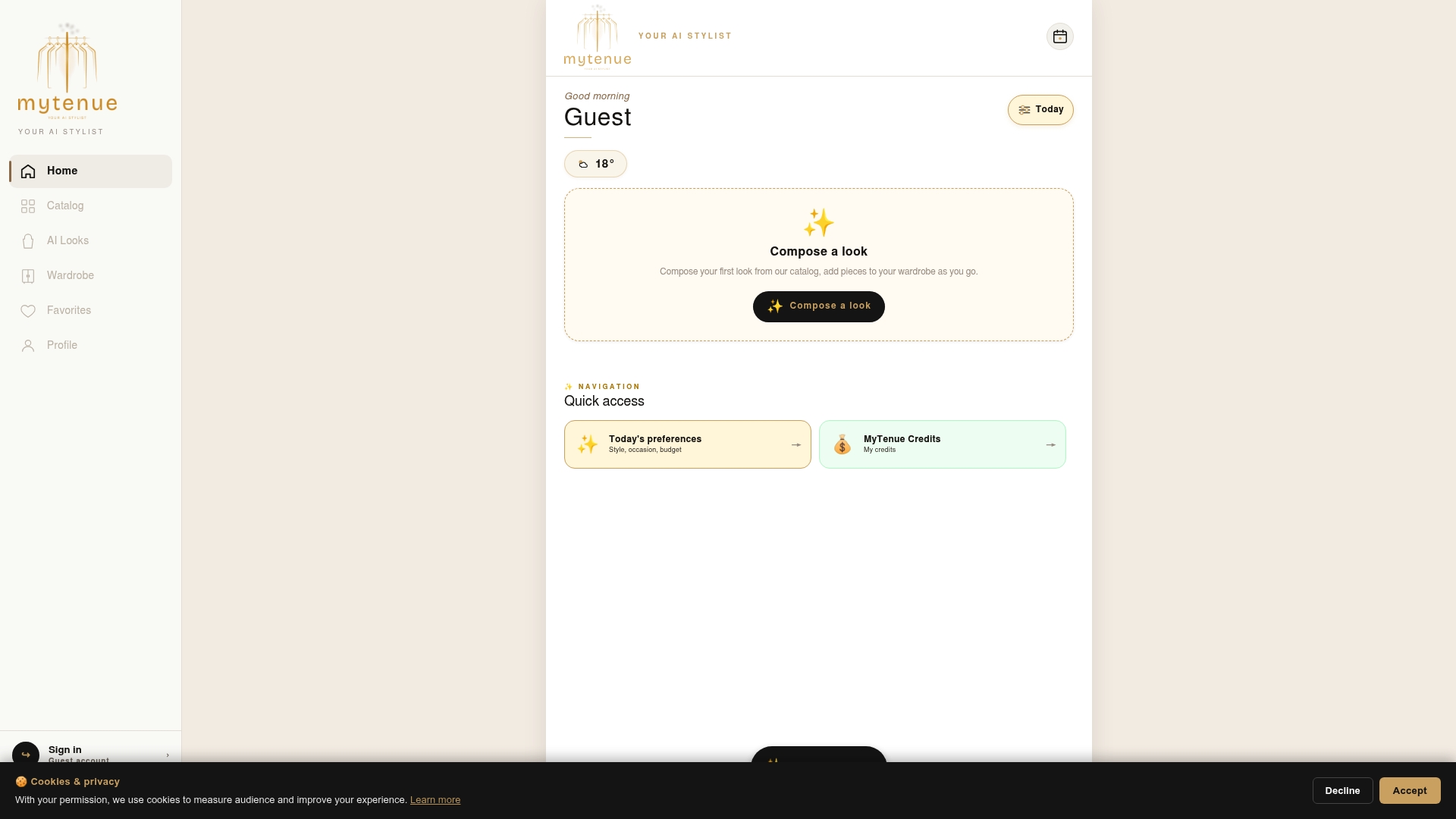
Start with the Free tier, add some wardrobe items, and schedule a test week to see how the suggestions fit your routine.
| Plan | Price | Best for |
|---|---|---|
| Free | No published price | Testing the app before committing |
| Basic | current prices are on the pricing page | Light users who want core scheduling |
| Premium | current prices are on the pricing page | Regular planners wanting full AI suggestions |
| Gold | current prices are on the pricing page | Frequent users wanting the full catalog and credits |
Explore the MyTenue app and start your first planned week today.
Sources
- Tout savoir sur l'expérimentation d'une tenue vestimentaire commune à l'école
- Uniforme scolaire : tenues, calendrier, lieux... ce qu'il faut savoir sur son expérimentation
FAQ
What is a calendrier tenues used for?
A calendrier tenues is a calendar, printed or digital, that maps outfits to specific days so you spend less time deciding what to wear. People use it for weekly work planning, capsule-wardrobe tracking, or seasonal wardrobe rotation.
Where can I buy a printed outfit calendar?
Marketplaces like Amazon and Etsy sell ready-made outfit agendas and photographic calendars, along with printable templates you can print at home. Local print shops can also bind a custom design if you want specific sizing or layout.
How much do school uniform kits typically cost?
Pilot school clothing kits in France have been estimated at roughly €200 per pupil, a figure also reported in local press coverage. Some pilots have been funded by local authorities, meaning families paid nothing directly.
What features should a digital outfit planner have?
Look for wardrobe import, drag-and-drop scheduling, weather sync, and calendar export, since these features cut the most manual work. MyTenue combines these with AI-generated outfit suggestions and virtual try-on for a more automated version of the same workflow.
Is a digital outfit calendar better than a printed one?
Neither format is strictly better: printed calendars suit people who want a tactile daily habit, while digital planners suit people who want automation and weather-based adjustments. The right choice depends on how much manual upkeep you're willing to do each week.