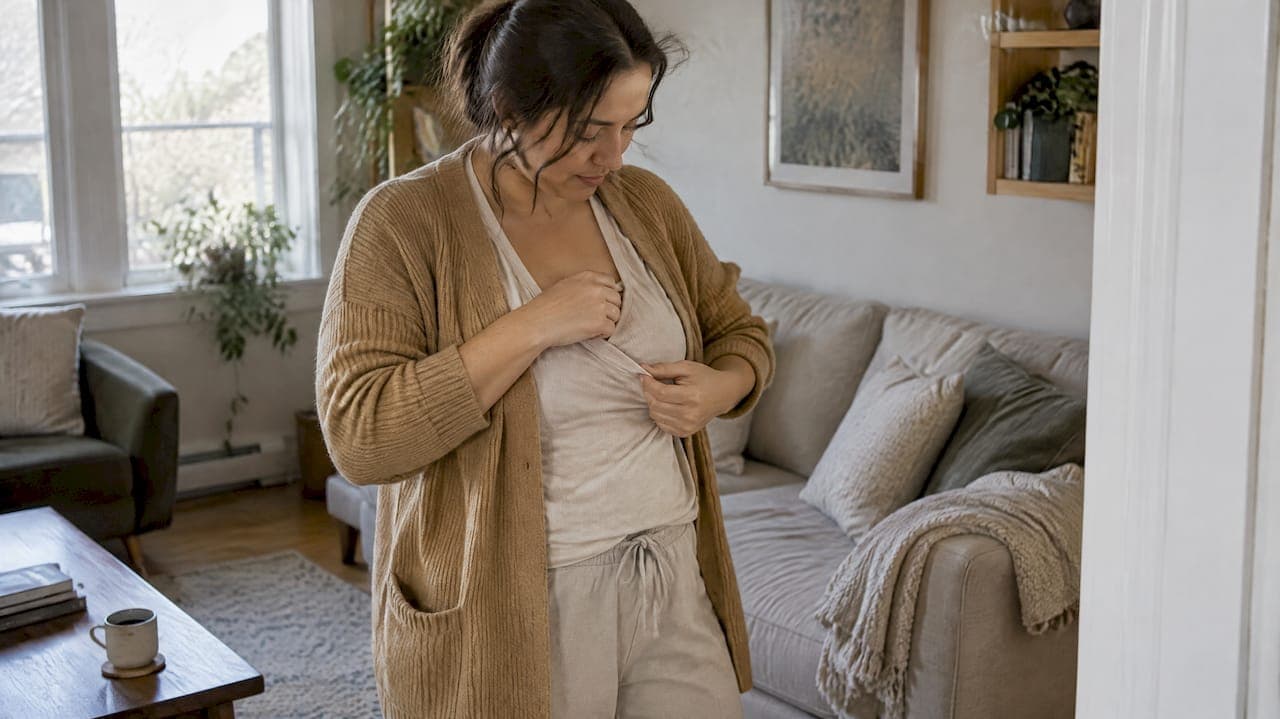
Your postpartum wardrobe comes down to a few soft, forgiving pieces: nursing bras and tops, high-waisted stretchy bottoms, an easy dress or overshirt, breathable underwear, long layers, and a slip layer for modesty. Each one meets the same goals: comfort, breastfeeding access, easy care, and a non-restrictive fit. Below you'll find outfit formulas and recovery-aware fit guidance.
TL;DR:
- After a cesarean birth, choose bottoms that sit above the incision or well below it, and avoid compression, stiff waistbands, and rough seams.
- Recovery varies, so wear loose, comfortable clothing in the early weeks and do not set a deadline for returning to your pre pregnancy size.
- Before ordering, check nursing access, an adjustable waist, breathable machine washable fabric, and the return window; measure your current bust and ribcage rather than guessing.
- Prioritize a nursing bra, one versatile dress, and durable leggings; save on tees and loungewear, and test the bra for a week before buying another.
- For easier feeding and temperature control, pair tops that open at the front or lift from the hem with removable layers such as a cardigan.
Table of Contents
- 1. The must-have postpartum wardrobe staples
- 2. Capsule outfit ideas you can repeat all week
- 3. How fit, fabric and recovery shape what you wear
- 4. How to choose nursing-friendly pieces without overbuying
- Realistic style goals for the first few months
- Plan postpartum outfits with MyTenue
- FAQ
- Sources
1. The must-have postpartum wardrobe staples
Start with the pieces you will reach for every single day. Fewer, better-chosen items beat a closet full of "maybe" clothes.
- Nursing bras and adaptable tops: Look for easy one-handed access, a supportive but soft band, and adjustable cups. Breasts can feel full, firm and tender after delivery, and supportive bras are recommended in the early days.
- High-waisted, stretchy bottoms: Soft leggings, joggers or pull-on trousers with a wide elastic waistband keep pressure off your middle. An adjustable waist helps as your shape changes week to week.
- One-piece nursing access: A wrap dress, a shirt-dress with buttons, or a stretchy knit dress covers you from shoulder to knee and still opens at the chest.
- Layering pieces: Long cardigans and open-front jackets handle temperature swings, night sweats and the need for a little privacy during feeds.
- Soft, breathable underwear: Choose cotton or a similar breathable blend in a comfortable size up. Full-coverage styles sit well over a postpartum pad during lochia, the bleeding that follows birth.
- Shoes and outerwear: Slip-on sneakers and open-front coats win. If you cannot put it on with a baby in one arm, it will stay in the closet.
Stylists agree on the formula. Elastic-waist soft pants paired with a few polished, flexible pieces carry you through changing sizes without a full re-shop.
Pro Tip: Wash every new piece before you need it. Postpartum laundry piles up fast, and a garment that survives a hot wash and a quick tumble is one you will actually wear.
On fabric, prioritize breathable, easy-care options: cotton jersey, modal, bamboo blends and soft knits that stretch and recover. Skip anything dry-clean only for now.
2. Capsule outfit ideas you can repeat all week
Once you own the staples, you only need formulas. These combinations reuse the same handful of pieces, so you can get dressed in minutes.
- Home base: Soft leggings, a nursing tank and a long cardigan.
- Quick errand run: High-waisted joggers, a nursing tee and slip-on sneakers.
- Doctor visit: Stretch trousers, a button-front overshirt and a light jacket you can remove easily.
- Work-lean: Wide-leg knit pants, a wrap-style nursing top and a structured cardigan.
- Lounge mode: A soft knit set with a nursing bra underneath.
- Simple dress look: A shirt-dress belted loosely above the waist, with a long open jacket.
- Cooler days: Leggings, a nursing top, a chunky knit and a scarf that doubles as a feeding cover.
A few quick variations keep these working at feeding time:
- For access, choose tops that open at the front or lift from the bottom.
- For temperature, wear thin layers you can peel off, since body heat shifts a lot in the early weeks.
- For a lift, add one accessory: a scarf, simple earrings or a hat. Dry shampoo and a swipe of tinted balm do the rest.
Mix new buys with what you already own. A favorite oversized button-down or a knit from before pregnancy often works better than something new. If you want a hand building combinations across seasons, our seasonal capsule guide shows how a small wardrobe stretches. For more shortcuts, see our tips on low-effort everyday dressing.
3. How fit, fabric and recovery shape what you wear
Clothes do more than look good after birth. They affect how comfortable your body feels while it heals, so fit deserves as much thought as style.
The goal is non-restrictive support. NHS recovery guidance points toward loose, comfortable clothing in the early weeks, and recovery varies from person to person, so there is no deadline for fitting into anything.
If you had a C-section, a few extra rules help:
- Choose high-waisted bottoms that sit above the incision, or low-slung ones that sit well below it, so nothing rubs the scar.
- Choose a comfortable amount of ease at the waist, and avoid aggressive compression.
- Pick soft, smooth fabrics. Rough seams and stiff waistbands cause friction.
- Keep your layers loose over the abdomen.
For breastfeeding, expect tenderness and size changes. Wearing a supportive nursing bra may help, and if you are very uncomfortable, talk to your midwife about fit.
Why the postpartum period matters: Postpartum care covers the period after birth, and this period is when soft, forgiving clothing earns its place.
Choose cotton, modal, bamboo and other breathable knits if your skin feels sensitive. Wash them with a gentle, fragrance-free detergent, and keep a spare nursing bra or two in rotation so one is always clean and dry.

4. How to choose nursing-friendly pieces without overbuying
Shop with a checklist, not a mood. A short list keeps you from buying things that look nice but fail at 3 a.m.
- Access: Zips, snaps, wrap fronts or stretch panels that open at the chest.
- Waist: Elastic or adjustable, with no hard waistband.
- Fabric: Soft, stretchy, breathable and machine washable.
- Returns: Check the return window, since your size may change after you order.
Spend where it counts: a supportive nursing bra, one versatile dress, and a pair of durable leggings. Save on tees, tanks and loungewear, since you will wear those out fastest.
A few shopping hacks make it easier. Buy neutrals so everything mixes, and try each piece on over a layered outfit to see how it behaves in real life. Measure yourself rather than guessing your size, because your ribcage and bust may look different than they did a few months ago. If a bra still pinches or digs after a couple of weeks, ask your midwife or book a retailer fitting.
If you want a few investment ideas, our guide to effortless wardrobe upgrades covers which basics repay the spend. New parents hunting for gentle baby basics to match can also browse organic capsule pieces for babies.
Pro Tip: Buy your second nursing bra only after you have lived in the first for a week. You will learn exactly what you want in the band and straps.
Realistic style goals for the first few months

Dressing after birth carries more feeling than people admit. Some mornings you will love what you see, and some mornings nothing will feel right. Both are normal, and recovery does not follow a schedule.
My practical take is simple: a few soft, nursing-friendly pieces plus two or three outfit formulas will carry you further than a perfect closet. Be gentle with yourself. Reuse the favorites you already love, and let a good pair of stretchy pants do some of the work for you.
— Ahmed
Plan postpartum outfits with MyTenue
Once your staples are in place, our app turns them into daily outfits so you can stop deciding at the last minute. MyTenue fits into a postpartum routine in a few simple ways:
- We curate outfits from the clothes you already own.
- Our virtual try-on lets you preview a look without changing.
- Our outfit planner schedules repeatable looks ahead of time.
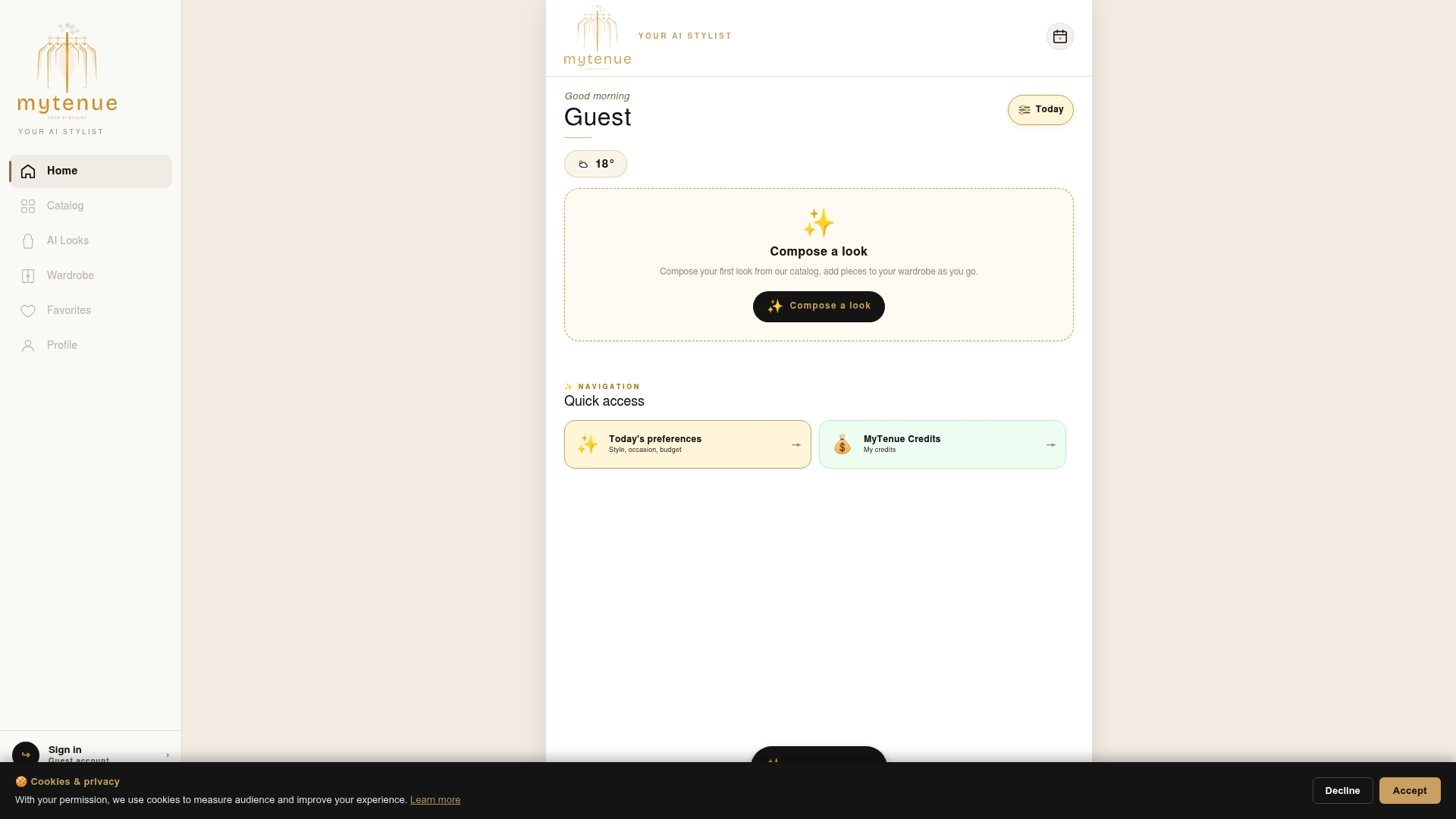
Digitize a handful of core pieces, accept a few suggestions, and plan your week. Take a look at our app page to see the plans and start building your capsule.
FAQ
How do you dress after having a baby?
Choose loose, soft, stretchy pieces that open easily for nursing. High-waisted bottoms, nursing tops and long layers cover most days. Stylist guidance favors elastic-waist pants and a few polished, flexible pieces.
What is the 5-5-5 rule for postpartum recovery?
It is a popular informal rule: five days in bed, five days on the bed, and five days around the bed. It is not an official clinical standard, so follow your own care team's advice. Recovery varies, and the NHS suggests starting with gentle activity.
What are the must-haves in a maternity and postpartum wardrobe?
Nursing bras, soft high-waisted bottoms, a nursing-friendly dress or overshirt, breathable underwear and a long cardigan. Add slip-on shoes and one easy coat. These pieces work through pregnancy, recovery and breastfeeding.
When should I ask a professional about bra fit?
If your bra still feels painful after a couple of weeks, talk to your midwife. The NHS advises speaking to your midwife if you are very uncomfortable, and a retailer fitting can also help.
Sources
- [Caesarean section — Recovery
- Postpartum Care of the New Mother - StatPearls - NCBI Bookshelf
- Addressed: How Do I Dress for My Postpartum Life? | Vogue