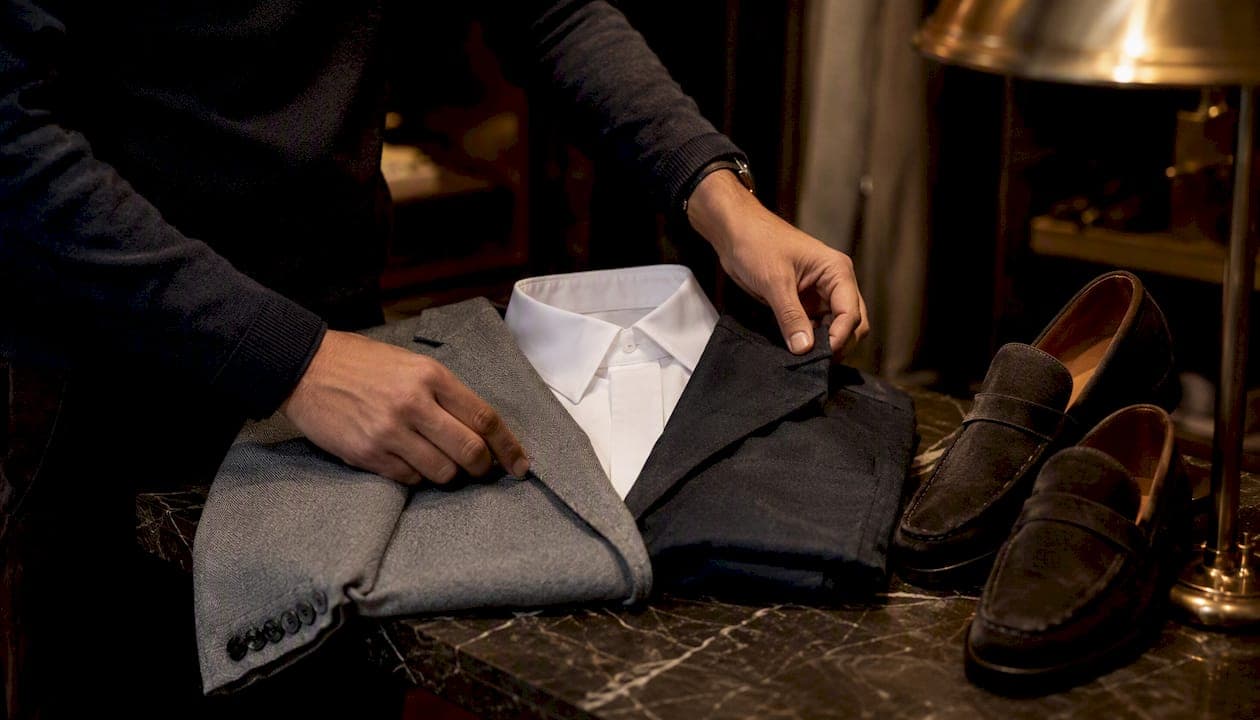
Smart dressing means looking deliberately polished by combining well-fitting, structured pieces with relaxed items in good condition. The single most useful rule: anchor every outfit decision to the venue, the time of day, and who is hosting. Get those three right, and the rest falls into place. Cambridge Dictionary defines smart casual as "neat and stylish but not too formal," which captures the middle-ground status perfectly. MIT's Career Advising team adds that most people can build a qualifying outfit from pieces they already own by focusing on fit and condition over price.
Key Takeaways
Smart dressing works when you anchor outfit choices to venue, time, and host, then apply fit and condition as your quality filter.
| Point | Details |
|---|---|
| Fit beats price | A well-fitted mid-range piece reads smarter than an expensive ill-fitting one. |
| One structured piece | Every smart outfit needs at least one structured item: blazer, tailored trouser, or structured coat. |
| Venue and time anchor | Ask where, when, and who is hosting before choosing between relaxed and structured pieces. |
| Condition is non-negotiable | Clean, pressed, and polished items are the baseline; worn or wrinkled pieces undermine everything else. |
| Shoes matter most | Scuffed or worn shoes are the fastest way to undercut an otherwise polished outfit. |
Table of Contents
- What does smart dressing mean, exactly?
- The core principles that make any outfit read as smart
- Outfit templates you can build from your existing wardrobe
- How to interpret an ambiguous "smart" invite
- Common mistakes that make smart outfits fall short
- Why smart casual stays ambiguous and how to make it work every time
- An editor's note on getting this right
- Sources
What does smart dressing mean, exactly?
Smart dressing sits between casual and formal. It signals effort and intention without crossing into black-tie territory. Think of it as the dress code that says: you took this seriously, but you are not attending a state dinner.
The term "smart casual" is the most common variant you will see on invitations. According to Wikipedia's overview of smart casual, it blends casual wear with components of a traditional lounge suit, and its definitions have shifted across industries and geographies since the mid-20th century. That history is exactly why the label feels vague. It was never meant to be precise.
Here is how smart dressing compares to the codes around it:
| Dress code | Formality level | Typical pieces | What to avoid |
|---|---|---|---|
| Casual | Lowest | Jeans, T-shirts, sneakers | Nothing off-limits |
| Smart casual | Middle | Chinos, blazer, loafers, blouse | Distressed denim, athletic wear |
| Business casual | Upper-middle | Dress trousers, button-down, flats | Jeans, open-toe shoes (often) |
| Formal / Black tie | Highest | Suit, gown, tuxedo | Anything unstructured |
Geography and industry shift the line. A "smart" invite at a London media agency reads differently than the same word on a Paris restaurant reservation. When in doubt, lean one step more formal than you think you need.
The core principles that make any outfit read as smart
Fit is the single highest-impact variable. A well-cut chino in a mid-range fabric reads smarter than an expensive suit that bags at the knees. Condition runs a close second: Cambridge's definition of "smartly dressed" stresses clean, stylish appearance as the baseline. Everything else builds on those two foundations.
- Fit: Shoulders sit correctly, trousers break cleanly, sleeves hit the wrist bone.
- Condition: No visible wear, pilling, stains, or wrinkles. Press or steam before wearing.
- Structure: At least one structured piece per outfit (blazer, tailored trouser, structured coat).
- Fabric: Prefer natural or natural-blend fabrics (cotton, wool, linen) over synthetic sheen.
- Color palette: Stick to two or three colors maximum. Neutrals anchor the look; one accent is enough.
- Grooming: Clean hair, trimmed nails, and polished or clean shoes complete the picture.
The high/low balance rule is the practical shortcut most stylists teach: pair one structured, formal piece with one relaxed, high-quality casual item. A blazer over a plain white tee works. Tailored trousers with a relaxed knit works. Two relaxed pieces together usually do not. A single structured piece does the heavy lifting for the whole outfit.
Pro Tip: Shoes and fit are the two details people notice first. Worn-down heels or scuffed leather undermine an otherwise polished look faster than any other single item. If you invest anywhere, invest there.
Outfit templates you can build from your existing wardrobe
You do not need to shop. Most smart outfits are already hanging in your closet. The goal is combination, not acquisition. For more ready-to-wear inspiration, the Mytenue smart casual outfit guide covers 15 combinations you can adapt directly.
For men
A navy or charcoal blazer over a white Oxford shirt with slim chinos and leather loafers is the most reliable smart casual formula. It works for office events, restaurant dinners, and networking drinks without adjustment.
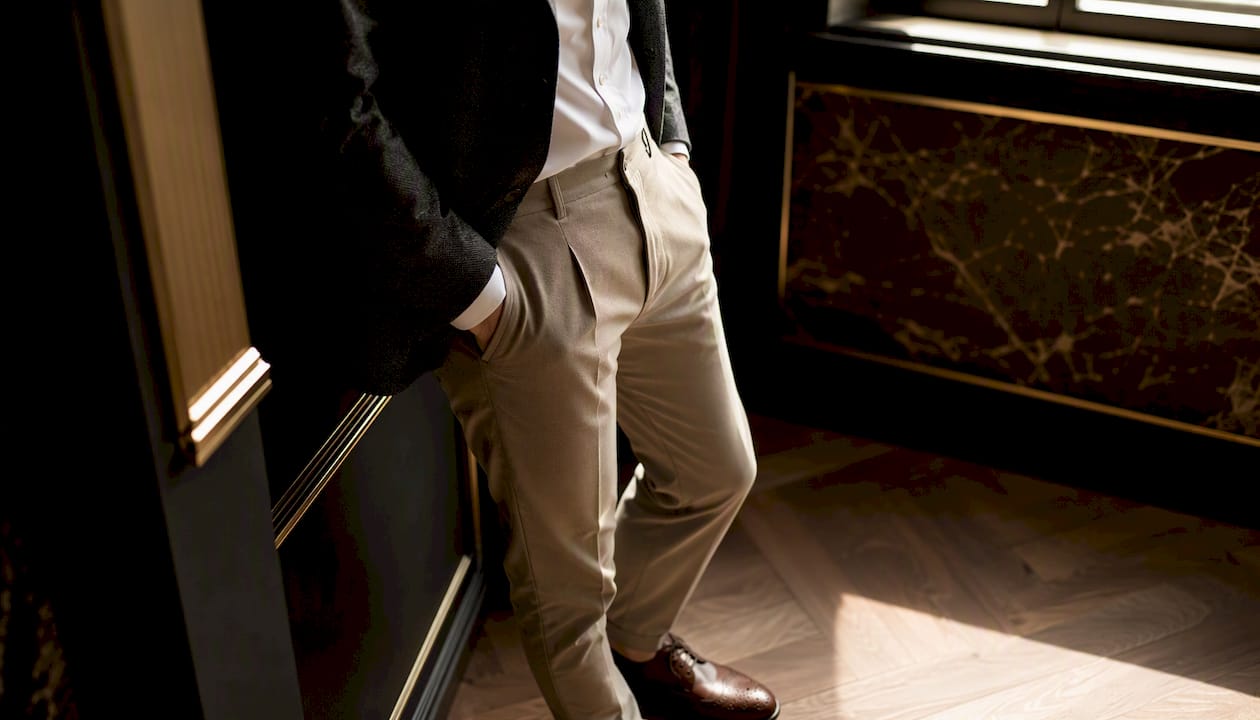
Dark, clean denim (no distressing, no fading) paired with an unstructured blazer and Chelsea boots is a slightly more relaxed version that still reads intentional. Swap the Chelsea boots for white leather sneakers and you move one notch toward casual, which is fine for a social evening but risky for a professional setting.
No blazer? A well-fitted merino crewneck or a structured overshirt with tailored trousers and loafers covers the gap. The key is that the top must be clean-lined and free of graphics.
For women
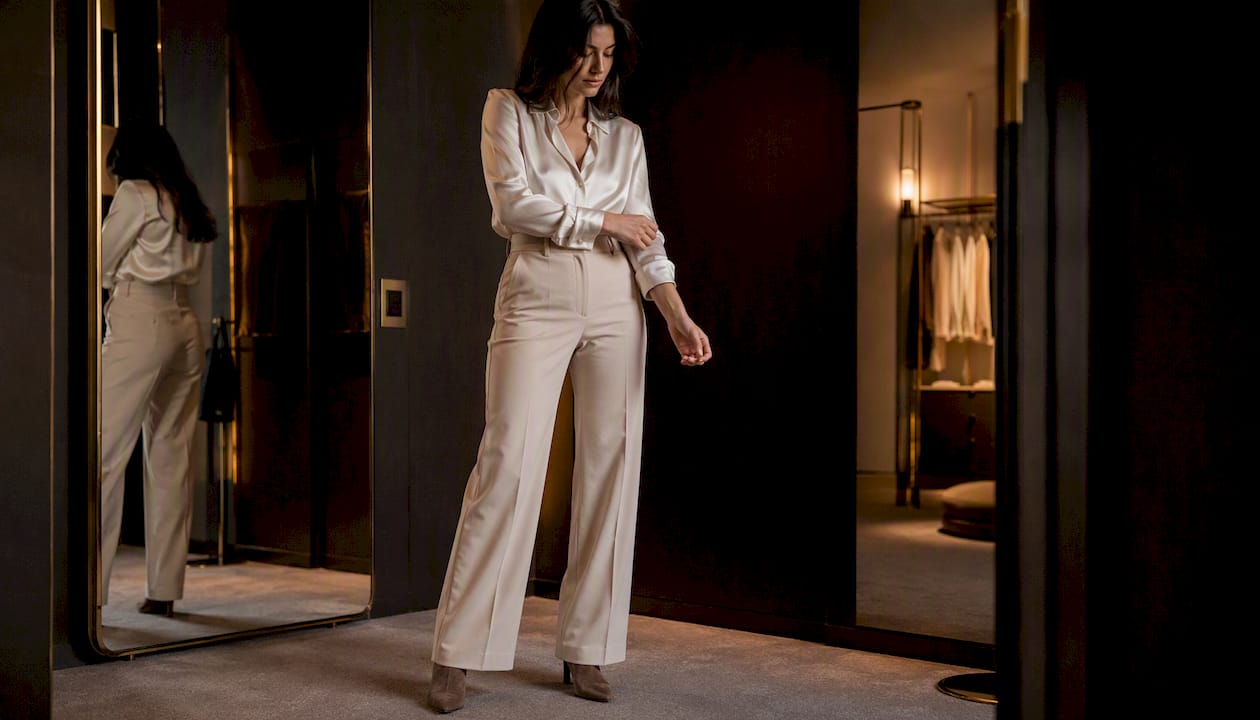
A silk or woven blouse tucked into tailored trousers with low-heeled mules or pointed-toe flats is a go-to that works across nearly every smart occasion. The tuck signals intention; the heel height is flexible.
A fine-knit sweater with a midi skirt and ankle boots is equally strong and easier to pull from a casual wardrobe. The structure comes from the skirt's silhouette rather than a blazer, which shows that structure does not always mean tailoring.
A wrap dress in a solid or subtle print with block-heeled sandals or loafers is the single-piece option when you want zero coordination effort. Keep accessories minimal: one necklace or a pair of earrings, not both.
Gender-neutral and footwear notes
Clean, well-fitted trousers in a neutral (black, navy, camel) paired with a structured shirt or blouse and leather loafers work for any body type and any gender expression. Clean leather sneakers are acceptable in many smart casual contexts, particularly social ones, as long as the rest of the outfit carries structure. Athletic trainers are not.
For budget-friendly swaps, the Mytenue seasonal style guide has practical options for updating key pieces without overspending.
How to interpret an ambiguous "smart" invite
Three questions resolve most dress-code uncertainty:
- Where is it? A rooftop bar calls for relaxed smart. A private members' club calls for structured smart. A hotel ballroom calls for formal smart.
- What time? Daytime events allow lighter fabrics and less structure. Evening events warrant darker colors and more polish.
- Who is hosting? A startup founder's birthday reads differently than a law firm's client dinner. Match the host's likely standard, then add one notch.
Forbes guidance on smart casual is direct: use venue and time of day as your anchor, lean toward structured pieces for formal venues, and allow more relaxed pieces for social settings. That single rule handles the majority of ambiguous invites.
Practical swaps to carry with you: keep a blazer in the car or bag if you are unsure. Swap sneakers for loafers before you walk in. Tuck the shirt for a more formal room; untuck it for a casual one. These micro-adjustments take thirty seconds and shift the read of an outfit significantly.
Common mistakes that make smart outfits fall short
Most smart-dressing failures come down to condition and proportion, not price.
- Distressed or faded denim: Even dark denim with visible fading reads as casual. Replace with clean, dark, unadorned denim or switch to chinos.
- Visible logos or slogans: Branded T-shirts and logo-heavy pieces pull an outfit toward streetwear. Opt for plain or subtly textured tops.
- Worn or dirty shoes: Scuffed leather, dirty soles, or worn-down heels are the fastest way to undermine a polished outfit. Clean and polish before wearing.
- Ill-fitting garments: Baggy shoulders, excess fabric at the waist, or trousers that pool at the ankle all signal that the outfit was not chosen with care.
- Wrinkled or unsteamed pieces: A wrinkled blazer or creased shirt signals that you dressed in a hurry. Five minutes with a steamer fixes this entirely.
- Over-accessorizing: Too many competing accessories fragment the look. Pick one focal point.
When the event is in a conservative industry (finance, law, government) or a formal cultural context, always err one level more formal than you think is needed. The cost of being overdressed is minimal; the cost of being underdressed in those rooms is real.
Why smart casual stays ambiguous and how to make it work every time
Smart casual persists as a category precisely because it serves hybrid cultures. It gives hosts flexibility and guests room for personal expression. The ambiguity is a feature, not a flaw. But that means the burden shifts to you to read the context correctly.
The one rule that holds across every scenario: fit plus venue/time anchor. Get the fit right, read the room, and you will not go wrong. MIT CAPD's practical guidance confirms that most people already own what they need; the gap is usually in how pieces are combined, not what is in the wardrobe. A wardrobe-building approach that prioritizes versatile, well-fitting pieces makes this even easier over time.
An editor's note on getting this right
Smart dressing is not about owning expensive clothes. It is about wearing what you have with intention. Once you understand that the venue and time of day do most of the decision-making for you, the anxiety around dress codes drops considerably.
You likely already have the pieces. A blazer, a pair of clean trousers, and decent shoes cover most situations. Mytenue's AI stylist can help you see those combinations in your own wardrobe, so you spend less time guessing and more time feeling confident before you walk out the door.
Sources
These are the primary sources referenced throughout this article:
- How To Dress Smart Casual: What You Need To Know
- SMART CASUAL | English meaning - Cambridge Dictionary
- What is a smart casual dress code?
- The Smart Casual Dress Code: A Mathematical Guide For Men
- Smart casual