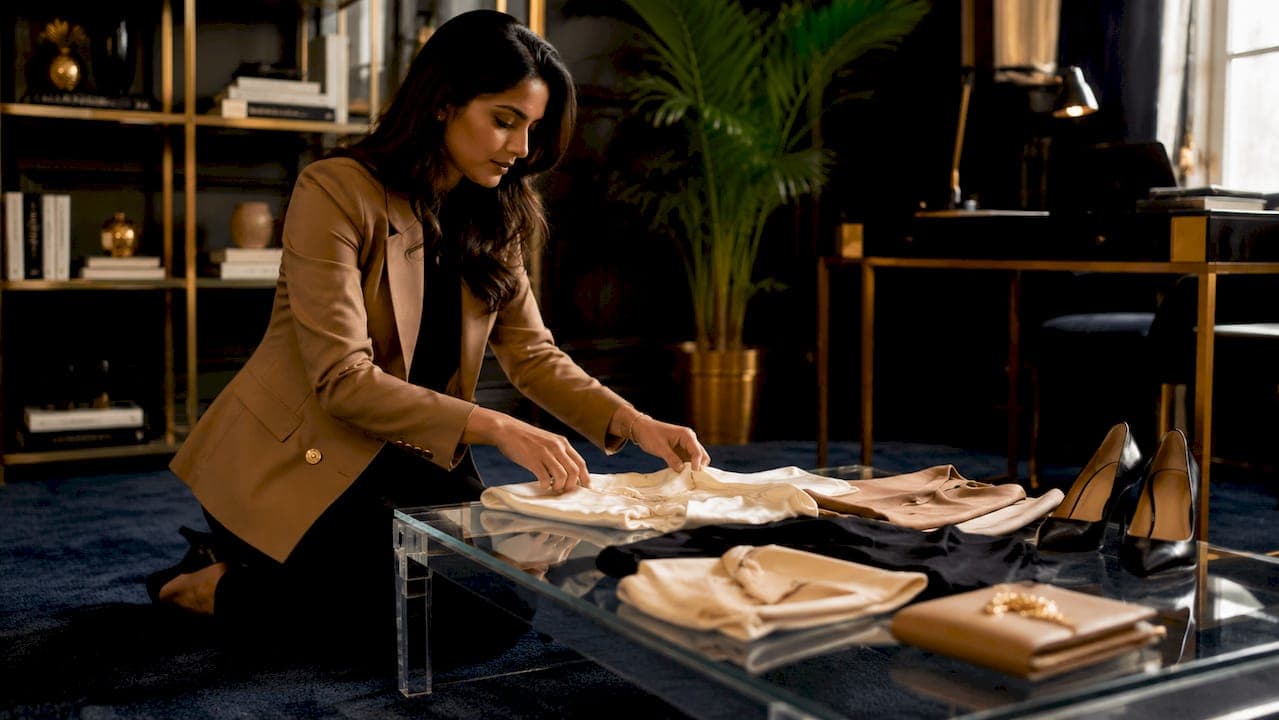
Smart shopping fashion is the practice of selecting clothing and accessories with clear intent, prioritizing quality, versatility, and long-term value over impulse buying. The industry term for this approach is intelligent fashion curation, and it covers everything from closet audits to AI-powered outfit building. You get a wardrobe that actually works for your life, not just a closet full of things you never wear. Platforms like Mytenue have made this kind of personalized, data-driven styling accessible to anyone with a phone.
What is smart shopping fashion, and why does it matter?
Smart shopping fashion is defined as intentional clothing selection guided by cost-per-wear value, garment versatility, and personal style goals rather than trend cycles or promotional pressure. The standard industry term is intelligent fashion curation, which shifts wardrobe management from physical accumulation to computational management, prioritizing modular, multi-year garments over disposable pieces.
The core insight is simple. Buying fewer, better items that coordinate with what you already own costs less over time and produces more outfits. A $200 blazer worn 80 times costs $2.50 per wear. A $40 trend piece worn twice costs $20 per wear. The math makes the case for quality before you even open your closet.
Smart fashion curation also addresses a real pain point. Online fashion shoppers waste over 100 hours per year scrolling through irrelevant choices. That figure represents two and a half full work weeks lost to browsing. Intelligent curation compresses that time to minutes by filtering for your specific style, occasion, and budget from the start.
How does AI and fashion technology enable smarter shopping?
AI has fundamentally changed what smart shopping looks like in practice. Traditional keyword browsing surfaces results based on ad budgets and search volume. AI-curated fashion discovery moves toward style-aware systems that understand mood, occasion, and individual aesthetics. The difference is the gap between searching "blue dress" and having a system that already knows you prefer structured silhouettes for work events.

The technical process behind AI outfit building is more specific than most people realize. AI outfit curation analyzes product attributes including color, occasion, vibe, and garment category, then selects matching pieces using scoring and filtering to build complete, coherent looks. This is not random pairing. It is attribute-level reasoning that mirrors what a trained stylist does manually.
Here is how AI-powered fashion technology improves the shopping experience in concrete steps:
- Style intake. You define your preferences, body type, occasions, and budget. The system builds a taste profile.
- Attribute analysis. AI reads garment data including color palette, silhouette, fabric weight, and occasion fit.
- Outfit assembly. The system builds complete looks using a "Complete the Look" model, not isolated product recommendations.
- Scoring and filtering. Outfits are ranked by coherence, occasion match, and personal style alignment before you see them.
- Feedback loop. Your reactions refine future recommendations, making the system more accurate over time.
Recommendation accuracy and experiential features drive adoption of AI fashion platforms more than ease of use alone. That means the best platforms are the ones that get the style right, not just the ones with the cleanest interface.
Pro Tip: Look for platforms that offer "Complete the Look" outfit building rather than simple product discovery. Buying a single item without knowing how it fits your existing wardrobe is how impulse purchases happen.
Combining AI attribute data with human editorial review produces the most stylistically coherent recommendations at scale. Mytenue applies this model, pairing AI-generated outfit logic with personal style inputs so each recommendation reflects your actual wardrobe needs.
Why does smart shopping fashion support sustainable choices?
Sustainable fashion shopping and intelligent curation are the same practice viewed from two angles. When you buy garments that coordinate with what you own, last multiple seasons, and serve more than one occasion, you generate less textile waste. Intelligent fashion curation reduces mindless accumulation by focusing on modular clothing components that retain value across years, not just seasons.
The environmental case for smart wardrobe building is direct:
- Fewer impulse purchases. Curated buying means you only acquire items with a clear role in your wardrobe.
- Longer garment lifecycles. Quality-focused selection produces pieces worn dozens of times rather than a handful.
- Reduced replacement cycles. Durable, versatile garments do not need to be swapped out each season.
- Lower total consumption. A smaller, better-coordinated wardrobe requires fewer new purchases annually.
- Ethical sourcing awareness. Digital transparency tools now surface garment lifecycle data and supplier ethics at the point of purchase.
Fast fashion's model depends on high volume and low price. Smart fashion curation breaks that cycle by making quality the primary filter. When you use a closet audit to identify what you actually wear, you stop buying duplicates of items you already own and start filling real gaps.
Emotional engagement and social influence also shape how people adopt sustainable shopping habits. Platforms that make ethical choices feel personal and stylish, rather than restrictive, see stronger long-term behavior change. Sustainability works best when it aligns with how you want to look, not just how you want to feel about your choices.
How do you build a versatile wardrobe through smart shopping?
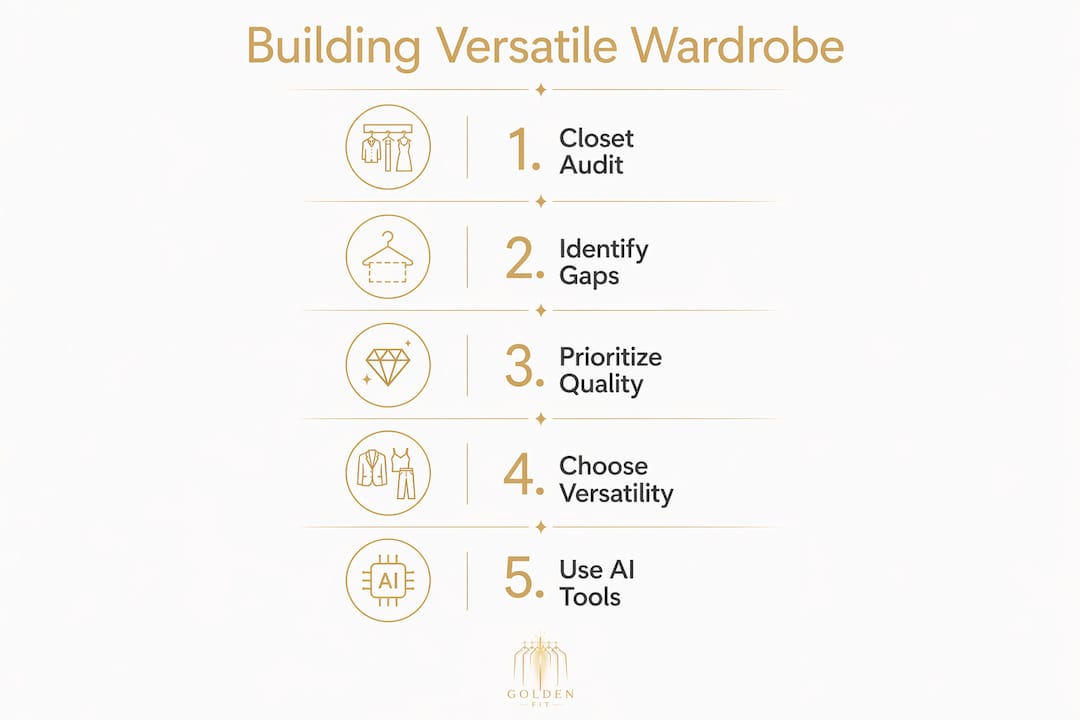
The most effective starting point is a closet audit. Logging outfit usage with a calendar or app identifies which items you actually reach for and which ones have not moved in months. This prevents duplicate purchases and makes real wardrobe gaps visible before you spend anything.
Evaluating garment value before you buy
The cost-per-wear metric is the clearest tool for evaluating clothing value. Smart shoppers prioritize cost-per-wear over upfront price, choosing garments that last longer and reduce replacement needs. Divide the purchase price by the number of times you realistically expect to wear the item. A $150 coat worn 100 times over three years costs $1.50 per wear. A $30 top worn three times costs $10 per wear.
| Evaluation factor | What to ask |
|---|---|
| Versatility | Does this work for at least three different occasions? |
| Cost per wear | What is the realistic wear count over two years? |
| Style longevity | Will this still fit my wardrobe in three seasons? |
| Coordination | Does this work with five or more items I already own? |
| Quality signals | Are the seams, fabric weight, and construction built to last? |
Using AI tools to fill wardrobe gaps
AI styling apps change how you approach wardrobe gaps. Instead of browsing broadly and hoping something works, you enter your existing wardrobe and let the system identify what is missing. Mytenue's AI wardrobe personalization approach does exactly this, matching new recommendations to what you already own rather than treating each purchase as a standalone decision.
Pro Tip: Before buying anything new, photograph your current wardrobe and upload it to an AI styling platform. The system will show you what coordinates with existing pieces and flag the actual gaps, so you shop with a list rather than a mood.
AI-driven outfit personalization also reduces decision fatigue, which is one of the least-discussed costs of a poorly organized wardrobe. When every morning requires assembling an outfit from scratch, you burn mental energy before the day starts. A curated wardrobe with clear outfit combinations solves this at the source.
What are the biggest misconceptions about smart fashion shopping?
The most common misunderstanding is that smart shopping means buying less and wearing boring clothes. That is not accurate. Smart shopping means buying with intention, which often produces a more expressive wardrobe, not a smaller one.
Common misconceptions worth addressing directly:
- "Quality items are always expensive." Cost-per-wear math regularly shows that a $120 well-made shirt outperforms three $40 shirts that wear out in a year. The upfront cost is higher; the total cost is lower.
- "AI styling removes personal expression." AI platforms build recommendations around your stated preferences and feedback. The system learns your taste rather than replacing it.
- "Smart shopping means following fewer trends." The goal is distinguishing between trends that align with your personal style and those that do not. You can follow trends intentionally.
- "A capsule wardrobe is the only smart approach." Capsule wardrobes work for some people. Others need more variety. The principle is coordination and intentionality, not a specific item count.
Fashion trends and personal style are not in conflict. AI-curated platforms now track trend cycles and filter them through your personal style profile, so you see the trends relevant to you rather than every trend in the market. That is a more useful signal than a seasonal runway report.
Key Takeaways
Smart shopping fashion, or intelligent fashion curation, produces a more wearable, cost-effective, and sustainable wardrobe by combining the cost-per-wear metric, closet audits, and AI-powered outfit coordination.
| Point | Details |
|---|---|
| Define your intent first | Audit your closet before buying to identify real gaps, not imagined ones. |
| Use cost-per-wear as your filter | Divide price by expected wears to evaluate true garment value over time. |
| AI builds complete outfits | Look for platforms offering "Complete the Look" features, not just product search. |
| Sustainability follows curation | Buying fewer, better-coordinated items reduces textile waste without restricting style. |
| Feedback improves accuracy | AI recommendations get sharper the more you interact with and rate suggestions. |
Why I think most people are approaching wardrobe building backwards
Most fashion advice starts with trends. Buy this season's color. Invest in these five pieces. Follow this capsule formula. I have spent years watching people build wardrobes around external signals and end up with closets full of clothes they do not wear.
The shift that actually works is starting with what you already own. A closet audit is not glamorous, but it is the single most clarifying exercise in fashion. You find out fast that most people already own the foundation of a great wardrobe. They just cannot see it because nothing coordinates.
AI tools have made this process genuinely useful rather than theoretical. The ability to input your existing wardrobe and receive outfit combinations you had not considered is a real change in how people relate to their clothes. It is not about replacing your taste. It is about making your taste visible and workable.
The sustainability angle matters too, but not for the reasons most articles emphasize. Buying less is not the goal. Buying right is. When you use cost-per-wear thinking and AI curation together, you naturally buy less because you buy better. The environmental benefit is a byproduct of good decision-making, not a sacrifice.
My honest recommendation: treat your wardrobe like a system, not a collection. Every new piece should have a clear role and at least five outfit combinations before you buy it. AI platforms make that test fast and concrete. Use them.
— Ahmed
Mytenue makes personalized outfit curation easy
Your wardrobe works best when every piece has a purpose and a partner. Mytenue is an AI-powered personal styling platform that builds complete outfits around your preferences, occasions, and budget, so you shop with direction rather than guesswork.
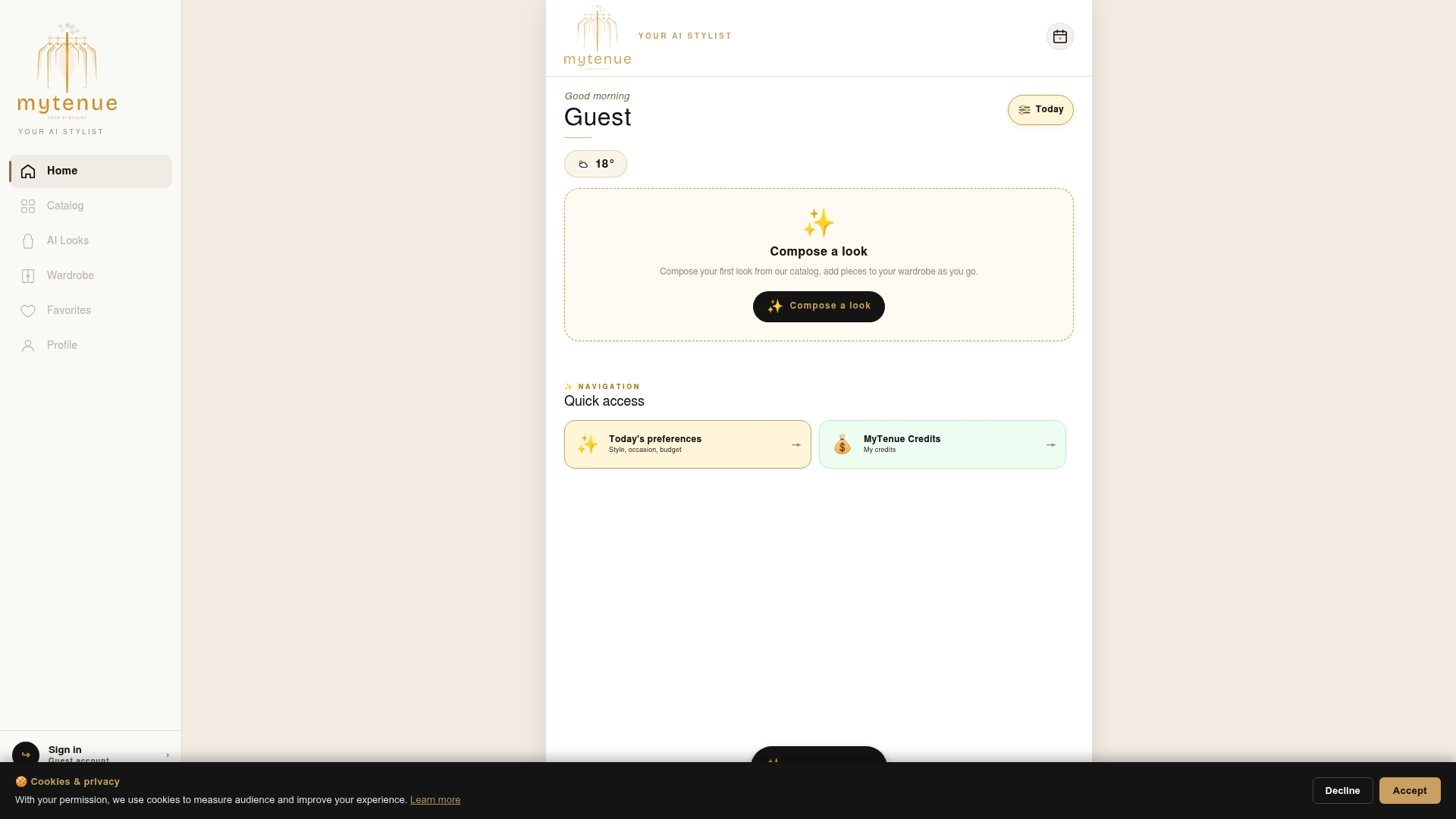
Mytenue analyzes your style inputs and existing wardrobe to recommend outfits that coordinate from the start. You spend less time scrolling and more time wearing looks that actually fit your life. Whether you are filling specific wardrobe gaps or building a more sustainable closet, Mytenue's AI stylist gives you a clear, personalized starting point. Try it and see how much easier getting dressed can be.
FAQ
What is smart shopping fashion in simple terms?
Smart shopping fashion is the practice of buying clothing with clear intent, prioritizing garments that are versatile, long-lasting, and coordinated with what you already own rather than buying based on impulse or trend pressure.
What does smart fashion curation mean?
Smart fashion curation, also called intelligent fashion curation, means selecting and organizing clothing using data-driven criteria like cost-per-wear, occasion fit, and style coherence to build a wardrobe that works across multiple contexts.
How does AI help with smart shopping to fill a wardrobe?
AI platforms analyze your existing wardrobe and style preferences to identify real gaps and recommend specific pieces that coordinate with what you already own, replacing broad browsing with targeted, outfit-level suggestions.
Is smart shopping fashion only for people with large budgets?
No. The cost-per-wear metric shows that smart shopping often reduces total spending by replacing frequent low-cost purchases with fewer, higher-quality items that last significantly longer and require less replacement.
What is the best first step to start shopping smarter?
A closet audit is the most effective starting point. Logging which items you actually wear reveals real wardrobe gaps and prevents duplicate purchases before you spend anything new.