
AI trend forecasting for outfits is the process of using artificial intelligence to analyze fashion data and generate personalized, trend-forward outfit recommendations in real time. This technology has moved well beyond the runway. Today, platforms process millions of wardrobe images daily, translating global trend signals into specific outfit choices for individual people. Whether you want to refine your personal style or simply stop staring at a full closet with nothing to wear, predictive fashion analytics gives you a concrete starting point. Mytenue is one platform making this kind of personalized guidance accessible to anyone.
What powers AI trend forecasting for outfits?
AI trend forecasting for outfits runs on three core inputs: massive fashion datasets, personal style profiles, and real-time contextual signals. The scale is striking. Stitch Fix generates about 43 million outfit combinations daily, translating runway trends into specific user choices. That volume shows how much processing power sits behind even a single outfit suggestion you receive on your phone.
The personal data layer is equally important. Style DNA recognizes 12 seasonal color types and multiple body type profiles to generate styling recommendations. This means the AI is not just pattern-matching on trend data. It is cross-referencing your specific coloring, proportions, and stated preferences before it suggests anything.
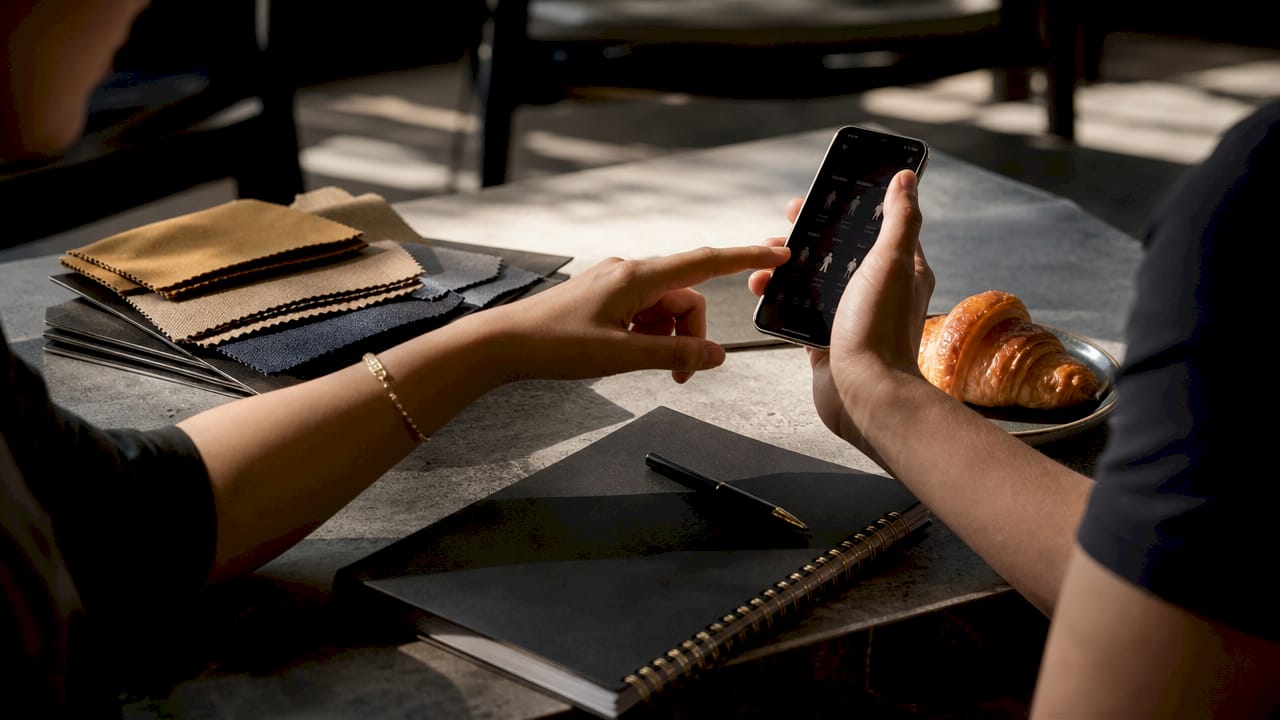
Real-time signals add another layer. AI models now integrate climate data, calendar events, and personal style personas to make outfit planning dynamic rather than static. A suggestion for a tuesday in october looks different from one for a saturday in july, even if your wardrobe stays the same.
Feature categories in AI wardrobe apps
| Feature category | What it does |
|---|---|
| Wardrobe digitization | Photographs and catalogs every item you own |
| Color and body analysis | Maps your seasonal color type and body profile |
| Trend signal integration | Pulls current runway and social trend data |
| Occasion and weather filters | Adjusts suggestions by event type and forecast |
| Outfit wear tracking | Flags recent repeats and suggests fresh combinations |
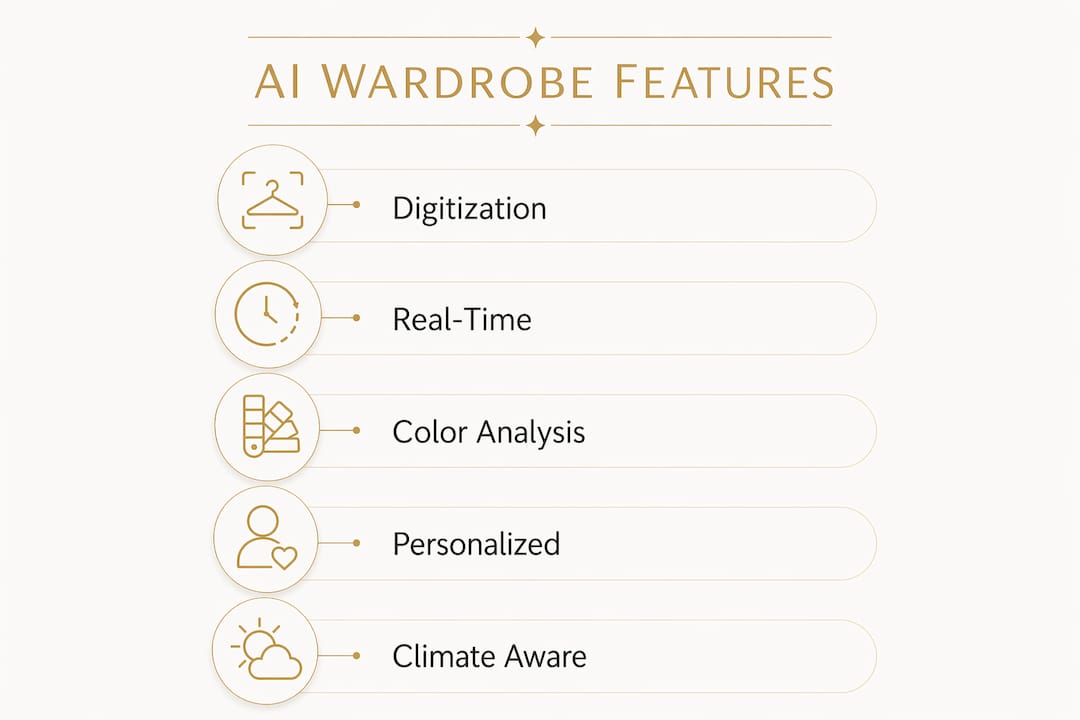
Entry-level apps typically cover wardrobe digitization and basic outfit suggestions. More advanced platforms add real-time trend integration and occasion-based filtering. The gap between the two categories is significant for anyone serious about AI wardrobe recommendations that actually match their life.
Pro Tip: Before choosing an AI styling app, check whether it supports color season analysis. Apps that recognize your seasonal palette produce noticeably more accurate outfit suggestions from day one.
How do you use AI forecasting for daily outfit choices?
Getting started with machine learning for outfits takes about 30–60 minutes of setup, and the payoff starts immediately. Onboarding typically involves photographing your wardrobe items and completing a style questionnaire. The time varies by how many pieces you own, but the process is straightforward.
Here is the full workflow from setup to daily use:
- Take a style selfie. Some apps, like Style DNA, create a full style profile 35 seconds after a selfie. This step captures your coloring and facial features for color analysis.
- Complete the style questionnaire. Answer questions about your lifestyle, preferred aesthetics, and the occasions you dress for most often. This calibrates the AI to your actual life, not a generic fashion persona.
- Photograph your wardrobe. Capture each item individually. Good lighting and a neutral background improve recognition accuracy. This step is the foundation of every future suggestion.
- Review your first outfit set. Most apps deliver 5 ready-to-wear daily outfits personalized by color, body, and style after setup. Rate each one to train the algorithm faster.
- Set your daily context. Each morning, input your occasion, weather, and any specific requirements. The AI adjusts its suggestions accordingly.
- Iterate with feedback. Mark outfits you wore, liked, or skipped. The model improves with every data point you give it.
The key shift here is moving from passive browsing to active calibration. The more context you feed the AI, the more accurate its fashion trend analysis becomes for your specific wardrobe. Platforms like Mytenue are built around this feedback loop, making occasion-based outfit planning faster with each use.
Pro Tip: Rate every outfit suggestion for the first two weeks, even the ones you would never wear. Negative feedback trains the algorithm just as effectively as positive ratings.
What challenges come up when using AI for outfit forecasting?
The biggest practical challenge is wardrobe utilization. Meta AI estimates people wear only about 20% of their closets. That means 80% of your clothes sit unused, which is exactly the gap AI aims to close by surfacing forgotten combinations. But the AI can only work with what you have digitized. Incomplete wardrobe uploads produce incomplete suggestions.
The second challenge is the "black box" perception. Many people assume AI recommendations are arbitrary. Effective AI tools work as integrated workflows that incorporate external factors like weather and calendar events. Understanding that logic makes it easier to trust and adjust the output rather than dismiss it.
Here are the most common issues and how to fix them:
- Incomplete wardrobe catalog. Add items in batches if full digitization feels like too much at once. Even 30 core pieces give the AI enough to work with.
- Style drift over time. Your taste evolves. Revisit your style questionnaire every few months to keep the AI's profile current.
- Repetitive suggestions. Some apps flag recent outfit repeats and suggest variations for upcoming events. If yours does not, manually mark worn outfits to push the algorithm toward new combinations.
- Trend suggestions that feel off. Not every trend fits every person. Use the AI's trend signals as inspiration, then filter through your own taste before committing to a purchase.
- Over-reliance on AI output. AI provides early signals and combinations. Human judgment decides what actually gets worn.
"AI is most effective as a partner to human stylists, providing early trend signals, but humans provide final curation and creativity." — Heuritech's approach to trend adoption
The AI wardrobe analysis process works best when you treat it as a conversation, not a command. Push back on suggestions that miss the mark. The model learns from that resistance.
How does AI forecasting shape your future wardrobe?
AI trend forecasting has shifted from reactive to real-time. Heuritech's algorithms predicted dotted prints and flat thong sandals for 2026 ahead of Paris Fashion Week. That kind of early detection, months before mainstream adoption, gives individual shoppers the same lead time that major retailers once kept for themselves.
For personal wardrobes, this matters in three specific ways:
- Smarter buying decisions. When you know a trend is rising, you can invest in one quality piece rather than buying reactively and accumulating items that date quickly.
- Capsule wardrobe building. AI suggests wardrobes emphasizing quality basics over fast fashion, adapted by season and city. A capsule built with AI guidance stays relevant longer because it is anchored to both your personal style and verified trend data.
- Reduced waste. Sustainable fashion benefits most from AI by boosting wardrobe utilization and reducing waste through digital planning. Buying less and wearing more of what you own is the most direct path to a sustainable wardrobe.
Future fashion predictions from AI are not about chasing every trend. They are about knowing which trends align with your existing wardrobe so you can make targeted additions. That shift from reactive shopping to planned acquisition is where AI delivers its clearest long-term value. Mytenue builds this kind of forward-looking planning into its core experience, helping you think about your wardrobe as a system rather than a collection of individual pieces.
Key takeaways
AI trend forecasting for outfits works best when you combine complete wardrobe digitization, active feedback, and human judgment to turn data signals into outfits you actually wear.
| Point | Details |
|---|---|
| Digitize your full wardrobe | Complete catalogs produce better suggestions; partial uploads limit AI accuracy significantly. |
| Use color and body analysis | Apps recognizing 12 seasonal color types generate more accurate daily outfit recommendations. |
| Treat AI as a partner | AI provides trend signals and combinations; your personal taste makes the final call. |
| Act on early trend signals | AI detects rising trends months ahead, giving you time to buy intentionally rather than reactively. |
| Iterate with feedback | Rating suggestions weekly trains the algorithm and improves recommendation quality over time. |
Why I think most people are using AI styling tools wrong
I have spent time testing AI outfit tools across different platforms, and the pattern I see most often is this: people set up the app, get excited about the first batch of suggestions, and then stop engaging. They treat the AI like a vending machine instead of a feedback system. That is where the value disappears.
The tools that actually changed how I think about my wardrobe were the ones I used actively for at least three weeks. By week three, the suggestions stopped feeling generic. The AI had enough data on what I skipped, what I wore twice, and what I rated highly to start producing combinations I would not have thought of myself. That is the real payoff, and most people never reach it because they quit too early.
The other thing I would push back on is the idea that AI replaces personal taste. It does not. What it does is surface options you would never have considered because you mentally categorized certain pieces as "not going together." The AI has no such bias. It sees your wardrobe as pure data, and sometimes that objectivity produces genuinely good ideas.
My honest advice: start with your 30 most-worn pieces, not your entire closet. Get the algorithm calibrated on what you actually like before you flood it with aspirational purchases that never leave the hanger. Build from there. The how to use AI for styling conversation is really about patience and iteration, not technology.
— Ahmed
Mytenue brings AI outfit forecasting to your daily routine
Your wardrobe already has more potential than you are using. Mytenue's AI styling platform turns your existing clothes into a personalized outfit system, matching your style preferences, budget, and occasion needs in one place.
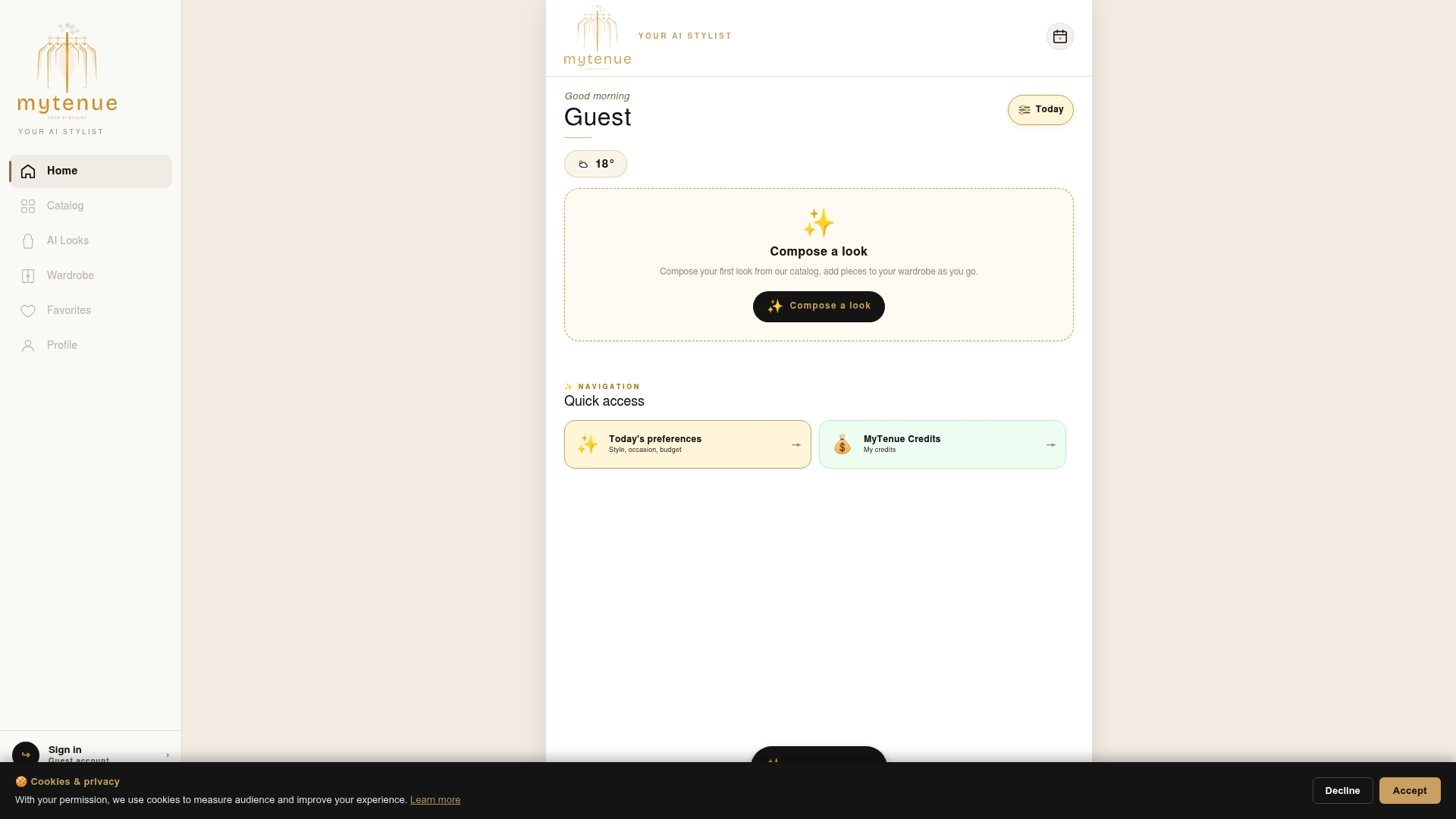
Mytenue builds outfit recommendations from your actual wardrobe, not a generic catalog. You get personalized looks that reflect your color profile, body type, and the events in your life. The platform also encourages mixing existing pieces with new finds, so you buy with purpose rather than impulse. Ready to see what your wardrobe can actually do? Visit Mytenue and get your first AI-curated outfit set today.
FAQ
What is AI trend forecasting for outfits?
AI trend forecasting for outfits uses machine learning to analyze runway data, social signals, and personal wardrobe information to generate trend-aligned outfit recommendations. The process runs in real time, producing suggestions tailored to your color type, body profile, and occasion.
How long does it take to set up an AI styling app?
Setup typically takes 30–60 minutes, covering a style selfie, a questionnaire, and wardrobe photography. Some apps generate a full style profile within 35 seconds of a selfie, with outfit suggestions available immediately after.
Can AI forecasting work with a small wardrobe?
Yes. Starting with 30 core pieces gives the AI enough data to generate varied outfit combinations. The algorithm improves as you add items and rate suggestions over time.
How does AI help with sustainable fashion choices?
AI boosts wardrobe utilization by surfacing the roughly 80% of clothes most people never wear. Capsule wardrobe planning guided by AI also reduces overbuying by helping you identify exactly which pieces fill genuine gaps.
Is AI outfit forecasting accurate for personal style?
Accuracy improves significantly with active use. Apps that incorporate color season analysis, body type profiling, and occasion filters produce noticeably more relevant suggestions than basic recommendation engines.