If Météo-France shows orange or red vigilance, or rain within the hour, grab a waterproof outer layer plus an insulating mid-layer and cover your extremities. Check vigilance color, temperature felt, wind, and UV before you check your closet. An app can turn those four signals into a ready outfit in seconds.
TL;DR:
- Wear waterproof and insulated layers immediately if vigilance alerts are orange or red, or if rain is forecast within the next hour.
- Adjust outfits based on felt temperature, wind, and humidity, using layering strategies rather than relying solely on thermometer readings.
- For cold days below 5°C, dress in wool base layers, an insulated mid-layer, windproof shell, and lined boots for maximum warmth.
- In moderate temperatures of 5 to 15°C, opt for layered long-sleeves, fleece or sweater, and an openable jacket to accommodate daily swings.
- Use real-time alerts for quick outfit adjustments, especially to prepare for rain, wind, or high UV, with an app providing personalized clothing suggestions.
Table of Contents
- What Météo-France vigilance colors mean for your day
- Turning alerts and forecasts into an instant clothing checklist
- Outfit formulas you can copy by temperature band
- Setting up real-time weather alerts and outfit notifications
- A simple morning routine that respects your wardrobe
- Let MyTenue handle the weather math for you
- Sources
- FAQ
What Météo-France vigilance colors mean for your day
Four colors, four levels of action. Green means no particular watch needed: dress for the forecast and move on. Yellow signals an occasional or local risk that is common for the season, so stay aware but don't change your plans. Orange and red mark dangerous to exceptional phenomena that call for real vigilance and, for red, possible public mobilization.
The system tracks nine phenomena, each with its own clothing logic:
- Wind: a windproof shell beats a heavy coat that traps nothing but bulk.
- Rain-flooding: waterproof footwear and a sealed jacket, not just water-resistant fabric.
- Thunderstorms: avoid open umbrellas in gusty conditions, favor a hooded shell.
- Snow-ice: insulated, grippy boots matter more than style.
- Heatwave: light, breathable fabrics and sun coverage over bare skin.
- Extreme cold, flood surges, avalanches, and river flooding round out the list, each demanding its own precautions beyond clothing.
Vigilance maps update at least twice daily, at 6:00 AM and 4:00 PM, sometimes more often when conditions shift fast. That cadence matters: a morning check at 6:00 AM might miss an afternoon upgrade, so a second glance before you leave work is worth the ten seconds it takes. Alerts apply at the department level, so your color can differ from a region thirty minutes away.
Turning alerts and forecasts into an instant clothing checklist
Dressing well in changeable weather comes down to reading signals in the right order. Here's the sequence that works:
- Orange or red vigilance: reassess your plans first, then pick protective, weather-sealed layers before anything else.
- Rain expected within the hour: a waterproof outer layer and water-resistant shoes go on, minute-by-minute precipitation forecasts are the most useful tool for this call.
- Wind with cool temperatures: add a windproof layer and cover your neck, since wind cuts through fabric faster than cold air alone.
- High UV index: sunglasses, a hat, and lighter fabrics, even on a day that isn't particularly hot.
Temperature felt is not the thermometer reading. Humidity and wind both push the felt temperature down (or up, in summer) by several degrees, which is why two days at the same reported temperature can call for completely different outfits. A layering strategy built around temperature felt consistently works better than dressing for the number alone, and three thin layers usually beat one heavy piece when conditions shift during the day.
Pro Tip: Keep a foldable windbreaker in your bag on any day with a forecast swing bigger than a few degrees, so you can add or shed a layer without rethinking the whole outfit.
A quick example: you leave in a light sweater at 9:00 AM, the wind picks up by noon, you add the windbreaker over it, and by 3:00 PM the sun is out so you tie it around your waist. One outfit, three adjustments, zero wasted trips home.

Outfit formulas you can copy by temperature band
Once you know the signals, the outfit itself is mostly arithmetic. These bands, pulled from practical layering guidance for temperature felt, cover most days.
Below 5°C: wool or merino base layer, insulated mid-layer, windproof or down outer shell, lined boots, hat and gloves. Wool holds warmth even when damp, which matters more than it sounds on a day with mixed snow and rain. For a full set of cold-weather outfit recipes, layering order is the whole game: base, insulation, shell, in that sequence.
5 to 15°C: a long-sleeve top, a sweater or fleece, and a jacket you can open as the day warms. This is the trickiest band because morning and afternoon temperatures can swing 5 to 10 degrees, so modularity matters more than any single piece. A detailed breakdown of 10°C outfits shows how one base outfit yields several variations just by swapping the outer layer.
15 to 25°C: cotton or linen, a light jacket for mornings and evenings, and shoes that breathe. This band rewards fabric choice over bulk, since the comfort gap between cotton and a synthetic blend is noticeable by midafternoon.
Above 25°C: lightweight, loose-fitting linen or cotton, sun protection, and breathable footwear. UV matters here independent of temperature, since a cloudy 26°C day can still carry a high UV index.
| Condition | What changes | Why it works |
|---|---|---|
| Rain forecast | Swap outer layer for a sealed waterproof shell | Water-resistant fabric alone wets through in sustained rain |
| Wind alert | Add a windproof layer, cover neck | Wind lowers temperature felt faster than cold air alone |
| High UV | Add hat, sunglasses, lighter fabric | UV exposure is independent of air temperature |
For rain-specific outfit swaps that still look put together, the fix is usually one garment, not a whole wardrobe change. Pack an umbrella, a foldable windbreaker, a scarf, and a spare pair of socks: four items that solve most mid-day weather surprises without weighing down a bag. If you commute by bike, rain-ready cycling gear is worth a separate look since standard waterproofing often fails at commuting speed.
Setting up real-time weather alerts and outfit notifications
Getting the right information at the right moment is half the job. Here's what to enable:
- Vigilance level changes for your department, so an upgrade to orange reaches you before you leave the house.
- Minute-by-minute precipitation alerts, which matter more than the daily forecast for deciding whether to carry an umbrella.
- Temperature threshold alerts, set around the band edges that change your outfit (5°C, 15°C, 25°C).
- UV index alerts, especially in spring and summer when sun exposure outruns the temperature reading.
Official vigilance feeds support departmental notifications and push alerts for level changes, so start there: set your location, choose push notifications over email for anything time-sensitive, and schedule a morning bulletin check around 6:00 AM when the map first updates.
Turning an alert into actual clothes on your body is the step most people skip:
- Set a calendar reminder for your morning weather check, right before you pick an outfit.
- Place a folded windbreaker or umbrella by the door the night before if rain is forecast.
- Use an app that pushes outfit suggestions directly tied to the day's forecast, so the decision is already made by the time you're dressed.
A simple morning routine that respects your wardrobe
My own routine is short: check the vigilance color and the next-hour rain forecast first thing, then stage an outfit around whatever the felt temperature actually is, not the headline number. If rain shows up anywhere in the window, the windbreaker goes by the door before coffee.
The sustainable part of this isn't complicated. Most weather problems get solved with pieces you already own, rearranged. A windproof shell plus a wool sweater plus the right shoes beats buying a new coat for every cold snap, and outfit templates built for shoulder-season swings show how far a handful of versatile pieces can stretch.
— Ahmed
Let MyTenue handle the weather math for you
Checking vigilance colors, felt temperature, and UV every morning works, but it takes a few minutes you might not have. An app can pull outfit suggestions from your own wardrobe and adjust them to the day's weather automatically.
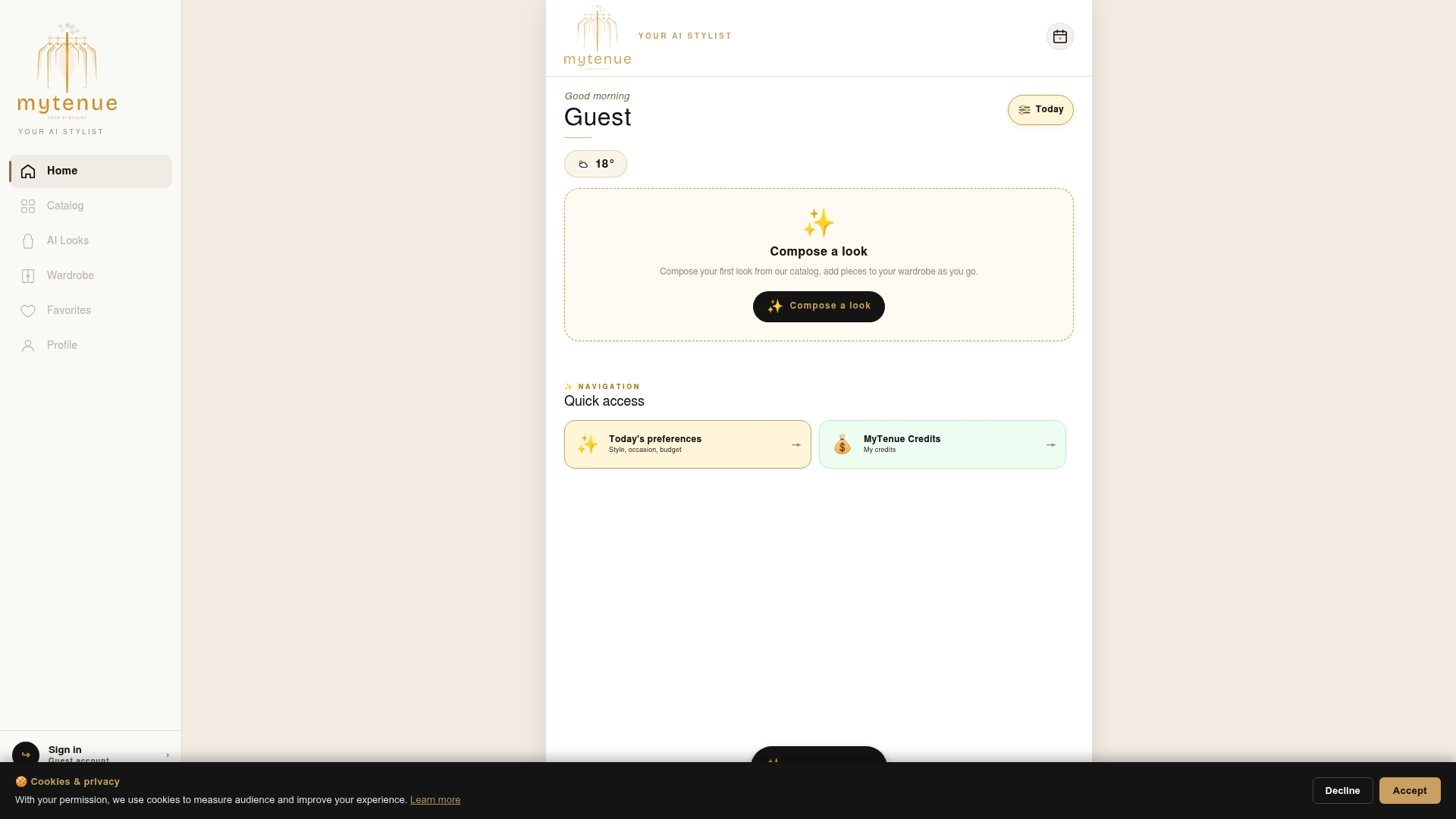
Here's what that looks like in practice:
- Daily weather-adapted outfit pulls, built from pieces you already own.
- A sensitivity slider so the suggestions match how warm or cold you actually run.
- An outfit calendar that lines up with your week, not just today.
- Virtual try-on features to preview outfits before committing.
The practical upside is less time spent deciding and fewer impulse purchases for weather you could have dressed for with what's already in your closet. If you want the alert-to-outfit step handled for you, the MyTenue app is available on Free, Basic, Premium, and Gold plans, with Basic starting at 5.99€ per month.
Sources
- Vigilance colors and purpose — service-public
- Guide vigilance météo — Météo‑France
- S'habiller juste: Tenue idéale selon température et ressenti — MeteoTop (2026)
FAQ
Who dresses weather presenters on TV?
This isn't something weather or clothing authorities publish data on, so there's no verified answer. What matters for viewers is the same principle this article covers: dress for vigilance level, felt temperature, and wind, not just the forecast number.
How should I dress today based on the weather?
Start with vigilance color and whether rain is expected in the next hour, then layer for the felt temperature rather than the thermometer reading. Add a windproof layer if it's breezy and cool, and sun protection if the UV index is high regardless of temperature.
What do weather alert colors mean?
Green means no particular watch needed, yellow signals an occasional or local risk typical for the season, and orange or red mark dangerous to exceptional phenomena that call for real vigilance and possible changes to your plans. The map updates at least twice a day.
How do I dress when it's 13 degrees Celsius?
That falls in the 5 to 15°C band, where a long-sleeve top, a sweater or fleece, and an openable jacket work best since temperatures often swing several degrees between morning and afternoon. Keep a foldable windbreaker nearby in case wind or a sudden shower changes the felt temperature.