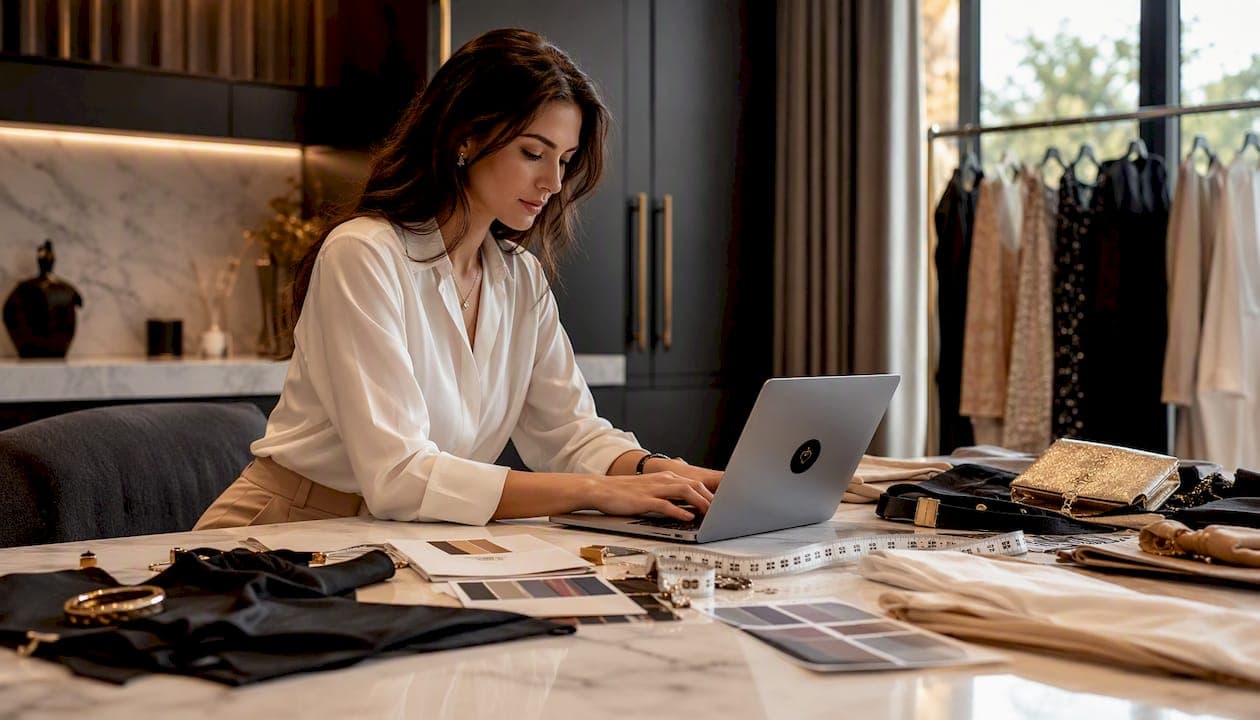
Three outfit formulas reliably keep you under $50: the single-item base (one dress or co-ord set finished with shoes you already own), the two-piece build (a top plus bottoms with one reused closet piece), and the monochrome elevated basics stack (two tonal pieces plus one structured finishing item). These aren't workarounds. They're the actual structure behind most great-looking budget-friendly clothing ideas you see online.
Here's what those formulas look like in practice:
- Single-item base: Ribbed midi dress ($22–$26, Amazon or Target) + white sneakers you own = polished casual look, all-in under $30.
- Two-piece build: Linen-blend wide-leg pants ($18, H&M) + fitted tank ($10, Uniqlo) + belt from your closet = office-casual or brunch-ready, $28 total.
- Monochrome elevated basics: Cream knit top ($14–$18, Walmart) + cream straight-leg trousers ($22–$28, Target) + gold hoops you own = looks like a set, costs like separates.
One pricing note: The budget figure does not include tax or shipping costs, which may add additional expenses when ordering online. Summer outfits are the easiest to keep under $50 because they need fewer pieces and lighter fabrics. Cold-weather full looks rarely fit a strict $50 cap unless you reuse your coat and boots.
Table of Contents
- What outfit ideas under $50 work for every occasion?
- How do you make pieces under $50 look more expensive?
- Where should you shop for reliable under-$50 pieces?
- How do you stretch $50 further with cost-per-wear math?
- How Mytenue helps you plan outfits and stay under $50
- Which fabrics work best for budget outfits by season?
- Key Takeaways
- Budget styling rewards discipline, not spending
- Mytenue makes your $50 budget work harder
- Useful sources and further reading
What outfit ideas under $50 work for every occasion?
Eight outfits. Eight occasions. Every one built around the anchor-support-finish framework: one anchor item (the outfit's core), one support item, and one finishing piece you already own.
| Occasion | Core item(s) | Est. price(s) | Reuse/finish | Quick tip |
|---|---|---|---|---|
| Casual weekend | Ribbed midi dress | $22–$26 | White sneakers | Tuck front hem slightly for shape |
| Date night | Satin slip dress | $28–$34 | Strappy heels + clutch | Keep accessories minimal; let the fabric do the work |
| Office-casual | Linen wide-leg pants + fitted tee | $18 + $10 | Loafers | Add a structured blazer from your closet as the third piece |
| Travel | Jogger set (co-ord) | $30–$34 | Crossbody bag | Monochrome set reads polished, not sloppy |
| Athleisure | Biker shorts + oversized tee | $12 + $10 | Chunky sneakers | Match the tee tone to the shorts for a pulled-together look |
| Summer | Linen midi dress + straw tote | $26 + $14 | Gold hoops | Linen reads expensive; look for a heavier-weight weave |
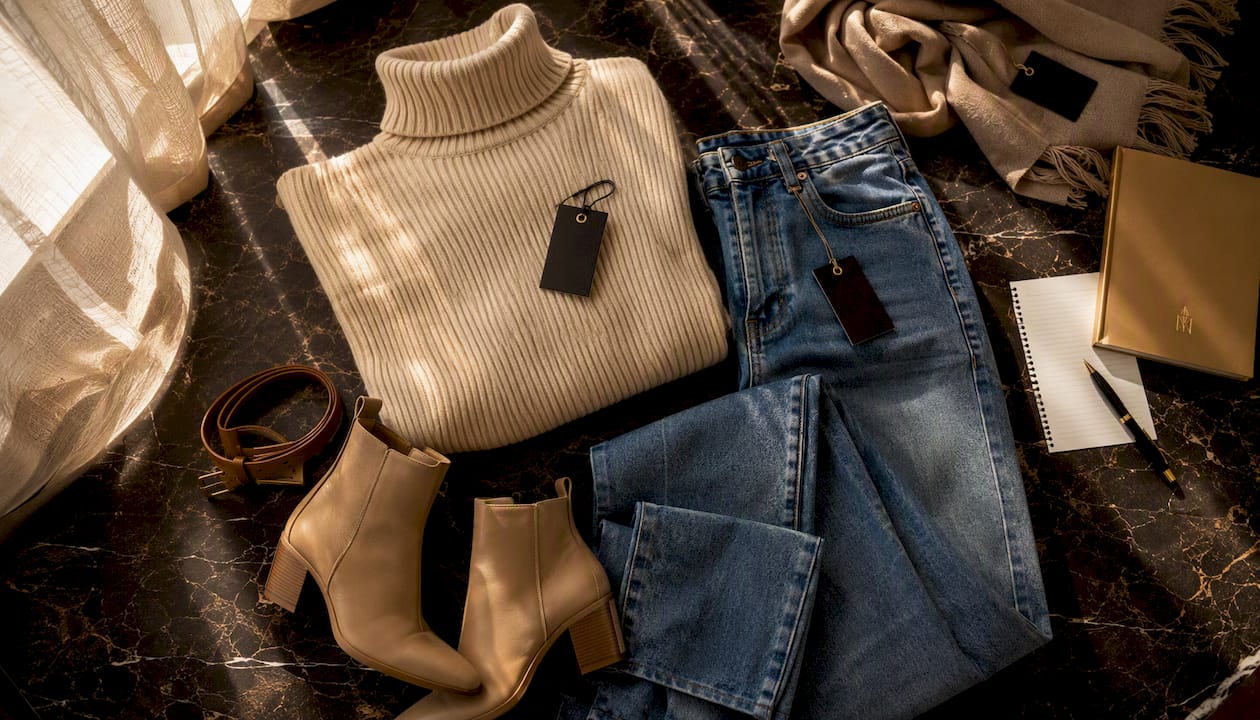
| Cold-weather indoor | Ribbed turtleneck + straight-leg jeans | $18 + $10 | Ankle boots | Tonal pairing (cream + camel) hides the price gap between pieces |
| Going-out | Sequin mini skirt | $24–$30 | Black bodysuit + heels you own | One statement piece is all you need; the rest stays neutral |
A few outfit-specific notes worth knowing:
- Date night: The single-item base strategy works best here. A $28–$34 satin slip from Amazon or H&M, finished with shoes and a bag you already own, lands well under $50 and looks intentional.
- Office-casual: Linen wide-leg pants from H&M ($18) paired with a Uniqlo fitted tee ($10) is a reliable combo. The blazer you reuse from your closet is what makes it work-appropriate.
- Summer: Zeagoo's itemized summer outfit builds show linen midi dress + straw tote + gold hoops coming in under $48. That's a full look for less than most single-item purchases at a mid-range retailer.
- Going-out: One sequin or statement piece does the heavy lifting. Everything else stays neutral and reused.
Pro Tip: For the cold-weather indoor outfit, the ribbed turtleneck + straight-leg jeans combo works best when both pieces are in the same color family (cream/ivory or all-black). Tonal dressing hides the fact that the pieces came from different stores.
How do you make pieces under $50 look more expensive?
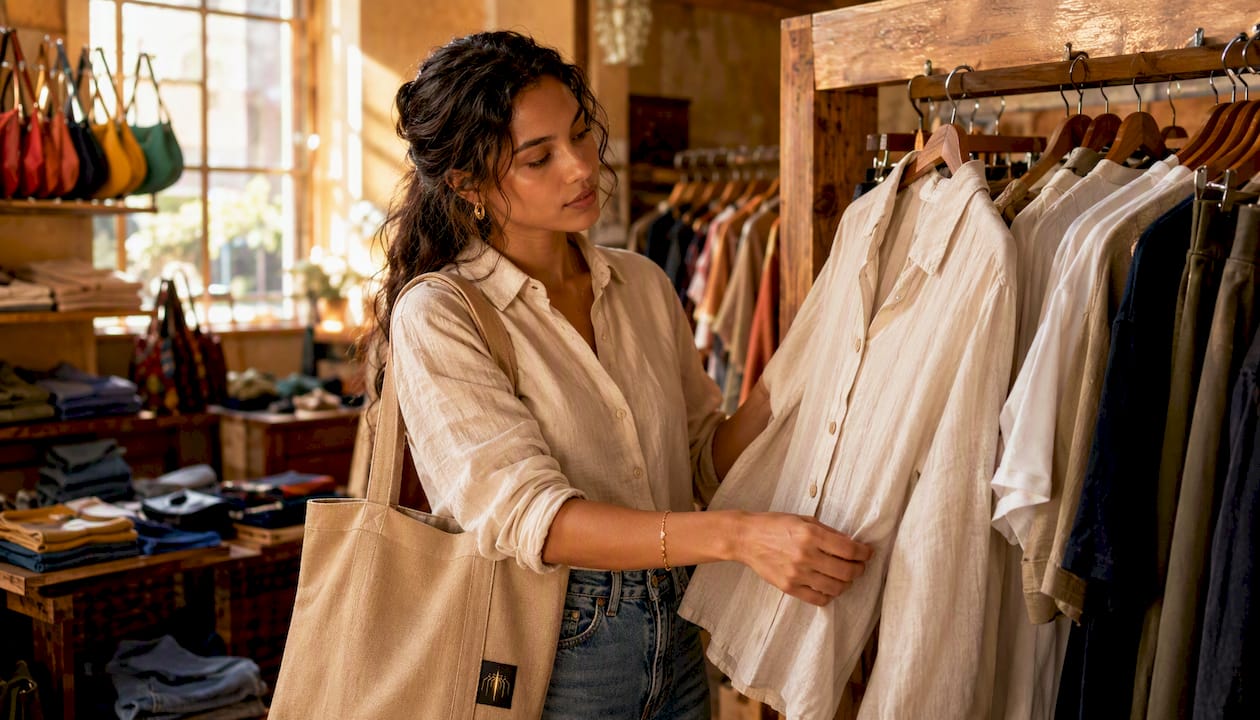
Fit, a deliberate third piece, and clean finishing details create an expensive-looking outfit faster than any price point. That's the whole rule. Everything else is execution.
Here's what that looks like in practice:
- Apply the third-piece rule — A blazer, duster coat, or structured cardigan over a basic two-piece outfit raises perceived quality immediately. Style experts consistently point to this as the fastest visual upgrade for budget outfits.
Pro Tip: Before buying a basic tee, check the product listing for "Pima cotton" or "heavyweight jersey." If the listing doesn't mention fabric weight, scan customer reviews for words like "opacity," "see-through," or "hand feel." A thin, transparent tee undermines every other styling effort.
"Low-cost tailoring and small hardware swaps produce outsized visual returns: a $10 hem or a set of $4 metal-look buttons can change perceived quality more than spending that same amount on another item." — budget.clothing
For a quick before/after: a $22 ribbed dress worn straight out of the bag looks fine. That same dress, steamed, with a $14 structured blazer layered over it and a thin belt at the waist, looks like a $90 outfit. The dress didn't change. The low-effort finishing moves did.
Where should you shop for reliable under-$50 pieces?
Each retailer has a role. Knowing which one to use for which item category saves time and prevents bad purchases.
Retailer roles mapped:
- Amazon: Basics and casual dresses. Strong for ribbed knits, jersey dresses, and layering pieces. Filter by "4 stars and up" and read reviews for fit notes (runs small, true to size). Good for fast restock.
- Target: Reliable basics and trend-adjacent pieces. The A New Day and Universal Thread lines consistently deliver on fit for the price. Good for denim, casual tops, and everyday footwear.
- Walmart: Improving fast. The Time and Tru and No Boundaries lines offer solid casual basics at very low price points. Best for graphic tees, loungewear, and seasonal items where longevity isn't the priority.
- H&M: Trend items and seasonal pieces. Best for structured basics (linen trousers, blazers, co-ord sets) and going-out tops. Quality varies by category; check fabric composition before buying.
- Uniqlo: Structured basics. Pima cotton tees, ribbed knits, and slim-fit trousers consistently outperform their price point. Sizing runs slightly small; size up one if between sizes.
Where to spend more of your $50:
- Fit-sensitive bottoms (trousers, jeans, structured skirts). These are the anchor item in most outfits. A bad fit here undermines everything else.
- Structured layers (blazers, cardigans, dusters). The third piece that makes the whole look work.
Where to cut costs:
- Graphic tees, seasonal tops, novelty jewelry. These are support and finishing items. Low cost-per-wear expectations are fine here.
- Trend-driven pieces you'll wear for one season.
Pro Tip: When shopping online for basics, search with fabric keywords: "Pima cotton tee," "linen blend trousers," or "heavyweight jersey." These terms filter out the thin, fast-fashion pieces that photograph well but feel cheap in person. Also check whether the product listing includes a grams-per-square-meter (GSM) figure. Anything above 180 GSM for a tee is a good sign.
For a deeper breakdown of smart shopping by item category, the Mytenue blog covers store-role strategy in detail.
How do you stretch $50 further with cost-per-wear math?
Cost-per-wear is simple: divide what you paid by how many times you wear it. A $30 dress worn 10 times costs $3 per wear. A $12 trendy top worn twice costs $6 per wear. The $30 dress was the better purchase, even though it cost more upfront.
Here's a worked example table:
| Item | Purchase price | Estimated wears | Cost per wear |
|---|---|---|---|
| Ribbed midi dress | Affordable price | Multiple wears | Low cost per wear |
| Linen wide-leg pants | Affordable price | Multiple wears | Low cost per wear |
| Sequin mini skirt | Affordable price | Fewer wears | Higher cost per wear |
The sequin skirt isn't a bad purchase. It's just a different kind of purchase. Know which category you're buying in before you add it to your cart.
Outfit-stretch checklist (use this before checkout):
- Can I wear this with at least three things I already own?
- Am I reusing at least one closet piece to finish this outfit?
- Is this the only new statement piece in the look?
- Have I set category caps? (Top: 20–30% of budget; bottom/dress: 30–40%; shoes/accessory: 20–30%; shipping buffer: 10–15%.)
- Does the all-in price, including shipping and tax, stay under $50?
The outfit-stretching checklist on the Mytenue blog expands on each of these steps with specific examples. Run through it before every online purchase and you'll stop buying pieces that have nowhere to go in your wardrobe.
One more move worth knowing: a $8–$12 tailor hem or a $3–$6 button swap on a structured piece raises its perceived quality and extends how long you'll wear it. That's a better use of $10 than buying another low-impact item.
How Mytenue helps you plan outfits and stay under $50
Mytenue's AI builds outfit combinations directly from your existing wardrobe, then flags the one or two low-cost item gaps that would complete a look. You set a budget cap, and the app works within it.
Here's how that maps to the problems this article covers:
- Budget filter: — Set a $50 cap. Mytenue's curated catalog and affiliate-linked suggestions stay within it.
A practical scenario: you have a ribbed turtleneck, straight-leg jeans, and ankle boots already in your wardrobe. Mytenue identifies that a $32 camel-toned structured blazer would complete three separate looks from those pieces. You buy one item. You get three outfits. That's the cost-per-wear math working in your favor.
Pro Tip: Use Mytenue's wardrobe digitization feature before your next shopping trip. Seeing your existing pieces laid out as flat-lay images makes it obvious which item category you're actually missing, versus which one you just feel like buying.
Which fabrics work best for budget outfits by season?
Fabric choice is where budget outfits either hold up or fall apart. The right material keeps you comfortable, looks polished longer, and survives more washes. The wrong one pills, fades, or loses its shape after three wears.
Spring and summer
Linen and linen blends are the strongest value pick for warm weather. They breathe well, look intentional even when slightly wrinkled, and hold their structure better than cotton voile or polyester at the same price. Look for linen-cotton blends (55% linen / 45% cotton is a common and durable ratio) at H&M and Target.
Heavyweight cotton jersey (look for 180 GSM or above) works for casual tees and dresses. It resists transparency, holds its shape through washing, and doesn't cling. Pima cotton is the premium version of this; Uniqlo's Supima cotton line is a reliable under-$30 source.
Avoid thin polyester chiffon for summer tops. It photographs beautifully but feels uncomfortable in heat and shows sweat. At the same price point, a cotton-linen blend is a better call.
Fall and cold-weather indoor
Ribbed knit (acrylic-cotton blends or merino wool blends) is the best budget option for turtlenecks and layering pieces. Pure acrylic pills faster; look for at least 20% cotton or wool in the blend for longevity. Uniqlo's ribbed knit line and Target's A New Day knitwear are both reliable here.
Ponte fabric for trousers and skirts. It holds its shape, doesn't wrinkle, and looks structured without requiring dry cleaning. It's one of the best fabrics for office-casual bottoms under $30.
For outerwear, a strict $50 cap rarely covers a full coat. The practical move is to reuse last season's coat and put the $50 toward the pieces underneath it. A seasonal wardrobe refresh doesn't require buying everything new at once.
What to avoid regardless of season
Thin polyester blends under 150 GSM, fabrics listed only as "woven" with no fiber content, and anything described as "silky" without specifying the fiber. These tend to look cheap quickly and don't justify even a low price.
Key Takeaways
Building stylish outfits under $50 comes down to three things: a clear outfit structure, smart retailer choices, and the discipline to reuse at least one closet piece per look.
| Point | Details |
|---|---|
| Use the anchor-support-finish structure | Every outfit needs a core item, a support piece, and one finishing item — reuse the finish from your closet. |
| Set category caps before you shop | Allocate 30–40% of your budget to the anchor item, 20–30% to the top, and keep a 10–15% buffer for shipping. |
| One statement piece per outfit | Limit new purchases to one standout item; the rest stays neutral and reused to stay under $50. |
| Summer is easiest; winter needs a reuse strategy | Summer outfits need fewer pieces; cold-weather looks require reusing your coat and boots to hit the $50 cap. |
| Mytenue builds outfits from what you already own | The app's AI identifies your wardrobe gaps and suggests one low-cost item to complete multiple looks. |
Budget styling rewards discipline, not spending
The most common mistake in budget styling isn't buying cheap things. It's buying cheap things without a plan, then wondering why nothing works together. Every outfit formula in this article works because it starts with structure: pick the anchor, add the support, finish with something you already own. That sequence keeps costs low and results high.
What surprises most people is how little the price of individual pieces matters once fit and fabric are right. A $22 ribbed dress in the correct size, steamed and layered with a blazer, reads completely differently than the same dress worn straight off the hanger. The price didn't change. The approach did.
The cost-per-wear math is the part worth sitting with. A $28 sequin skirt worn four times costs $7 per wear. A $26 midi dress worn fifteen times costs under $2. Both are "cheap" purchases. Only one is a good investment. That distinction shapes every buying decision worth making on a tight budget.
Mytenue makes your $50 budget work harder
Your closet already has more outfit potential than you think. Mytenue's AI stylist scans what you own, builds complete looks from your existing pieces, and pinpoints the one item worth buying to unlock three new outfits. Set your $50 budget cap in the app, and every suggestion stays within it.
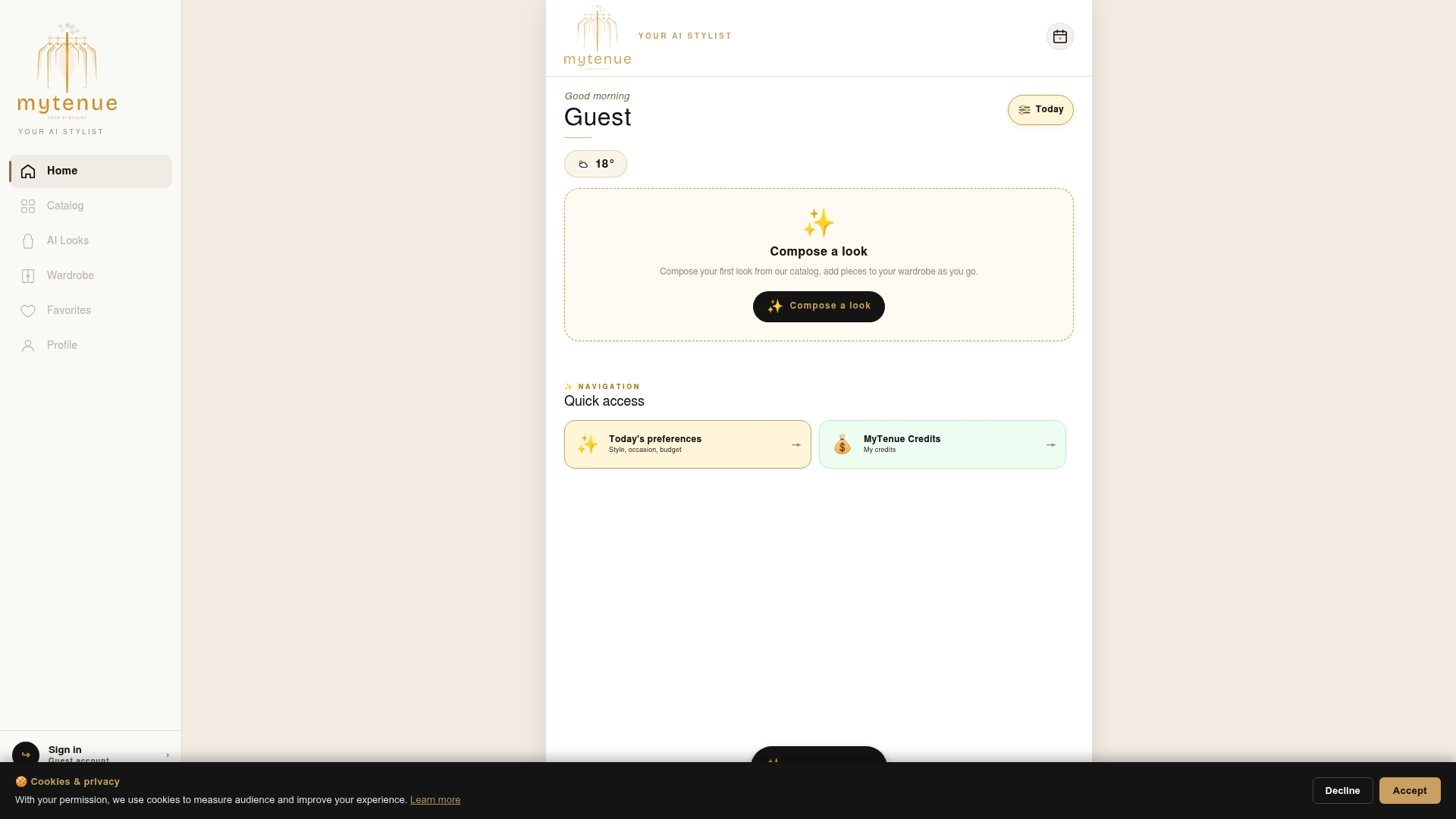
Two things happen when you use Mytenue before you shop:
- You stop buying pieces that have nowhere to go in your wardrobe.
- Your cost-per-wear drops because every new purchase is chosen to work with what you already own.
No more guessing at the store. No more outfits that almost work. Start building smarter looks today at mytenue.com.
Useful sources and further reading
These are the primary sources behind this article, organized by what they're most useful for:
Shopping lists and outfit feasibility:
Outfit-building strategy and cost-per-wear methodology:
- Clothes Under $50: Build a Budget Outfit — The anchor-support-finish framework, category caps, and checklist methodology used throughout this article.
- Outfit stretching checklist for a tight budget — Mytenue's expanded checklist for pre-purchase decisions.
Styling technique (fit, fabric, third-piece rule):