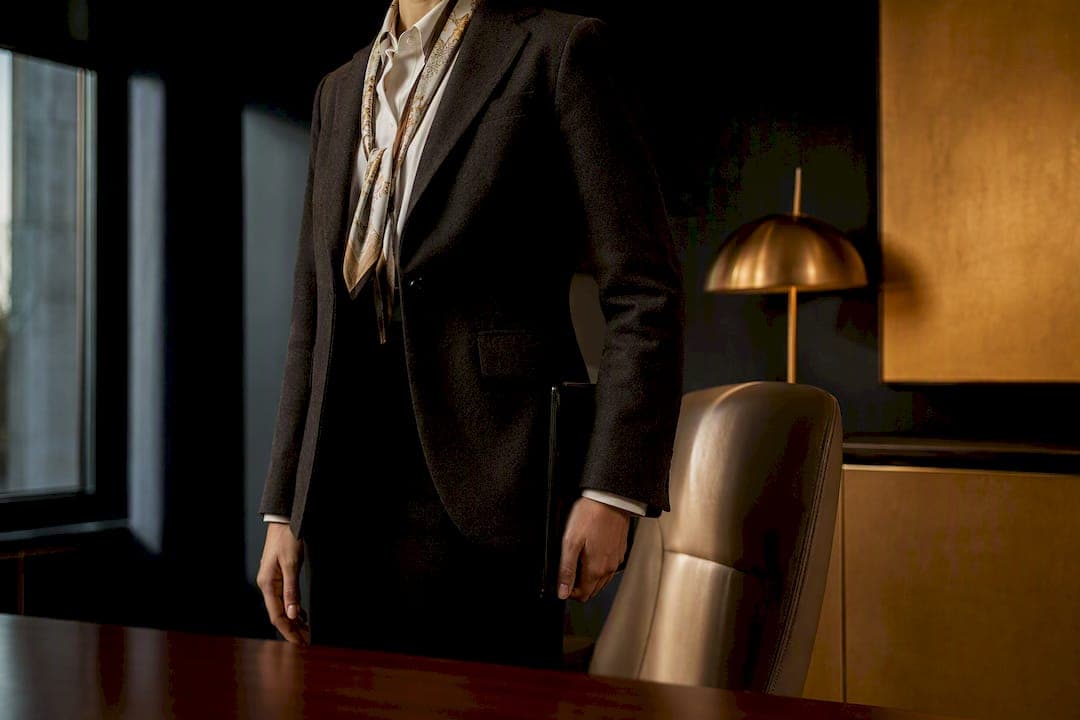
The safest baseline for any job interview is simple: dress one notch above what employees at that company actually wear, choose neutral and well-fitting pieces over anything trendy, and prioritize comfort so nothing distracts you mid-conversation. A navy blazer with a crisp white shirt, or a tailored blouse with dark trousers, covers most sectors. For borrowed pieces or a quick refresh, La Cravate Solidaire provides free professional outfits, and an app like Mytenue can help you plan the look from what's already in your closet.
TL;DR:
- Dressing one notch above company norms and sticking to neutral, well-fitting clothing ensures a professional appearance without overdoing it.
- Sector-specific dress codes require different staples, with finance favoring suits and formal colors, and creative roles allowing more personal expression.
- Choosing navy, gray, black, or beige in fabric types like wool blends and cotton twill prevents distraction and ensures comfort during the interview.
- Preparing and fitting your outfit through a sit, stand, and walk test helps avoid fit issues that could impact confidence and comfort.
- Grooming, hair, and accessories should be understated and neat to reinforce reliability, with extra caution for video interviews to avoid visual distractions.
Table of Contents
- How Do You Match Your Tenue Entretien d'Embauche to Company Culture?
- Which Colors and Fabrics Work Best for an Interview Look?
- Does Your Outfit Actually Fit? The Comfort Test That Matters
- How Should You Dress Differently for a Video Interview?
- What Should You Pack the Night Before Your Interview?
- How Do You Adjust Your Interview Outfit for Summer or Outdoor Roles?
- Why Personal Grooming Carries as Much Weight as the Outfit Itself
- How Do You Choose a Hairstyle and Makeup That Won't Distract?
- How Do You Read and Match a Company's Actual Dress Code?
- What Cultural Differences Matter for International Company Interviews?
- What Are the Interview Outfit Mistakes That Cost You the Most?
- What I've Learned Watching Candidates Get Interview Outfits Wrong
- Build Your Interview Outfit in Minutes, Not the Night Before
- Sources
How Do You Match Your Tenue Entretien d'Embauche to Company Culture?
Every company telegraphs its dress expectations before you ever walk in. Check the "team" or "about us" page for staff photos, scroll a few employee LinkedIn profiles, and if you know someone inside, ask directly what people wear on a normal Tuesday. That research tells you the baseline. From there, the rule recruiters at Hays recommend is "dress code +1": go one level more formal than what you observed, never less.
Sector norms vary more than most candidates expect, and getting them wrong in either direction reads as a lack of preparation:
- Finance and law: Full suit, tie or silk scarf, polished leather shoes. Muted colors only, no exceptions.
- Hospitality and luxury retail: Sharp, tailored separates rather than a full suit. A blazer over a fitted shirt signals attention to presentation without overdressing.
- Retail and customer-facing roles: Clean, coordinated smart casual. Think structured trousers and a collared shirt rather than jeans and sneakers.
- Tech and startups: Smart casual leans relaxed, but "relaxed" means a quality knit or chinos, not gym wear. A blazer over a simple tee still works for a first interview.
- Creative industries: More room to express personal style through one standout piece (a bold shoe, a patterned scarf) while keeping the overall silhouette clean.
- Manual trades and technical roles: Practical, spotless workwear beats a suit that signals you've never set foot on a job site.
Role type inside the sector matters too. A back-office analyst at a bank can lean slightly more relaxed than the client-facing advisor sitting two desks over, because the second person is dressing for the client as much as the interviewer. If your role involves any public-facing contact, treat that as the deciding factor and dress accordingly. For sector-specific outfit ideas you can adapt, smart casual combinations offer a useful starting point.
Which Colors and Fabrics Work Best for an Interview Look?
Neutral colors remain the safest choice for a reason: France Travail points to navy, gray, black, and beige as the tones least likely to distract or clash, while flashy colors and loud patterns pull attention away from what you're actually saying. Save the neon and the busy florals for the weekend.
A practical guideline circulating among French recruiters caps your outfit at three colors total, according to TF1info. Limit your outfit to a small number of colors to keep the look cohesive and avoid appearing busy. Add a fourth and the outfit starts to look busy rather than styled.
Fabric choice matters almost as much as color:
- Prefer: wool blends, cotton twill, and ponte knits that resist wrinkling after a commute or a car ride.
- Avoid: shiny synthetics, which read as cheap under office lighting, and tight geometric prints, which can strobe on video calls.
- Layer smart: a structured blazer holds its shape through a full day of interviews better than a soft cardigan.
Pro Tip: Iron your outfit the night before, not the morning of. A rushed five-minute pass with a hot iron almost always leaves a crease you'll notice sitting across from the hiring manager.
Small personal touches still have a place. A discreet patterned scarf, a subtle sock color, or a slim tie in a muted print shows personality without derailing the "sober" signal you're aiming for. Pressed clothes and clean shoes communicate reliability more effectively than an expensive logo ever will, based on France Travail's guidance above.
Does Your Outfit Actually Fit? The Comfort Test That Matters
Fit problems surface the moment you stop standing still, so test your outfit the way the interview will actually use it.
- Sit down in the outfit for several minutes. Trousers that gap at the waist or a blazer that pulls across the shoulders will bother you the entire meeting.
- Stand and walk across the room. Check that hems don't drag and that shoes don't pinch after ten minutes of movement.
- Raise your arms as if reaching for a folder or shaking hands. A jacket that rides up dramatically needs tailoring or a different size.
- Check sleeve length: shirt cuffs should show slightly past the jacket sleeve; trousers should break cleanly at the shoe.
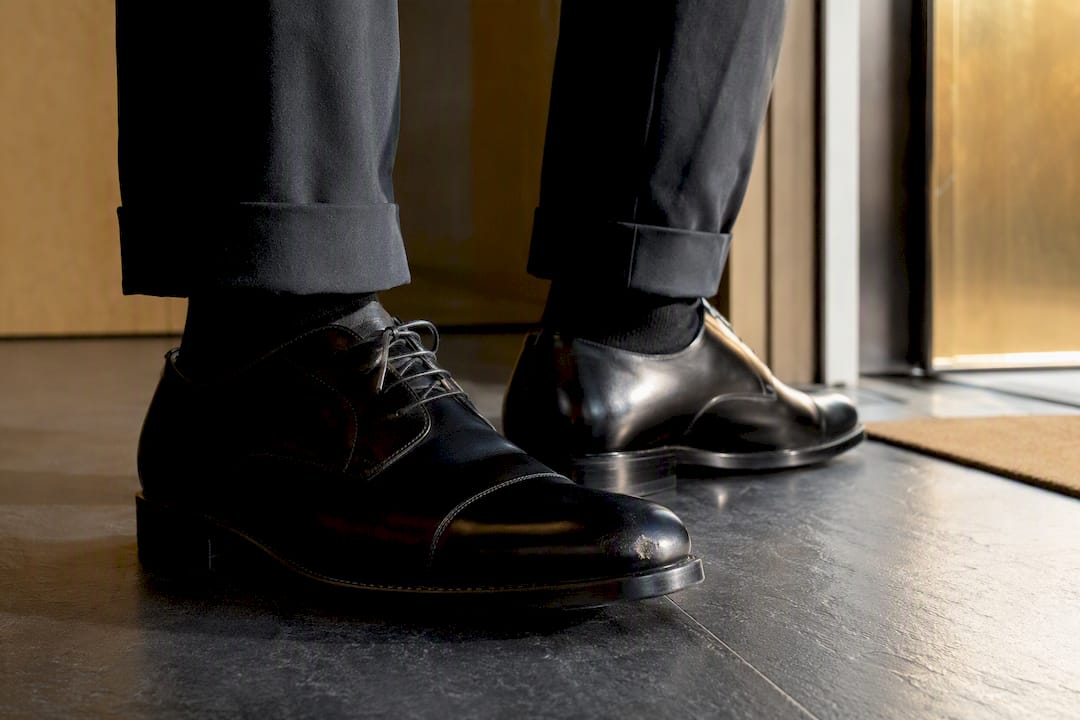
- Inspect your shoes. Hays notes that shoes are often the first thing noticed, so closed, polished footwear beats scuffed loafers or sneakers in most sectors. Sneakers only pass in genuinely casual tech or creative environments, and even then, choose a clean, minimal pair.
Grooming rounds out the picture: trimmed nails, fresh breath, and hair pulled back from your face if it tends to fall forward when you look down at notes. Keep perfume or cologne light enough that it's undetectable from arm's length. Visible tattoos and piercings are increasingly accepted, but when you're unsure of a company's culture, covering up or removing extras for the first meeting is the lower-risk move. You can always relax the look once you understand how the team actually dresses day to day.
How Should You Dress Differently for a Video Interview?
Cameras are unforgiving in ways an in-person meeting isn't. Fine stripes and pure white can cause glare or a strobing moiré effect on screen, according to Le Parisien Etudiant, so mid-tone solid colors and a structured top layer, like a blazer or structured knit, read far better than a soft t-shirt.
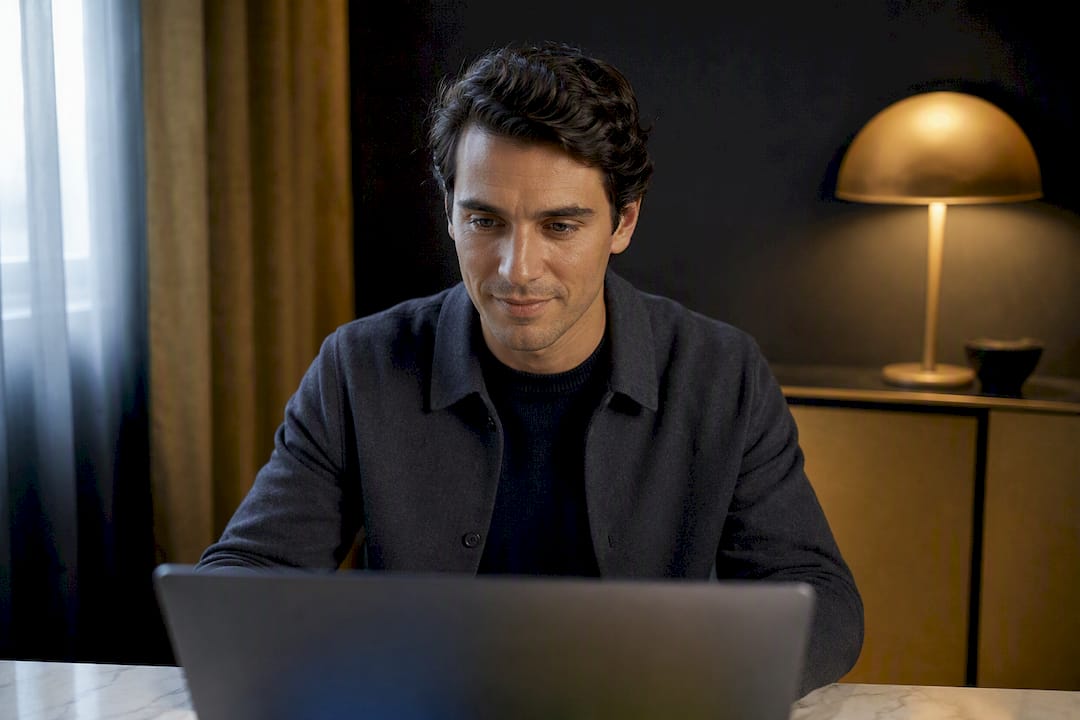
Dress fully, head to toe, even though only your top half will show. Standing up unexpectedly in pajama pants undercuts the professional image you just spent ten minutes building on camera.
Before the call:
- Run a five-minute test call to check lighting, framing, and background.
- Position a light source in front of you, not behind, to avoid a silhouette effect.
- Scan your background for distracting objects, mirrors, or reflective surfaces behind your screen.
- Confirm your outfit doesn't blend into the wall color behind you.
What Should You Pack the Night Before Your Interview?
A rushed morning is where good outfit planning falls apart, so build your kit the evening before.
- Hang the fully ironed outfit where you'll see it first thing, not buried in the closet.
- Pack a spare shirt or blouse in case of a coffee spill on the commute.
- Keep a stain pen, a small sewing kit, and a spare button in your bag.
- Polish shoes and check laces or straps for wear.
- Set out breath mints and a travel-size deodorant for a last check before you walk in.
- Check the weather forecast and prepare a backup layer (umbrella, light coat) so rain doesn't wreck your look.
Pro Tip: Do a 10 to 15 minute wear-test at home the night before, sitting, walking, and reaching. It's the single easiest way to catch a fit problem before it becomes a distraction during the real conversation, a habit backed by Indeed's interview prep guidance.
Having a plan B outfit ready, even a simpler backup combination, means a stain or a broken zipper doesn't turn into a full-blown crisis an hour before you're due to arrive.
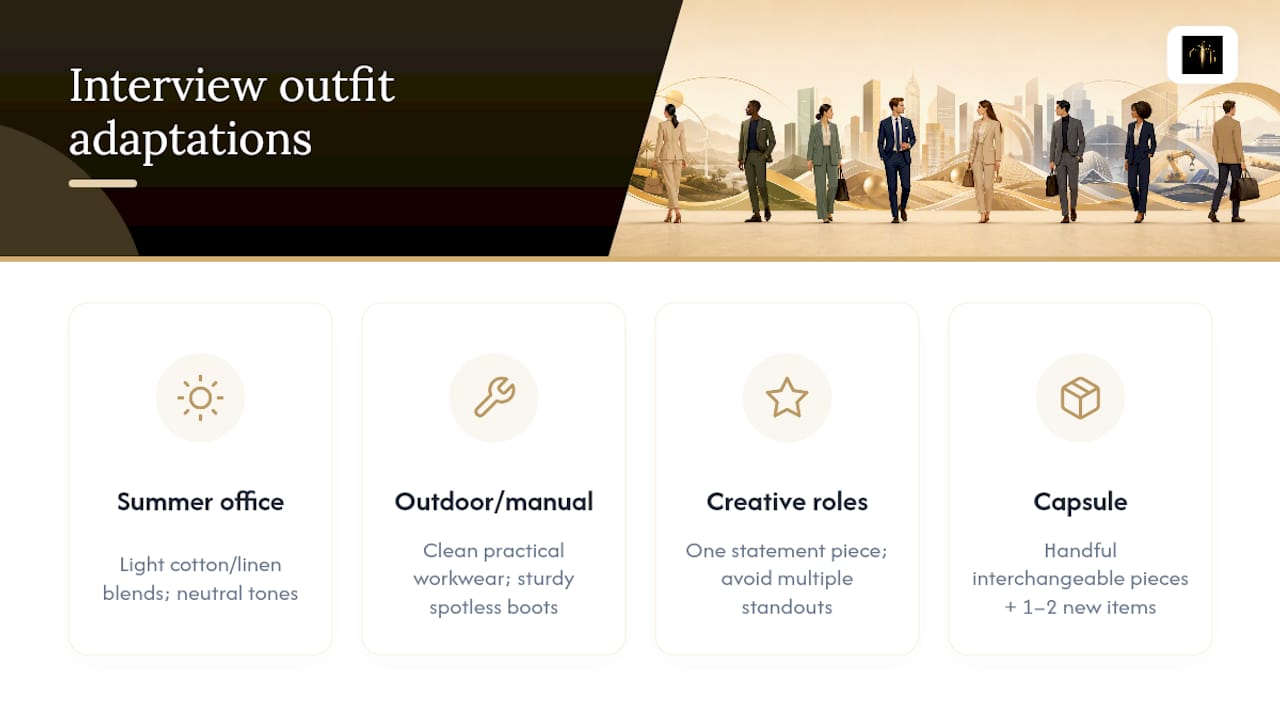
How Do You Adjust Your Interview Outfit for Summer or Outdoor Roles?
Heat changes the math without changing the goal: still professional, just breathable. Lightweight cotton or linen blends in the same neutral palette (light gray, tan, soft blue) keep you cool without looking underdressed. Skip the tie in extreme heat if the sector allows it, but keep a structured collar or blazer nearby in case the office runs the air conditioning cold.
Outdoor or manual roles call for a different read entirely. A candidate interviewing for a construction supervisor or field technician position looks more credible in clean, practical workwear than in a suit that signals unfamiliarity with the job site. Sturdy, spotless boots and a well-fitted jacket communicate competence better than dress shoes that clearly aren't built for the environment.
Creative roles offer the most room to breathe. One deliberate statement piece, such as a bold color blazer, an interesting print scarf, or a distinctive pair of glasses, shows personality without undercutting the professional signal. The rule holds: one standout element, not three competing for attention. Building a small seasonal capsule from pieces you already own, mixed with one or two new items, covers most of these scenarios without a full wardrobe overhaul. A business casual capsule built around a handful of interchangeable pieces handles both the office and the occasional outdoor meeting.
Why Personal Grooming Carries as Much Weight as the Outfit Itself
An interviewer registers grooming within the first few seconds, often before they've processed a single word of your introduction. Clean, trimmed nails, tidy hair, and fresh breath matter as much as the blazer you chose, because sloppy grooming undercuts an otherwise sharp outfit instantly.
The details that get overlooked most often: unkempt facial hair, wrinkled or stained clothing you didn't notice under home lighting, and strong fragrance that lingers in a small meeting room. None of these require expensive fixes. A trim, a fresh shave or defined beard line, and a light layer of deodorant instead of heavy cologne solve most of the problem.
Hygiene signals extend beyond the visible. Fresh breath before you walk in, clean and moisturized hands for a handshake, and a quick check that your collar or cuffs haven't picked up marks from the commute all add up. None of it needs to be dramatic. Consistency and attention to small details do more work than any single grand gesture, and they're the kind of thing a hiring manager notices only when it's missing.
How Do You Choose a Hairstyle and Makeup That Won't Distract?
Hair should stay out of your face. If it tends to fall forward when you look down at notes or a laptop, pull it back or use a light product to keep it in place for the full interview. A style you have to keep fixing becomes a visible distraction, and the interviewer will remember the fidgeting more than the answer you gave.
For makeup, the same "one notch more polished than daily" principle from the outfit rule applies here too. Light, natural coverage, groomed brows, and a neutral lip work across nearly every sector. Save bold eyeliner or a statement lip color for creative industries where the culture already rewards visible personal style, and even then, keep it as the one standout element rather than layering multiple bold choices at once.
Facial hair follows the same logic as hairstyle. A trimmed, defined shape reads as intentional; an untrimmed growth reads as an afterthought, regardless of how sharp the rest of the outfit is. None of this demands a salon visit the day before. A trim, a wash, and five extra minutes in front of the mirror cover most of what actually gets noticed.
How Do You Read and Match a Company's Actual Dress Code?
Company dress code policies rarely appear as a single clear document candidates can check in advance, so you're often reading between the lines. Employee photos on the company website, LinkedIn posts from current staff, and even Glassdoor reviews mentioning "casual office" or "business formal" all give usable signals, a research step recommended by Cadremploi.
If the research turns up genuinely mixed signals, the "dress code +1" rule resolves the ambiguity: choose the more formal interpretation. Overdressing by one notch reads as respect for the process; underdressing reads as a missed cue about the company's culture, and that's a harder impression to walk back once you're in the room.
Match your outfit to the interview stage too. A first-round interview with HR often calls for more traditional polish than a final interview with a future teammate who's already told you the team wears jeans on Fridays. Watch for that kind of direct signal from a recruiter and adjust; ignoring it in favor of your own assumption is its own kind of miscalibration.
What Cultural Differences Matter for International Company Interviews?
Multinational and international companies bring their own regional dress expectations into the French interview room, and assuming your usual "dress code +1" instinct translates perfectly can lead you slightly astray. American corporate culture, for instance, often runs more conservative in finance and law than French equivalents, while Northern European tech companies (Scandinavian firms particularly) tend to favor understated, almost minimalist smart casual even at senior levels.
Middle Eastern and Asian corporate contexts frequently expect more formal, covered attire regardless of sector, with modesty norms shaping sleeve length and neckline more strictly than in most French offices. If you're interviewing with a company headquartered outside France, a quick look at how the local office presents itself, through photos, videos, or a contact who's interviewed there before, is worth the extra ten minutes.
When genuinely uncertain, the safer move is still the more formal one. A slightly overdressed candidate reads as respectful of an unfamiliar culture; a candidate who guessed wrong toward too casual reads as having skipped basic preparation. Video interviews with international offices raise the stakes further, since a panel spanning multiple countries and generational expectations often defaults to whichever standard is most conservative among them.
What Are the Interview Outfit Mistakes That Cost You the Most?
Certain faux pas surface again and again in recruiter feedback, and most are avoidable with a few minutes of forethought.
Footwear tops the list of overlooked details. Scuffed shoes, visible wear on heels, or sneakers in a sector that expects formal footwear undercut an otherwise sharp outfit the moment you stand up to shake hands. Flip-flops or sandals, even in summer heat, read as a serious miscalibration outside the most casual creative environments.
Accessories cause similar problems when overdone. Multiple loud pieces of jewelry, an oversized statement bag, or a visibly branded logo item can shift the conversation toward your outfit instead of your qualifications. Strong cologne or perfume in a small interview room is a frequent complaint from recruiters who never mention it directly but remember it anyway.
Other recurring mistakes worth flagging:
- Wrinkled clothing pulled straight from a bag or suitcase with no time to press it.
- Visible stains or pet hair that weren't checked under proper lighting before leaving home.
- Ill-fitting clothes borrowed or bought without trying the sit-stand-walk test first.
- Overly casual denim or graphic tees in sectors where that reads as a lack of preparation, not confidence.
- Ignoring the weather and arriving overheated or soaked, with no backup layer packed.
Every one of these is fixable with the checklist steps covered earlier. The pattern behind all of them is the same: small oversights compound faster than most candidates expect, and they're almost always caught in the first thirty seconds.
What I've Learned Watching Candidates Get Interview Outfits Wrong
The mistake I see most often isn't the outfit itself. It's candidates treating their interview clothes as an afterthought the night before, then wondering why they feel fidgety and self-conscious the next morning instead of focused on their answers.
The fix is almost always logistical, not stylistic. Knowing what's actually clean, ironed, and ready to go the night before removes far more anxiety than agonizing over which blazer looks sharper. That's the gap Mytenue closes: digitize your wardrobe once, and the app surfaces combinations you already own that follow the "dress code +1" principle without you rebuilding the outfit logic from scratch every time. For anyone without the right pieces on hand, La Cravate Solidaire remains a genuinely useful free resource, not just a backup option.
— Ahmed
Build Your Interview Outfit in Minutes, Not the Night Before
Mytenue turns the "dress code +1" decision into something you can settle days ahead of time, not at midnight before the interview. Tell the app the sector, upload what's already hanging in your closet, and it suggests combinations pulled from pieces you own, styled around the neutral, well-fitting look that reads as prepared rather than thrown together.
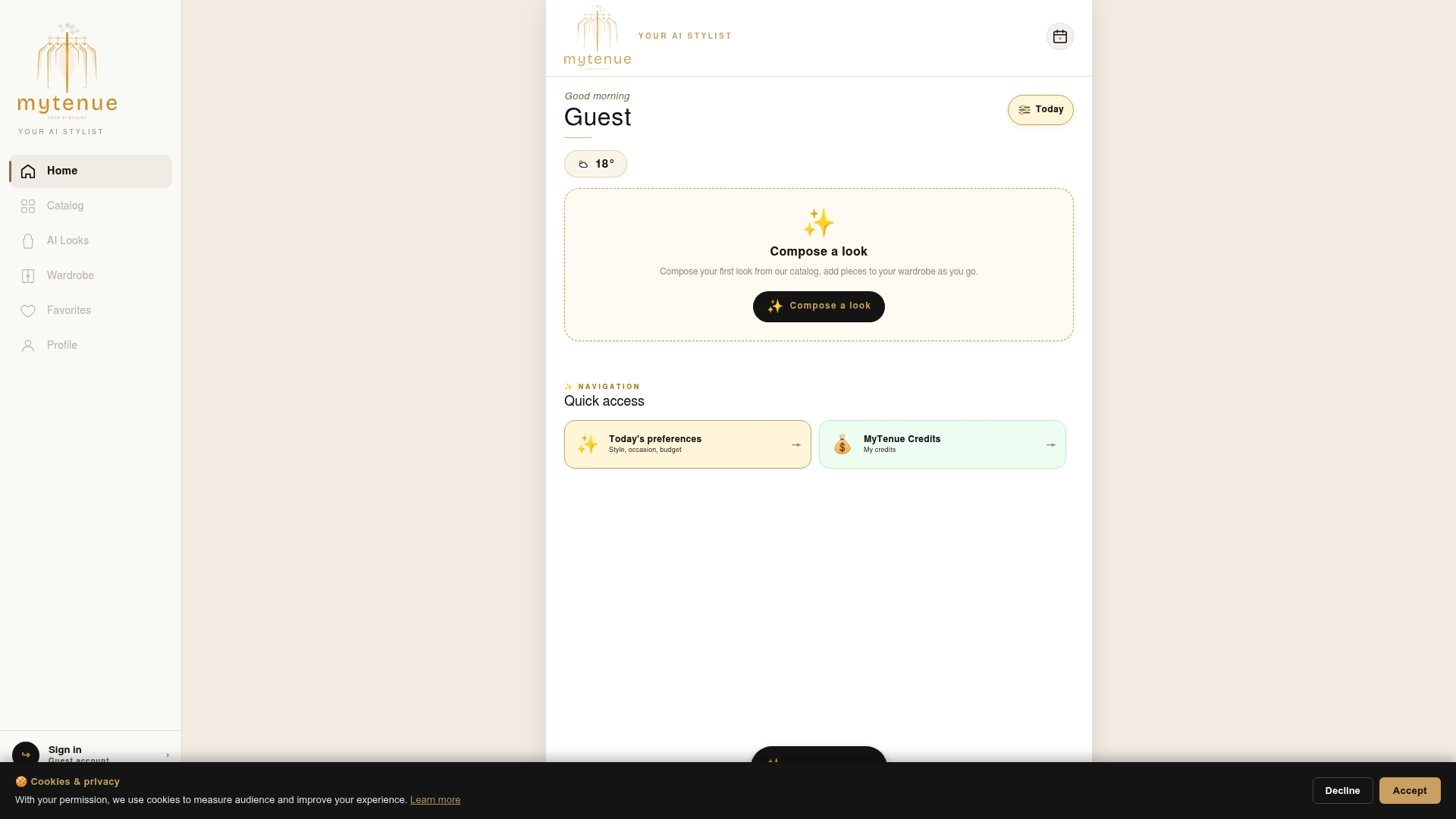
The virtual try-on feature lets you preview a look on your own avatar before committing to it, which matters when you're deciding between a blazer that's been sitting unworn for a year and one that actually still fits. Weather-adapted suggestions mean you're not guessing whether that wool blazer works for a July interview or whether your go-to shirt reads as too casual for a finance panel. If your existing wardrobe is thin on interview-ready pieces, browsing thrift store outfit ideas is a budget-friendly way to fill the gaps before you build your look in the app.
Open the Mytenue app, add a few wardrobe photos, and generate your first interview-ready outfit tonight, well before the morning you actually need it.
Sources
- S'habiller pour un entretien : 5 conseils pour éviter les faux pas | France Travail
- Hays
- La Cravate Solidaire
- Quelle tenue choisir pour un entretien d'embauche ? - Le Parisien Etudiant