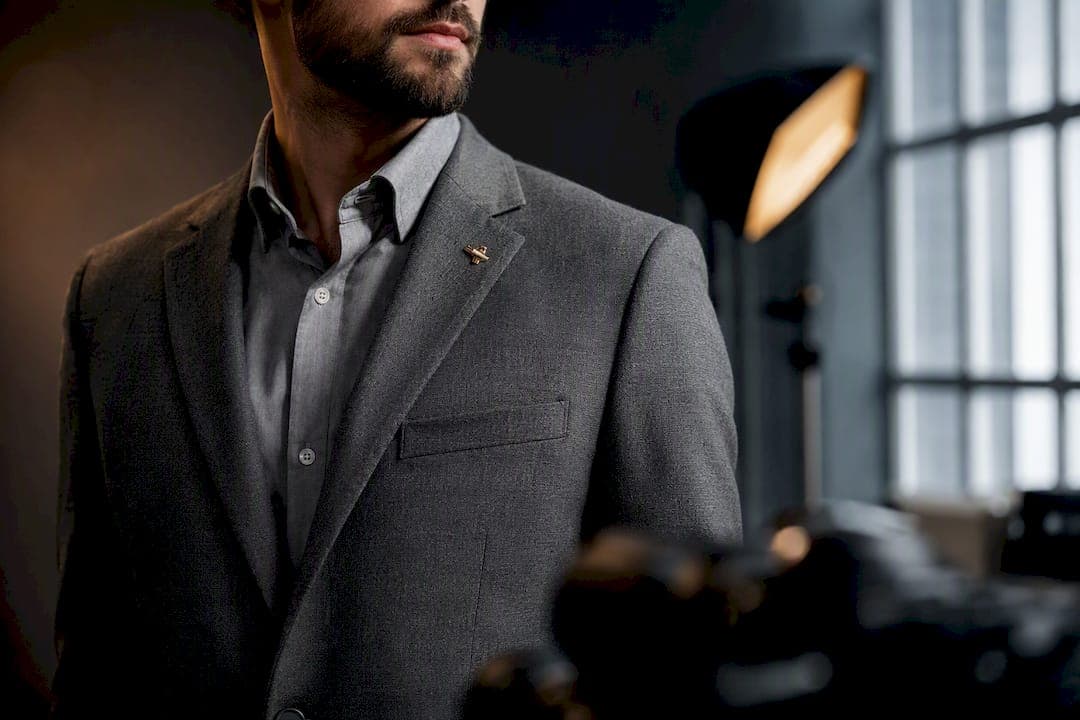
For most professional portraits, a well-fitted navy or charcoal blazer over an off-white or mid-tone shirt is your safest bet. Add a structured layer, keep accessories minimal, and you're set. The exceptions: formal law and finance roles often call for a full suit, while creative fields can lean into richer color and personality within a clean silhouette.
TL;DR:
- Wearing a well-fitted navy or charcoal blazer over a neutral shirt is ideal for most professionals, with darker suits reserved for legal and financial roles.
- Mid-tone solids like navy, charcoal, or burgundy photograph reliably, avoiding shiny fabrics and tiny patterns that can cause glare or moiré effects.
- Prioritizing fit in the shoulders and collar, along with simple grooming and minimal accessories, is crucial for projecting professionalism in headshots.
- For full-body shots, ensure outfit elements, including shoes and layers, coordinate in formality and style to avoid visual dissonance.
- Using an AI stylist app can streamline outfit planning by checking fit, color palette, and layering compatibility before the shoot.
Table of Contents
- What Rules Do Photographers Use for a Professional Photo Outfit?
- How Should You Match Your Outfit to Your Role and Industry?
- Which Colors and Patterns Actually Photograph Well?
- What Small Details in Fit and Grooming Change How Professional You Look?
- How Does Your Outfit Need to Change Between Headshot and Full-Body Shots?
- What Should You Pack and Prep Before Your Photo Session?
- Can an AI Stylist Help You Plan a Photoshoot Wardrobe?
- How Should Makeup and Hair Complement Your Outfit?
- Why Should You Avoid Bold Patterns and Visible Logos?
- Author Perspective: Dressing With Authenticity and Intent
- Ready to Build Your Photoshoot Outfits With Mytenue?
- Sources
- FAQ
What Rules Do Photographers Use for a Professional Photo Outfit?
Photographers judge a tenue photo professionnelle by three things before they even check the lighting: fit, color, and texture. Get those right and the camera does the rest.
Fit at the shoulders and collar matters more than anything else in the frame. A jacket that pulls across the back or a collar that gaps at the neck reads as sloppy even under perfect lighting, and it's the detail Chad Isaiah Studios points to most often as the line between a photo that looks professional and one that looks rushed. A $40 shirt that fits will always outperform a $400 jacket that doesn't.
Color comes next. Mid-tone solids like navy, charcoal, or a rich burgundy give the camera something to work with without pulling focus from your face. Structured layers, like a blazer over a knit, add visual depth without adding noise.
Texture and finish round out the list:
- Skip high-shine fabrics like satin or slick polyester; they catch studio strobes and create hot spots.
- Avoid tiny stripes, houndstooth, and small checks, which can create a shimmering moiré pattern on camera sensors.
- Treat pure white and pure black carefully. Both can lose detail depending on the backdrop and lighting setup.
- Favor matte finishes: cotton twill, wool blends, and brushed knits photograph with more richness and less glare.
Pro Tip: Hold your planned outfit under a bright lamp at home and check for shine or flattening before shoot day. If it looks stark under a 60-watt bulb, it will look worse under studio strobes.
How Should You Match Your Outfit to Your Role and Industry?
A business photo attire choice for a corporate attorney and one for a graphic designer shouldn't look the same, and pretending otherwise is where a lot of headshots go wrong. The consistent advice from photographers is to dress one notch sharper than what you'd normally wear to meet an important client, which keeps the portrait authentic rather than costumed, according to Marc Chazelle's guide to corporate portraits.
Here's how that plays out by sector:
- Law, finance, consulting: A navy or charcoal suit or blazer is the default. A tie is optional and depends heavily on your firm's own culture.
- Business casual and tech: A tailored knit or a quality button-down works well, with a blazer as an optional layer for added structure.
- Creative fields: Jewel tones, textured layers, and small personal touches are welcome, as long as the silhouette stays clean rather than busy. Readers curious about mixing personality into polished basics can browse smart casual outfit combinations for ideas that scale from studio to office.
- Healthcare and education: Clean, approachable colors work best. Skip anything flashy that might undercut the sense of trust these portraits are meant to build.
Which Colors and Patterns Actually Photograph Well?
Not every color that looks good in person survives a camera lens, a studio strobe, and a LinkedIn thumbnail crop. The safest palette includes navy, charcoal, forest green, burgundy, and warm neutrals. These mid-tone solids hold detail reliably under studio lighting and rarely fight with skin tone or backdrop.
Cream and off-white work fine as substitutes for a stark white shirt. Pure white can blow out highlights once studio strobes hit it directly, so a softer, warmer white gives the camera more room to hold texture and shadow.
Pattern is where most outfits fail quietly. Thin stripes and small checks are the usual culprits; they can trigger moiré, a shimmering interference pattern that shows up on camera sensors even though the fabric looks perfectly normal to the naked eye. If you want pattern at all, limit it to one subtle element, a textured tie or a patterned pocket square, rather than layering multiple prints.
A few quick rules to check before you leave the house:
- Skip neon or highly saturated brights; they overpower skin tone and distract from expression.
- Match your outfit's contrast level to the planned backdrop. Dark suits against dark backgrounds flatten the silhouette.
- Photograph yourself in the outfit and shrink the image to thumbnail size on your phone. If the color turns muddy or the pattern buzzes, change the outfit.
What Small Details in Fit and Grooming Change How Professional You Look?
The gap between an amateur photo and a polished one usually comes down to details most people never think to check.
- Shoulders first. The seam should sit right at the edge of your shoulder, not drooping past it or pulling tight across the back. This is the single most common tailoring miss, and it shows up hardest in three-quarter crops where the whole torso is visible.
- Sleeve length second. Jacket sleeves should end at the wrist bone; shirt cuffs should peek out about half an inch beyond that.
- Collar third. It should sit flat against the neck with no gapping, whether you're wearing a full suit or an open-collar shirt.
- Fabric and wrinkle management. Cotton twill and wool blends hold their shape and photograph cleanly. Linen looks great on a hanger but wrinkles faster than most people expect, so save it for casual sessions rather than a formal studio shoot.
- Grooming. Keep hair and beards neat and camera-ready; natural, matte makeup photographs better than anything with heavy shimmer. If you wear glasses, ask about anti-reflective lenses ahead of time, and bring a spare pair if you own one, since fit and finish issues around the eyes are some of the hardest things to fix in post-production.
- Accessories. Keep jewelry minimal and skip visible logos entirely; both pull attention away from your face.
Pro Tip: Tailor only what's broken. A quick shoulder or sleeve adjustment from a local tailor costs far less than buying a new jacket, and it fixes 90 percent of fit complaints in one visit.
How Does Your Outfit Need to Change Between Headshot and Full-Body Shots?
The crop your photographer plans changes what actually matters in your outfit.
For a tight headshot, the neckline, collar, and shoulder line are doing almost all the work. A patterned tie or a bold necklace reads as a small accent in a headshot but can look busy if the same piece shows up again in a wider shot.
For three-quarter or full-body shots, your top and bottom need to work as a set, not two separate decisions. Shoes matter here too. Choose formality to match the rest of the outfit: dress shoes for a suit, clean minimalist sneakers for business casual, never sneakers paired with a full suit.
A few things that shift depending on crop:
- Small accessories (a watch, a subtle pin) barely register at thumbnail size but become obvious in a full-frame print.
- Layers that look great up close, like a textured cardigan, can flatten out visually in a wide shot if the color is too close to the background.
- Shoulder fit becomes more visible, not less, as the crop widens. A jacket that looked fine in a mirror selfie can show pulling once the whole torso is in frame.
What Should You Pack and Prep Before Your Photo Session?
A 30 minute session usually calls for two outfits; a 60 minute session gives you room for three. Bringing that range of options lets your photographer see what actually works once the lights are on, rather than committing to one choice sight unseen.
Here's a practical packing and prep list:
- Steam or iron every outfit the night before, and pack a travel steamer or lint roller for last-minute touch-ups.
- Use a garment bag for transport so jackets and shirts arrive wrinkle-free.
- Photograph each outfit on your phone and shrink it to thumbnail size to catch color or pattern issues before you leave.
- Pack spare accessories: a backup tie, a second pair of glasses, simple jewelry as a fallback.
- Bring emergency fixes: safety pins, a stain-remover pen, and clear nail polish to stop a stocking run in its tracks.
For a longer-form version of this kind of prep, Mytenue's outfit planning checklist covers the same logic for everyday professional dressing, not just shoot days.
Can an AI Stylist Help You Plan a Photoshoot Wardrobe?
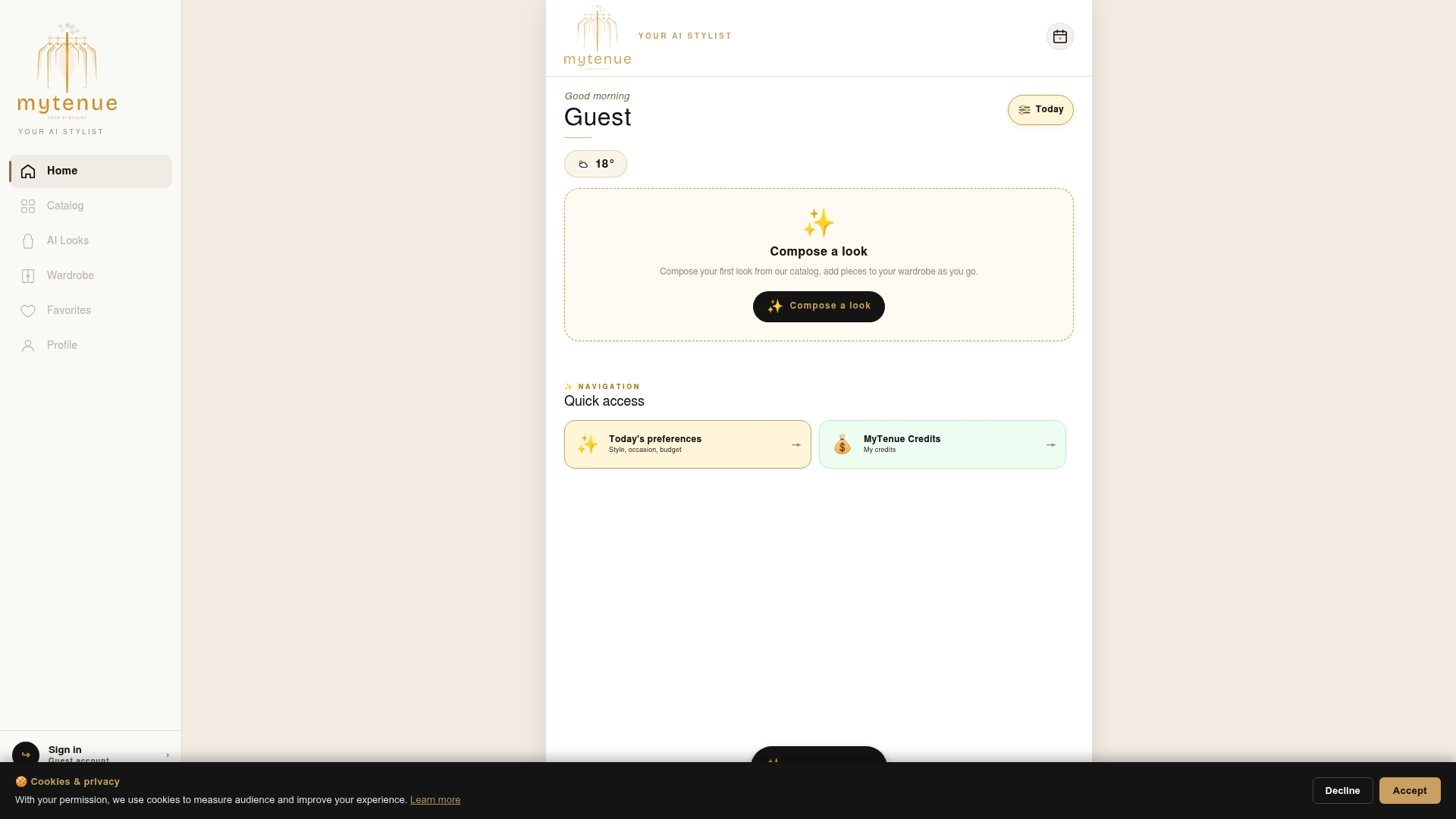
Deciding between three outfits the morning of a shoot is exactly the kind of decision fatigue Mytenue is built to remove. Digitize your wardrobe, and the app's AI suggests combinations based on color, fabric, and occasion, weather-adapted and ready to compare side by side. You can build two or three photoshoot-ready looks ahead of time, check them against the fit and palette rules above, and save them to your outfit calendar. Mixing pieces you already own with one targeted purchase keeps the process sustainable and fast.
How Should Makeup and Hair Complement Your Outfit?
Makeup and hair aren't separate decisions from your outfit. They're the finishing layer that either supports it or fights it.
Matte finishes win here too, just like in fabric choice. Heavy shimmer or glitter on eyes or cheeks can catch studio strobes the same way shiny fabric does, creating hot spots that distract from your expression. A natural, matte look with defined brows and a touch of color on the lips tends to photograph cleanest, regardless of gender.
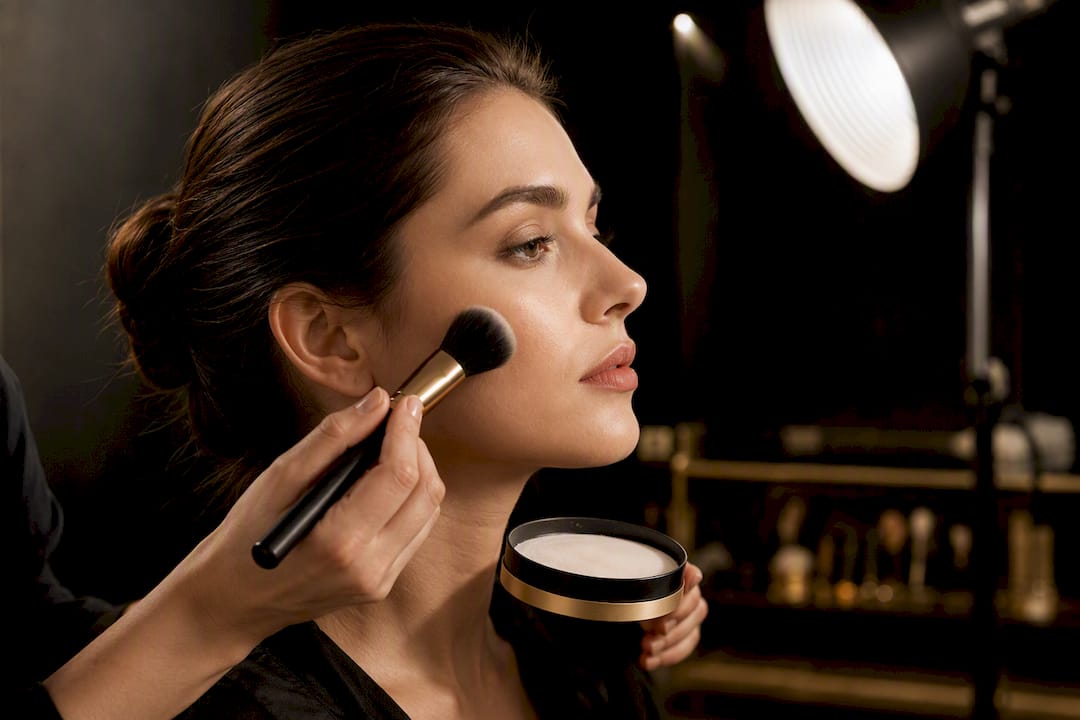
Hair should be styled the way you'd wear it to an important meeting, not a special occasion. Overly elaborate styling can look dated the moment trends shift, while your everyday, well-maintained look ages better in a photo you might use for years. If your hair is long, consider a half-up style or a low pull-back for headshots. This keeps your face and jawline visible without stray strands crossing your collar or shoulder in a way that pulls focus.
Color coordination matters more than people expect. If your outfit leans cool (navy, charcoal, forest green), cooler-toned makeup, like a rose or berry lip, tends to harmonize better than warm orange tones. Warm outfits (burgundy, warm neutrals, camel) pair more naturally with warmer makeup tones. The goal isn't matching exactly. It's avoiding a clash that makes the whole image feel disjointed.
One practical note: test your look under bright light before the session, the same way you'd test your outfit. Foundation that looks perfect in daylight can turn ashy or orange under studio strobes, so a quick test shot on your phone under strong light catches problems before they show up in the final images.
Why Should You Avoid Bold Patterns and Visible Logos?
Patterns and logos both do the same unwanted thing in a professional photo: they pull the viewer's eye away from your face and toward your clothing.
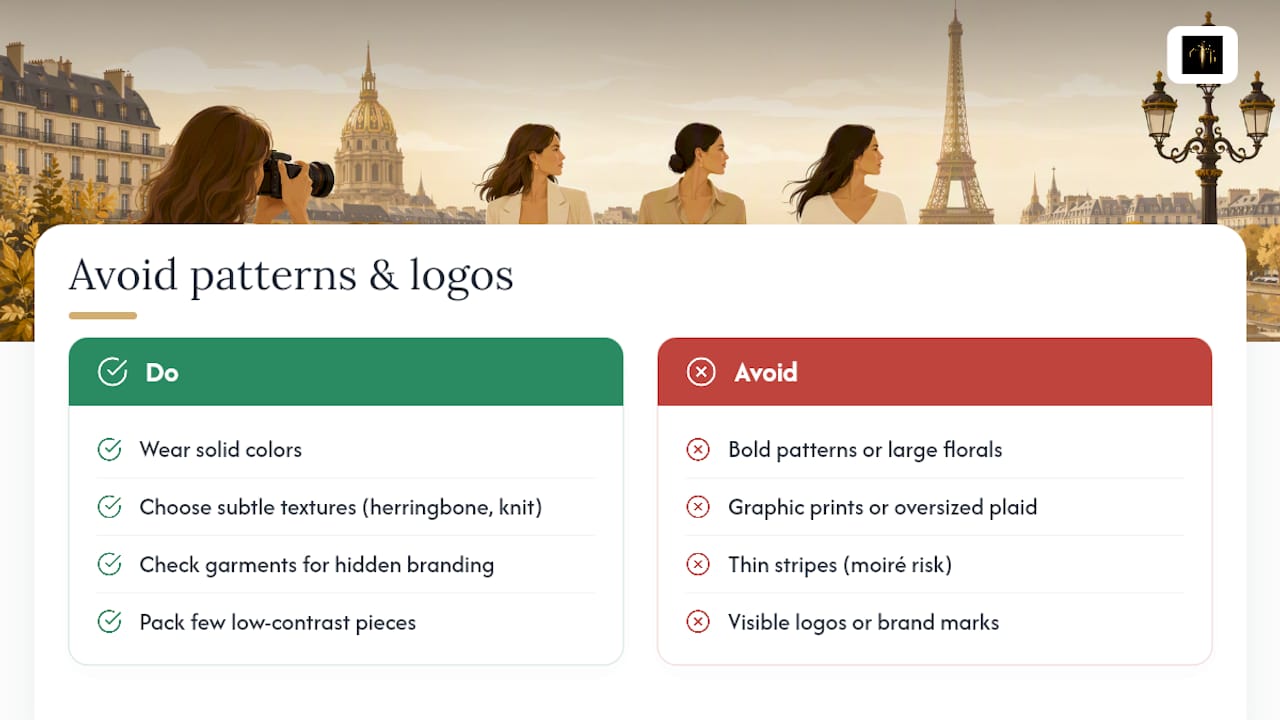
Bold patterns, large florals, graphic prints, oversized plaid, work against the entire point of a professional portrait, which is to make your expression and presence the focus. Even a pattern that looks stylish in daily life can read as busy or distracting once it's blown up on a screen or printed on a business card. The same logic that rules out thin stripes for moiré applies here on a bigger scale: anything with high visual complexity competes with your face for attention.
Logos carry a different problem. A visible brand mark, whether it's a polo emblem, a sports logo, or a designer monogram, dates the photo and can look like unintentional advertising in a context where the point is you, not the brand. It also risks looking unprofessional in industries where subtlety and understatement signal competence.
The fix is simple: choose solid colors or subtle textures (a herringbone weave, a fine knit) over anything with a repeating graphic element, and check every garment for hidden branding, especially on collars, cuffs, and chest pockets, before it goes in your garment bag.
Author Perspective: Dressing With Authenticity and Intent
The advice photographers repeat most, dress one notch sharper than your normal client-facing self, works because it protects authenticity while still raising the bar. It's not about looking like someone else. It's about giving the camera the clearest, most deliberate version of how you already show up. That intent is what actually reads as confidence in the final image.
— Ahmed
Ready to Build Your Photoshoot Outfits With Mytenue?
Reading the rules is one thing. Standing in front of your closet at 7 a.m. trying to remember which shirt avoids moiré is another. AI stylist apps can turn the guidance in this article into an actual plan: digitizing what you own, suggesting combinations that respect fit, palette, and layering, and helping lock in your options before shoot day arrives.
A few quick actions to take before your next session:
- Digitize your wardrobe so the app knows what you actually have to work with.
- Build two to three outfit sets using AI recommendations, checked against the color and fit rules above.
- Export a packing list so nothing gets left behind on shoot morning.
Start building your outfit sets on the Mytenue app and walk into your next photo session already knowing exactly what you're wearing.
Sources
- Comment bien s’habiller pour un portrait corporate ?
- What to Wear for a Professional Headshot — Wardrobe Guide
- What to Wear for Headshots (2026 Outfit + Color Guide) - Tov Studio Photo
- What to Wear for Photos: Color, Pattern & Fit Guide (2026) — PoseOverlay
FAQ
What is the rule of three colors for a professional photo outfit?
It means limiting your outfit to a maximum of three coordinated colors, usually one dominant tone (like navy) plus one or two supporting neutrals, to avoid visual clutter that distracts from your face.
What does the law say about workplace dress codes in professional photos?
Dress codes for workplace attire are set by individual employers or industry bodies rather than a single universal law, so the safest approach for a photo is matching the level of formality your own workplace already expects.
What outfits should professionals over 50 avoid in photos?
Common advice includes avoiding overly trendy pieces that can look forced, tiny busy patterns that create moiré, harsh pure black without a backdrop check, ill-fitting blazers, and heavily branded clothing, since fit and understated color tend to read as more polished at any age.
What is the most appropriate outfit for a professional photo session?
A well-fitted navy or charcoal blazer over an off-white or mid-tone top is the safest starting point for most sectors, with adjustments toward brighter jewel tones for creative roles or a full suit for formal fields like law and finance. Planning two or three options in advance, something an app can help organize, gives you flexibility once you see how each choice looks under the actual studio lighting.