Visual styling tools in fashion are defined as digital platforms and interfaces that help people select, coordinate, and present clothing through visually intuitive design. The role of visual styling tools in fashion goes far beyond simple outfit suggestions. These tools apply principles from visual merchandising, design psychology, and AI-driven interaction to sharpen your style choices and build real confidence in what you wear. Research confirms that quality visual design significantly increases consumer attitude and purchase intention in fashion retail. That finding means the way a styling tool looks and feels directly shapes how much you trust it and how likely you are to act on its recommendations.
How do visual styling tools improve fashion aesthetics and usability?
The Aesthetic-Usability Effect is the single most important design principle behind every effective fashion styling platform. First documented in 1995, it proves that attractive interface designs feel easier to use and more trustworthy, even before a person interacts with a single feature. In fashion, that perception matters enormously. When a styling tool looks polished and well-organized, you approach it with more confidence and openness.
Visual quality also affects credibility. A study with 1,200 participants found that aesthetic appeal enhances processing fluency, making visual content like photos and curated outfit boards feel more credible than text-only advice. That means a well-designed outfit card carries more persuasive weight than a written description of the same look.
Three design elements define the best visual styling platforms:
- Color consistency. Brand-matched color palettes signal care and professionalism. Consistent color and typography build user trust and increase engagement with style recommendations.
- Typography clarity. Clean, readable fonts reduce cognitive load. When text is easy to scan, you spend more mental energy on the actual outfit choices.
- Image selection. High-quality, well-lit product images allow accurate color and texture assessment. Poor images create doubt, which kills purchase confidence.
Pro Tip: When evaluating any fashion styling platform, check whether the interface uses a consistent color palette and clean typography. If it feels visually chaotic, your brain will register it as harder to use, even if the features are strong.
What is the impact of AI on outfit coordination?
AI-powered visual styling tools have changed how people experiment with fashion. Instead of mentally assembling outfits or physically pulling clothes from a closet, you can now iterate through silhouettes, colors, and patterns in seconds. A Creative Director at New Look confirmed that AI visualization solutions accelerate design processes by enabling rapid iteration on prints, colors, and silhouette options before any physical samples are produced. That same efficiency applies to personal styling. You test more combinations, make better decisions, and waste less time.

AI styling tools are also evolving past simple trend generation. They are becoming efficiency engines for designers and consumers alike, reducing waste and enhancing creative iteration at every level of fashion. The practical result for you is a faster path from "I have nothing to wear" to a confident, complete outfit.
Four ways AI transforms outfit coordination:
- Moodboarding at speed. AI tools generate visual concept boards from your preferences in moments, replacing hours of manual browsing.
- Variable control. Modern platforms use structured interaction models that let you adjust specific design variables, like occasion, color family, or silhouette, for predictable, inspectable results.
- Reduced decision fatigue. By narrowing choices to a curated set, AI removes the paralysis that comes from too many options.
- Personalized iteration. The more you use an AI styling tool, the more accurately it reflects your actual taste rather than generic trends.
Pro Tip: Use the occasion filter first when working with an AI styling tool. Locking in the context (work, weekend, formal event) before selecting colors or silhouettes produces far more focused and wearable results.
How do visual styling tools influence purchasing decisions?
The connection between visual design quality and purchasing behavior is direct and measurable. A survey of 320 online fashion consumers, analyzed using structural equation modeling, found that design appeal drives purchase intention through three mediating factors: perceived usefulness, perceived enjoyment, and ease of use. Each factor amplifies the others. A tool that looks good feels useful. A tool that feels useful becomes enjoyable. Enjoyment converts to action.
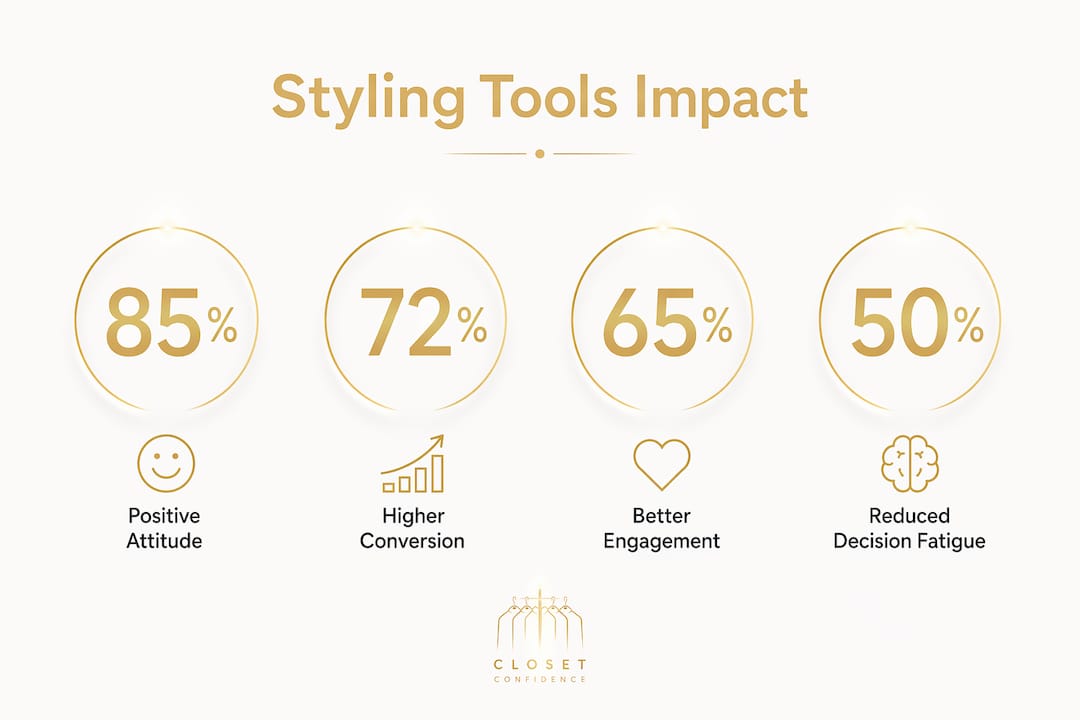
This chain matters because it explains why visual styling tools outperform traditional text-based fashion advice. A written recommendation tells you what to buy. A visual styling tool shows you how it looks on a body, in a context, with complementary pieces. The multi-factor model linking design appeal to engagement outcomes confirms that the visual experience itself is the persuasive mechanism, not just the product underneath it.
| Design factor | Effect on user behavior |
|---|---|
| Visual design quality | Raises consumer attitude and purchase intention directly |
| Perceived usefulness | Mediates between design appeal and willingness to buy |
| Perceived enjoyment | Increases time spent exploring and outfit experimentation |
| Ease of use | Reduces friction and lowers abandonment rates |
Retailers who invest in high-quality visual styling interfaces see stronger engagement metrics and higher conversion rates. For you as a shopper, this means the platforms that feel best to use are also the ones most likely to help you find outfits you will actually wear.
How to use styling tools for everyday wardrobe management
Digital styling tools deliver the most value when you use them consistently, not just when you face a specific occasion. Building a habit around outfit planning with a visual tool changes how you see your existing wardrobe. You start to notice combinations you had overlooked and identify genuine gaps rather than buying duplicates.
Practical strategies for getting the most from these tools:
- Start with what you own. Use AI wardrobe analysis to catalog your current pieces before adding anything new. This prevents redundant purchases and reveals underused items.
- Plan by occasion. Occasion-based dressing systems, a core feature of hyper-personalized styling platforms, match your clothes to real-life contexts rather than abstract trends.
- Reduce morning decision fatigue. Styling tools that simplify daily outfit planning cut the time you spend choosing what to wear, which research in 2026 identifies as one of the most practical benefits of AI-based fashion tools.
- Use trend forecasting selectively. AI trend forecasting works best as a filter, not a mandate. Let it surface relevant directions, then apply your own judgment about what fits your life.
- Review and refine regularly. A styling tool improves with use. The more feedback you give, the sharper its recommendations become.
Structured interaction design in AI styling tools bridges complexity and creativity, making these platforms accessible for everyday fashion enthusiasts, not just professionals. You do not need a background in fashion to benefit. You need a tool with a clear interface and the habit of using it.
Key Takeaways
Visual styling tools work because they combine aesthetic design principles with AI-driven personalization to improve outfit coordination, build style confidence, and directly increase purchase intention.
| Point | Details |
|---|---|
| Aesthetic-Usability Effect | Attractive styling platforms feel easier to use, which increases trust and engagement. |
| AI accelerates iteration | AI tools let you test silhouettes, colors, and occasions in seconds, reducing decision fatigue. |
| Design drives purchases | Visual design quality mediates perceived usefulness and enjoyment, which together raise purchase intent. |
| Occasion-based planning | Filtering by occasion before color or silhouette produces more focused, wearable outfit results. |
| Consistent use compounds value | AI styling tools improve with feedback, making regular use the key to sharper personalization. |
Why I think most people underestimate these tools
Most people treat visual styling tools as a novelty rather than a genuine wardrobe asset. That is a mistake I see repeatedly. The tools that have impressed me most are not the ones with the flashiest features. They are the ones with the clearest interfaces and the most structured interaction models. When a platform lets you control specific variables (occasion, color family, silhouette) rather than dumping you into an open-ended prompt, the results are dramatically more useful.
The balance between technology and human creativity is real, and it matters. A styling tool should sharpen your instincts, not replace them. The best use case I have seen is people who already have strong personal taste but struggle with the daily execution. They know what they like. They just need a system to surface it faster. That is exactly what well-designed digital styling tools do.
The future of these tools is not more complexity. It is better structure. Platforms that prioritize intuitive visual interfaces will see broader adoption because they meet people where they are, not where designers wish they were.
— Ahmed
Mytenue: your AI stylist for outfit coordination
Putting together a great outfit should not feel like a chore. Mytenue is built for fashion-conscious individuals who want personalized, occasion-ready looks without the guesswork of sorting through a full closet alone.
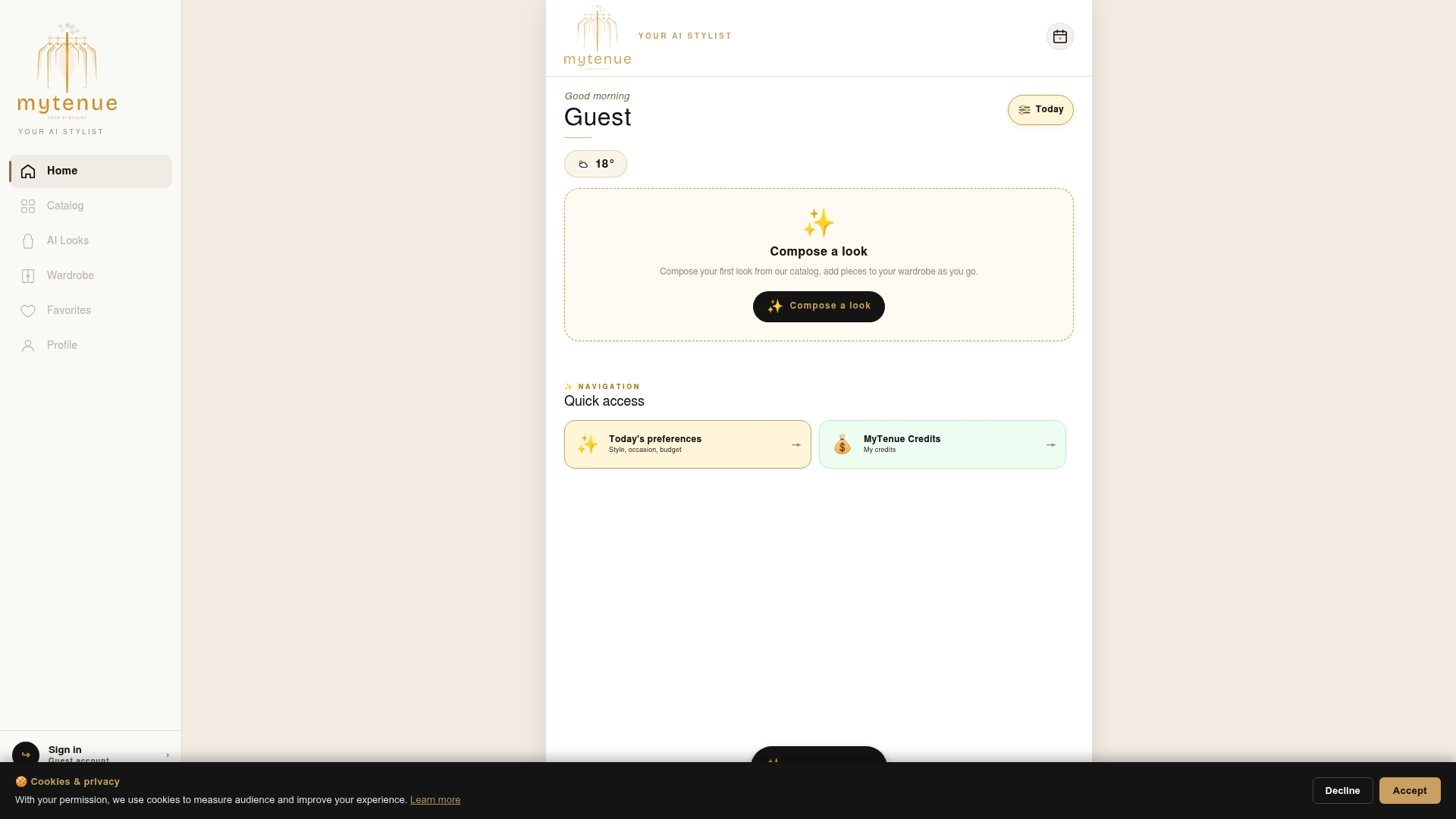
Mytenue uses AI to curate complete outfits based on your style preferences, occasions, and budget, all in one place. The platform encourages mixing existing wardrobe pieces with new finds, which supports both personal style and more thoughtful purchasing. Whether you are planning a work week or a weekend, Mytenue's AI styling platform gives you a clear, visual path from your closet to a confident outfit. Fast, personal, and built around how you actually dress.
FAQ
What are visual styling tools in fashion?
Visual styling tools are digital platforms that help people select and coordinate outfits through visually intuitive interfaces. They apply design principles and AI to improve outfit planning, style confidence, and purchase decisions.
How does the Aesthetic-Usability Effect apply to fashion tools?
The Aesthetic-Usability Effect means that attractive styling platforms feel easier to use and more trustworthy. Users engage more deeply with well-designed tools, which increases both style exploration and purchase intent.
Do AI styling tools really reduce outfit decision fatigue?
Yes. AI styling tools narrow your choices to a curated, personalized set based on occasion, color, and silhouette preferences. That structure removes the paralysis of too many options and speeds up daily outfit planning.
How do visual styling tools influence what people buy?
Research on 320 online fashion consumers shows that visual design quality raises purchase intention by improving perceived usefulness, enjoyment, and ease of use. The visual experience itself is the persuasive mechanism.
What is the best way to start using a digital styling tool?
Begin with an AI wardrobe analysis of your existing pieces before browsing new items. Then use occasion-based filters to match outfits to real-life contexts, which produces more focused and wearable results than browsing by trend alone.