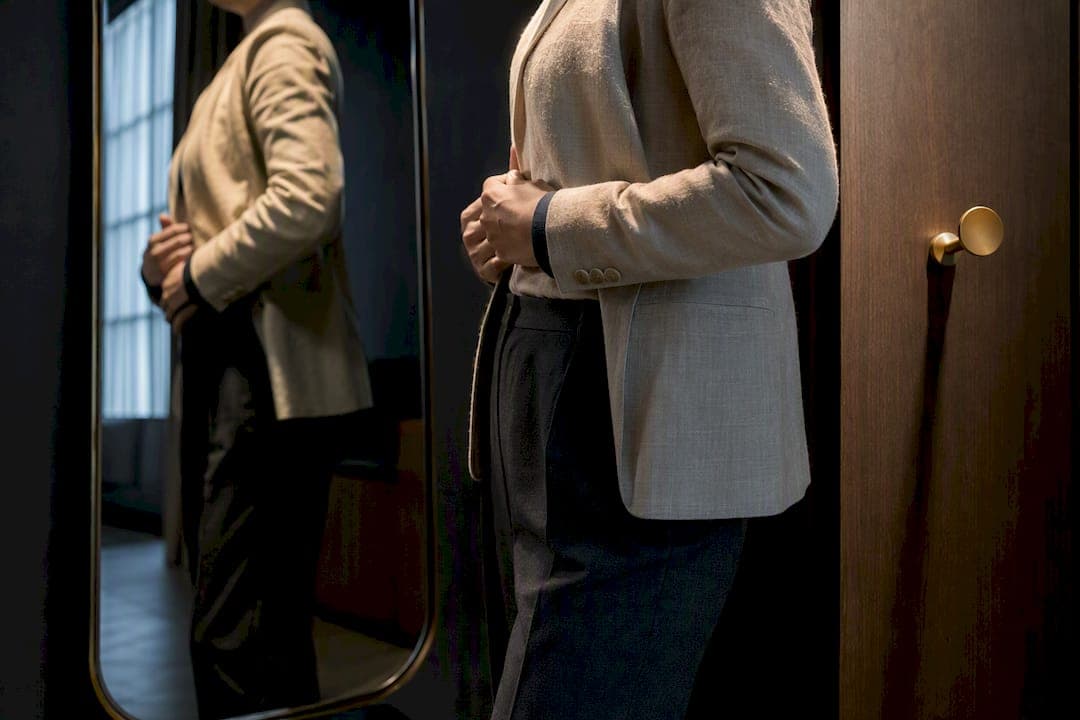
For a comfortable, professional workday, choose breathable fabrics, the right fit, and a three-layer outfit system, then build a small capsule of mix-and-match pieces around it. Supportive shoes matter more than most people admit. An app can shortcut the whole process by generating weather-aware, occasion-ready looks in seconds. The sections below walk through fabrics, fit, layering, footwear, and a weekly planning routine that makes this repeatable.
TL;DR:
- Breathable natural fibers like linen and merino wool offer better comfort and odor resistance, but blends can provide wrinkle resistance at the cost of breathability.
- Supportive shoes such as loafers or sneakers with breathable socks significantly improve comfort during long hours on your feet or commuting.
- A three-layer outfit system allows quick adaptation to fluctuating office temperatures, with a spare lightweight layer in your desk proving especially useful.
- Proper chair setup, desk organization, and lighting adjustments are crucial for comfort and maintaining a polished appearance throughout the day.
- Using an outfit planning app can streamline daily choices by generating weather-appropriate, comfortable, and office-appropriate looks based on your wardrobe capsule.
Table of Contents
- Five Quick Outfit Formulas for a Comfortable Office Day
- Fabrics and Fit: What to Choose and Why
- Layering and Temperature Control for Fluctuating Office Climates
- Footwear and Accessories That Support Long Days Without Sacrificing Polish
- Build a Compact Capsule and a Weekly Outfit Planning Routine
- Does Your Chair Actually Affect How Your Clothes Fit All Day?
- Does a Tidy Desk Actually Make You More Comfortable?
- How Should You Adjust Lighting for Eye Comfort?
- Why Do Short Breaks Matter More Than People Think?
- Why Does Air Quality Change How Comfortable You Feel at Work?
- How Does Stress Show Up as Physical Discomfort at Work?
- Ahmed's Practical Perspective: Reading the Room Before You Dress for It
- Let Mytenue Handle the Outfit Decisions Every Morning
- Sources
Five Quick Outfit Formulas for a Comfortable Office Day
You don't need twenty outfit ideas. You need five that work on repeat. Each formula below balances fabric, fit, and one comfort tip specific to sitting, commuting, or standing for long stretches.
- Client-facing day: tailored trousers in a cotton-spandex blend, a merino knit top, and a lightweight unlined blazer. Sit test before you leave the house. If the waistband digs in when seated, adjust size or fit for comfort.
- Everyday professional: straight-leg pants, a breathable button-down, loafers. Choose a cotton-poly blend shirt to help reduce wrinkling during your commute.
- Smart-casual: dark denim (no stretch loss after a few wears), a refined knit, and a structured cardigan. Check that the denim has enough spandex content to bend at the knee without pulling.
- Hybrid work-from-office day: soft joggers with a tailored cut, a merino tee, and sneakers that pass for office wear. This is the outfit for a day with more Zoom calls than meetings.
- Dress option: a knit sheath dress with pockets, paired with flats. Knit fabric moves with you instead of against you, improving comfort during active or crowded commutes.
For warmer stretches, a formula built around linen blends and open-weave tops keeps the same structure while cutting the heat load. Consider a resource like office summer outfit formulas if your building runs warm from spring through early fall.
Run this three-move comfort test on anything new before it enters rotation:
- Sit down and check if the waistband, seat, or sleeve pulls.
- Reach overhead to confirm the shoulder and underarm don't restrict.
- Walk twenty steps to see if the hem, hosiery, or waistband shifts.
Fabrics and Fit: What to Choose and Why
Fabric performance comes down to two things: how it's woven and what it's made of. A loose, open weave lets air move through, which is why linen and seersucker feel cooler than a tight twill even at the same weight. Fiber type matters just as much. Moisture-wicking synthetics and merino wool pull sweat away from skin and dry fast, while cotton and linen breathe well but absorb moisture and wrinkle more easily. Merino carries a bonus: it resists odor naturally in a way most synthetics don't, which is useful on days you can't change between meetings and a commute.
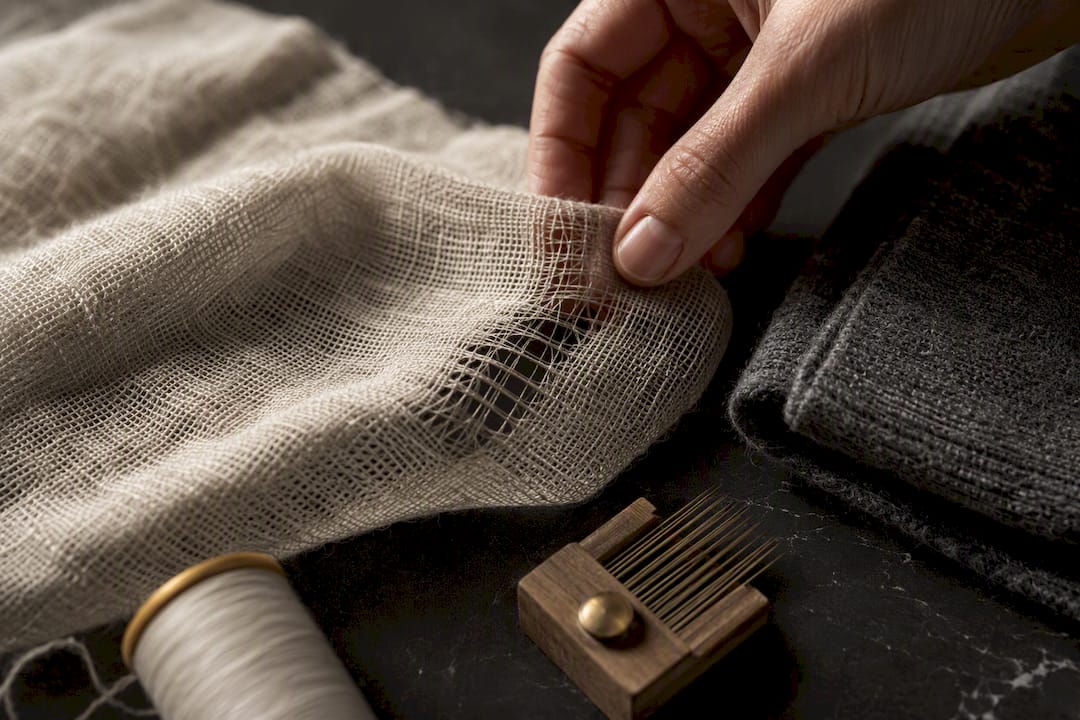
Blends split the difference. Cotton-polyester and cotton-spandex mixes give you wrinkle resistance and easier care while sacrificing a little breathability compared to pure natural fiber.
Pro Tip: Hold fabric up to a window before buying. More light passing through usually means a more open, breathable weave, a fast way to judge quality on the spot.
Fit checklist for anything going into regular rotation:
- Shoulder seams sit at the edge of your shoulder, not past it.
- Torso allows a full arm swing without the shirt pulling out.
- Trouser rise feels secure sitting down, not just standing.
- Sleeves and hips leave two fingers of ease.
Rotate garments instead of wearing the same piece daily, and follow the care label, especially for merino and delicate blends that lose shape under high heat.
Layering and Temperature Control for Fluctuating Office Climates
Office buildings run hot in some corners and cold in others, sometimes on the same floor. A three-layer system, a breathable base, a core shirt or knit, and a structured outer layer like a blazer or trench, is the most reliable way to handle that swing without changing your whole outfit at lunch.
Layering isn't just about warmth. It's the fastest way to keep a professional silhouette intact while adjusting to whatever temperature the thermostat throws at you.
- Base layer: a moisture-wicking or merino tee that handles sweat quietly.
- Core layer: your shirt, blouse, or knit top, the piece doing the visible work.
- Outer layer: an unlined blazer or lightweight cardigan that adds polish without bulk.
Pro Tip: Keep a spare lightweight layer in your desk drawer. It solves the freezing conference room problem without a trip home.
For the commute itself, a packable blazer that folds flat in a bag beats one that wrinkles in a garment bag. If you're dressing for a season transition rather than a single hot or cold day, mid-season outfit formulas built around exactly this layering logic are worth bookmarking.
Footwear and Accessories That Support Long Days Without Sacrificing Polish
Shoes affect comfort and posture more than any other single piece of the outfit, and yet they're usually the last thing people think about when planning what to wear. Prioritize supportive soles in clean, simple shapes: loafers, low block heels, or office-appropriate sneakers where your workplace culture allows them.
- Break new shoes in gradually at home before wearing them all day.
- Keep a second pair at the office for commuting or long walking days.
- Choose thin, breathable socks and add a cushioned insole if your usual shoe runs firm.
- Skip jewelry that dangles near a keyboard or catches on a chair arm.
- Pick a structured bag that sits flat under a desk instead of sliding around.
Pro Tip: If your commute involves more than fifteen minutes of walking, wear the commuting shoes and swap at your desk. Your feet will thank you by 3 p.m.
Build a Compact Capsule and a Weekly Outfit Planning Routine
A small, well-chosen capsule beats a packed closet every time. Aim for a base of five tops, three bottoms, two layering pieces, and two pairs of shoes, all selected because they mix with nearly everything else in the group. Every piece earns its spot by being both comfortable and easy to combine, which is the same logic behind business casual capsule essentials built for exactly this kind of repeat wear.
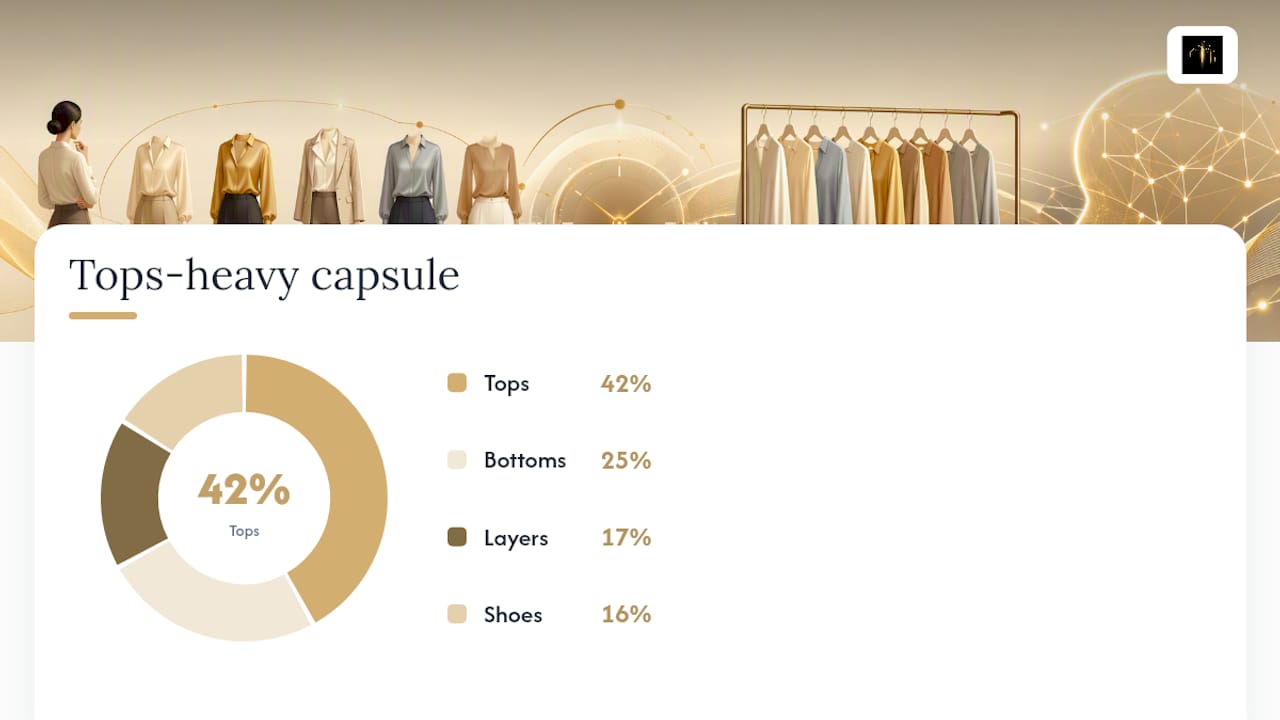
A curated capsule paired with a short weekly routine cuts down on morning decision fatigue and keeps the "comfortable but presentable" standard consistent all week.
Here's a ten to fifteen minute Sunday routine that works:
- Pick three ready-made looks from your capsule for the week's key days.
- Check the weather forecast and swap in a layer or lighter fabric where needed.
- Set aside one outfit specifically for your longest commute day.
- Log your choices in a planner or save the looks so you're not rebuilding them from scratch.
- Note which pieces need a wash or a press before the week starts.
Rotate pieces rather than repeating the same shirt twice in one week. It preserves both the fabric and the fit, and it stretches the life of your best pieces. A weekly planning checklist can make this routine even faster once you've done it a few times.
Does Your Chair Actually Affect How Your Clothes Fit All Day?
Yes, and it works both ways. A chair that forces you to slouch will bunch fabric at the waist and pull at the shoulders no matter how well a garment fits standing up. Lumbar support that holds your spine in a neutral position also keeps your torso length consistent, which means your shirt or blazer sits the way it was cut to sit, instead of riding up or gapping.
Adjust seat height so your knees sit level with or slightly below your hips. That single change reduces the pulling most people feel across the front of trousers by midafternoon. Armrests set too high push your shoulders up, which strains blazer seams and tightens sleeves over hours of typing. Set them low enough that your elbows rest at roughly a 90 degree angle.
If your workplace allows a standing desk option, alternating between sitting and standing changes how fabric drapes throughout the day, and it gives fitted pieces a break from constant tension at the same points. A chair with breathable mesh backing also matters more than people expect. Solid foam backing traps heat against a blazer or knit top, which is one more reason a lightweight, breathable outer layer performs better than a heavy one, even in a climate-controlled office.
Does a Tidy Desk Actually Make You More Comfortable?
Clutter does more than look messy. A cramped desk pushes your monitor, keyboard, and phone into awkward positions, which forces small postural adjustments all day that add up to real tension in your neck and shoulders. Clearing surface space so your monitor sits at eye level and your keyboard stays close enough to avoid reaching forward removes a surprising amount of that strain.
Cable clutter under a desk is an easy fix with an outsized payoff. Tangled cords near your feet limit how you can shift position while seated, and small position shifts are exactly what prevent stiffness during long stretches at a desk. A simple cable tray or clip solves it in minutes.
Personal touches matter too, but in moderation. A plant, a photo, or a small lamp can make a workspace feel less sterile without crowding the surface you actually use. The goal is a desk where everything within arm's reach has a purpose, and everything else lives somewhere out of the way.
How Should You Adjust Lighting for Eye Comfort?
Position your monitor perpendicular to windows rather than facing them directly. Glare from a window behind or in front of your screen forces your eyes to compensate constantly, which leads to fatigue faster than dim lighting ever would.
Overhead fluorescent lighting is often too harsh or too blue for sustained screen work. A warm desk lamp positioned to the side of your monitor, rather than directly overhead, softens the contrast between your screen and the room around it. If your office lighting is fixed, a small adjustable desk lamp is one of the cheapest comfort upgrades available.
Screen brightness should roughly match the light level of the room. A screen that's noticeably brighter or dimmer than its surroundings makes your eyes work harder to adjust every time you glance away and back. Most operating systems now include a warm-tone or night-shift setting worth turning on for afternoon hours, when blue light exposure tends to compound the day's eye strain.
Why Do Short Breaks Matter More Than People Think?
Sitting still for hours does more damage to comfort than any outfit choice. Standing up every 45 to 60 minutes, even for two minutes, resets circulation and releases the low-grade tension that builds in your hips and lower back from sitting in one position.
Movement also affects how your clothes perform. A quick walk to refill water or step outside keeps fabric from clinging in the same spots all day, and it gives moisture-wicking layers a chance to actually do their job instead of sitting damp against skin. Short walking breaks are one of the simplest ways to keep a fitted outfit looking fresh past noon.
Set a recurring reminder if your schedule tends to swallow entire mornings without a pause. A five-minute walk at the two-hour mark, and another before lunch, is enough to break up the physical toll of a desk job without disrupting your workflow.
Why Does Air Quality Change How Comfortable You Feel at Work?
Stale, recirculated air makes a room feel warmer and stuffier than the thermostat suggests, which throws off every layering decision you made that morning. Opening a window for even ten minutes, when the building allows it, resets the air and often solves a "too hot" feeling that has nothing to do with the temperature setting.
A small desk fan helps in offices where airflow is uneven, particularly in open floor plans where heat pockets form near windows or electronics. If you're prone to dry eyes or a scratchy throat by afternoon, a small personal humidifier at your desk can offset air that's been running through HVAC systems all day.
Pay attention to where you sit relative to vents. A desk directly under an air conditioning vent runs colder than the rest of the room, which is often why one layering strategy works for a colleague across the floor but leaves you reaching for a cardigan every afternoon.
How Does Stress Show Up as Physical Discomfort at Work?
Tension from a stressful meeting or deadline often settles in the shoulders, jaw, and lower back, tightening muscles in ways that make even well-fitted clothes feel restrictive. That tight blazer across the shoulders by 4 p.m. isn't always a fit problem. Sometimes it's stress holding your shoulders elevated for hours without you noticing.
A few slow, deep breaths at your desk, four seconds in, six seconds out, repeated for a minute, lowers that muscular tension enough to feel it immediately. Rolling your shoulders back and down periodically counters the forward hunch that stress and screen time both encourage.
Stepping away from your desk when a task gets overwhelming isn't a lack of discipline. It's a reset that prevents the kind of full-body tension that turns a normal workday into a physically uncomfortable one, regardless of what you're wearing.
Ahmed's Practical Perspective: Reading the Room Before You Dress for It
Most outfit advice ignores the fastest signal available: what's already in the room. Before I recommend a formula, I look at what the last three people walked in wearing. Offices drift over time, and a "business casual" policy written five years ago rarely matches what's actually on the floor today.
My checklist is short: check shoe styles first, they reveal formality faster than anything else. Check whether blazers are structured or soft knit. Check how many people are in sneakers on a Tuesday. That single scan tells you more than any dress code memo.
The heatwave and sector-specific rules I've written about apply the same logic. Comfort rules don't transfer cleanly between a law office and a design studio, and pretending they do is how people end up overdressed or underdressed. An outfit engine can do a version of this same reading automatically, weighing weather and occasion so you don't have to run the scan yourself every morning.
— Ahmed
Let Mytenue Handle the Outfit Decisions Every Morning
Mytenue is the fastest way to apply everything above without doing the math yourself every single morning. The app maps your wardrobe against your style preferences, the day's weather, and the occasion, then generates outfit suggestions built on the same fabric, fit, and layering logic covered in this guide. Instead of standing in front of a closet running the sit-reach-walk test on three different combinations, you open the app and get looks already vetted for comfort and polish.
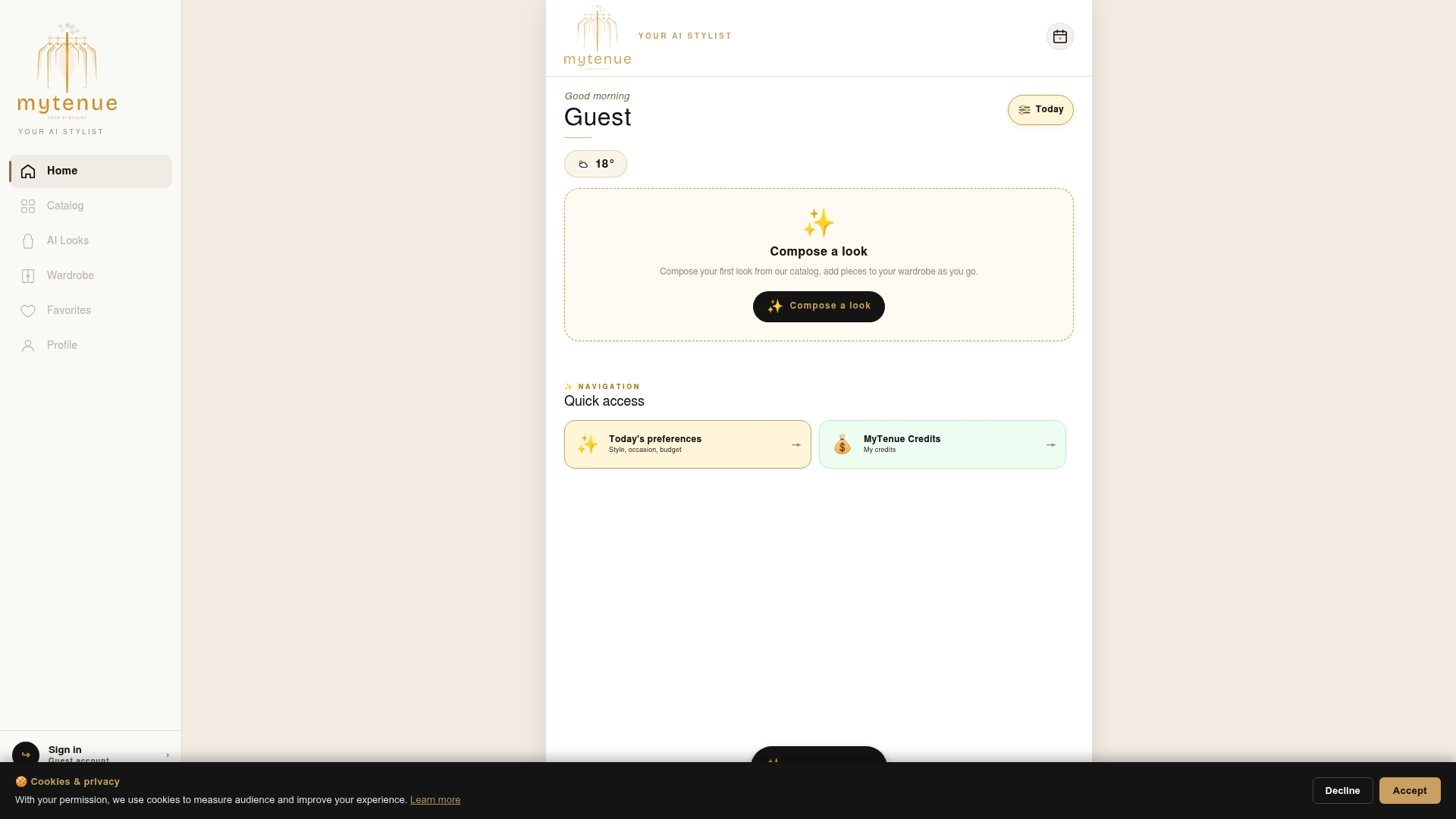
The virtual try-on feature using your personal avatar means you can preview a combination before committing to it, which matters most on days you're deciding between a blazer and a cardigan for a meeting you haven't fully sized up yet. Wardrobe digitization also solves the repeat-outfit problem: once your capsule pieces are logged, the calendar planning feature helps you avoid wearing the same top twice in one week without tracking it manually.
Start with the free tier to see how it fits your morning routine, then explore Mytenue's outfit planning tools when you're ready to build out a full weekly rotation.
Sources
For deeper reading on the fabric and layering logic behind this guide, see layering for the office, breathable fabric selection, and business casual staples. For ready outfit ideas, explore smart casual combinations and heatwave outfit rules on the Mytenue blog.