
Virtual outfit coordination is the process of using digital tools, often powered by AI, to preview how clothing items work together before you wear or buy them. An outfit is usually defined as a set of matching or harmonious garments and accessories worn together, and virtual coordination simply moves that matching process onto a screen. Mytenue is one AI-powered example: it scans your digitized wardrobe and generates complete looks in seconds. Say you're packing for a weekend trip and want to buy one new sweater that has to work with three pairs of pants you already own. Instead of guessing, you upload a photo, and the system shows you exactly how it fits into your existing rotation.
Key Takeaways
Virtual outfit coordination uses AI or rules-based systems to preview coordinated looks from a digitized wardrobe, saving time and reducing wasted purchases.
| Point | Details |
|---|---|
| Core definition | Virtual outfit coordination previews how garments work together digitally, before you wear or buy them. |
| Assembled works best for most | Assembled, on-body previews generally increase engagement and product evaluation over flat-lay unassembled views. |
| Sustainability payoff is real | Previewing new items against your existing wardrobe measurably reduces unworn "orphan" purchases. |
| Feature checklist matters | Prioritize avatar fidelity, calendar planning, and clear data privacy options when comparing apps. |
| Mytenue as a working example | Mytenue applies AI outfit generation, avatar try-on, and calendar planning through a freemium subscription model. |
Table of Contents
- What Is Virtual Styling and How Is It Different From Just Matching Colors?
- What Are the Benefits of Virtual Outfit Coordination?
- What Features Should a Virtual Outfit Coordination Tool Have?
- Assembled or Unassembled: Which Outfit View Works Better?
- How Do You Use Virtual Outfit Coordination to Streamline Your Closet?
- What Are the Limits and Privacy Risks of Virtual Styling Apps?
- How Do You Choose the Right Virtual Outfit Coordination App?
- How Does Mytenue Put Virtual Outfit Coordination Into Practice?
- What Does Virtual Outfit Coordination Cost?
- Why Virtual Outfit Coordination Matters More Than It Gets Credit For
- Try Mytenue's AI Wardrobe Assistant Today
- Frequently Asked Questions
- Sources
What Is Virtual Styling and How Is It Different From Just Matching Colors?
Virtual outfit coordination is often confused with basic color matching, but it's a broader discipline. Fashion coordination involves proportion, layering, and specific style languages, not just whether a shirt and pants share a palette. Virtual styling platforms automate these principles for people who find them hard to apply manually, turning an intuitive skill into something a system can calculate and repeat.
Here's how outfit coordination works at the platform level, using four common workflows:
- Wardrobe digitization: you photograph or upload each garment, building a digital inventory.
- Item tagging: the AI model (or you, manually) assigns category, color, and pattern data to each piece.
- Compatibility scoring: the system applies color theory and silhouette rules to rank which items pair well.
- Outfit assembly: the platform generates full looks, either through a recommendation engine or rules-based logic.
Picture it as a simple pipeline: input (your photos and preferences) leads to processing (tagging and scoring) leads to output (a finished outfit, shown assembled on an avatar or unassembled as a flat-lay). Under the hood, platforms typically rely on one or more of these methods: rules-based matching that follows fixed style logic, collaborative filtering that learns from what similar users pick, content-based matching that reads visual features like cut and texture, and generative models that assemble entirely new combinations rather than just recommending existing pairings.
What Are the Benefits of Virtual Outfit Coordination?
The most immediate benefit is speed. Deciding what to wear, or what to pack, drops from minutes of trial and error to a few taps. But the bigger win is financial and environmental.
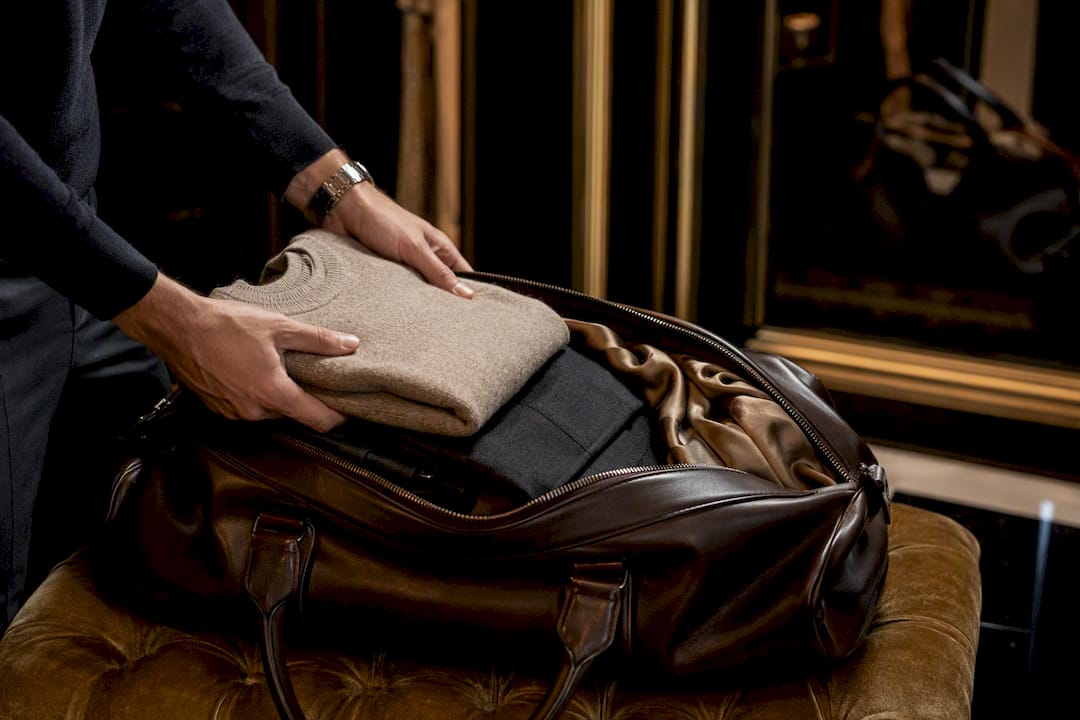
Fewer wardrobe orphans, more sustainable buying. Previewing how a new item interacts with your existing closet reduces the chance it becomes an orphan piece, a garment bought on impulse that never gets worn again. That single habit shift, buying with your full wardrobe in mind, is one of the more overlooked routes to a wardrobe that works instead of accumulating clutter.
For retailers, the payoff shows up differently: showing coordinated items together increases how much shoppers mentally engage with the product, which tends to produce more positive evaluations and stronger cross-sell opportunities.
- Time saved on daily and event-specific dressing decisions
- Fewer regretted purchases through pre-purchase visualization
- Higher product engagement for retailers presenting coordinated looks
- Reduced textile waste from smarter, wardrobe-aware buying
What Features Should a Virtual Outfit Coordination Tool Have?
Most legitimate platforms share a core feature set, even when their branding differs. Look for wardrobe digitization, avatar or 3D virtual try-on, an outfit calendar or planner, occasion filters (work, travel, event), layering simulation, a flat-lay editor, the ability to save and share looks, and shopping links tied to affiliate or retail partners.
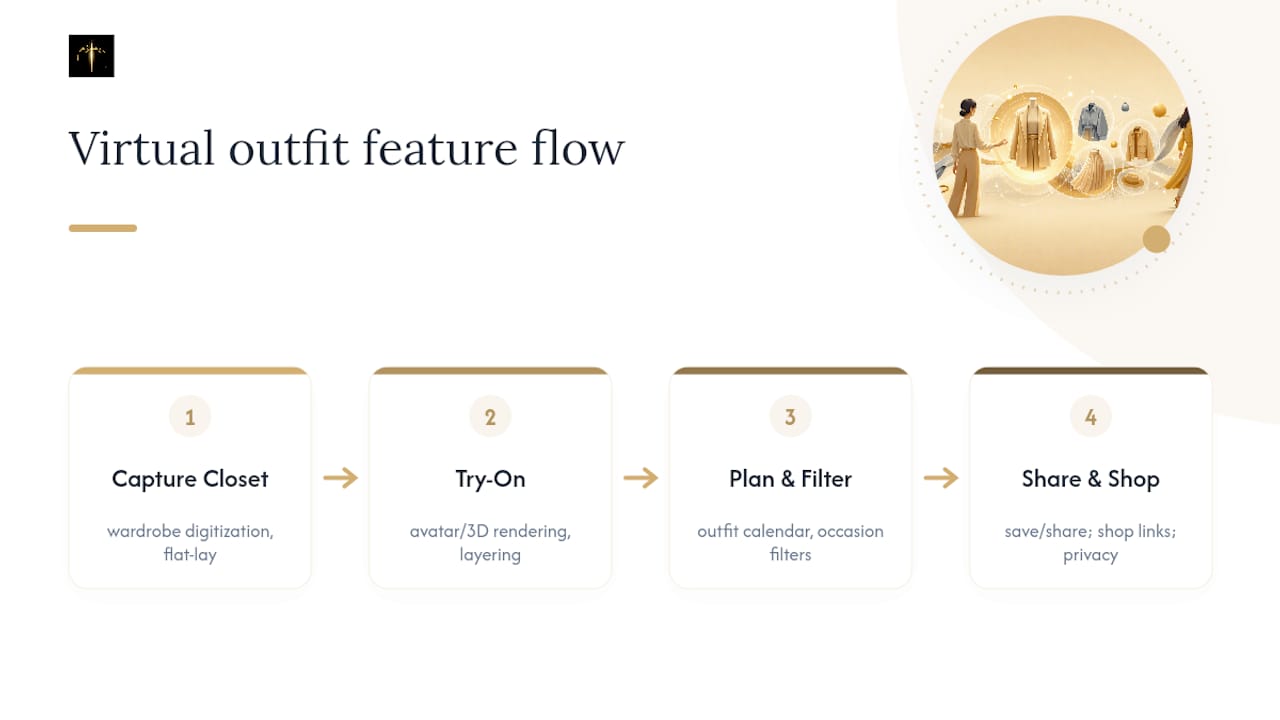
Fidelity matters more than it seems at first glance. An avatar or 3D rendering shows how fabric drapes and how proportions actually sit on a body, which matters if you're deciding between two silhouettes. A flat-lay, by contrast, is faster to generate and fine for quick color or pattern checks but tells you little about fit.
Privacy features deserve equal attention: check whether photo processing happens locally or in the cloud, and whether you can export or delete your wardrobe data on demand.
Pro Tip: Before committing to a paid tier, test how the platform handles one tricky item, like a patterned scarf or textured knit. If it tags and matches that correctly, it'll likely handle the rest of your closet just fine.
These features connect directly to outcomes: faster decisions, more confident event planning, easier packing, and a clearer path to building a capsule wardrobe rather than a closet full of one-off pieces.
Assembled or Unassembled: Which Outfit View Works Better?
Assembled outfit coordination shows items together on a body or model. Unassembled coordination shows the same pieces separately, side by side, letting you mentally combine them yourself.
Three online studies covering nearly 500 participants found that assembled presentations generally increase imagery elaboration and lead to more positive product evaluations compared to unassembled layouts. The exception matters: shoppers with high fashion involvement, people who already think deeply about style, sometimes engage more with unassembled displays, because piecing it together themselves gives them room to apply their own judgment.
- Prefer assembled previews when you want a fast, confident read on fit and proportion.
- Prefer unassembled layouts when you're experienced enough to enjoy building the combination yourself, or when comparing many small variations at once.
How Do You Use Virtual Outfit Coordination to Streamline Your Closet?
Getting real value from these tools comes down to setup discipline, not app-hopping. Follow these steps:
- Digitize your core wardrobe first, starting with staples you wear most often.
- Tag each item by category, color, and pattern, or let AI auto-tagging handle it.
- Set a goal, whether that's a travel capsule, a work rotation, or event-specific looks.
- Generate outfit options and swap individual pieces to compare alternatives.
- Save finished sets and drop them into an outfit calendar for the week or trip ahead.
Pro Tip: Photograph every item under the same lighting and against a neutral background. Inconsistent photos are the single biggest cause of bad color matching in these systems.
Before buying anything new, test it against three outfits you already own. If it doesn't pair with at least two, reconsider the purchase. For busy people short on time, building this habit once during a slow weekend pays off every single morning afterward.
What Are the Limits and Privacy Risks of Virtual Styling Apps?
No system is flawless. Poor lighting, unusual garment fit, and heavily textured or patterned fabric can all trip up automated tagging, and avatar try-on doesn't always reflect how a piece drapes on your actual body.
- Don't treat AI suggestions as final; use them as a starting point, not a dress code override.
- Check where your photos are stored and whether processing happens locally or in the cloud.
- Confirm the platform lets you export or permanently delete your wardrobe data.
- Watch for over-reliance: personal comfort and context still outrank any algorithm.
How Do You Choose the Right Virtual Outfit Coordination App?
Start by comparing platforms across the same dimensions, since marketing language varies but the underlying mechanics don't:
- Primary method: AI-driven recommendations versus fixed rules-based matching.
- Try-on fidelity: avatar or 3D rendering versus flat-lay only.
- Wardrobe import: how quickly you can digitize and organize your existing pieces.
- Planning tools: occasion filters and calendar integration for real-world scheduling.
- Privacy handling: local versus cloud processing, and data deletion options.
- Pricing model: freemium, flat subscription, or credit-based purchases.
During a free trial, test three things specifically:
- How realistic the avatar looks with your actual body proportions.
- Whether auto-tagging correctly identifies pattern and color on a tricky item.
- Whether the calendar feature actually syncs with how you plan your week.
If you only dress casually a few times a week, freemium tiers usually cover it. If you're managing a wardrobe for work, travel, and events simultaneously, a paid tier with full calendar and try-on access earns its cost quickly.
How Does Mytenue Put Virtual Outfit Coordination Into Practice?
Mytenue applies the workflow above directly, so here's how a first session typically looks:
- Sign up and set style preferences, covering fit, colors, and budget range.
- Digitize your wardrobe by photographing pieces or uploading existing photos.
- Generate outfits using AI that scores color, fabric, and occasion compatibility.
- Preview looks on your avatar for a realistic sense of fit before committing.
- Save outfits to your calendar so weekday and event planning happens in advance.
The app runs on a freemium model with a premium catalog and loyalty credits for anyone who wants expanded access, and it works in both French and English across mobile and web.
What Does Virtual Outfit Coordination Cost?
Pricing across virtual outfit coordination apps generally follows one of three structures, and knowing which one fits your habits saves both money and frustration.
Freemium tiers give you basic wardrobe digitization and a limited number of AI-generated outfits per month at no cost. This works well if you're testing whether the concept fits your routine before committing money, but you'll usually hit caps on avatar try-on quality or calendar features.
Subscription tiers unlock full avatar try-on, unlimited outfit generation, and calendar planning for a recurring monthly or annual fee. This tends to make sense once you're using the tool multiple times a week, whether for daily dressing decisions or regular event planning, since the time saved starts to outweigh the cost.
Credit-based models let you pay for specific premium features, like a curated catalog item or an extra styling session, without a full subscription. This suits occasional users who want select high-value features without recurring charges.
Mytenue follows the freemium and subscription approach: a free tier to explore core features, paid tiers for full avatar try-on and calendar planning, plus a premium catalog you access using loyalty credits earned through the app. That structure means you're not locked into a high price point just to see whether the tool fits your wardrobe habits, and the affordable dressing strategies that pair well with any coordination tool cost nothing extra to apply.
Why Virtual Outfit Coordination Matters More Than It Gets Credit For
People underestimate how much decision fatigue builds up from small daily wardrobe choices, and virtual coordination solves that quietly rather than dramatically. The sustainability angle deserves more attention too: buying with your existing closet in mind, not just what looks good on a mannequin, is a bigger lever against waste than most "eco fashion" advice acknowledges. If you're curious, the fastest way to understand the concept is to test one real workflow yourself rather than read another explainer.
Try Mytenue's AI Wardrobe Assistant Today
Mytenue turns the manual guesswork of outfit planning into a two-minute daily habit. Instead of hunting through your closet or scrolling style inspiration you can't actually replicate with what you own, you get outfits generated from your real wardrobe, previewed on your own avatar, and slotted into a calendar you control.
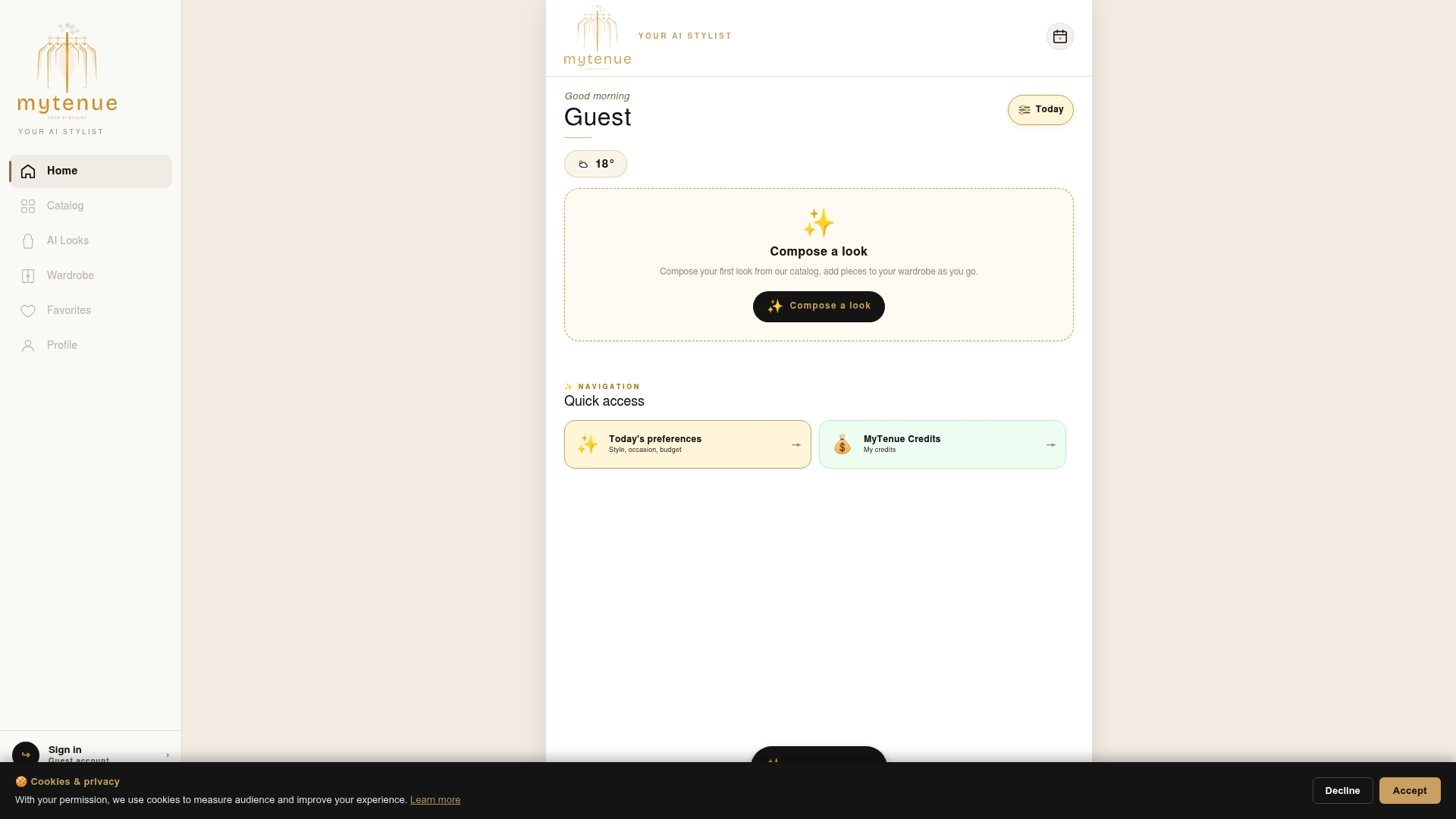
The app combines AI-curated outfit suggestions, realistic avatar try-on, and daily weather-adapted recommendations, all inside a bilingual interface available on mobile and web. You can start with the free tier to digitize your wardrobe and generate your first outfits, then upgrade if you want full calendar planning and access to the premium catalog through loyalty credits. Visit the Mytenue landing page to create your account and see your own closet reorganized into ready-made outfits within minutes.
Frequently Asked Questions
What does virtual outfit coordination mean in simple terms? It means using a digital tool, often AI-powered, to preview how clothing pieces look together before you wear or buy them, instead of relying on guesswork or trying items on physically.
How is virtual outfit coordination different from a virtual fashion consultant? A virtual fashion consultant typically implies human styling advice delivered remotely, while virtual outfit coordination usually refers to software, often AI-driven, generating suggestions automatically without a human stylist involved.
Do I need to photograph my entire wardrobe to use these tools? No. Most platforms let you start with your most-worn staples and add pieces gradually, though a more complete digital wardrobe produces better outfit matches over time.
Are virtual try-on results accurate for every body type? Fidelity varies by platform. Avatar-based systems that let you input your own measurements tend to produce more accurate previews than generic model-based displays.
Is virtual outfit coordination worth it if I already know my style? Yes, though the value shifts. Instead of discovering new combinations, you'll mostly use it to speed up daily decisions and test new purchases against your existing closet before buying.
Sources
- Assembled or unassembled? Different types of outfit coordination presentations in online fashion retailing
- Previewing new items reduces wardrobe orphans (University of Glasgow research brief)
- Dictionary