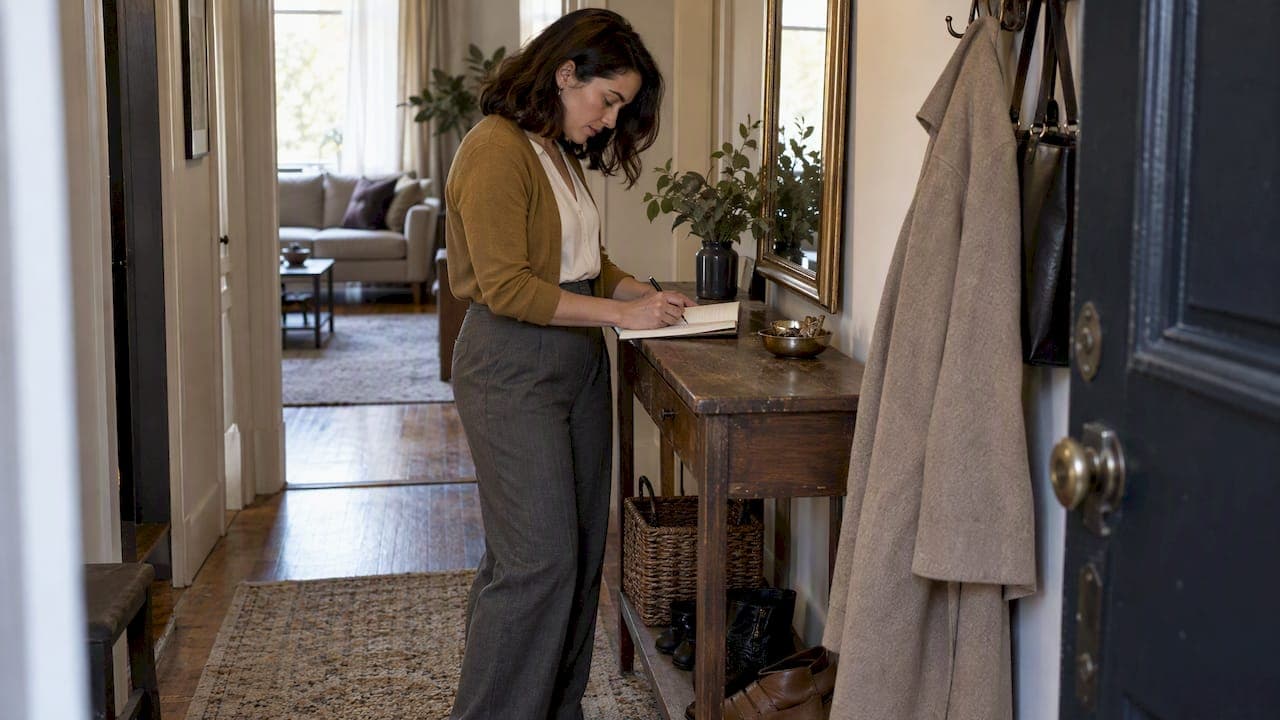
Un journal de tenues helps you plan, track, and improve your outfits over time. Start today: snap a photo of what you're wearing and add one short note. The sections below cover formats, a daily routine, review methods, and apps that make the habit stick.
TL;DR:
- Using a digital or physical outfit journal helps identify frequent pieces and gaps, leading to smarter shopping and longer-lasting clothing rotation.
- Weekly reviews of your outfit entries reveal your most-worn items and color patterns, which can inform capsule wardrobe creation and repairs.
- Outfits should be logged with photos, occasion tags, and mood notes, with batch processing recommended for busy schedules to maintain consistency.
- Outfit apps enhance tracking with searchability, automation, AI suggestions, and calendar planning, speeding up wardrobe organization.
- Incorporating weekly challenges and style prompts can prevent boredom and foster a more deliberate, signature personal style.
Table of Contents
- What an outfit journal does and why it matters
- Practical setups and templates: paper, calendar, or app
- Daily logging routine: what to capture in under a minute
- Weekly and monthly reviews: turning entries into action
- Digital tools and apps: when it's worth going digital
- Inspiration prompts and short challenges to keep it fresh
- Why consistency beats a perfect archive
- Get your wardrobe organized faster with MyTenue
- FAQ
- Sources
What an outfit journal does and why it matters
A journal de tenues is a running record of what you wear, when, and how it felt. It does four jobs: it helps you plan looks ahead of time, records what you actually wore (not what you intended), flags repeats and gaps in your rotation, and sparks new outfit ideas from old combinations.
The payoff is practical. You save time each morning, you see your personal style patterns clearly instead of guessing, you shop smarter because you know what you're missing, and pieces last longer when you actually wear them in rotation instead of forgetting they exist.
Picture flipping through three weeks of entries and noticing the same green sweater in half your favorite looks, while a blazer you loved in the store has zero appearances. That gap is the whole point of keeping the journal: it turns a vague feeling into a visible pattern you can act on.

Practical setups and templates: paper, calendar, or app
Pick a format that matches how you already work, not the one that looks the most organized on a shelf. A printed journal de tenues exists specifically as a weekly agenda for logging outfits and tracking how your style evolves, and it works well if you like writing by hand.
Here's a simple template you can copy into any notebook, spreadsheet, or app:
- Photo: one shot, good lighting, same spot if possible
- Date: day and date, nothing fancy
- One-line note: how it felt, what worked, what didn't
- Two tags: occasion (work, casual, event) and weather
- Rating: 1 to 5 for comfort or style confidence
A notebook is low friction but hard to search later. Printable planner pages add structure but need refills. A calendar view is great for planning ahead but weaker for tracking what actually happened. A spreadsheet is searchable and free, but you have to build it yourself. A photo-grid album is visual and fast but light on detail. Outfit-planning apps combine most of these, with searchable tags and less manual typing. Whatever you pick, reduce friction early: name your files consistently, sync photos automatically, and keep one folder instead of scattering shots across your phone.
Daily logging routine: what to capture in under a minute
The habit only survives if it costs you almost nothing. Capture five things: a photo (your visual record), the date, an occasion tag, a one-line comfort or mood note, and a quick rating. Each field earns its place: the photo settles memory disputes, the tag makes later searches useful, and the rating tells you fast whether an outfit is worth repeating.
Here's the micro workflow:
- Snap one photo before you leave or right when you get dressed.
- Add one occasion tag and one comfort note (a few words is enough).
- Save it to your folder, album, or calendar entry for that date.
Pro Tip: Batch your tagging on Sunday night if daily tagging feels like too much. A quick voice note recorded while you're getting dressed works just as well as typing, and a consistent filename like "2026-03-12-work" beats a messy camera roll.
Our workweek outfit planning checklist breaks this routine down further for anyone juggling a tight morning schedule.
Weekly and monthly reviews: turning entries into action
A pile of photos is only useful once you review it. Set a short weekly check-in and a slightly longer monthly one.
Look for:
- Your most-worn pieces and what they have in common
- Items that never appear, and why
- Which colors show up most often
- Which outfits scored well for which occasions
Then convert what you see into decisions: build a 10-piece capsule from your most-worn items, make a "wear more" list for the neglected pieces, and flag anything that needs a repair or a swap. A short note each week ("more neutrals than I thought," "the blazer never gets picked") builds into a clear picture by month's end, and our existing-closet strategies post has more ideas for getting fresh looks out of pieces you already own.
Digital tools and apps: when it's worth going digital
A notebook works fine for light tracking, but an app earns its place once you want to search past outfits, plan a whole week on a calendar, or get suggestions based on the weather. Automation is the real difference: instead of remembering what you wore last Tuesday, you search a tag.
When comparing apps, check for:
- Wardrobe digitization (photographing and cataloging what you own)
- An outfit calendar for forward planning
- AI-based outfit recommendations
- A virtual try-on or avatar feature
- The ability to export your logs
One internal workflow example claims a user can scan 15 items and get AI-generated outfits within 14 days, which gives a sense of how fast a digitized closet can start producing usable suggestions.
Our app follows that same sequence: you digitize your wardrobe first, then the AI suggests outfits from pieces you already own, and you place the ones you like on a calendar for the week ahead. Our AI wardrobe analysis guide walks through how the recommendation side works in more detail.
Inspiration prompts and short challenges to keep it fresh
A journal that only records outfits gets boring fast. Mix in small challenges: a seven-day color remix, a three-item capsule week, a spotlight on one piece worn five different ways, or an occasion remix where you rework a work outfit for a weekend event.
- Travel capsule: five tops, three bottoms, one layer, two pairs of shoes
- Event capsule: one statement piece built around three neutral basics
Our color-combination guide is a good source of quick formulas when you're stuck, and saving outfit boards alongside your own entries gives you a wider pool of ideas to pull from.
Why consistency beats a perfect archive
Most people who keep a journal de tenues for four to twelve weeks start noticing real patterns: a signature color palette, a handful of pieces doing most of the work, and outfits they keep reaching for without knowing why. The habit matters more than the format.
Skip perfect photos and long notes. A rough entry today beats a flawless one you never get around to writing.
— Ahmed
Get your wardrobe organized faster with MyTenue
A paper journal works, but typing tags and remembering what's clean gets old fast. We built MyTenue to take over the repetitive parts: you digitize your wardrobe once, we tag and organize it, and from there you get AI outfit suggestions pulled straight from pieces you already own.
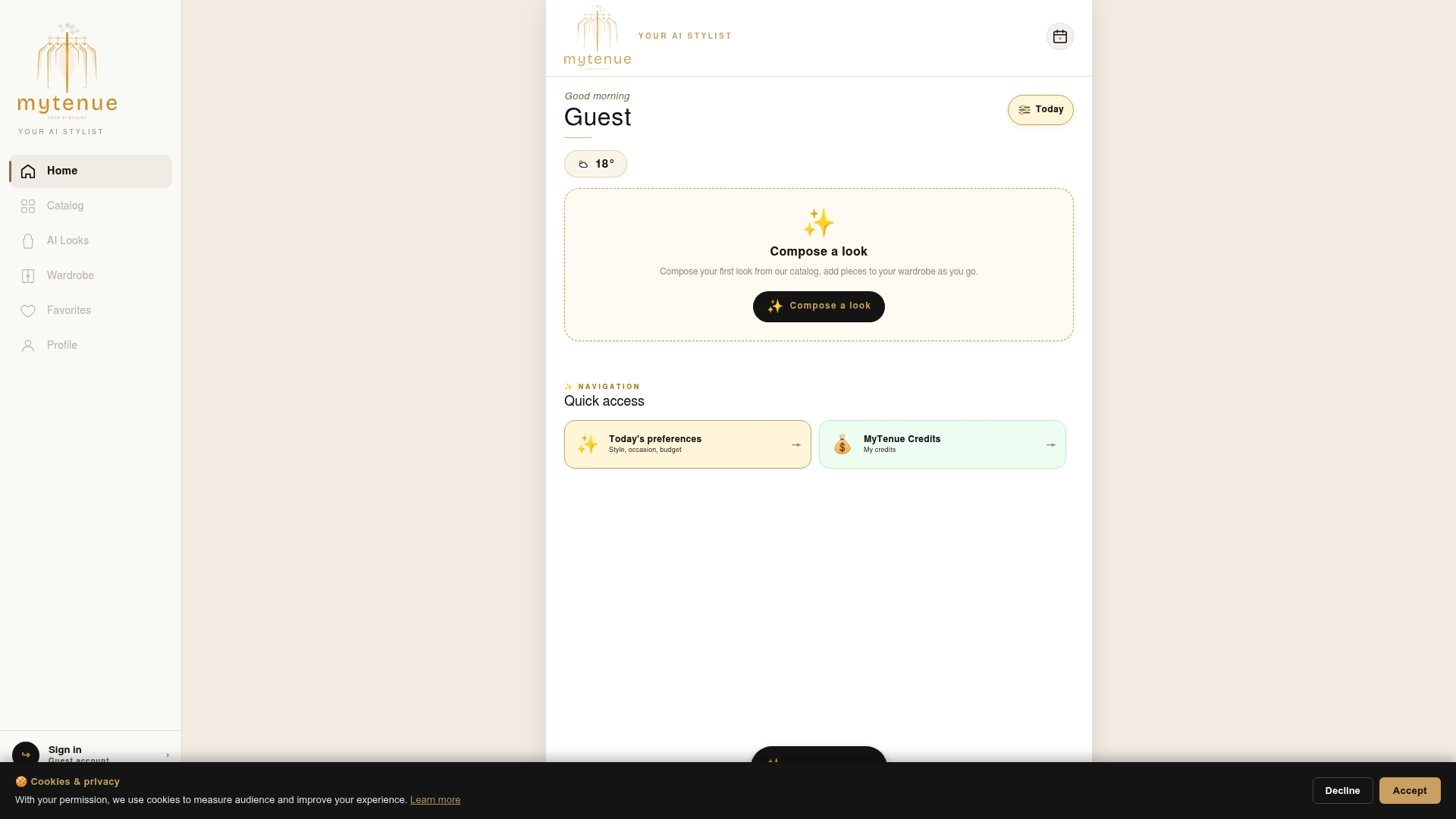
Planning ahead works the same way. Place suggested looks on a calendar, adjust for the day's weather, and skip the morning scramble entirely. If you want a complete look to go with what's already in your closet, our premium catalog gives you new pieces curated to match. For outfit ideas that lean toward comfort and performance, a line like Athleta's dresses pairs well with a capsule built around easy layering.
Start with the free plan and digitize a few pieces to see how the suggestions feel, then move up to Basic, Premium, or Gold whenever you want more from the AI stylist.

FAQ
What is a journal de tenues used for?
A journal de tenues is a running log of your outfits, used to plan ahead, track what you actually wore, and spot patterns in your style over time. It typically combines a photo with a short note on occasion, comfort, or mood for each entry.
How do I find my personal style through an outfit journal?
Review your entries after a few weeks and look at what repeats: colors, silhouettes, and pieces you reach for without thinking. A chronological record tends to reveal a signature style faster than trying to define it upfront, since repeated choices show up clearly once you have enough entries to compare.
What's the best format for tracking outfits, paper or app?
Paper planners like a printed journal de tenues work well for simple, low-tech tracking, while apps add search, tagging, and calendar planning. Choose based on whether you want quick browsing or detailed pattern analysis later.
How do I decide what to wear each day using a journal?
Check your calendar entries and past ratings for similar occasions or weather, then reuse or remix an outfit that scored well before. Our outfit planning guide for busy mornings outlines a quick routine for picking outfits without starting from scratch each day.
Can an app replace a handwritten outfit journal?
An app can handle most of what a handwritten journal does, plus searchable tags, weather-based suggestions, and AI-generated outfit ideas from your own wardrobe. Our AI wardrobe analysis guide explains how that digitization and suggestion process works in practice.